


1 / 2
天神社(御園)(てんじんしゃ(みその))
A small shrine in the hamlet of Misono, dedicated to Takamimusubi, one of the three creator deities.
South-southeast of Kintetsu Asuka Station, on the way to the Hinokuma-dera Temple site and Kitora Kofun, lies the hamlet of Misono. Here stand just a stone torii gate and a long, low shrine building. Although it is in an area full of famous Asuka sites, there are hardly any signs; it is quietly looked after as the local guardian shrine.
The grounds are flat, and when you pass through the stone torii, a tiled shrine building stretches across in front of you. It is a simple structure of white plaster and wooden boards, with a sacred straw rope (shimenawa) and a bell rope hanging in front of a latticed window. Stone lanterns stand beside it, along with a bench, and that is all: a small, modest shrine.
According to the history posted on the building, the deity enshrined here is Takamimusubi-no-kami. The notice says he is a god who smooths the way when you reach a deadlock among friends or in negotiations in your personal relationships.
The notice points out that the "Tenjin" of this shrine is not the Tenjin of the popular cult of Sugawara no Michizane, but simply "the god of heaven," that is, one of the amatsukami (heavenly deities). More specifically, it explains, Takamimusubi is one of the three creator deities among the kotoamatsukami (the separate heavenly deities), the god who appeared in the universe next after Ame-no-Minakanushi.
However, it also says there are signs that Sugawara no Michizane, the god of learning, was enshrined here as well after the Meiji Restoration, and adds that you are welcome to pray for success in your studies too.
In the Kojiki and the Nihon Shoki (Japan's earliest chronicles, compiled in 712 and 720), Takamimusubi is often portrayed as a god who supported the ancestral deities of the imperial line from behind the scenes. The notice introduces him as a god who showed political skill and neatly resolved difficult problems in all three famous myths: the descent of the heavenly grandson, the transfer of the land, and Jinmu's eastern expedition.
It also states that his contributions in ancient times were remarkable, such as developing farm tools using iron and other materials to raise agricultural production.
Finally, the notice explains that the place name Misono comes from this area having been "an estate that produced crops to offer to the gods."
On land that grew crops for the gods, a god who created farm tools is worshipped. The shrine itself may be small, but here the place name and the deity form one continuous story.
About 8 minutes on foot from Kintetsu Asuka Station. Visitors are free to come and pray.
Continue south to reach the Hinokuma-dera Temple site (Omiashi Shrine) and then Kitora Kofun. Turn east for Takamatsuzuka Kofun and Nakaoyama Kofun; head back toward the station and Iwayayama Kofun and the Mausoleum of Emperor Kinmei are also within walking distance. This is the hamlet's guardian shrine, so please visit quietly.
Published
NEARBY
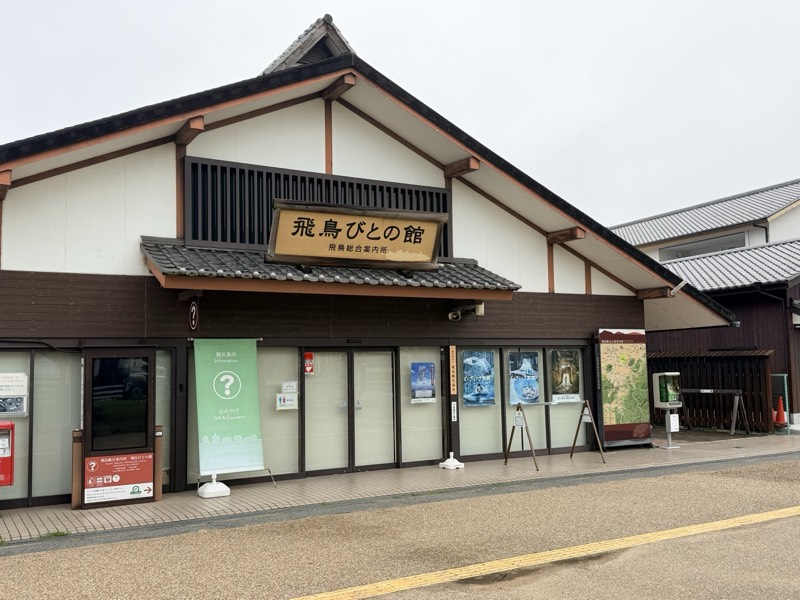
飛鳥びとの館
The tourist information centre at the Asuka roadside station. A good place to start exploring.
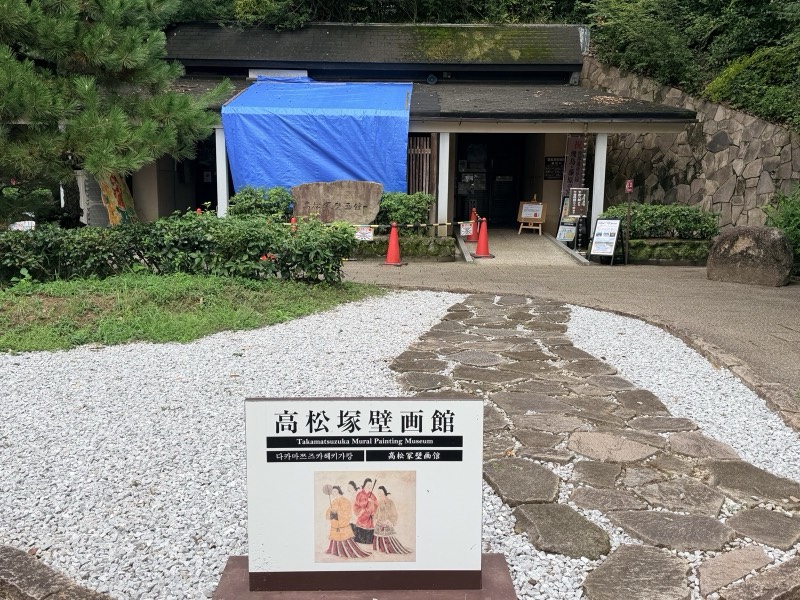
高松塚壁画館
A museum that presents the murals of Takamatsuzuka Kofun through replicas and models.
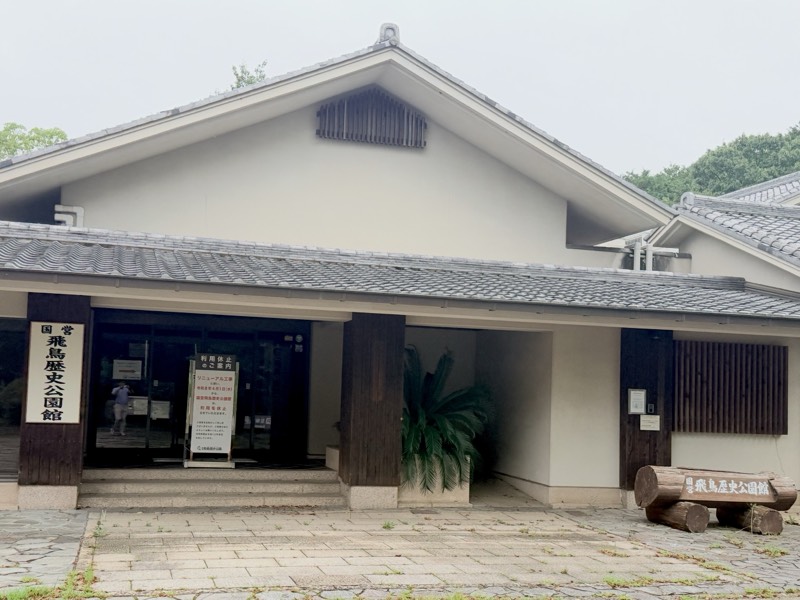
飛鳥歴史公園館
The information centre for the Asuka Historical National Government Park.