
Home/Columns
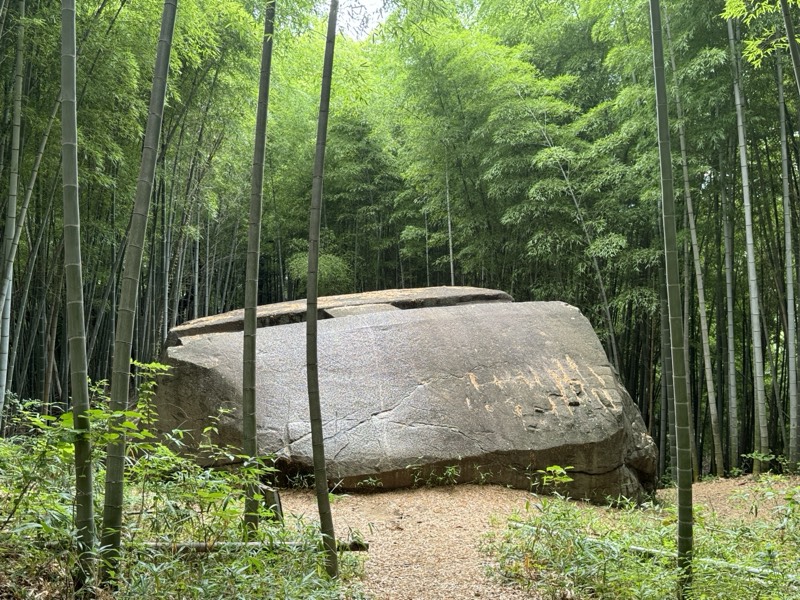
Two holes cut into an 800-tonne boulder, a slab carved with circles and channels, a turtle with a face, statues with faces on both sides: in Asuka, stones whose purpose no one knows still lie scattered among the fields and hills. We tour them, sorted into mysteries solved, half-solved, and still completely open.
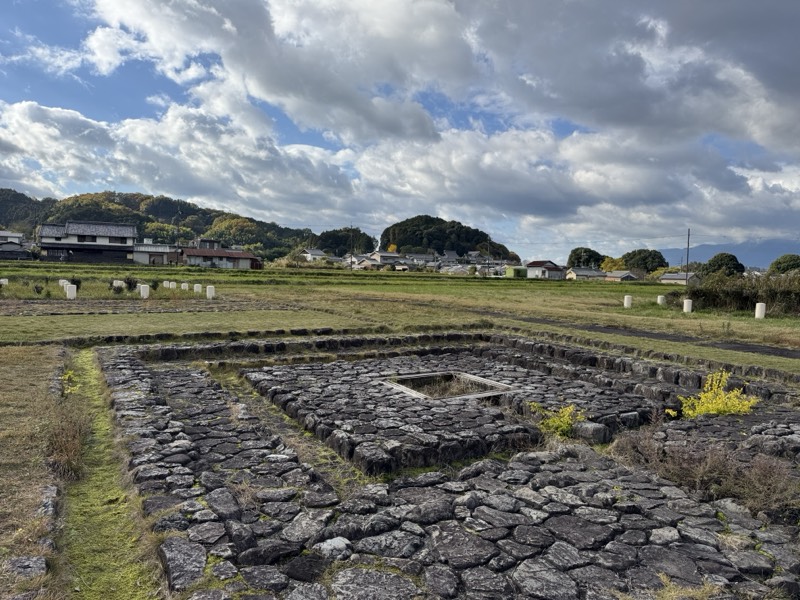
"Asuka-Fujiwara" was inscribed on the World Heritage List in 2026. We list all 19 component sites with their locations and highlights at a glance, and suggest a classic walk from Asuka Station, half-day routes for three areas, a walk into Oku-Asuka, and one- and two-day routes that cover them all.
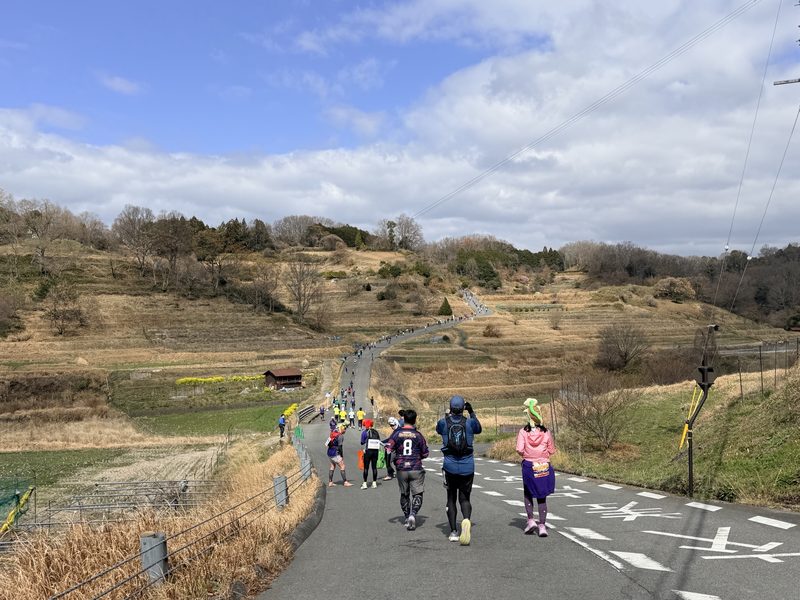
Every March, 3,000 runners race past the historic sites and terraced rice fields of Asuka Village. Starting near the Kitora Kofun and passing Ishibutai Kofun and the Inabuchi terraces, the Asuka Half Marathon is full of the village's character, from its hilly course and cupless water stations to the strawberries handed out at the finish.
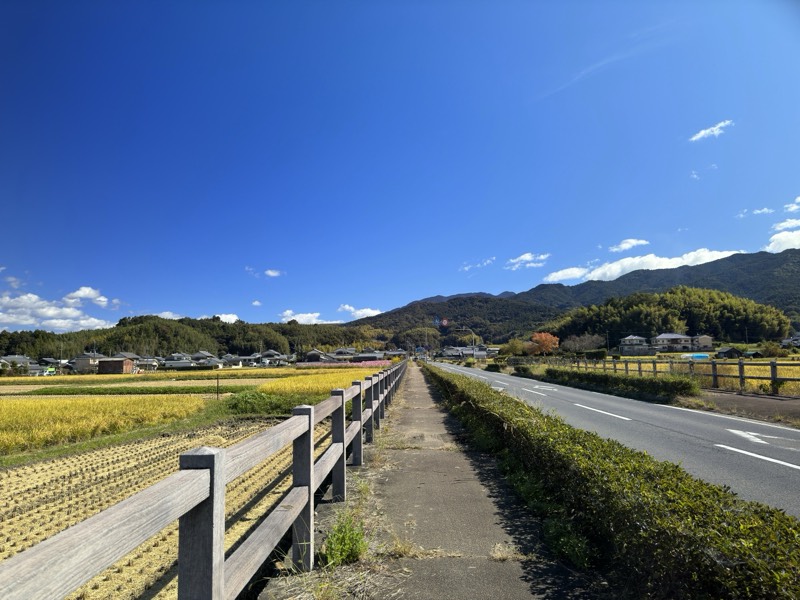
Asuka is not only the village in Nara. Around Habikino and Taishi in Osaka Prefecture there is another Asuka, known in ancient times as Chikatsu Asuka, "Near Asuka". The Asuka in Yamato was Tōtsu Asuka, "Far Asuka". Near and far from where?
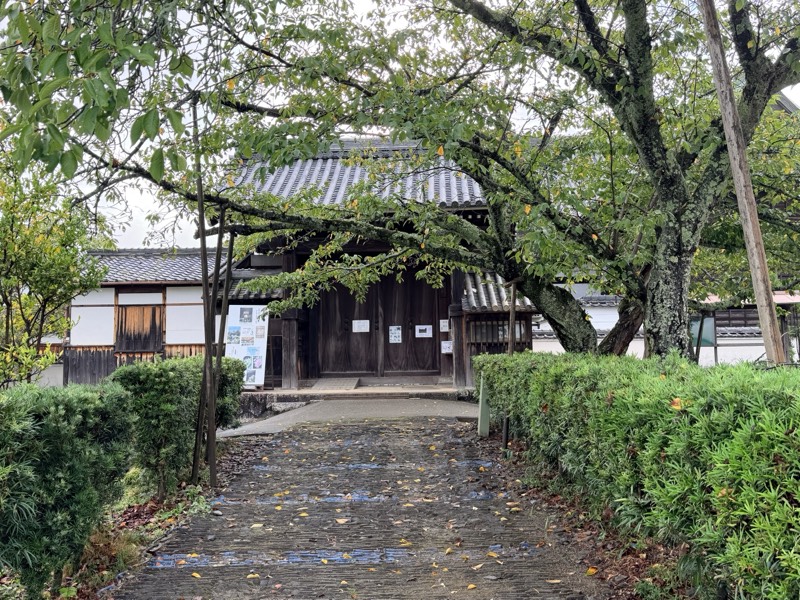
The Twelve Cap Ranks, the Seventeen-Article Constitution, the embassies to Sui China: Prince Shōtoku, familiar from every Japanese textbook, is said to have been born at Tachibana-dera in Asuka. We follow his life as the Nihon Shoki tells it, and look at how the name "Shōtoku Taishi" came about.
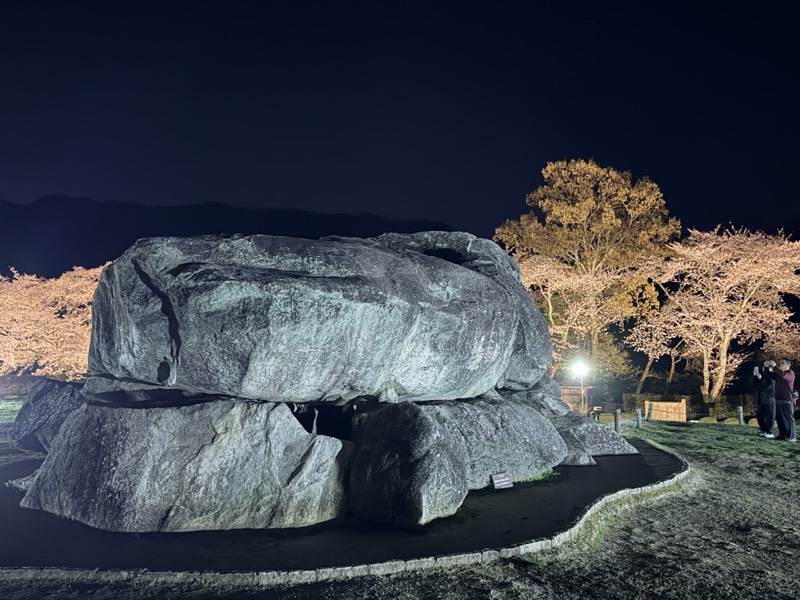
Almost every achievement of Prince Shōtoku comes with the name of Soga no Umako beside it. What if the man really running the country was Umako, and the image of the prince was built from Umako's deeds? We introduce the evidence for this theory and the arguments against it.
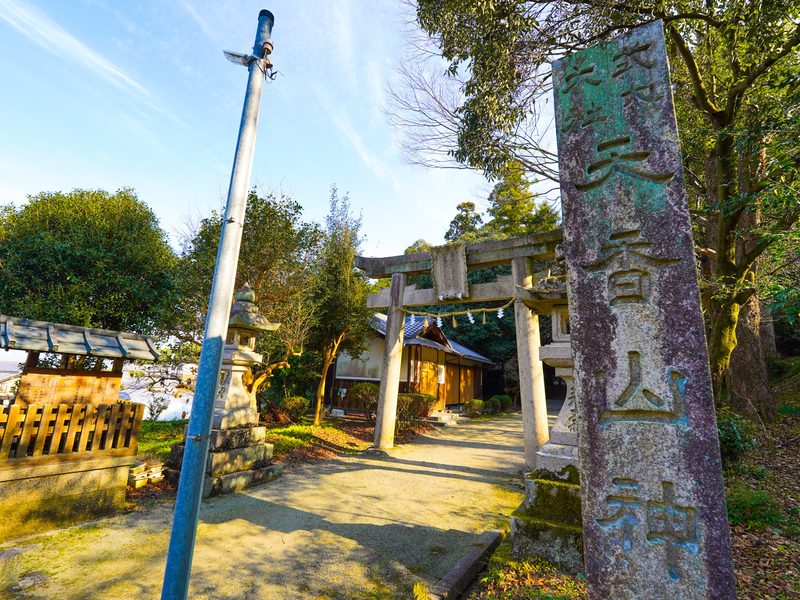
Empress Jitō's poem about Mount Kagu begins "Spring has passed, and summer seems to have come." It is loved as a poem about early-summer scenery, but there is also a reading that sees the empress's own ambition in it.
Nukata no Ōkimi had a daughter with Prince Ōama and is thought to have later gone over to Emperor Tenchi. In the poems the two exchanged at Gamōno, did her lingering feelings for Ōama show through? Here is the theory that reads them that way.