
Home/Columns
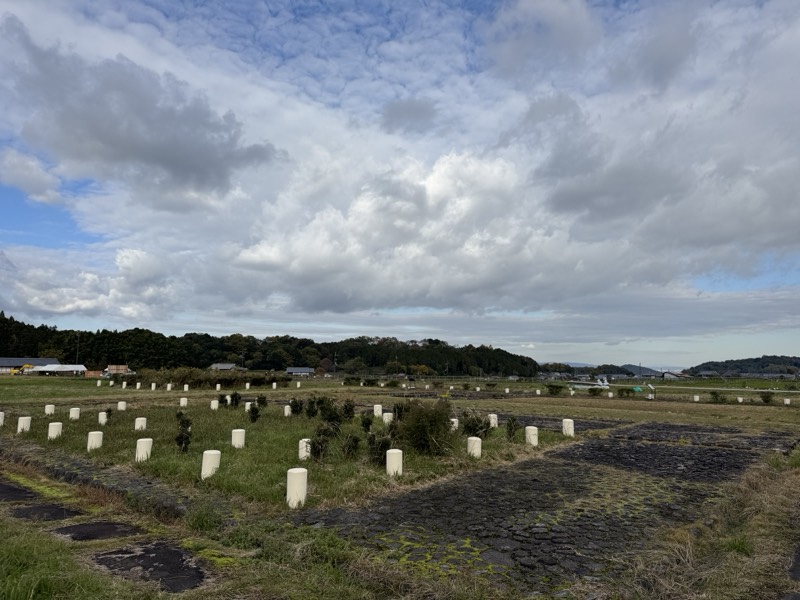
In ancient Japan the throne often passed from elder brother to younger. One attempt to draw a line from father to son failed. The one who made it stick the second time was Empress Jitō.
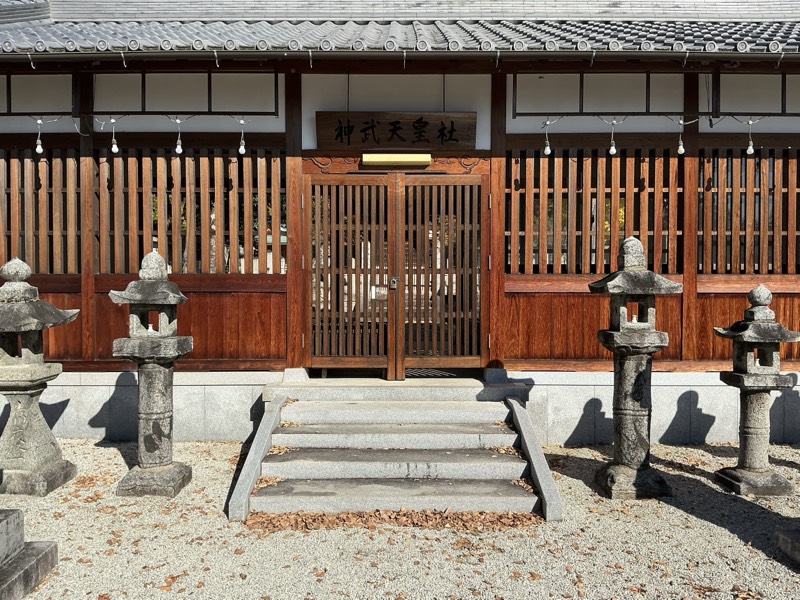
Kashihara, where Emperor Jinmu was enthroned, is now placed at the foot of Mt Unebi in Kashihara City. But the same tradition also survives in another Kashihara, in Gose City.

The "Ōe" in Prince Naka-no-Ōe is not a personal name. It is a term showing eligibility to succeed to the throne. In the first half of the 7th century, three princes bore it.
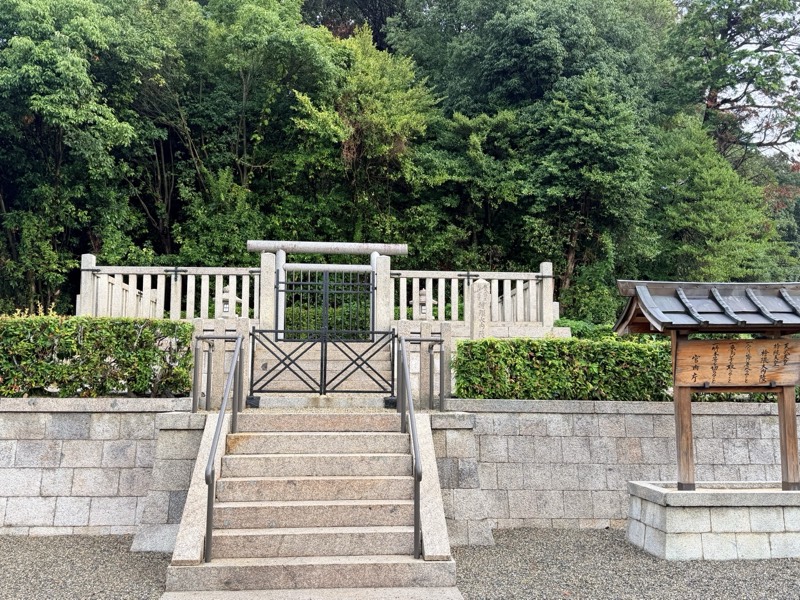
Before she married Emperor Jomei, Empress Kōgyoku had already borne a son: Prince Aya (Aya no Miko). The Nihon Shoki (Japan's oldest official chronicle, compiled in 720) mentions his name once, and never again.
It was a match arranged by Nakatomi no Kamatari: the eldest daughter of Soga no Kura-no-Yamada no Ishikawamaro was to marry Prince Naka no Ōe. On the wedding night, a man from her own clan carried her off.
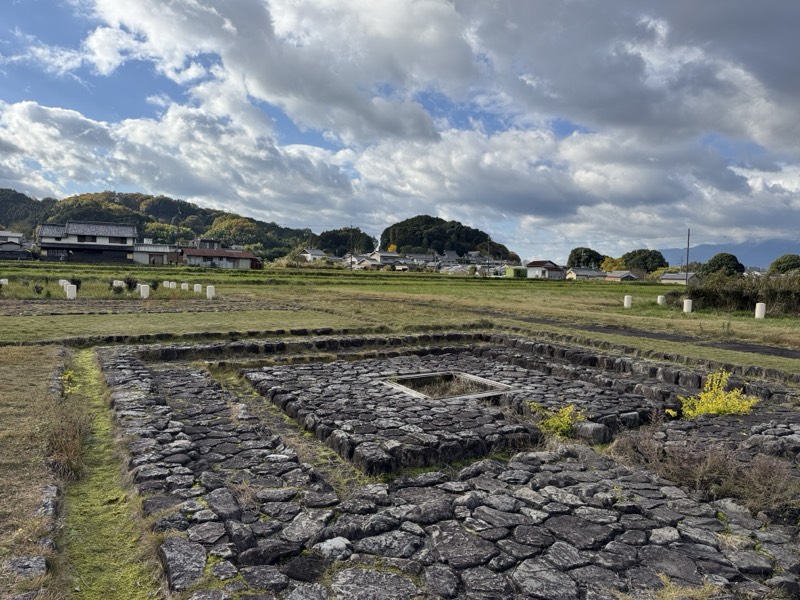
Born into the branch of the Soga clan that kept its storehouses, he joined the side that killed Iruka, and four years later died suspected of treason. His daughters became the mothers of Empress Jitō and Empress Genmei.

From Makimuku at the foot of Mt Miwa, by way of Iware, to Asuka: the seat of royal power moved south across a distance of about ten kilometres.
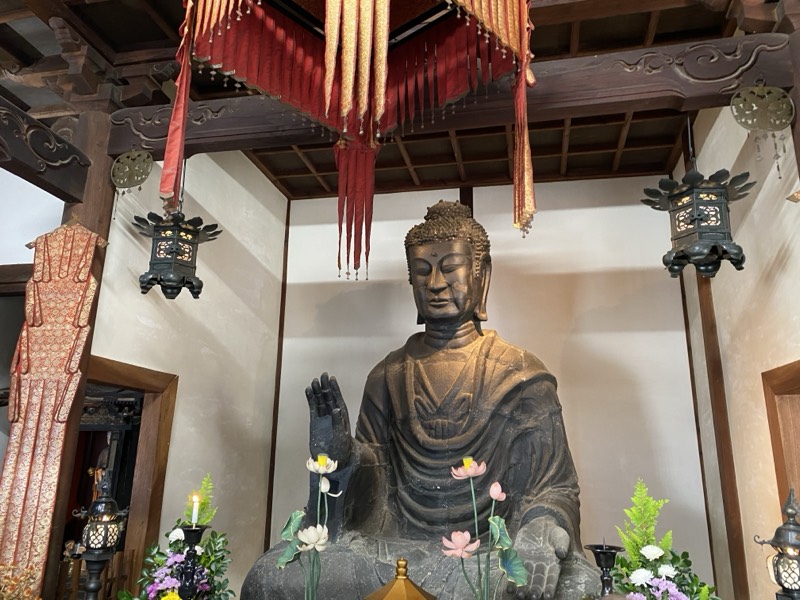
In 584, three people took holy orders in Asuka. All three were women, daughters of immigrant families. A thatched hall built by the father of one of them is said to have been the beginning of Sakata-dera Temple.