
Home/Columns
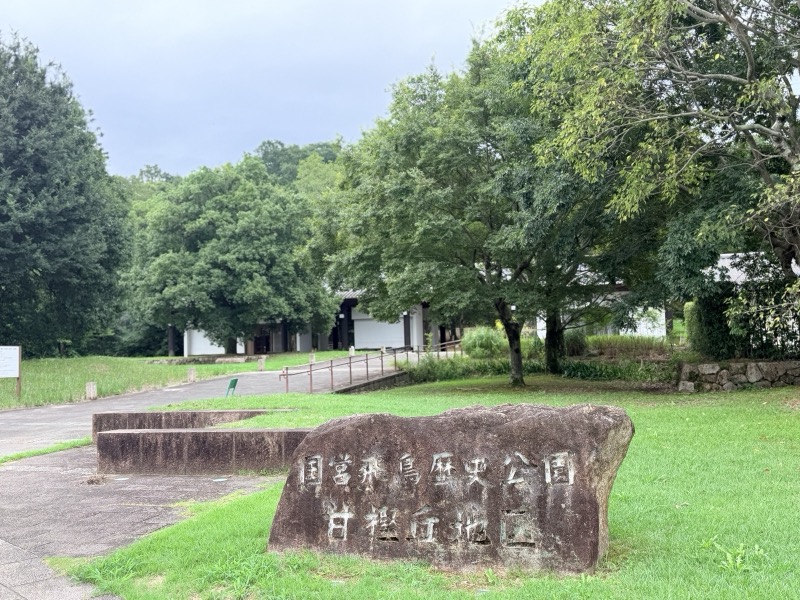
Cross the village boundary and the scenery changes noticeably. The landscape of Asuka has not survived by chance: there is a law that applies to this village alone.
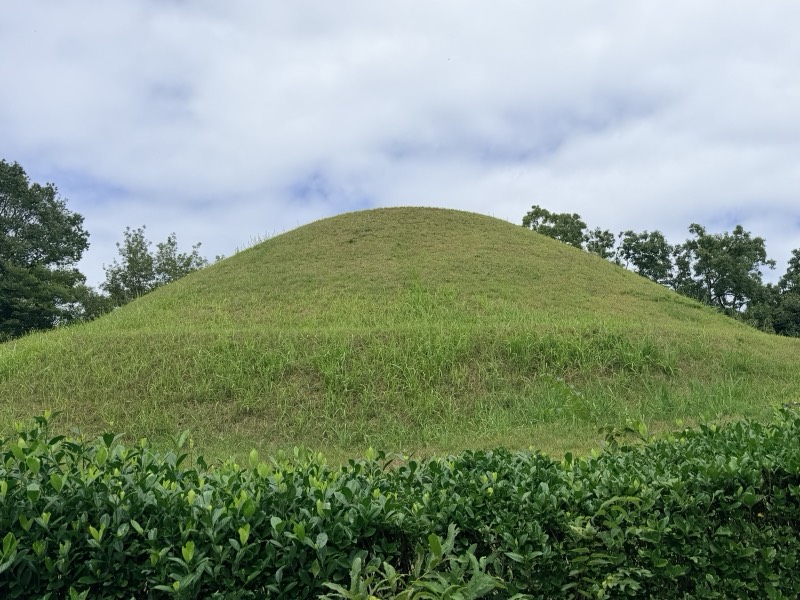
The team that uncovered the wall paintings of Takamatsuzuka Kofun in 1972 came from Kansai University. A public lecture series it started in the village three years later is still running today.
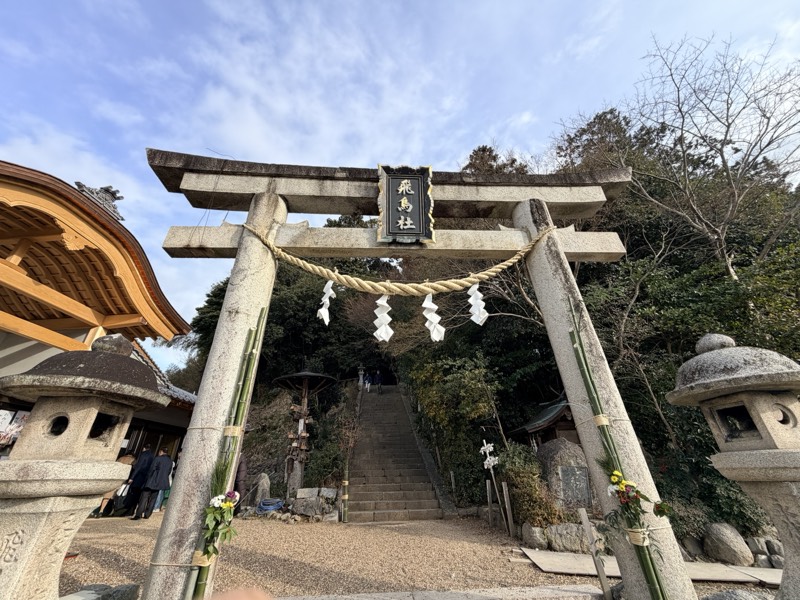
On the first Sunday of February, the grounds of Asuka-niimasu Shrine fill with people for a festival in which a tengu (long-nosed goblin) spanks visitors on the bottom, ploughs a rice field and finally acts out a married couple's lovemaking.
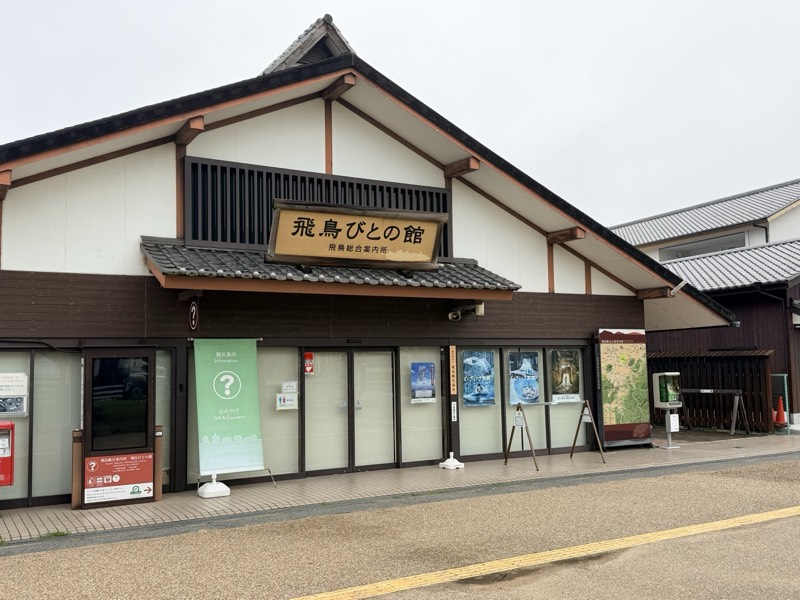
If you spend your time looking only at kofun and palace sites you may not notice, but winter in this village is greenhouse season. Inside them, a large strawberry developed in Nara is ripening.
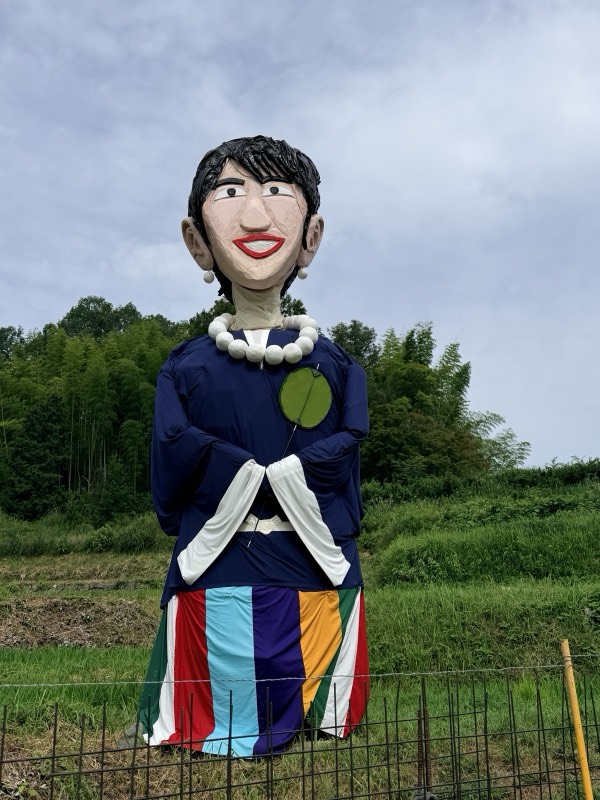
Every autumn, a scarecrow so big you have to look up at it appears in the Inabuchi terraced rice fields. Its subject is chosen from that year's news, and the same one never stands twice.
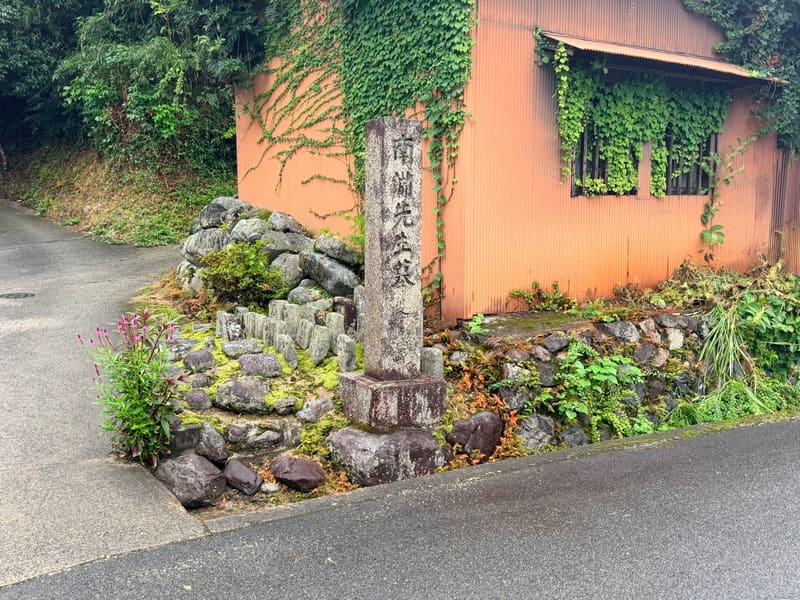
Prince Naka no Ōe and Nakatomi no Kamatari went to study with a scholar who had spent more than thirty years on the continent after travelling with an embassy to Sui China. His school is said to have stood on a sloping road in Inabuchi.
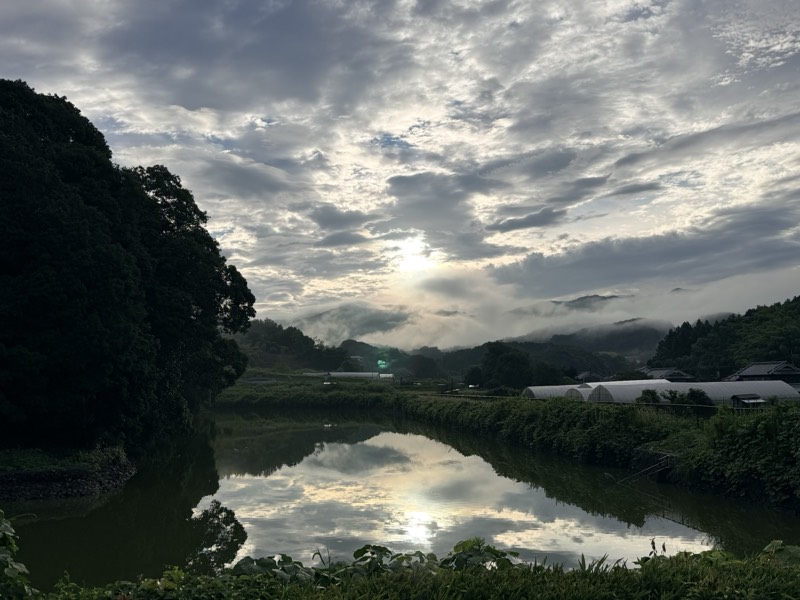
Several theories have been put forward about who is buried in the largest keyhole-shaped tomb in Asuka Village.
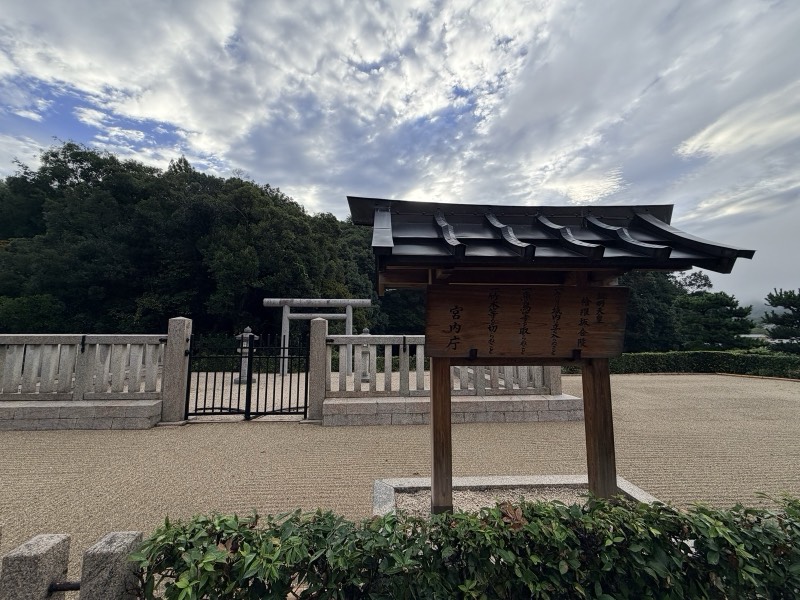
From the accession of his father, Emperor Keitai, to the reigns of the children who took the throne one after another: tracing the emperor who stands at the threshold of the Asuka period.