
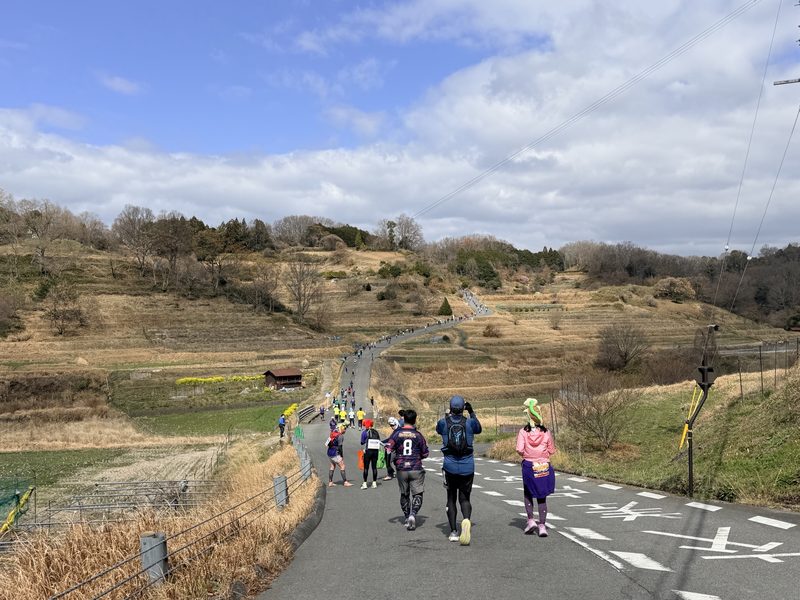
Every March, 3,000 runners race past the historic sites and terraced rice fields of Asuka Village. Starting near the Kitora Kofun and passing Ishibutai Kofun and the Inabuchi terraces, the Asuka Half Marathon is full of the village's character, from its hilly course and cupless water stations to the strawberries handed out at the finish.
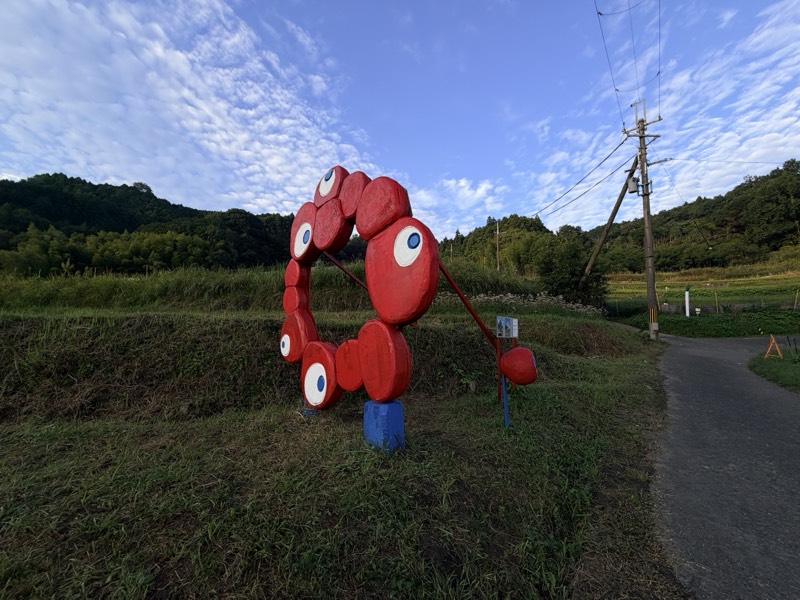
The theme of the 2026 scarecrow contest is "Kusu", the Japanese sound of a stifled chuckle. A village just inscribed as a World Heritage Site chose laughter on purpose. The Scarecrow Festival will be held on 26 and 27 September.
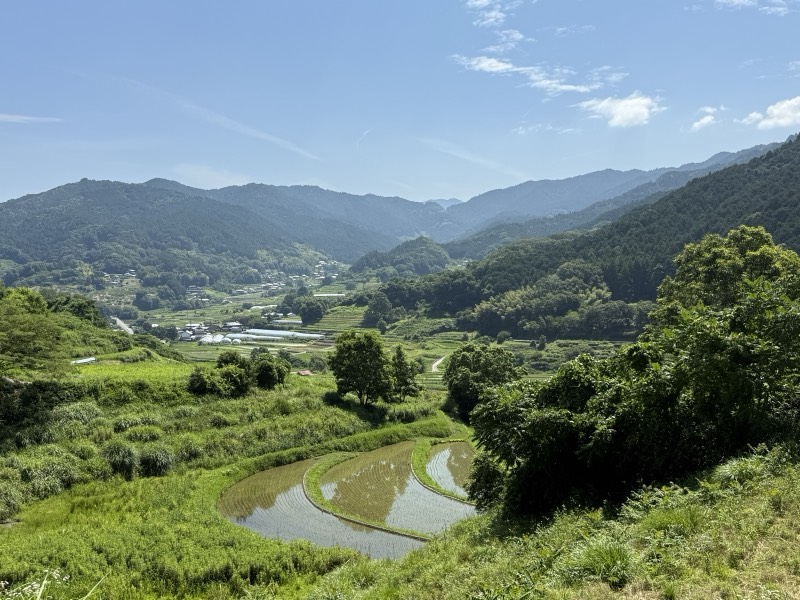
Two ropes of rice straw hang across the Asuka River. Downstream in Inabuchi a Shinto priest is invited; upstream in Kayanomori a Buddhist monk chants sutras. The same rite has carried on in a different form in each village.
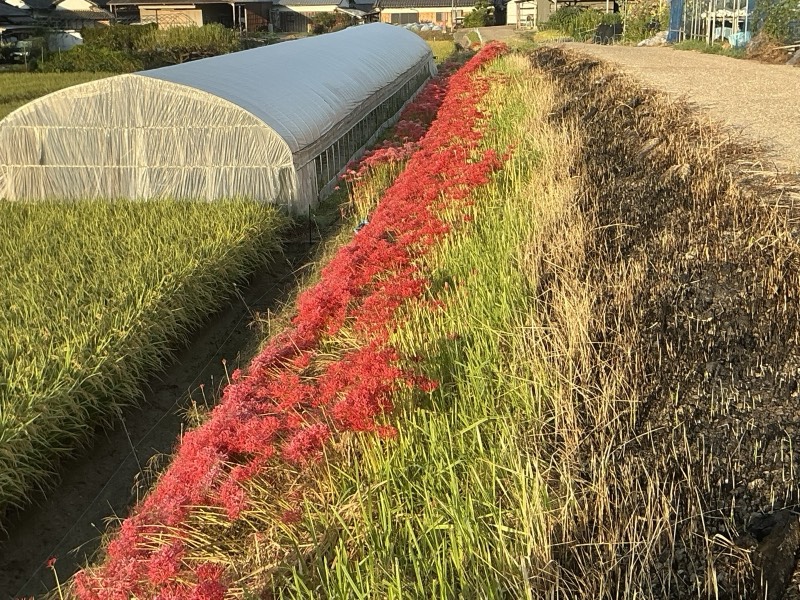
Red runs along the edges of the rice fields, as straight as if drawn with a ruler. It did not grow there on its own. People carried the bulbs and planted them.
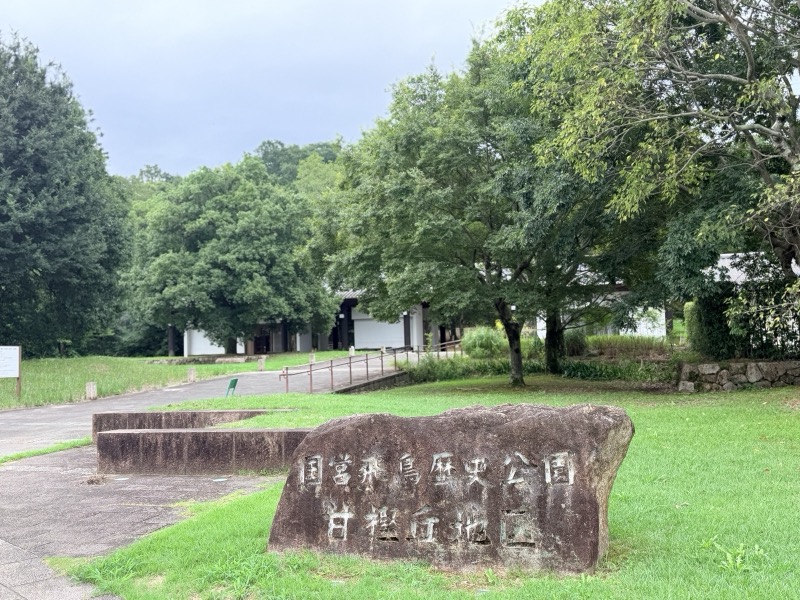
Cross the village boundary and the scenery changes noticeably. The landscape of Asuka has not survived by chance: there is a law that applies to this village alone.
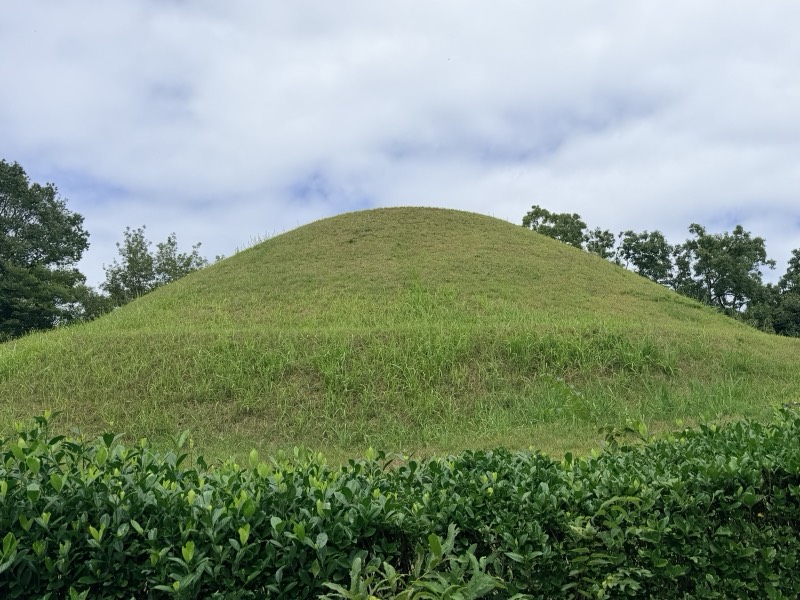
The team that uncovered the wall paintings of Takamatsuzuka Kofun in 1972 came from Kansai University. A public lecture series it started in the village three years later is still running today.
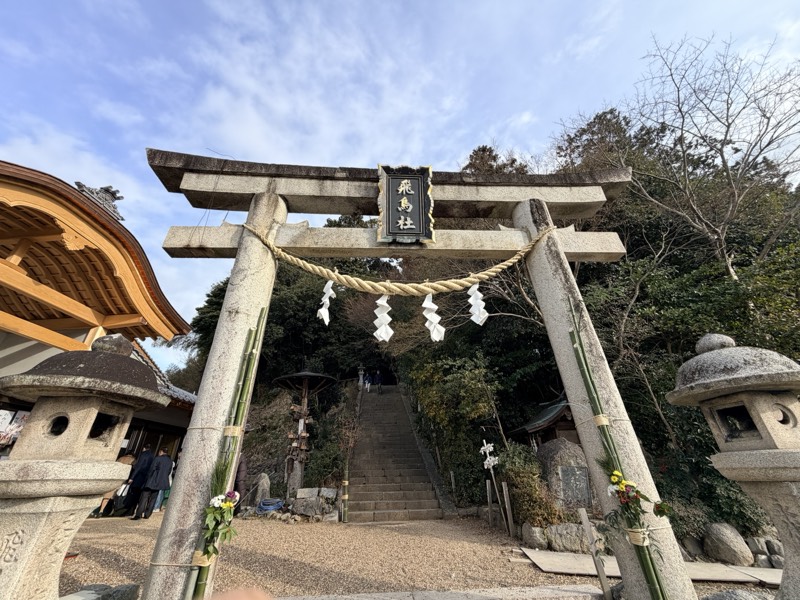
On the first Sunday of February, the grounds of Asuka-niimasu Shrine fill with people for a festival in which a tengu (long-nosed goblin) spanks visitors on the bottom, ploughs a rice field and finally acts out a married couple's lovemaking.
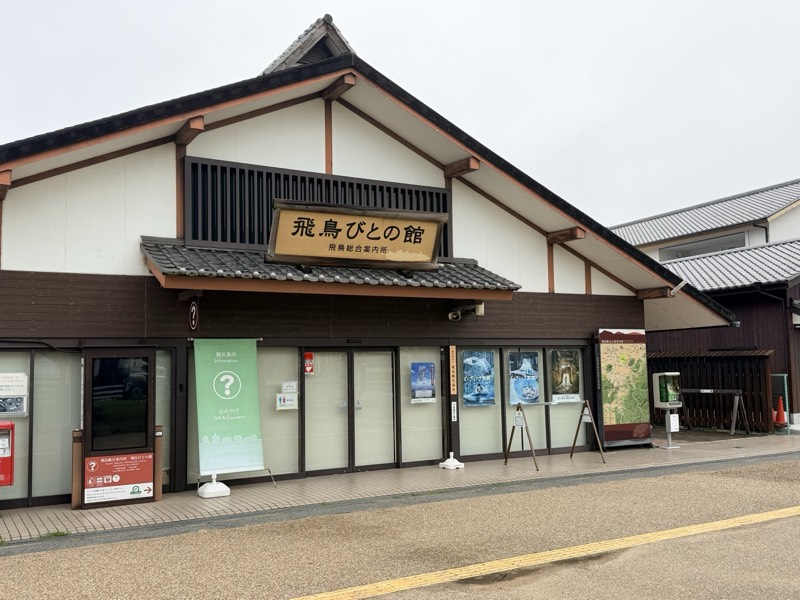
If you spend your time looking only at kofun and palace sites you may not notice, but winter in this village is greenhouse season. Inside them, a large strawberry developed in Nara is ripening.