
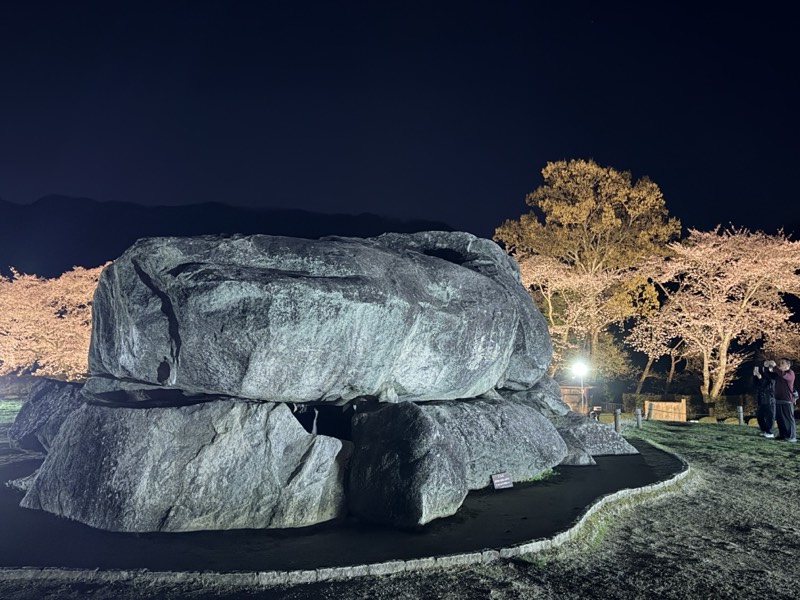
Almost every achievement of Prince Shōtoku comes with the name of Soga no Umako beside it. What if the man really running the country was Umako, and the image of the prince was built from Umako's deeds? We introduce the evidence for this theory and the arguments against it.
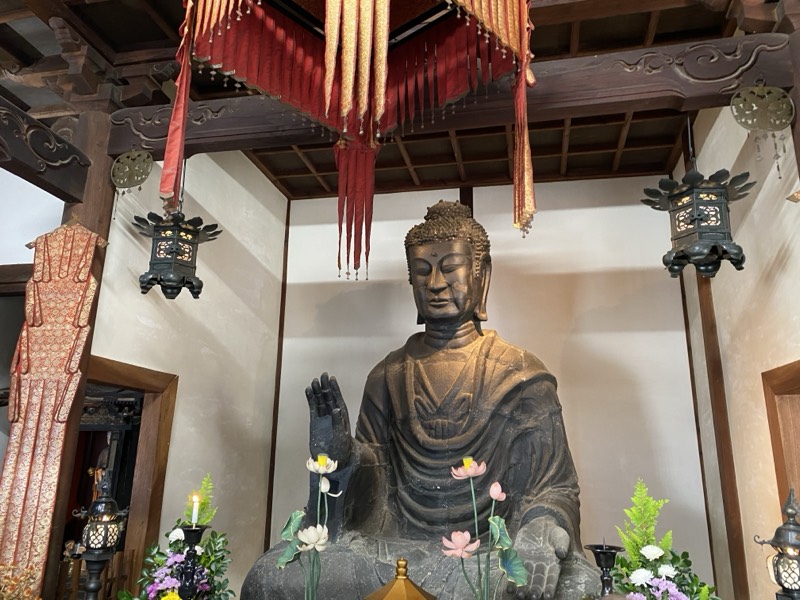
From the Asuka Daibutsu to the Yakushi Triad of Yakushi-ji Temple took about a hundred years. Over that century the faces of Buddhist statues changed dramatically, depending on who commissioned them and on contact with lands across the sea.

The "Ōe" in Prince Naka-no-Ōe is not a personal name. It is a term showing eligibility to succeed to the throne. In the first half of the 7th century, three princes bore it.
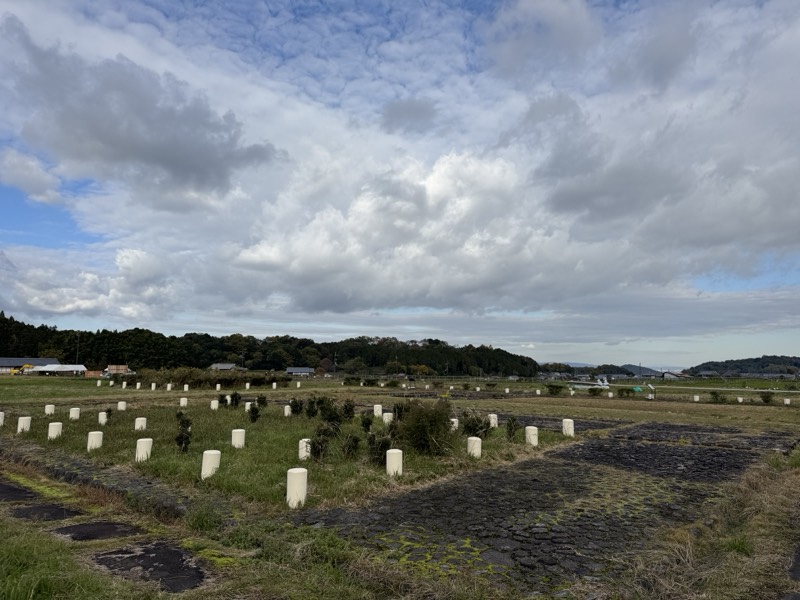
It was a match arranged by Nakatomi no Kamatari: the eldest daughter of Soga no Kura-no-Yamada no Ishikawamaro was to marry Prince Naka no Ōe. On the wedding night, a man from her own clan carried her off.
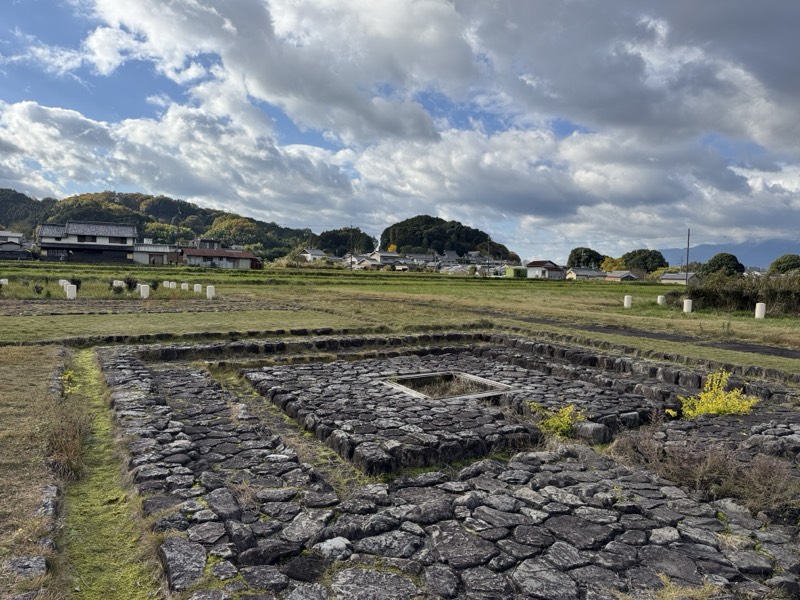
Born into the branch of the Soga clan that kept its storehouses, he joined the side that killed Iruka, and four years later died suspected of treason. His daughters became the mothers of Empress Jitō and Empress Genmei.
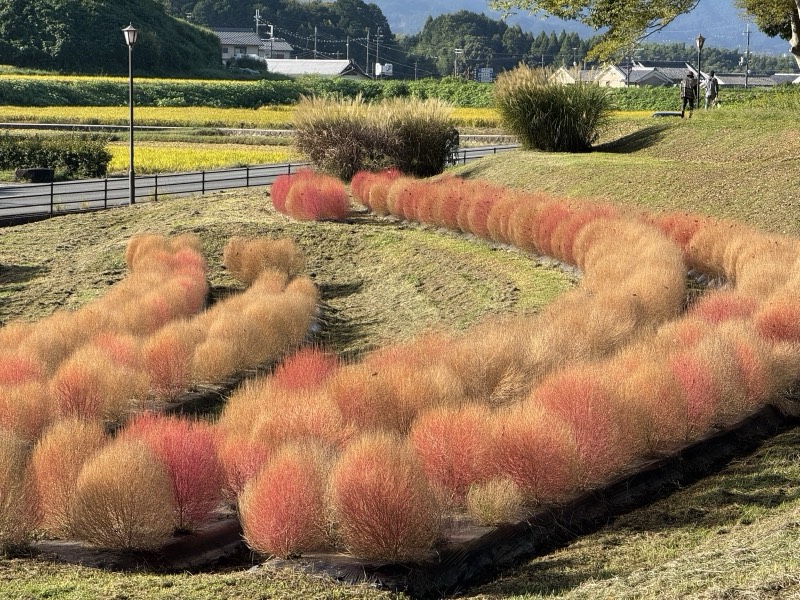
The Nihon Shoki says Soga no Emishi and Soga no Iruka had their mansions here. Yet excavation has found nothing conclusive. And Amakashi-niimasu Shrine stands a little away from the hill.
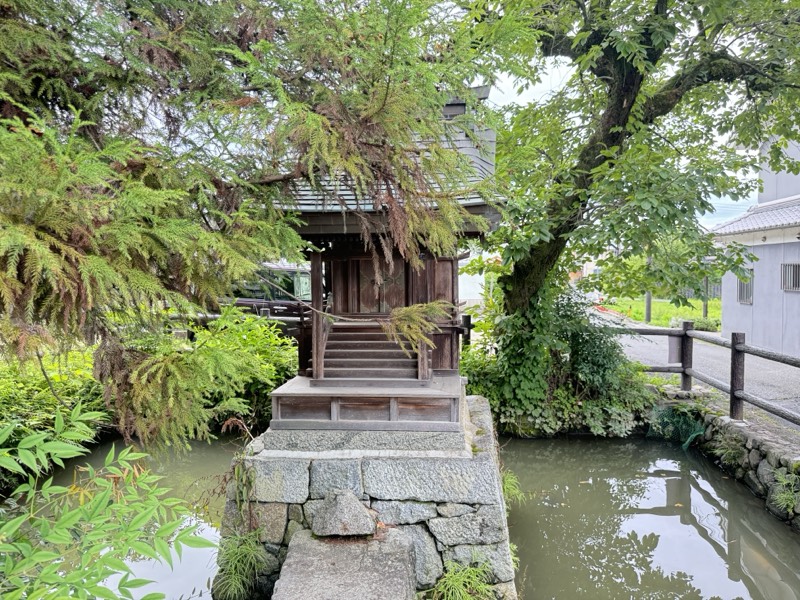
A waterway in Osaka near the sea, or a small pond in Asuka? The "Naniwa no Horie", which the Nihon Shoki names as the place where a Buddhist statue was thrown away, still has two candidates today.
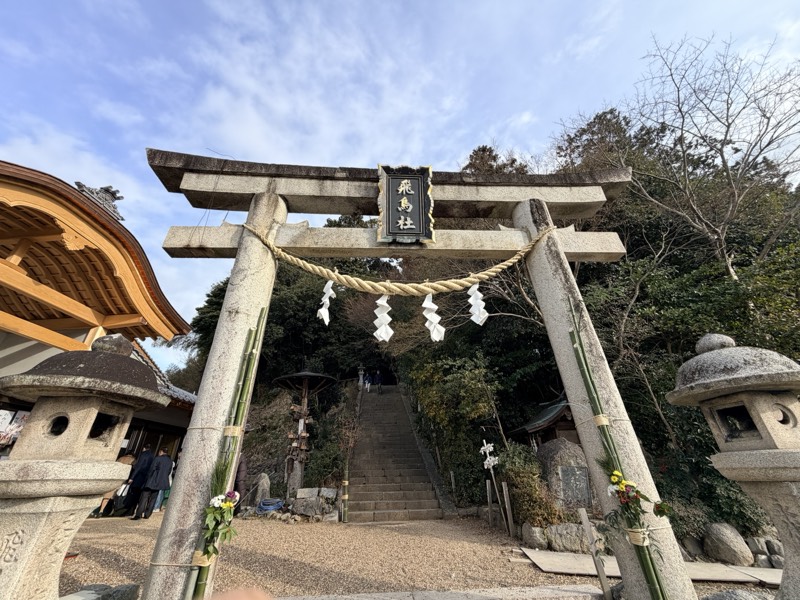
The ruins and the historical period are written 飛鳥, the village is written 明日香. Both are read "Asuka", so why are the characters different? And what does "Asuka" mean in the first place?