
Home/Spots
73 spots
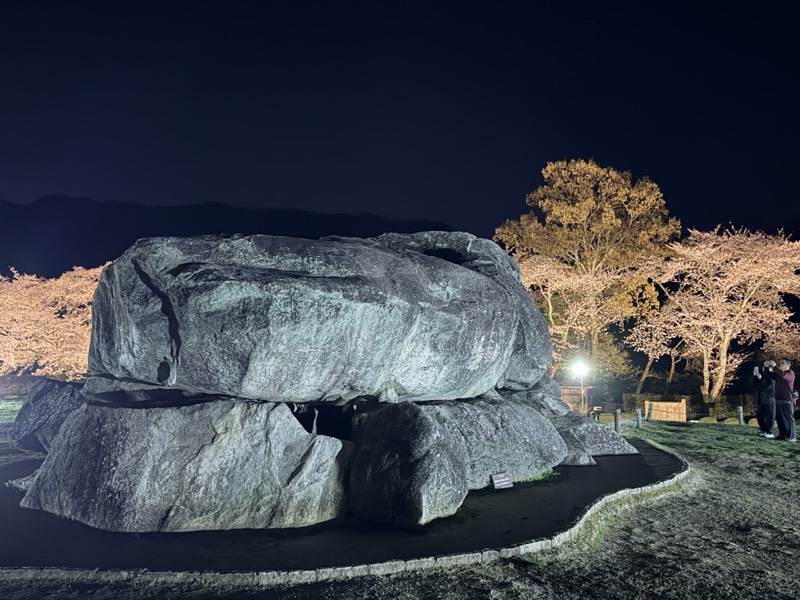
石舞台古墳
One of the largest stone burial chambers in Japan, its giant boulders left bare to the sky. The image most people picture when they think of Asuka.
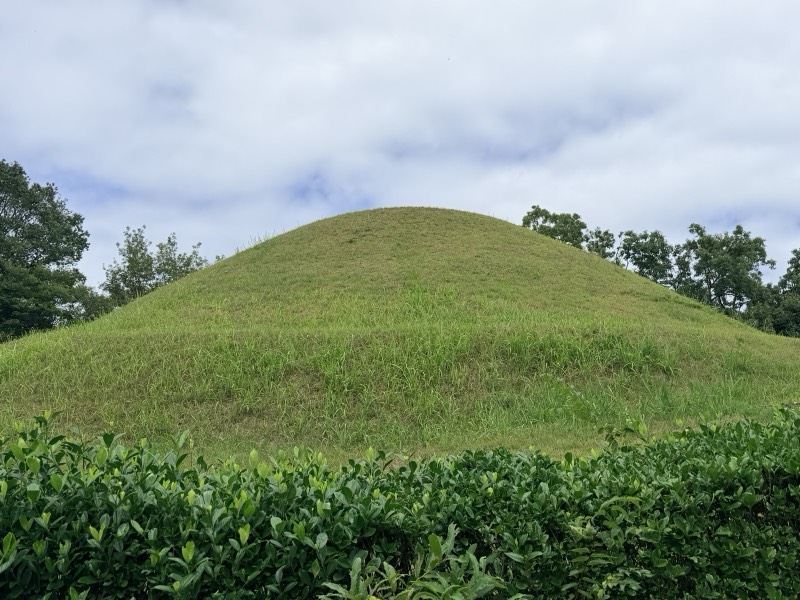
高松塚古墳
A round burial mound where brilliantly coloured paintings of court ladies were found: the defining archaeological discovery of post-war Japan.
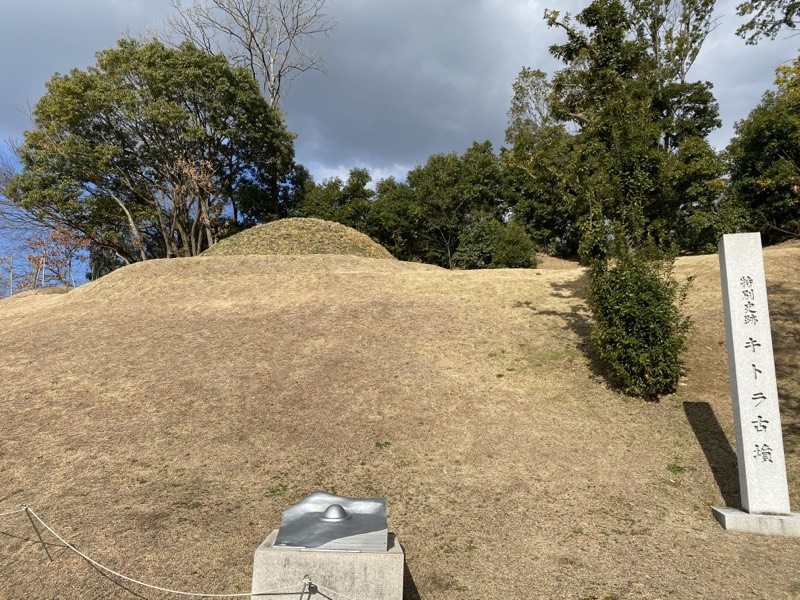
キトラ古墳
A two-tiered round burial mound famous for its chamber painted with the Four Gods and a map of the stars.
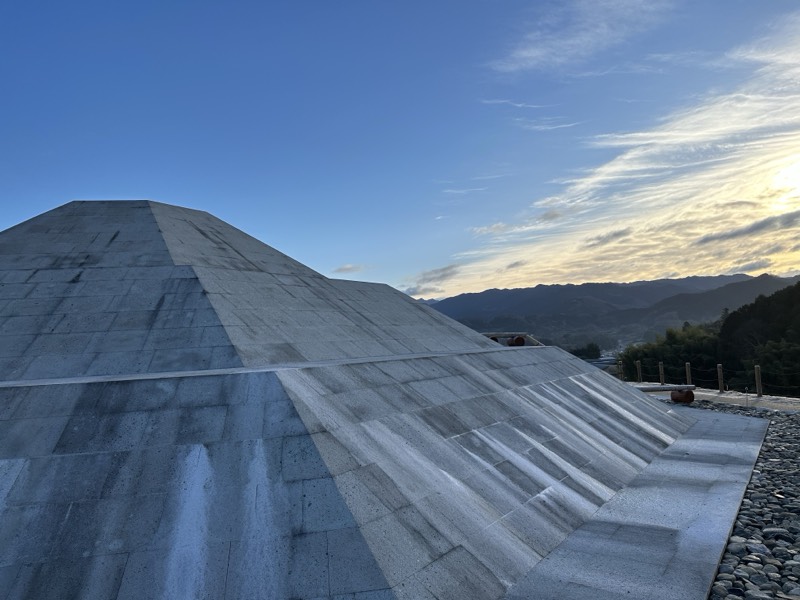
牽牛子塚古墳
An octagonal burial mound, now widely thought to be the tomb of Empress Saimei.
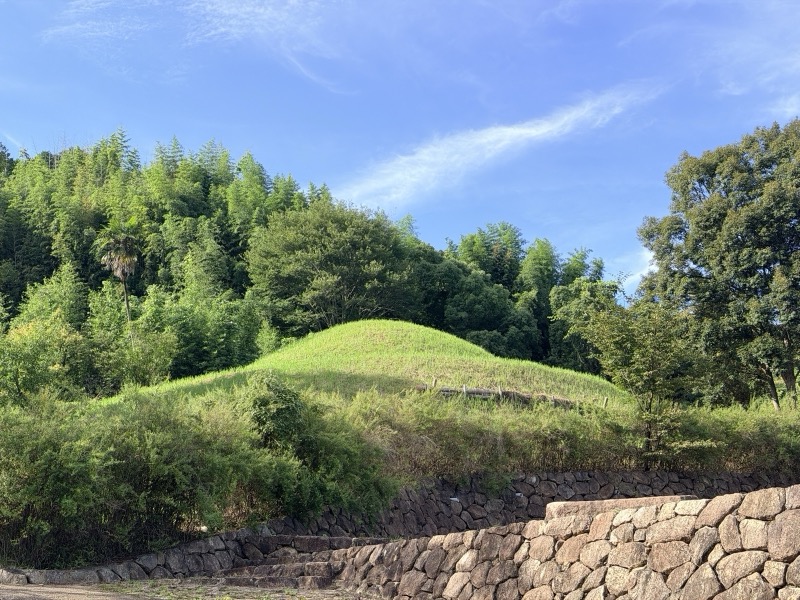
マルコ山古墳
A hexagonal burial mound 24 m across between opposite sides, a shape rarely found anywhere in Japan.
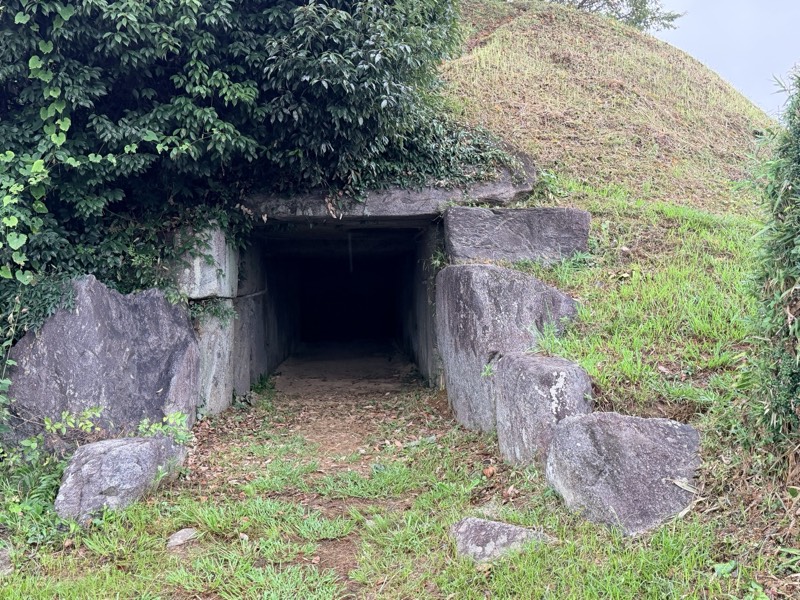
岩屋山古墳
Five minutes from the station: walk straight into a burial chamber built of tightly fitted cut stone.
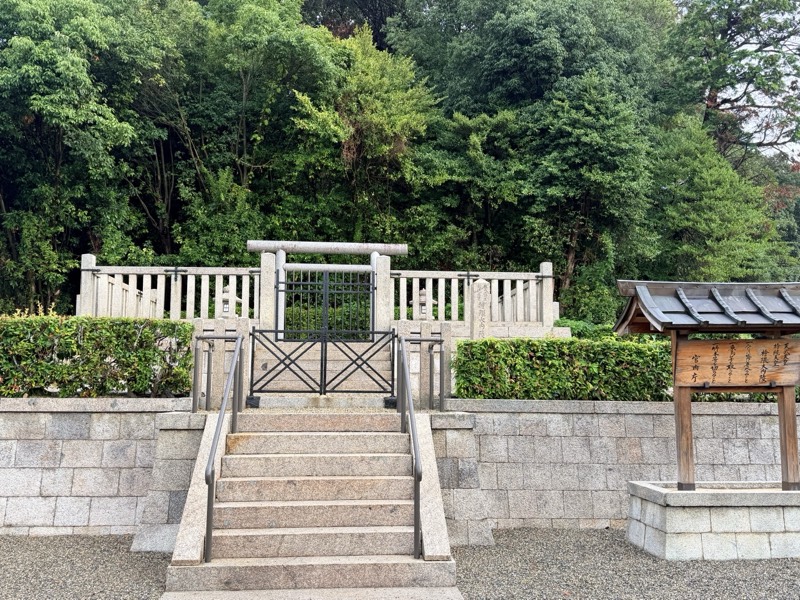
天武・持統天皇陵
One of the few octagonal imperial tombs whose occupants can be confirmed from written records.
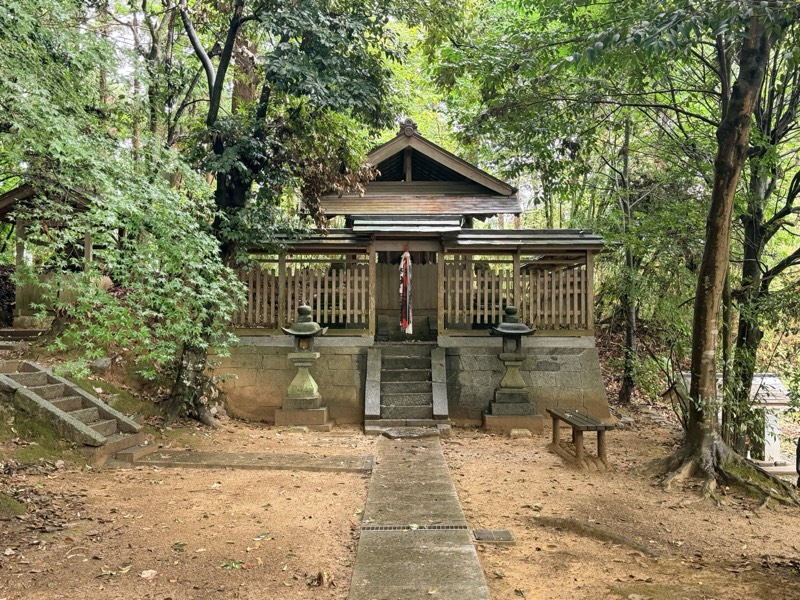
小泊瀬稚雀神社
A small shrine dedicated to Emperor Buretsu, standing where it looks towards the tomb of Emperor Tenmu and Empress Jitō.
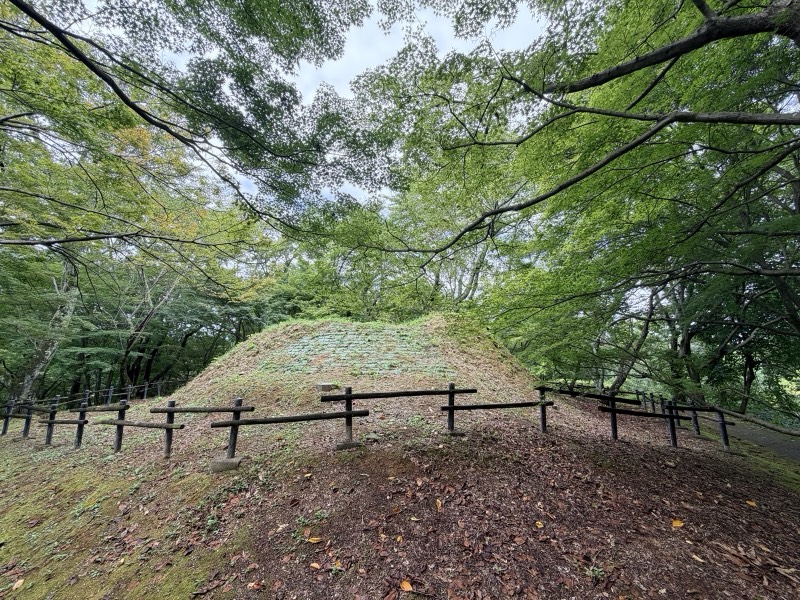
中尾山古墳
A small octagonal mound thought to be the tomb of the cremated Emperor Monmu.
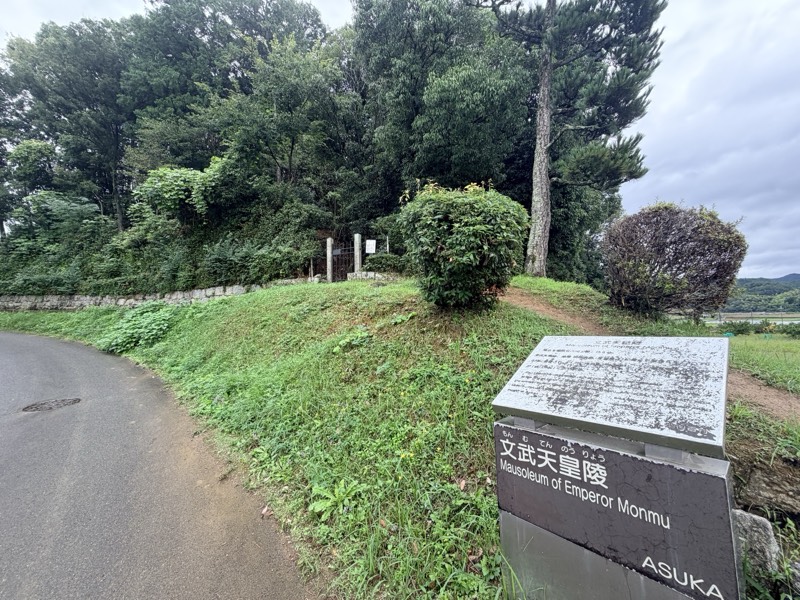
栗原塚穴古墳(文武天皇陵)
The tomb designated by the Imperial Household Agency as Emperor Monmu's, at odds with the archaeological view.
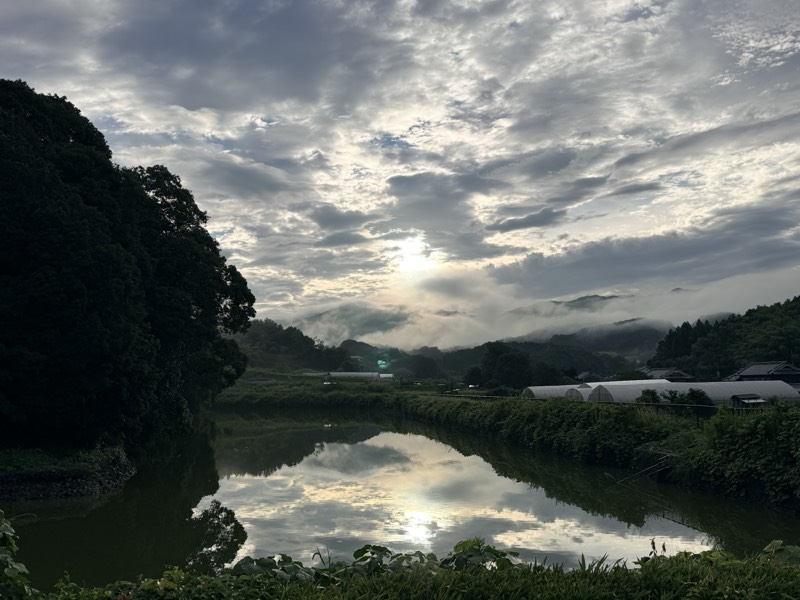
欽明天皇陵
One of the few large keyhole-shaped burial mounds in Asuka Village.
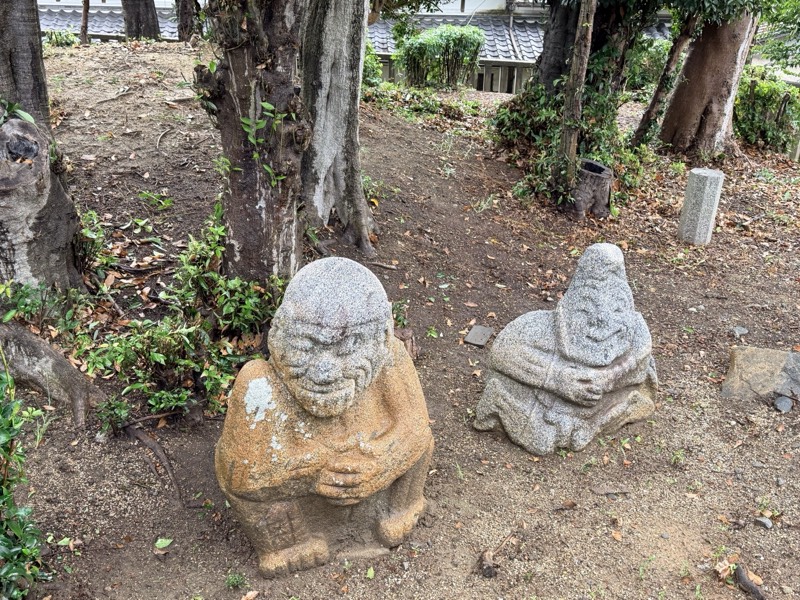
吉備姫王墓・猿石
Four stone figures known as the Saruishi stand in the tomb grounds. What they were for is still a mystery.
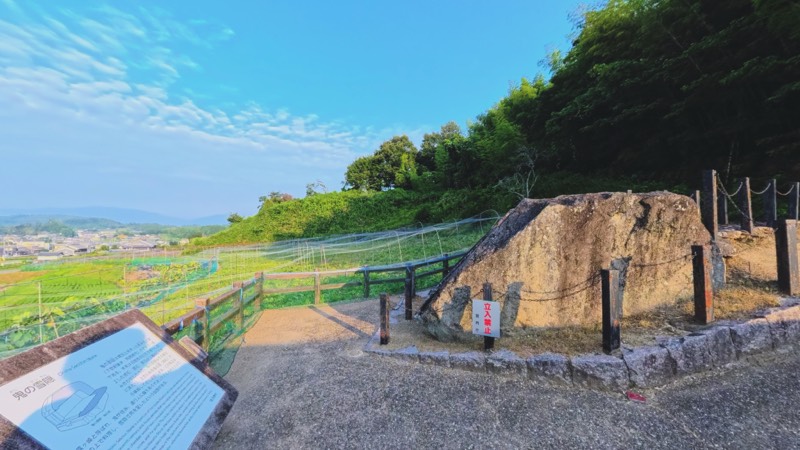
鬼の俎・鬼の雪隠
The pieces of a kofun burial chamber, split apart on either side of a slope.
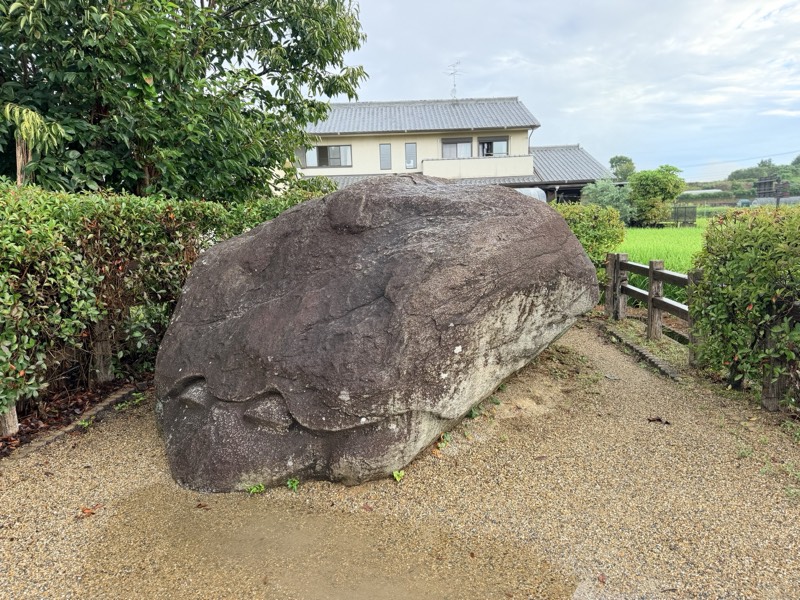
亀石
A granite boulder with a turtle's face, loved for its friendly look. One of Asuka's best-known stone monuments.
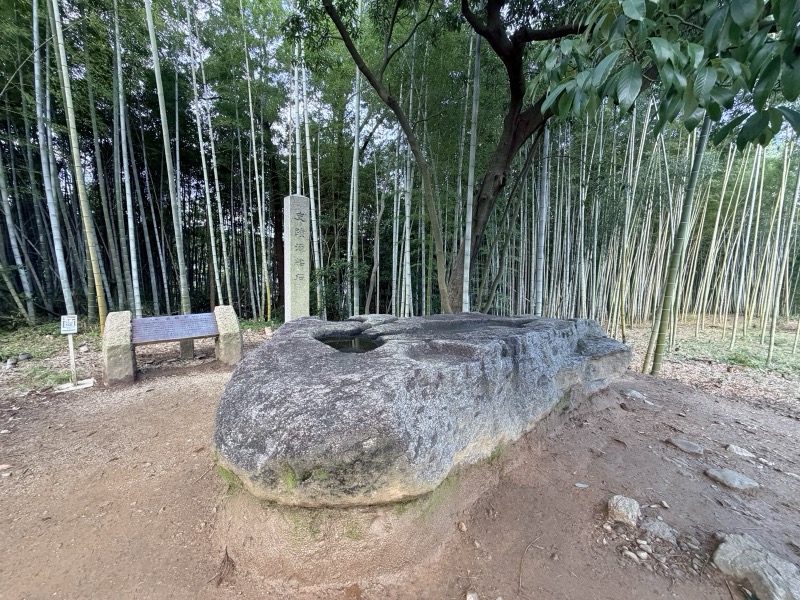
酒船石
A mysterious stone carved with circles and channels, lying in a bamboo grove on top of a hill.
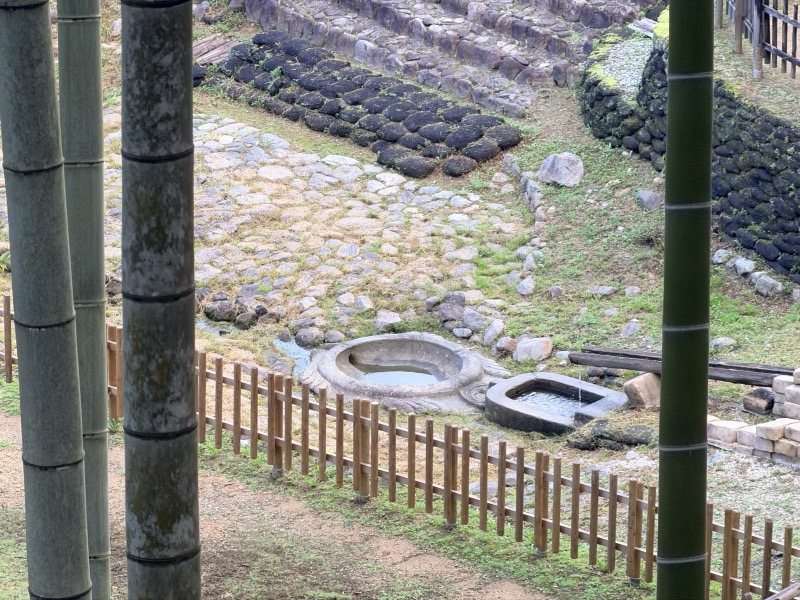
亀形石造物
A ritual site from the reign of Empress Saimei, with stonework designed to channel water.
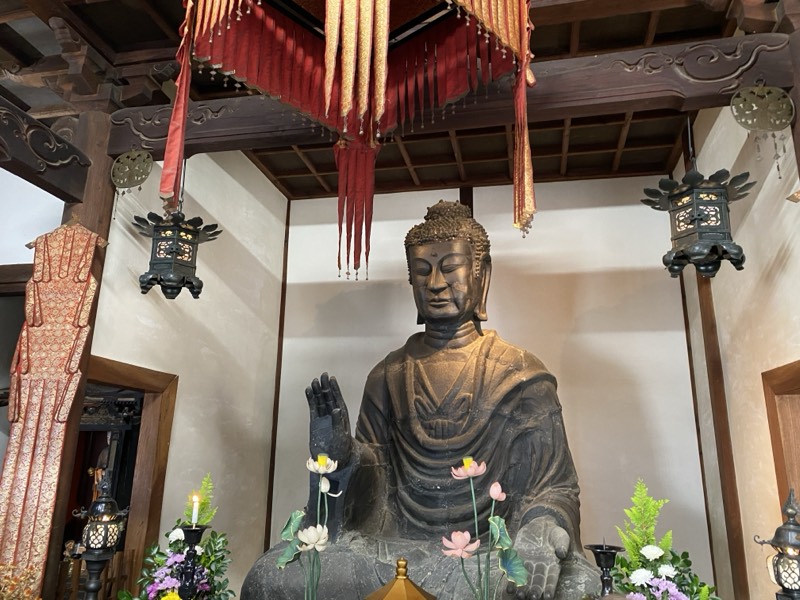
飛鳥寺・蘇我入鹿首塚
Japan's first full-scale Buddhist temple. The Great Buddha of Asuka still sits on the spot where it was made, 1,400 years ago.
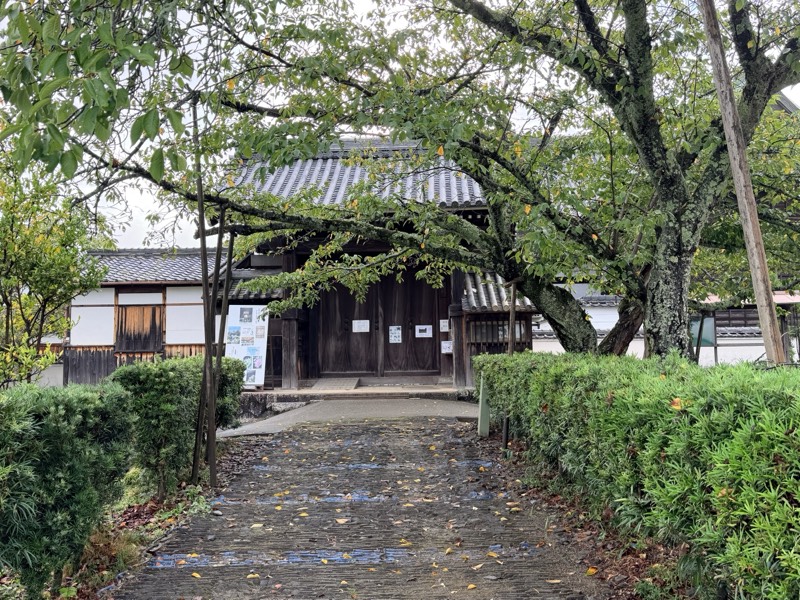
橘寺
The temple said to stand on the birthplace of Prince Shōtoku, home to the two-faced Nimenseki stone.
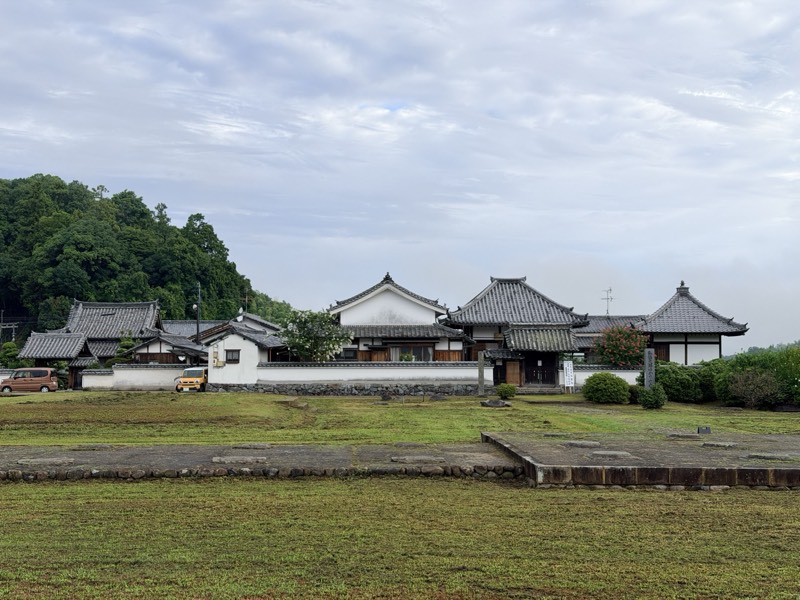
川原寺跡(弘福寺)
One of the four great temples of Asuka. Its foundation stones still show how large its halls once were.
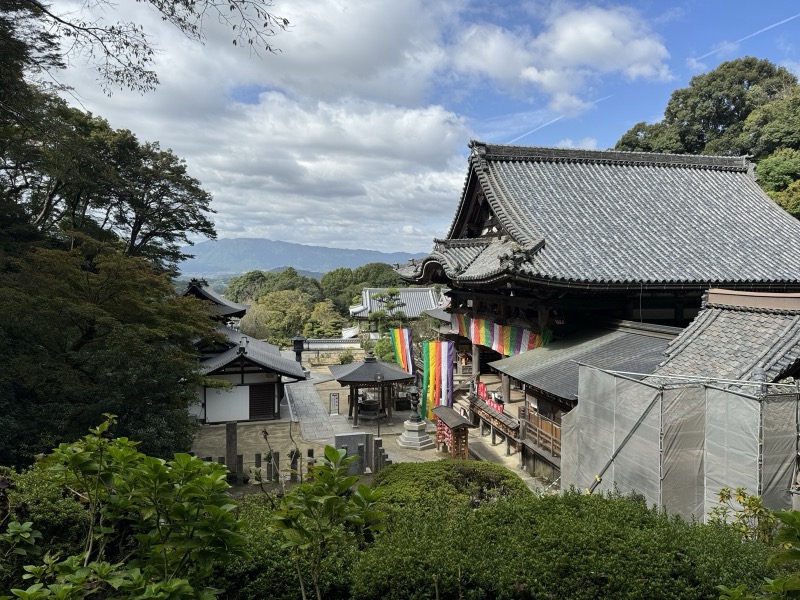
岡寺(龍蓋寺)
Japan's first temple for warding off misfortune, home to a huge clay statue of Nyoirin Kannon.
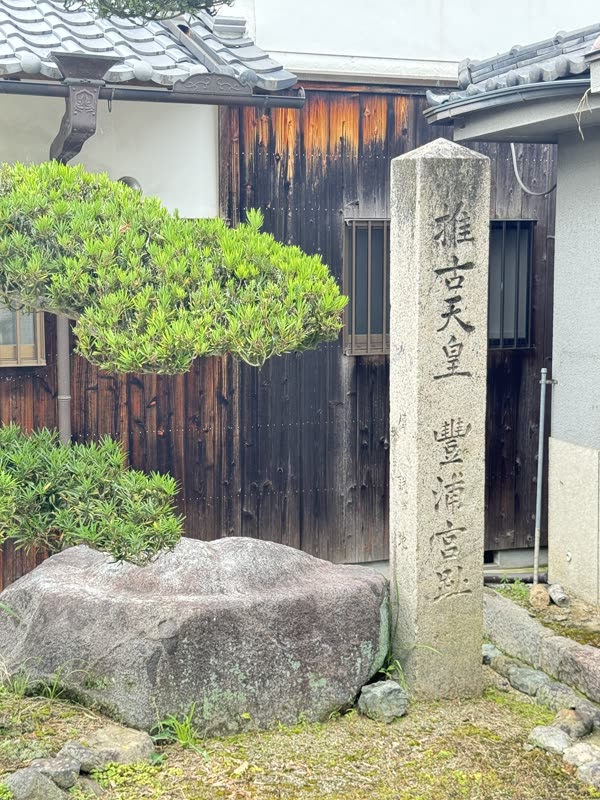
豊浦宮跡
The site of the palace where Empress Suiko took the throne, marking the beginning of the Asuka period.
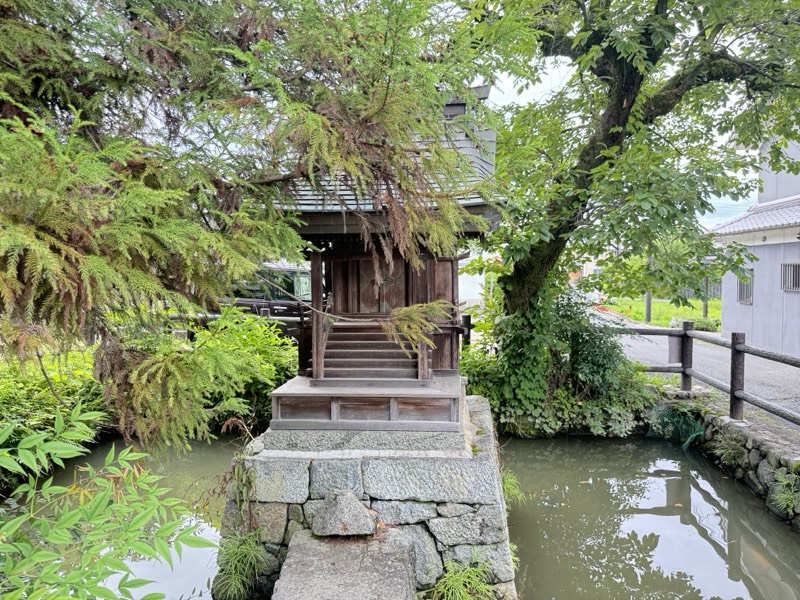
向原寺(豊浦寺跡)
A temple standing on the site of Toyura-dera, Japan's first nunnery, with the Naniwa Pond tied to the legend of Buddhism's arrival.
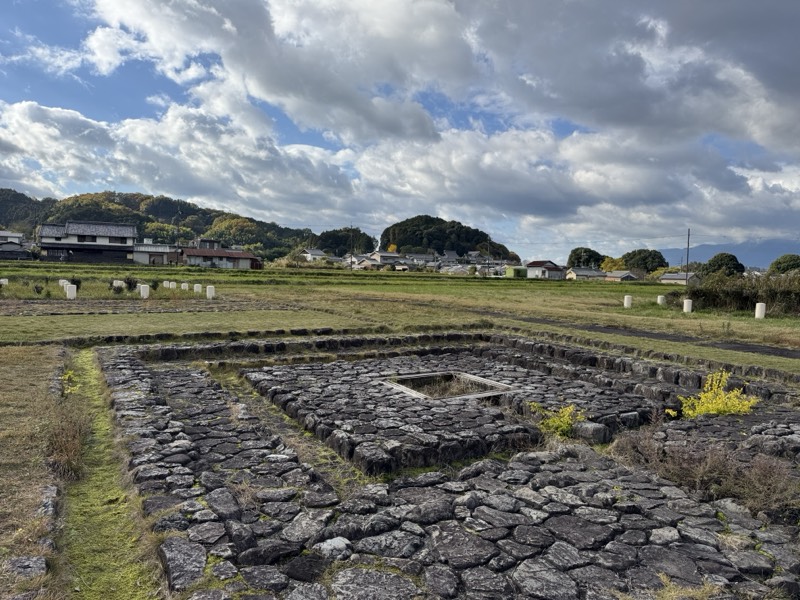
飛鳥宮跡(伝 飛鳥板蓋宮跡)
The political heart of Asuka, where several palaces were built one on top of another.
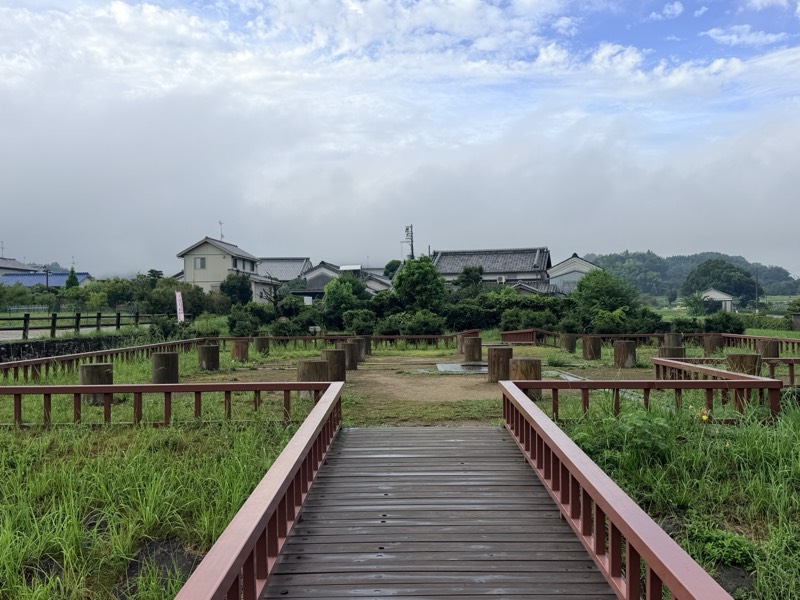
飛鳥水落遺跡
The site of Japan's first water clock, built by Prince Naka-no-Ōe.
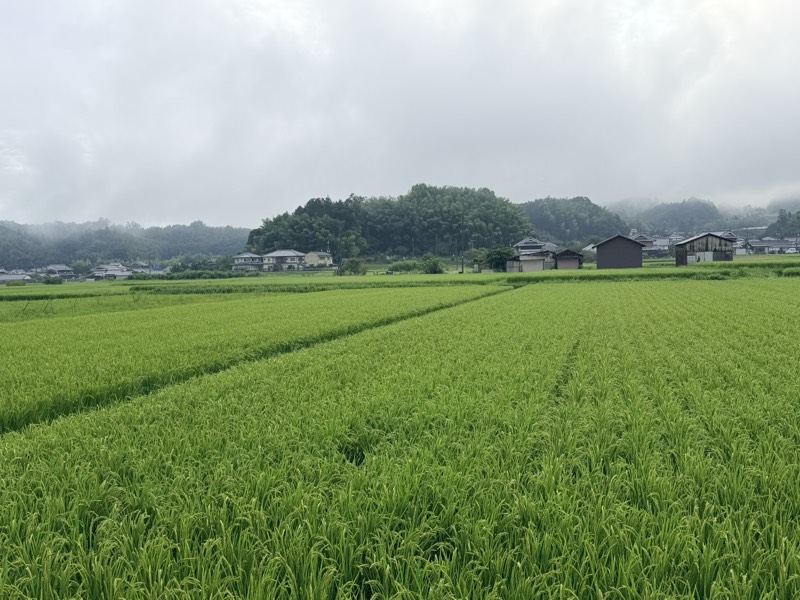
石神遺跡
Empress Saimei's banquet grounds, where the Shumisen Stone was unearthed.
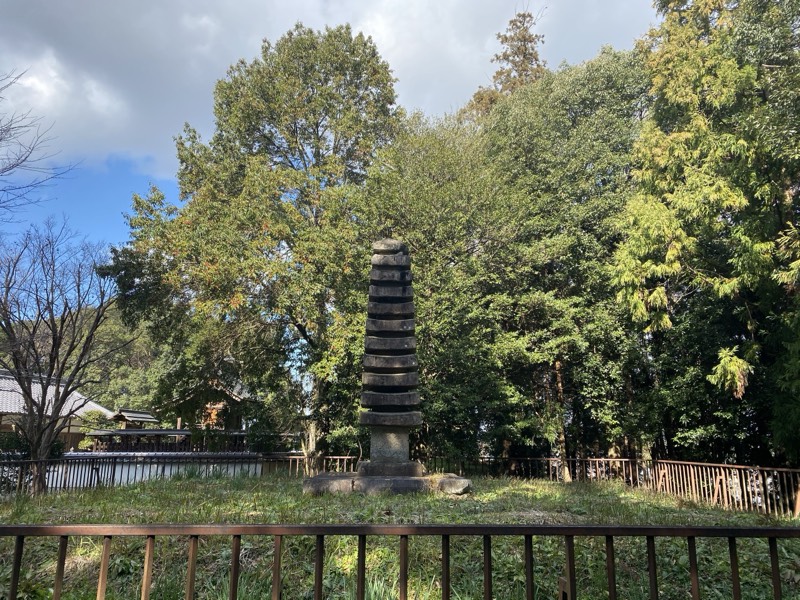
檜隈寺跡/於美阿志神社
A temple site linked to the Yamato no Aya, a clan of immigrant origin, with a thirteen-storey stone pagoda.
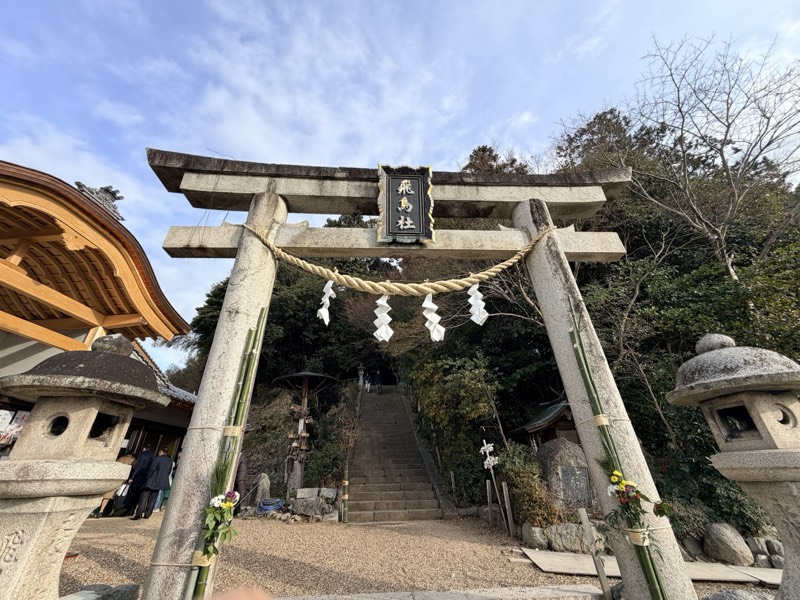
飛鳥坐神社
An ancient Asuka shrine famous for its unusual Onda Festival.
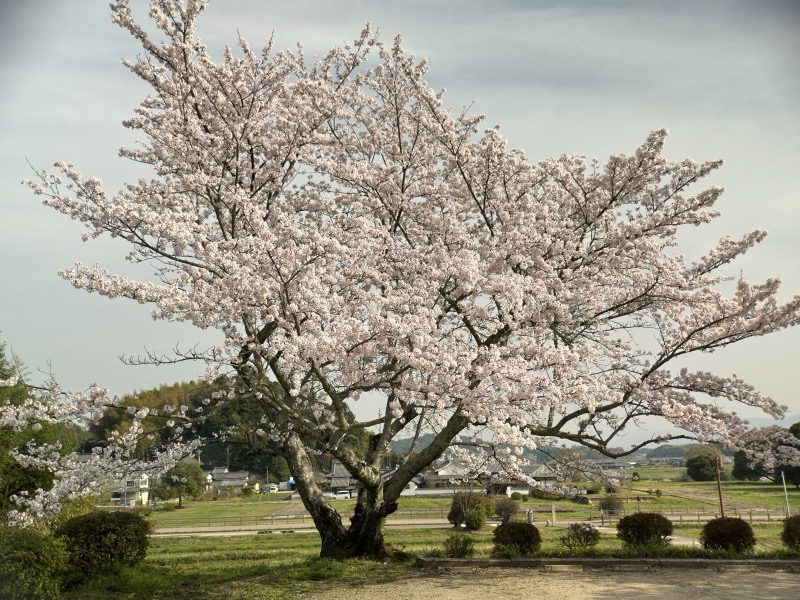
飛鳥川
The river that runs through the village, sung of in the Man'yōshū.
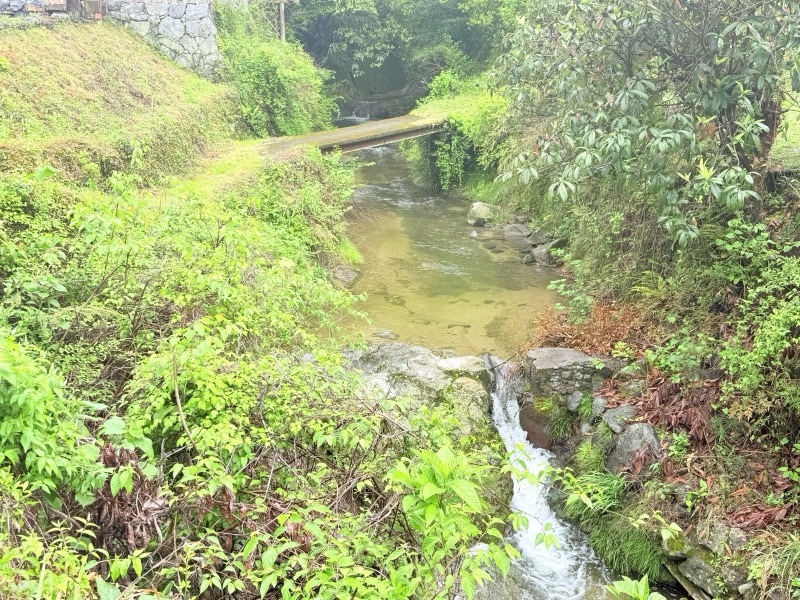
奥飛鳥
A landscape of terraced rice fields and villages, designated an Important Cultural Landscape of Japan.
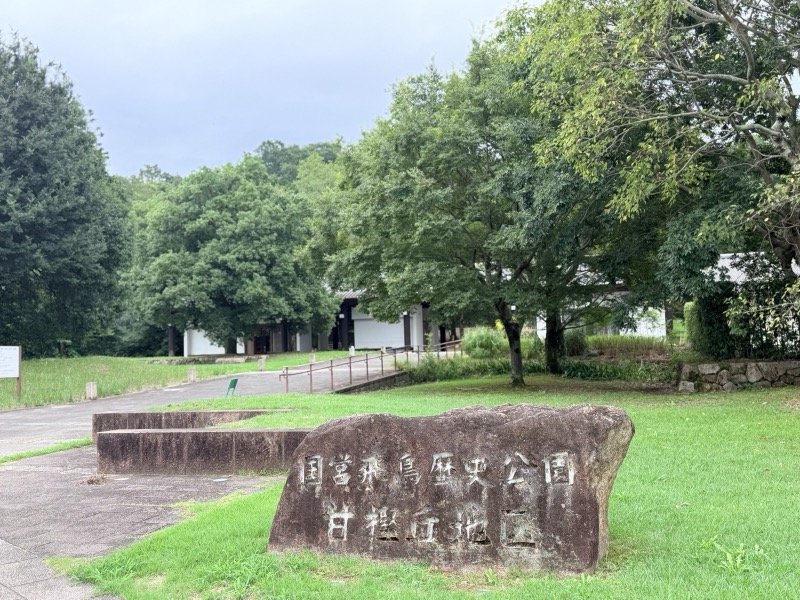
甘樫丘
A hill with views over all of Asuka, said to have been the site of the Soga clan's residences.
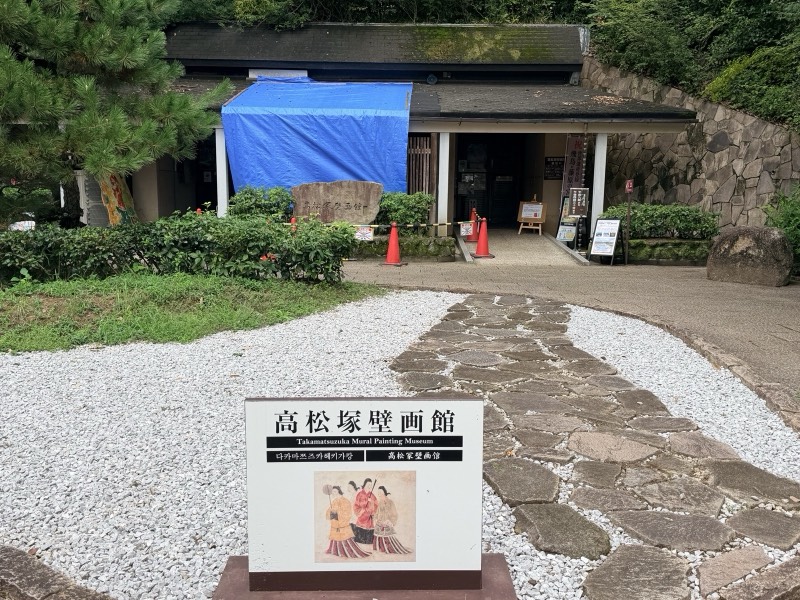
高松塚壁画館
A museum that presents the murals of Takamatsuzuka Kofun through replicas and models.
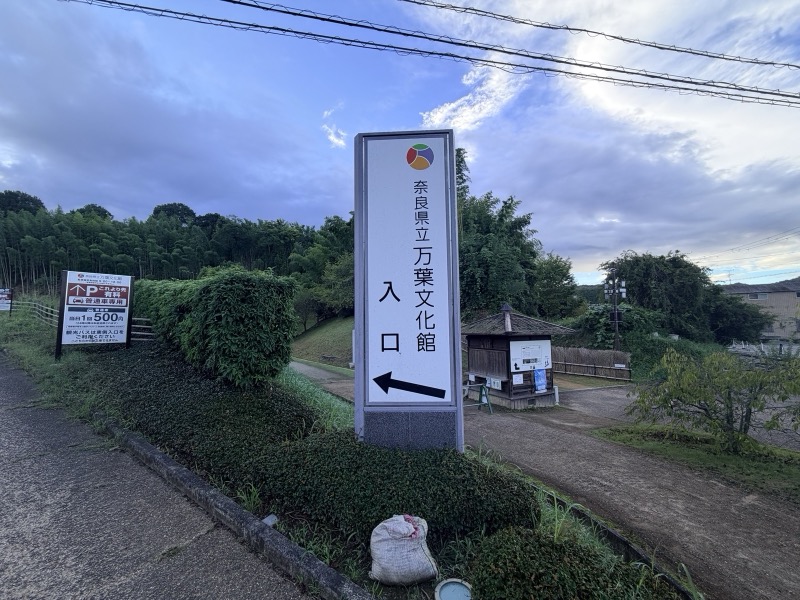
奈良県立万葉文化館
A centre for ancient culture built around the Man'yōshū.
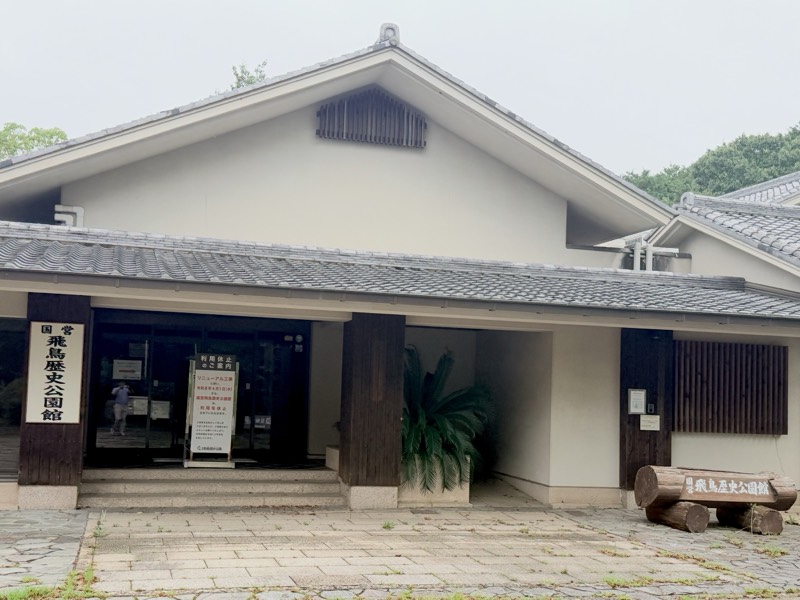
飛鳥歴史公園館
The information centre for the Asuka Historical National Government Park.
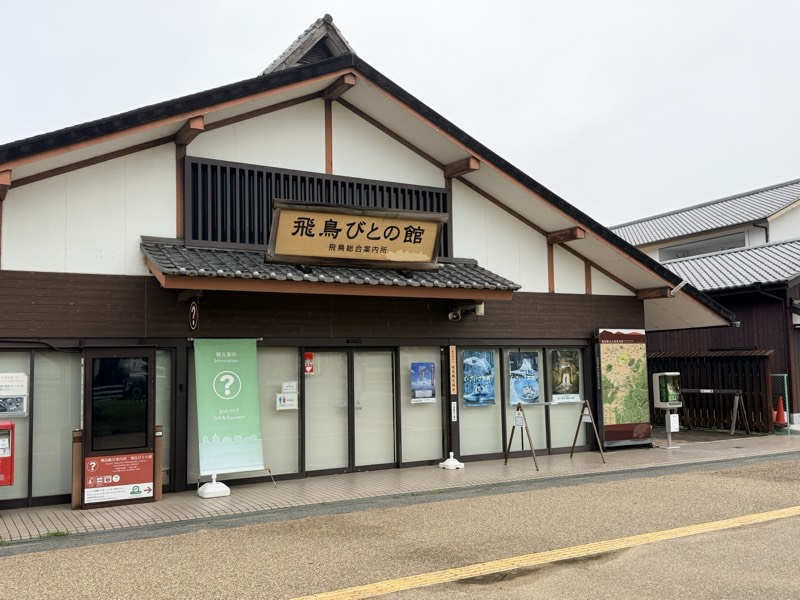
飛鳥びとの館
The tourist information centre at the Asuka roadside station. A good place to start exploring.
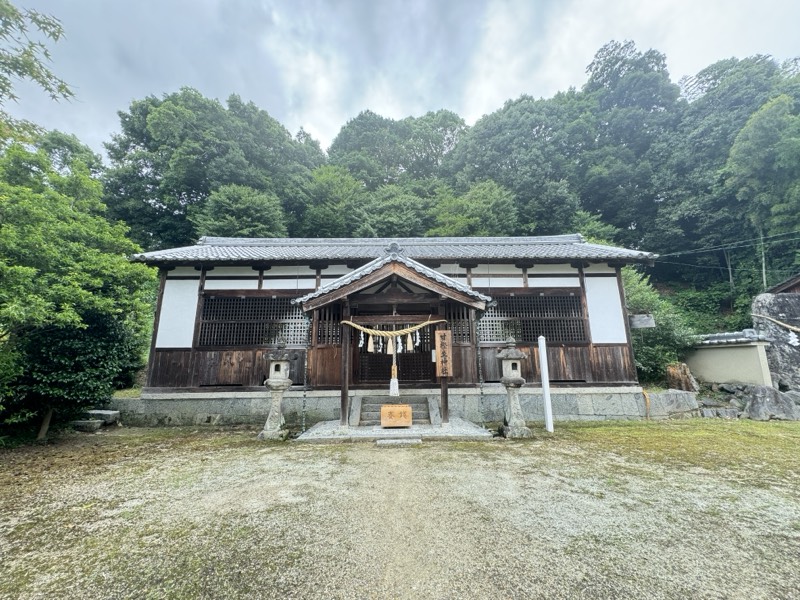
甘樫坐神社
An ancient shrine at the foot of Amakashi Hill, where the kukatachi trial-by-hot-water ritual is handed down.
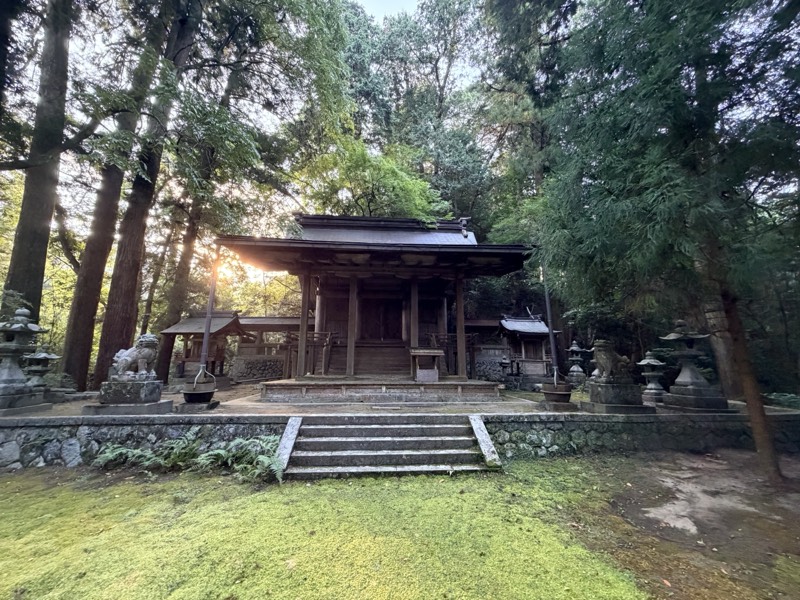
飛鳥川上坐宇須多伎比売命神社
An ancient listed shrine in a cedar grove, guarding the upper reaches of the Asuka River.
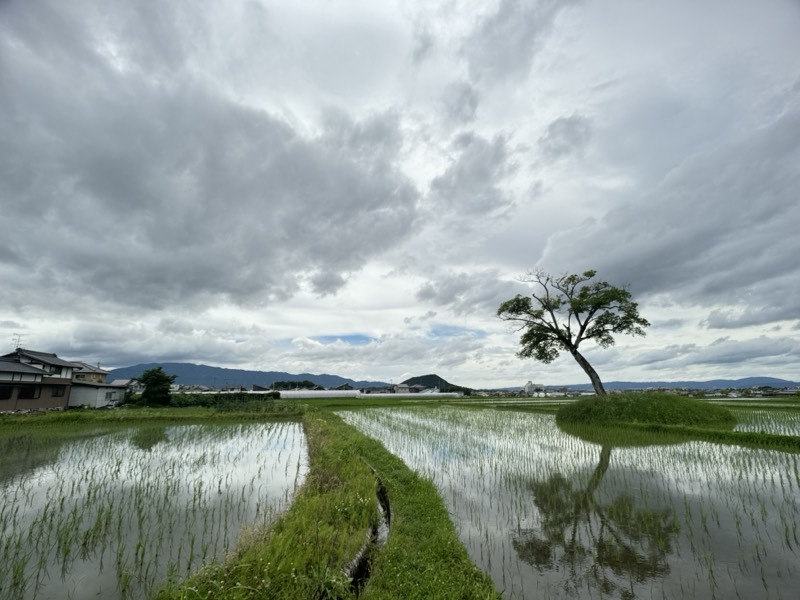
古宮遺跡
The remains of a palace or mansion, where stone-lined channels were found among rice fields.
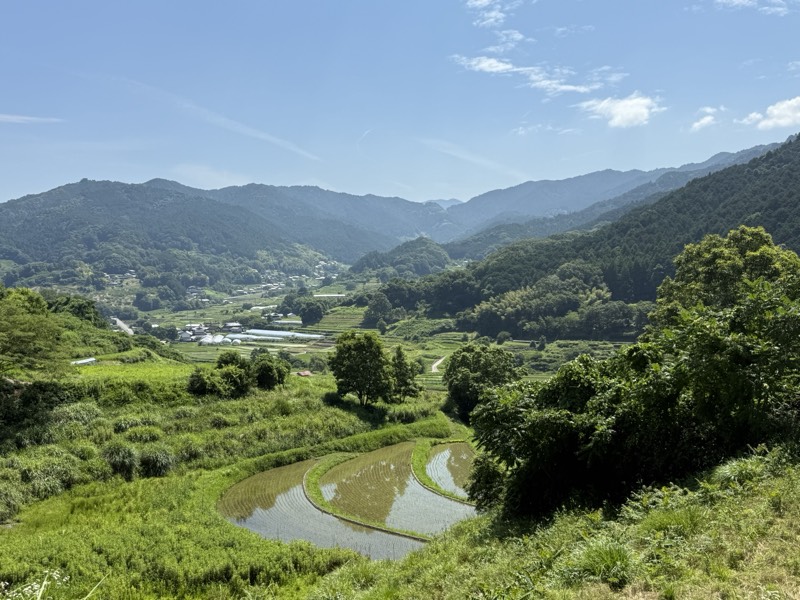
稲渕の棚田
One of Japan's 100 finest terraced rice fields. In autumn, giant scarecrows appear.
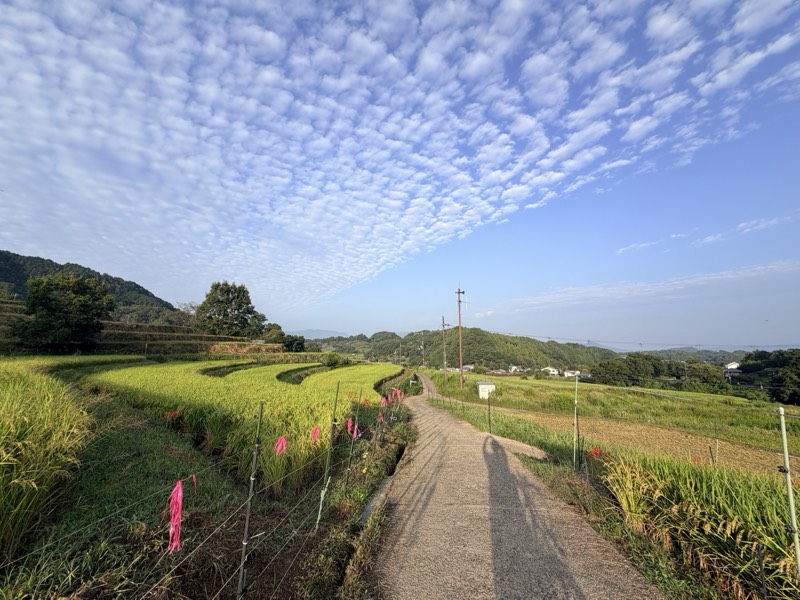
阪田の棚田
Terraced rice fields on the slopes of Sakata, right by Miyakozuka Kofun. In autumn, red spider lilies line the ridges.
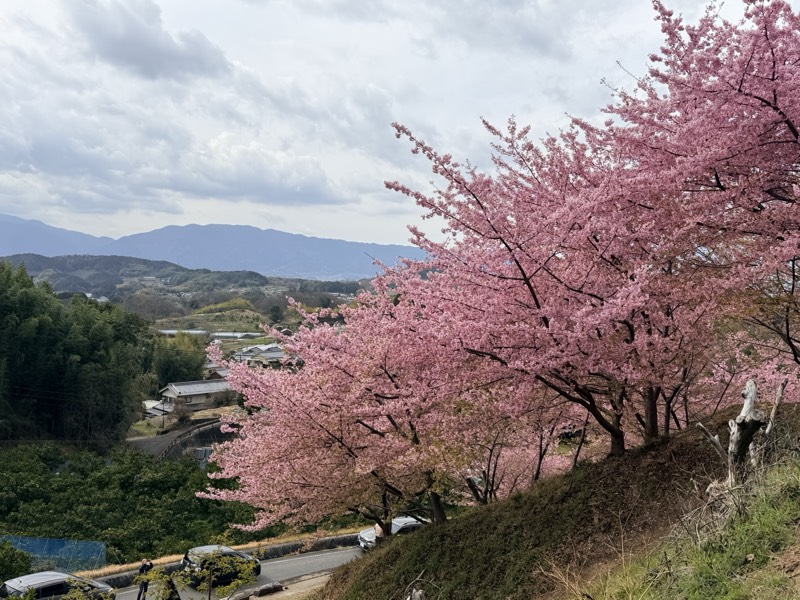
河津桜の丘
Early-blooming cherry trees that flower in late February, with views over the village and the hills.
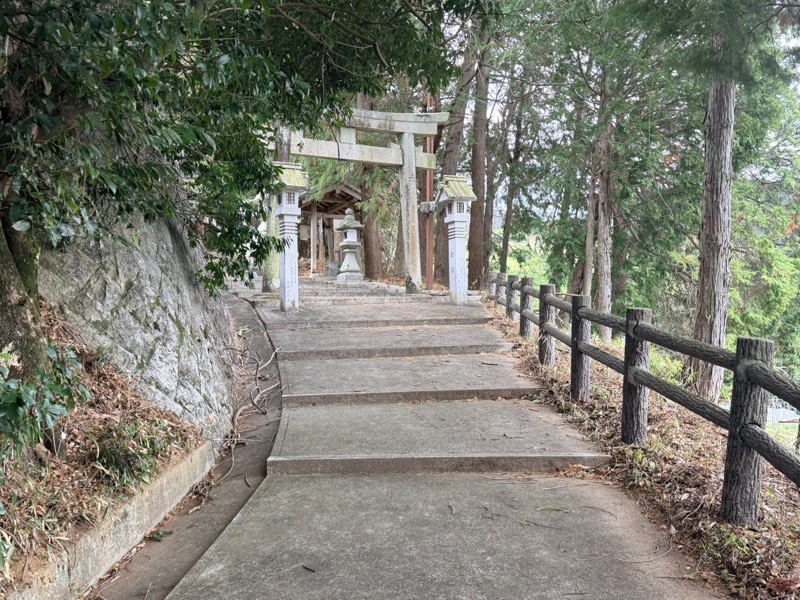
平田八坂神社
The guardian shrine of Hirata, looking down over the village and protecting it from epidemics.
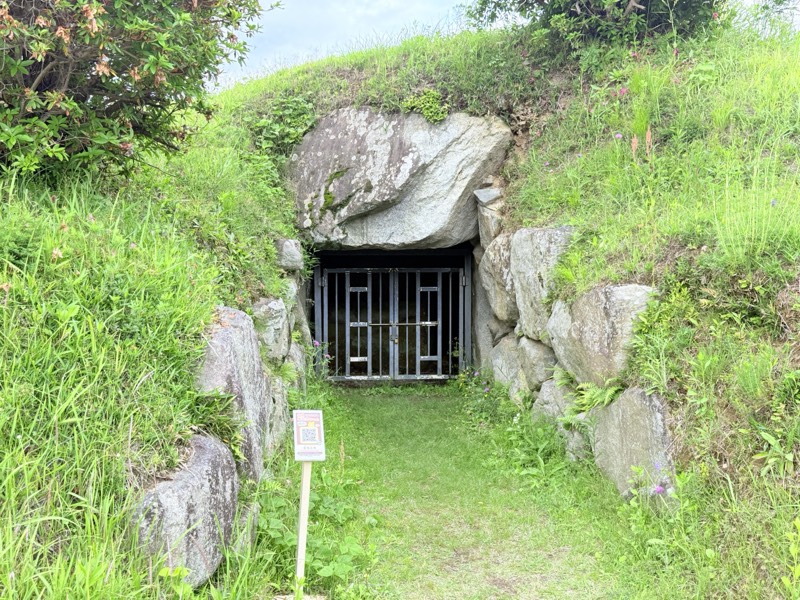
都塚古墳
A square burial mound built of stepped stone, like a step pyramid.
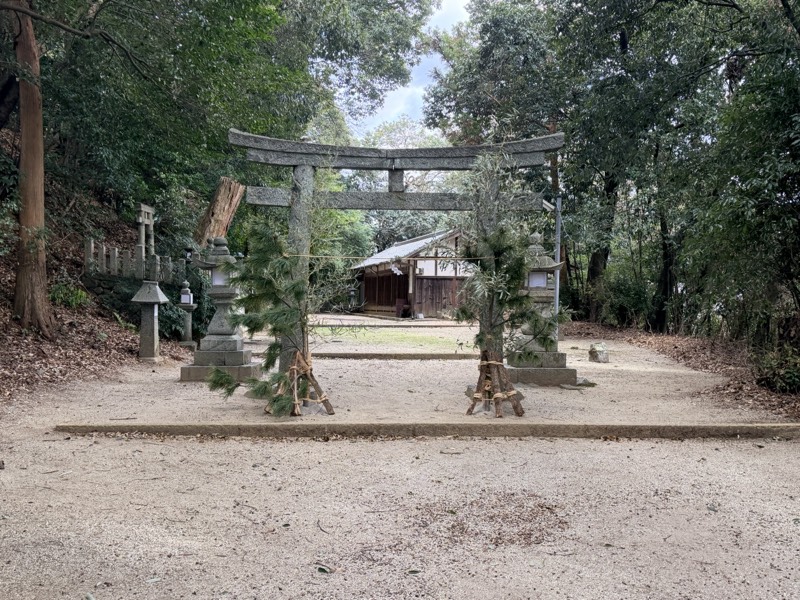
櫛玉命神社
An ancient listed shrine to four deities, in a sacred grove overlooking the village of Mayumi.
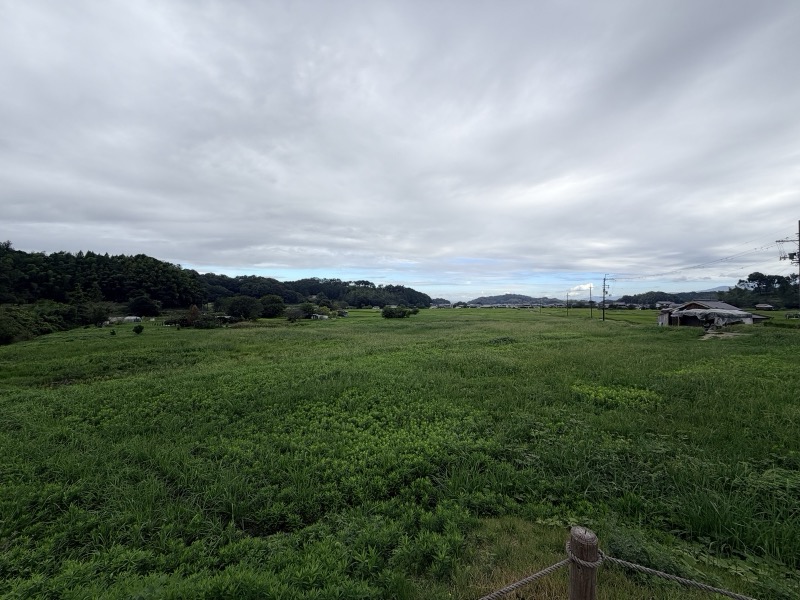
飛鳥京跡苑池
The site of a palace garden, regarded as the earliest example of a Japanese garden.
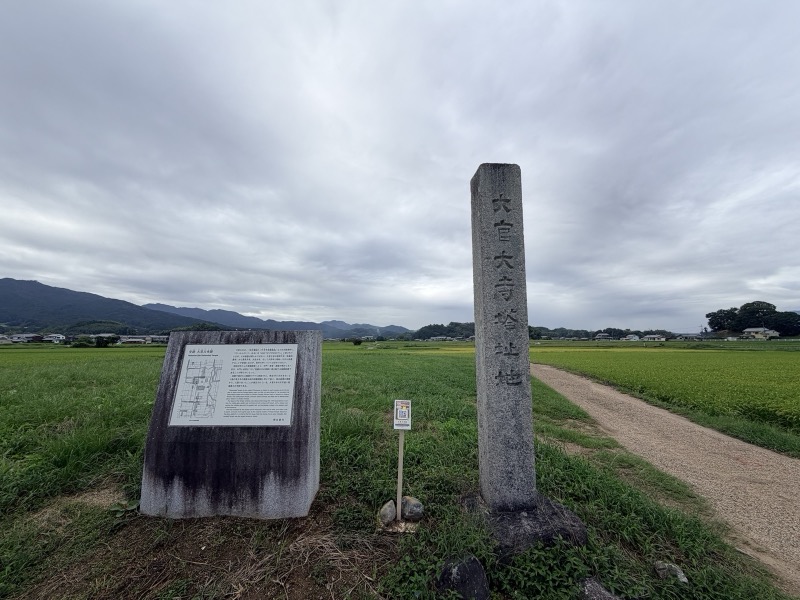
大官大寺跡
The site of the largest state temple of Asuka-Fujiwara, once crowned by a nine-storey pagoda.
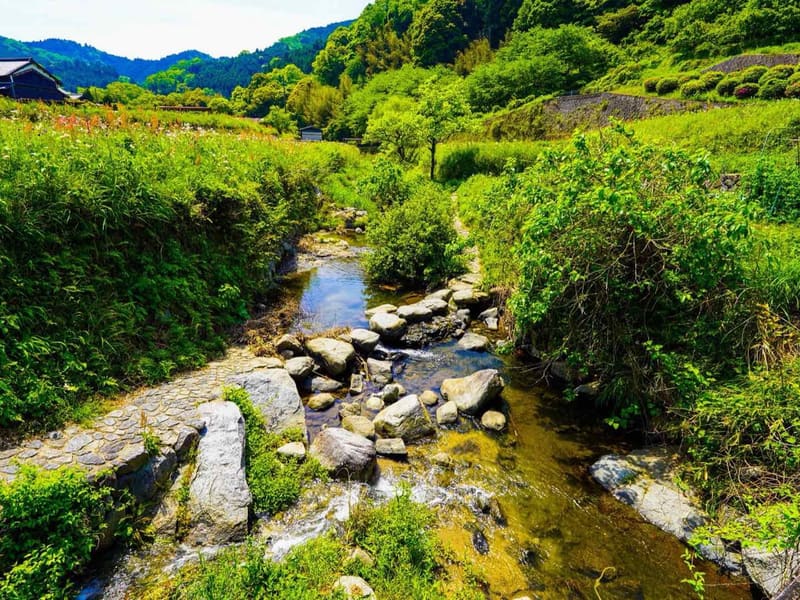
飛鳥川の飛び石
No bridge, just stones set in the riverbed to hop across. A crossing often linked with a poem from the Man'yōshū.
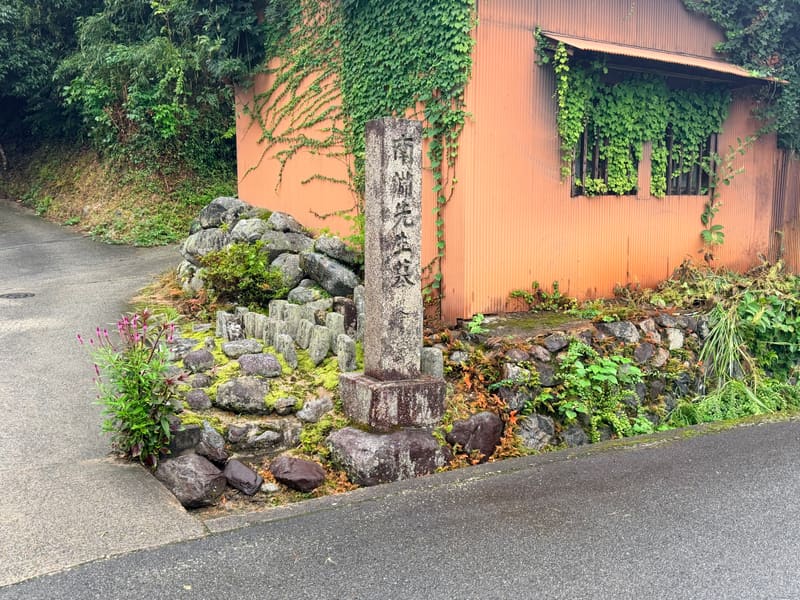
南淵請安墓
A small mound said to be the grave of a scholar who returned from Sui-dynasty China. Prince Naka no Ōe and Nakatomi no Kamatari came here to study with him.
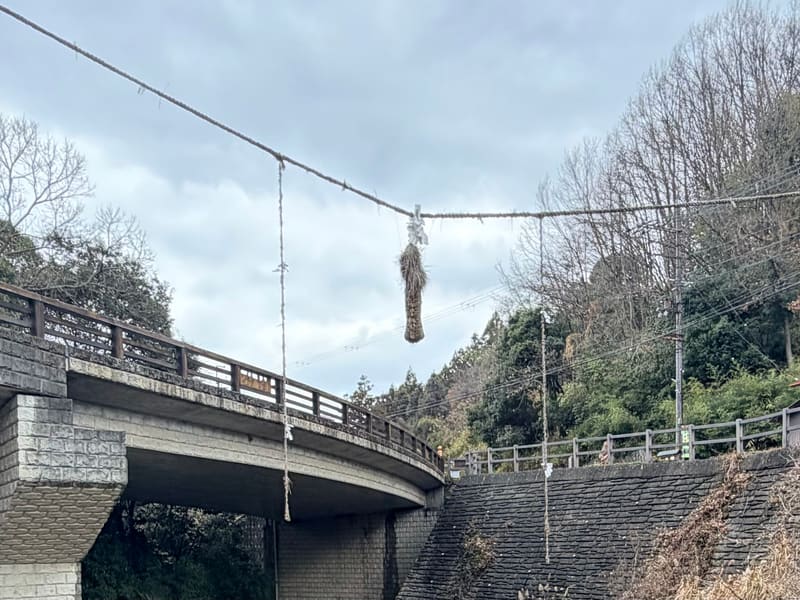
男綱
A rope of rice straw stretched across the Asuka River. It is replaced every year on Coming of Age Day.
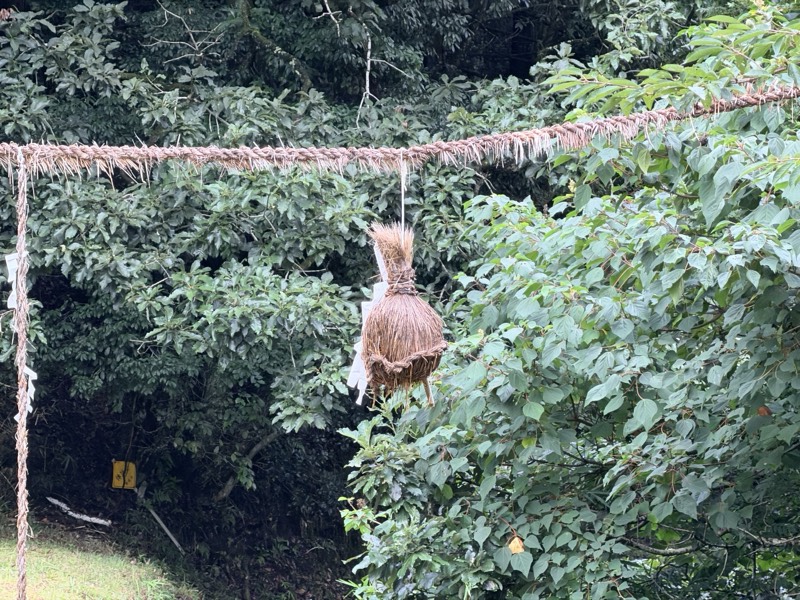
女綱
A rope of rice straw stretched across the upper Asuka River. It forms a pair with Ozuna (Male Rope) downstream.
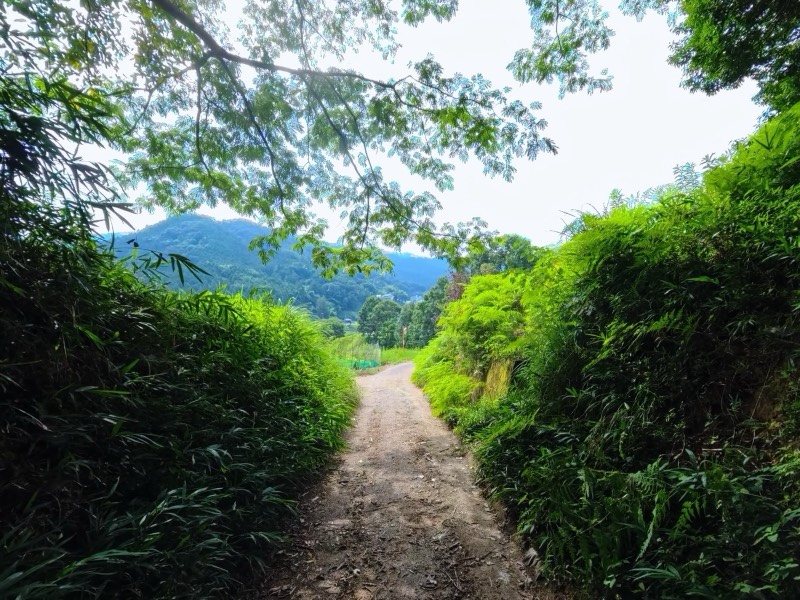
朝風峠
A pass overlooking the Inabuchi terraced rice fields, reached by a narrow path through bamboo thickets.
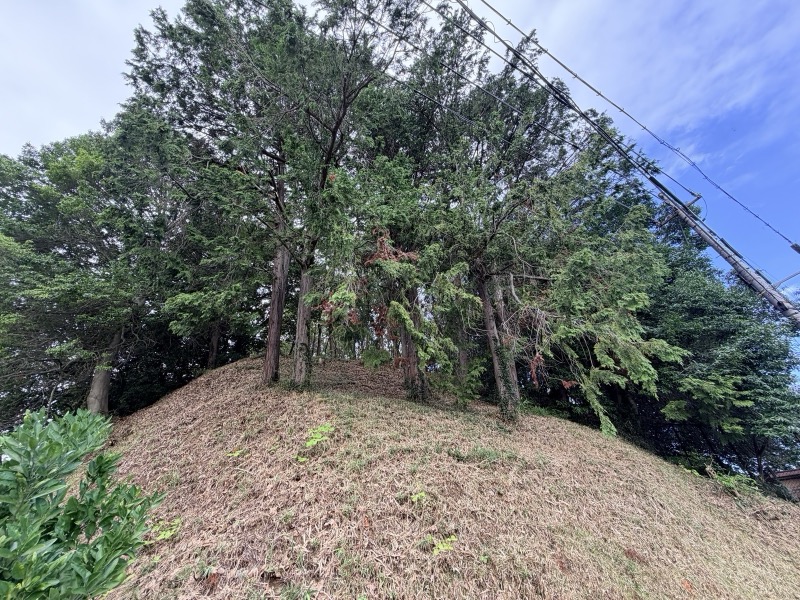
雷丘
A small hill with a story about catching thunder. The area to its east is a proposed site of the Oharida Palace.
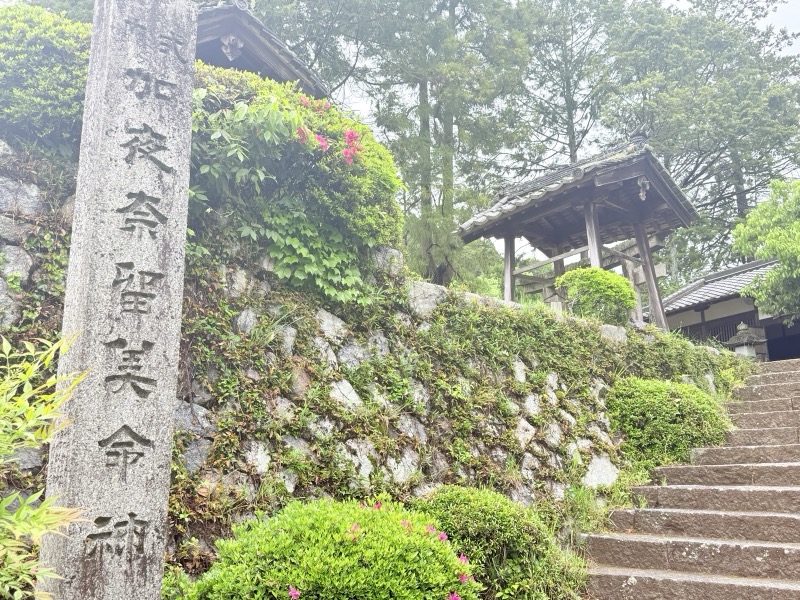
加夜奈留美命神社
An ancient shrine at the very head of the Asuka River, listed in the Engishiki, and one of the candidates for Asuka's sacred kannabi.
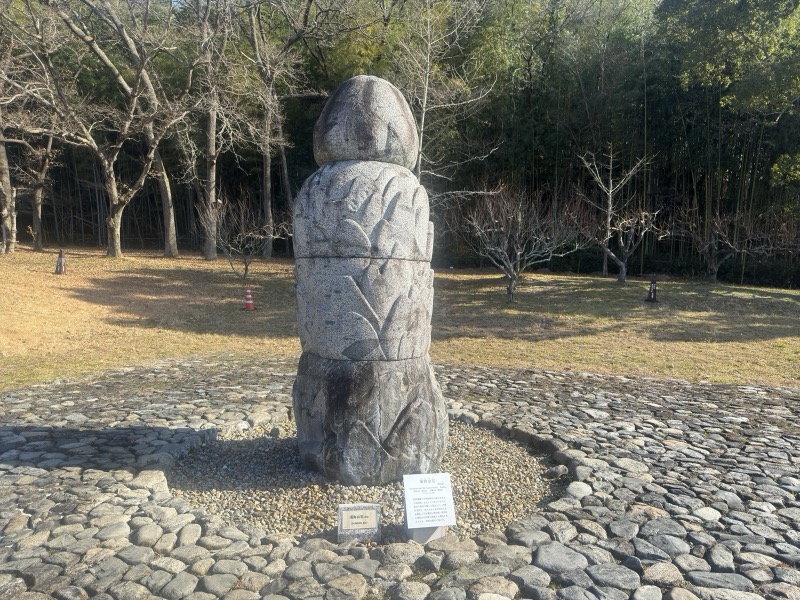
奈良文化財研究所 飛鳥資料館
The Nara National Research Institute's museum, displaying finds from Asuka and the east corridor of Yamada-dera Temple.
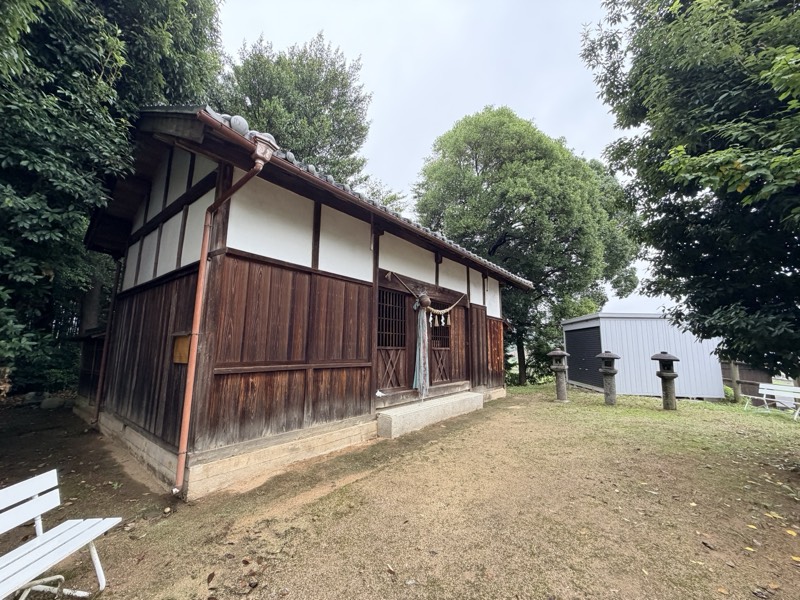
天神社(御園)
A small shrine in the hamlet of Misono, dedicated to Takamimusubi, one of the three creator deities.
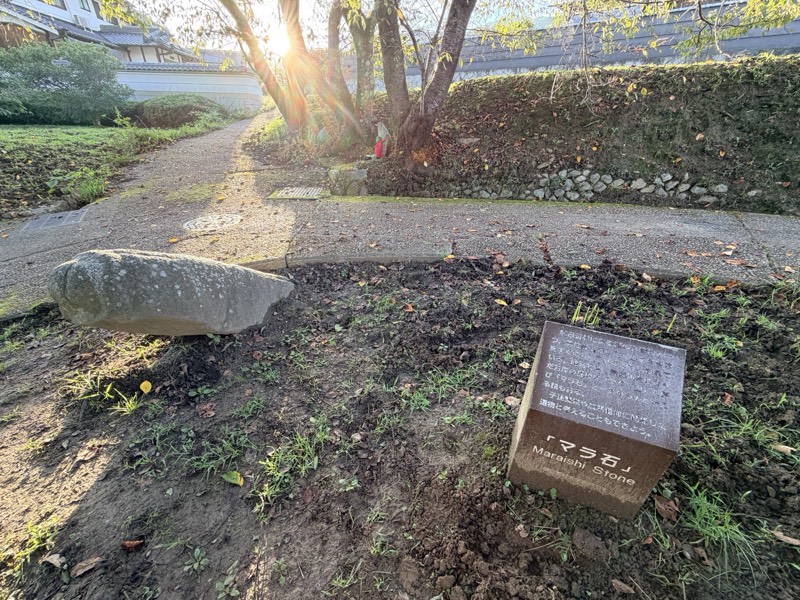
マラ石
A phallus-shaped stone lying by the roadside. One theory pairs it with "Fuguri-yama" on the opposite bank.
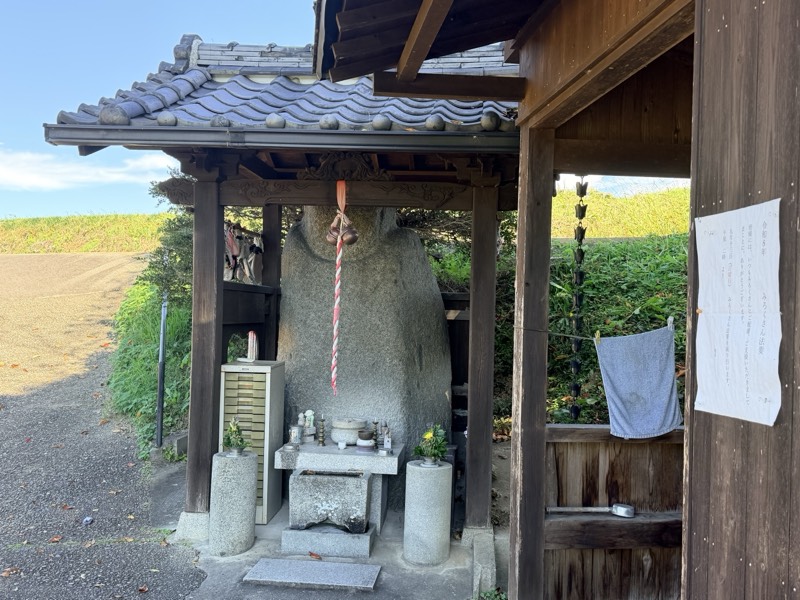
弥勒石
A pillar-like boulder on the right bank of the Asuka River. Believed to cure ailments of the lower body, it is affectionately called "Miroku-san."
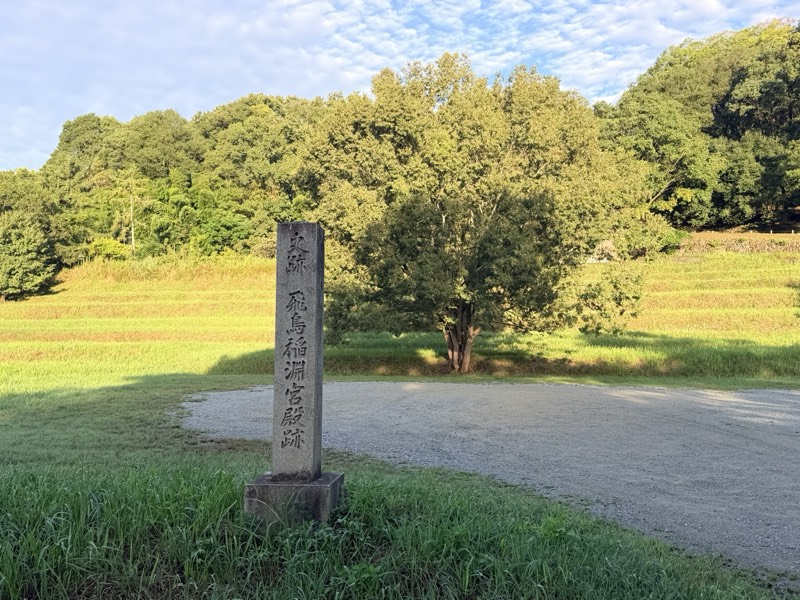
飛鳥稲淵宮殿跡
A mid-7th-century site on the left bank of the Asuka River where buildings stood in a neat formation. It is considered a candidate for a temporary palace.
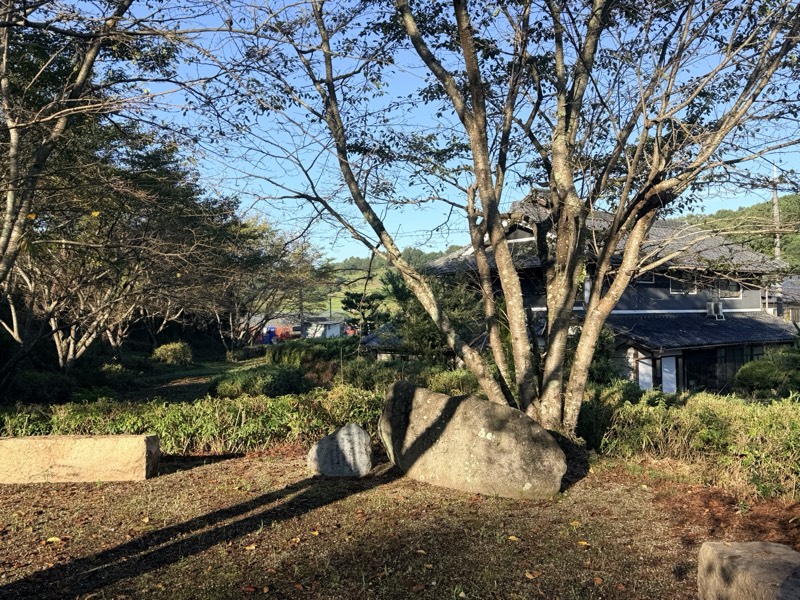
坂田寺跡
The family temple of the clan of Kuratsukuri no Tori, maker of the Asuka Daibutsu. One of Asuka's oldest temples, it was also a nunnery.
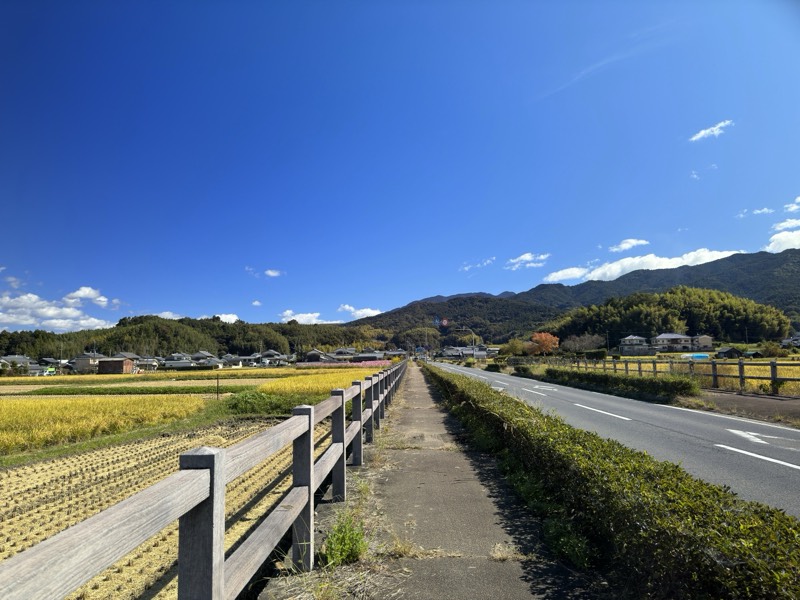
山田道
An ancient official road running east–west through Asuka. It welcomed envoys from Sui China and led to Yamada-dera Temple.
Components of the World Heritage Site "Asuka-Fujiwara", and other places worth visiting nearby
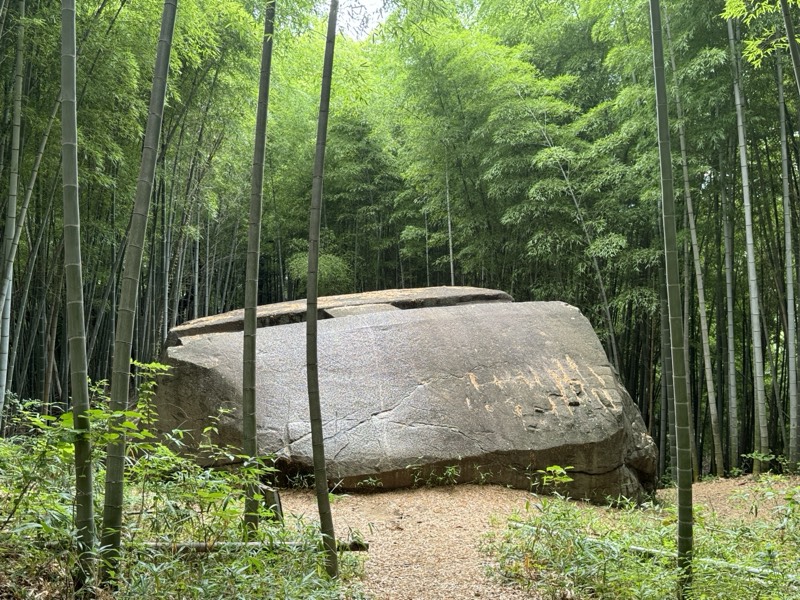
益田岩船
A giant stone lying deep in a bamboo grove. No one knows what it was made for.
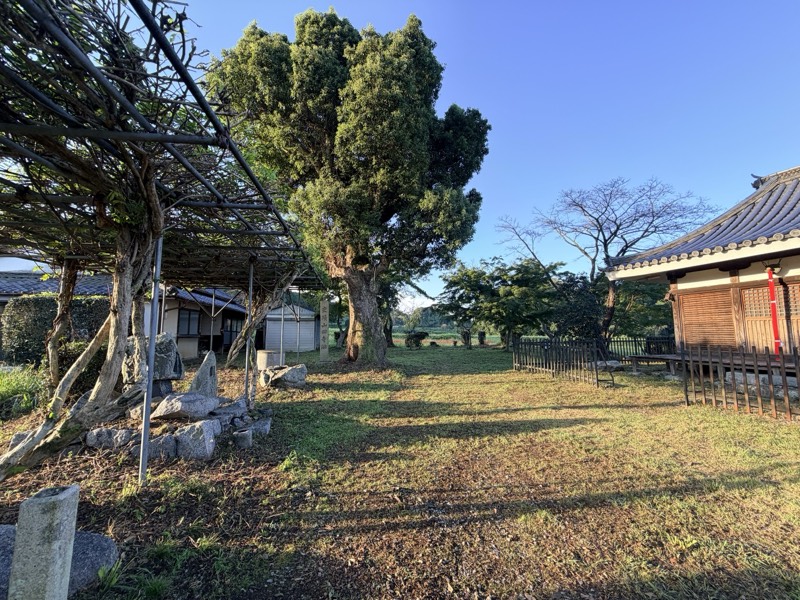
山田寺跡
A temple site where a corridor was excavated just as it had collapsed and been buried.
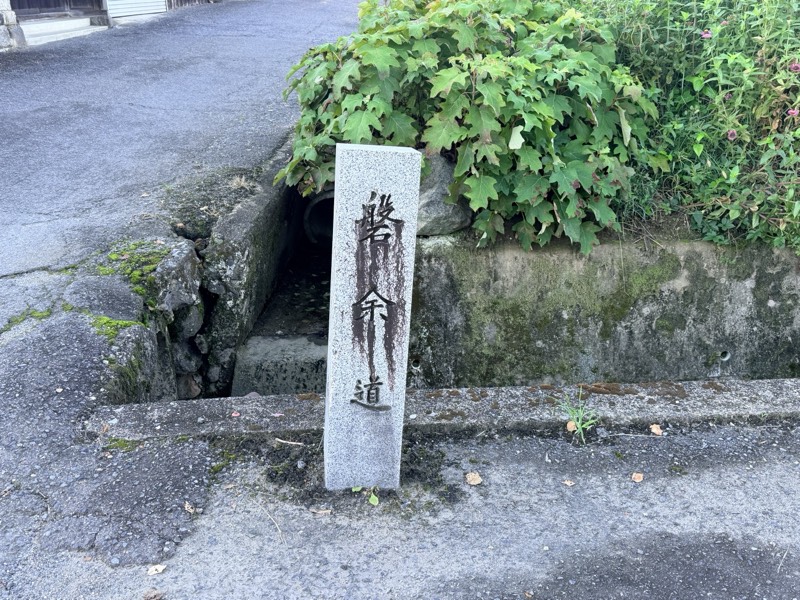
磐余道碑
A stone marker carved with the words "Iware Road," in the hand of the novelist Inoue Yasushi.
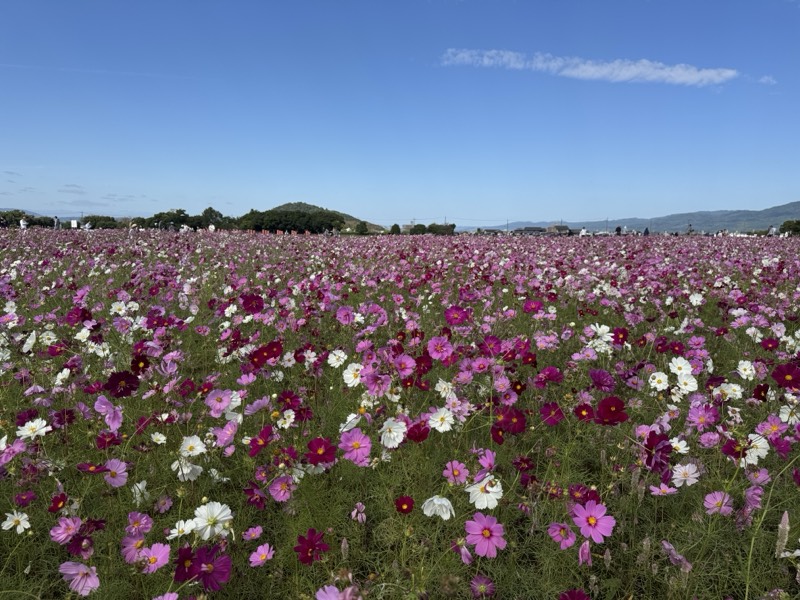
藤原宮跡
The heart of Japan's first full-scale planned capital, also known for its seasonal flower fields.
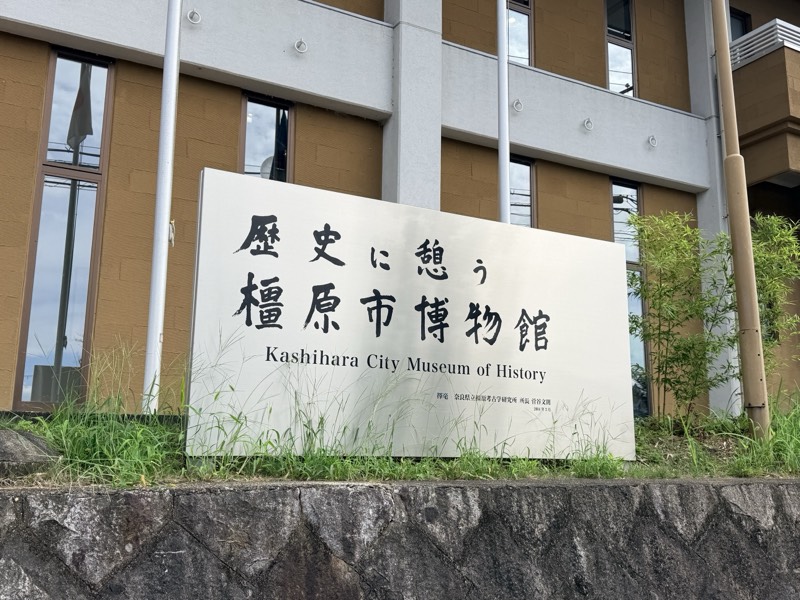
歴史に憩う橿原市博物館
A hands-on history museum right next to the Niizawa Senzuka kofun cluster.
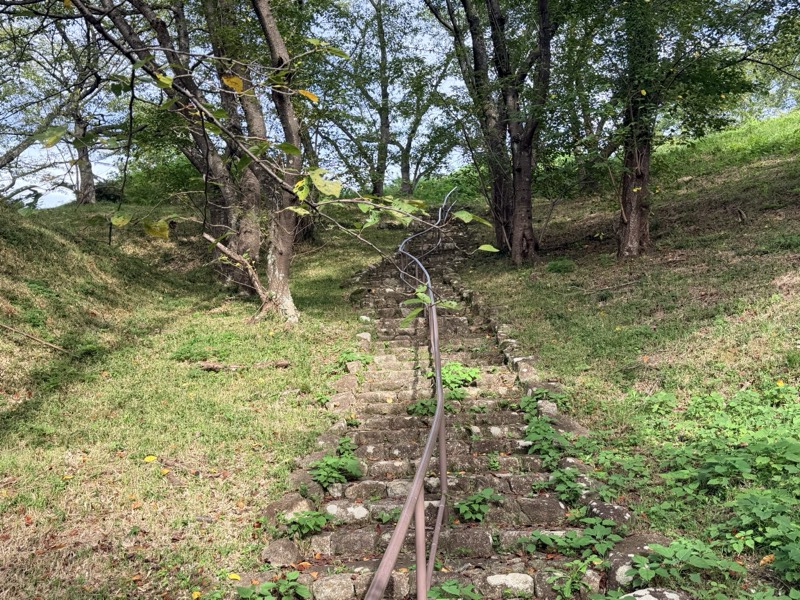
新沢千塚古墳群
About 600 burial mounds spread over low hills: one of Japan's most important kofun clusters.
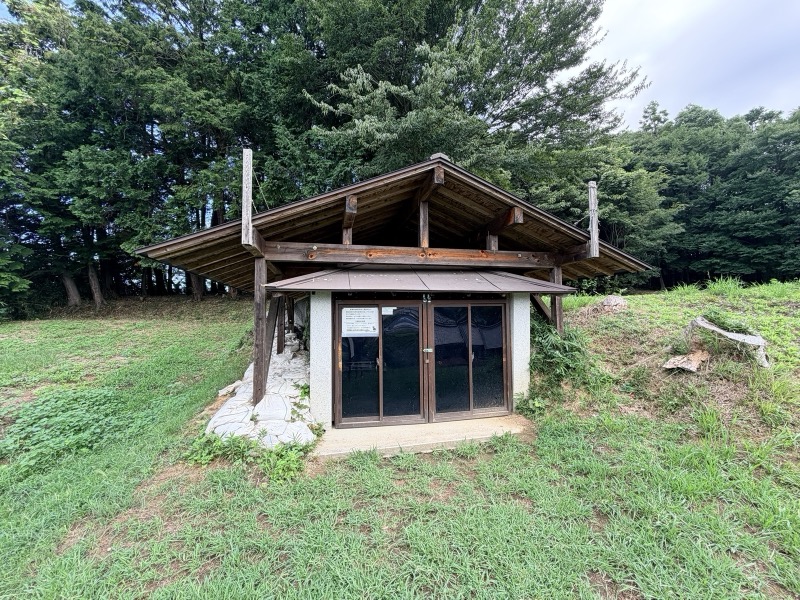
菖蒲池古墳
A square mound about 30 m on each side, with two house-shaped sarcophagi side by side. The stone chamber is inside a protective shelter.
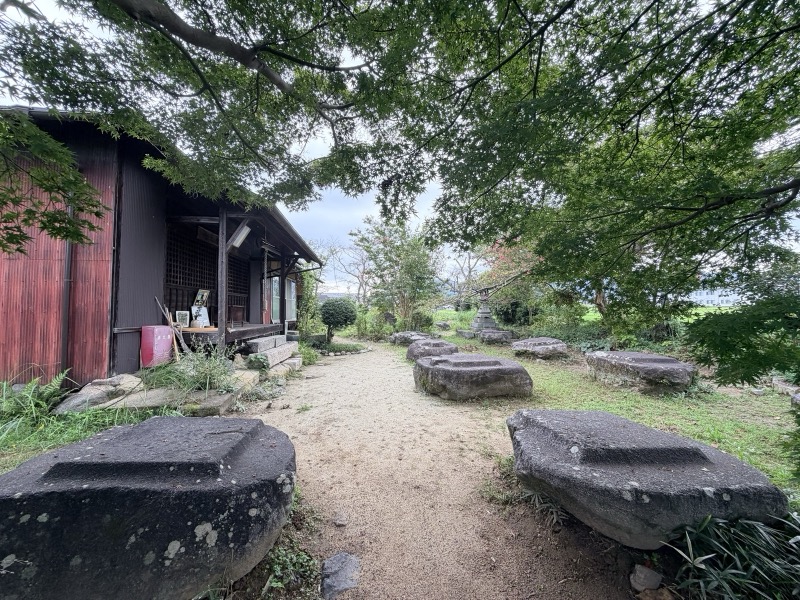
本薬師寺跡
The site of a state temple with twin pagodas, where foundation stones remain in their original positions.
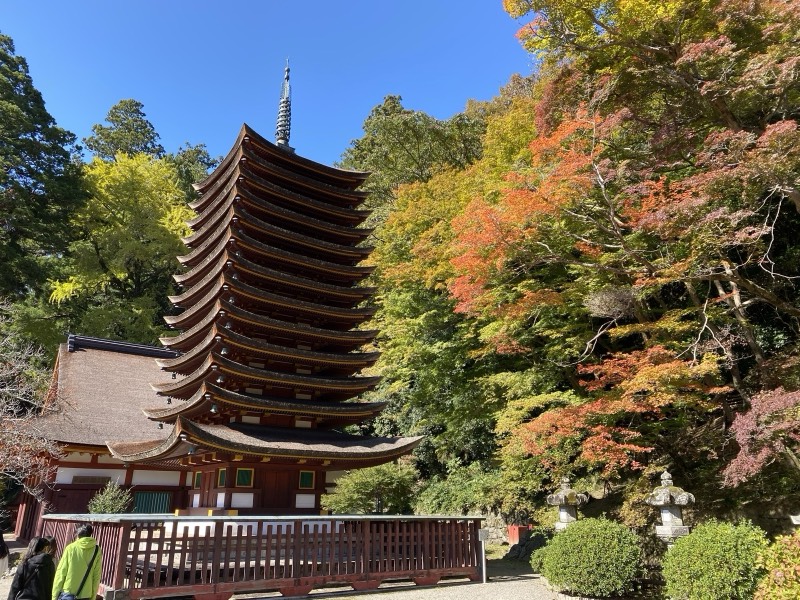
談山神社
A mountain shrine said to be where the plot behind the Taika Reforms was hatched. Its wooden thirteen-storey pagoda is the only one in the world.
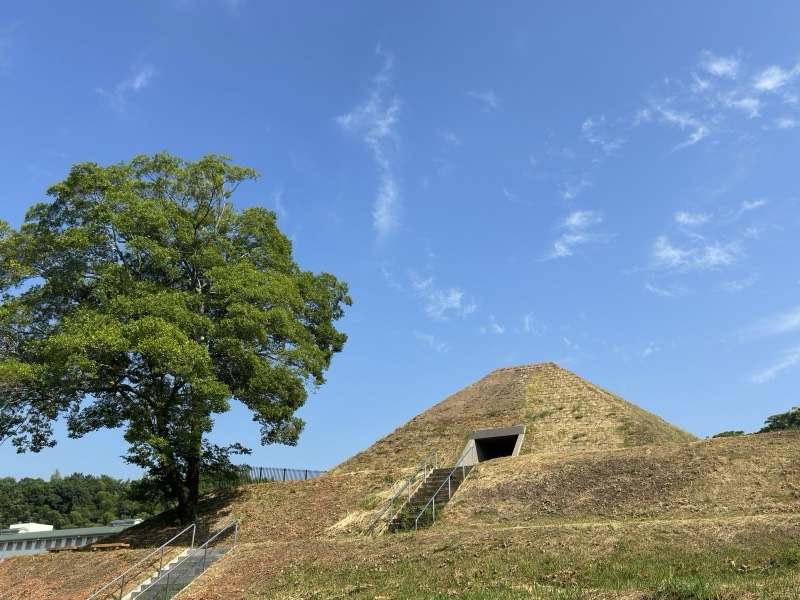
与楽カンジョ古墳
A stone chamber with a ceiling so high you have to crane your neck, and a floor paved entirely with river stones.
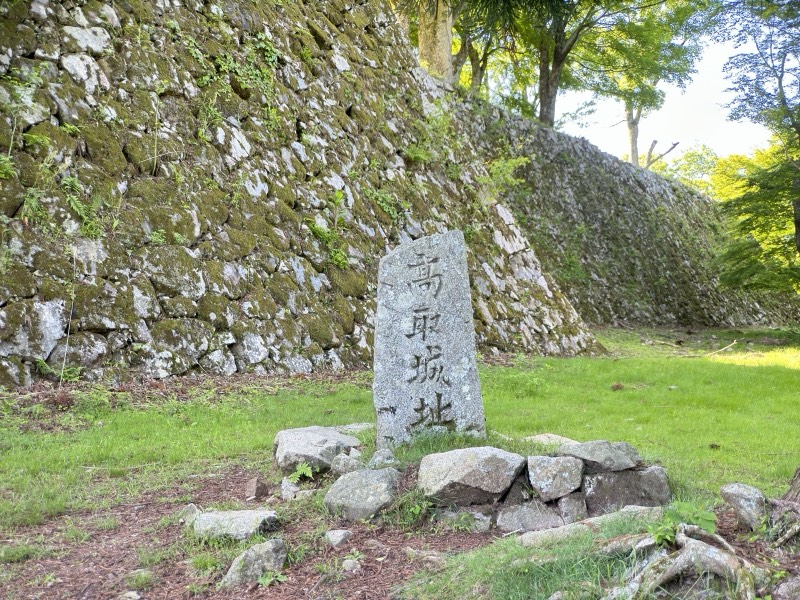
高取城跡
Stone walls surviving on a mountaintop 583 m above sea level. One of Japan's three great mountain castles.
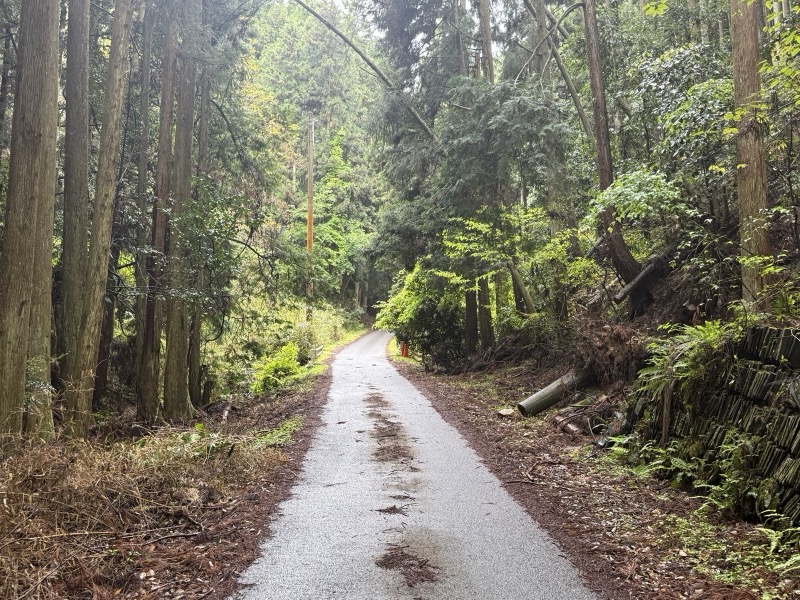
芋峠
A pass on the old road linking Asuka and Yoshino. Prince Ōama is said to have crossed it.
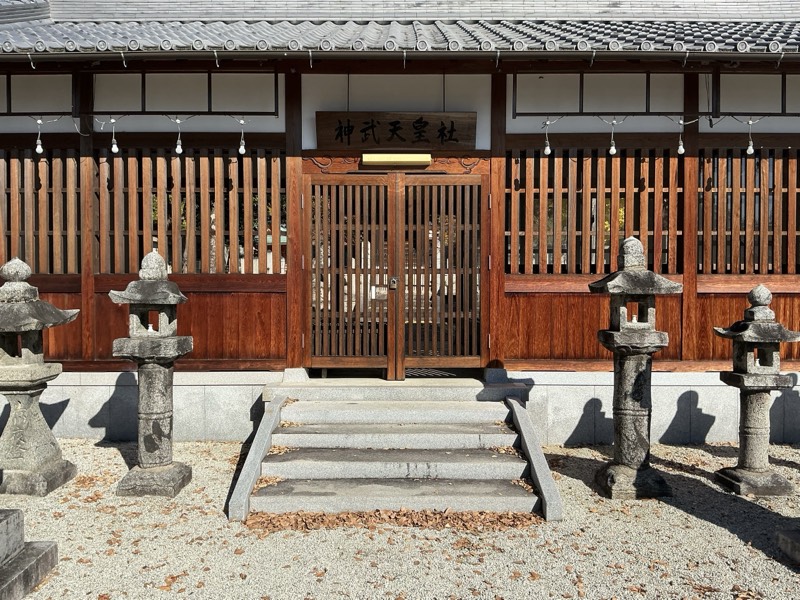
神武天皇社
A shrine dedicated to Emperor Jinmu, where a tradition says he was enthroned.
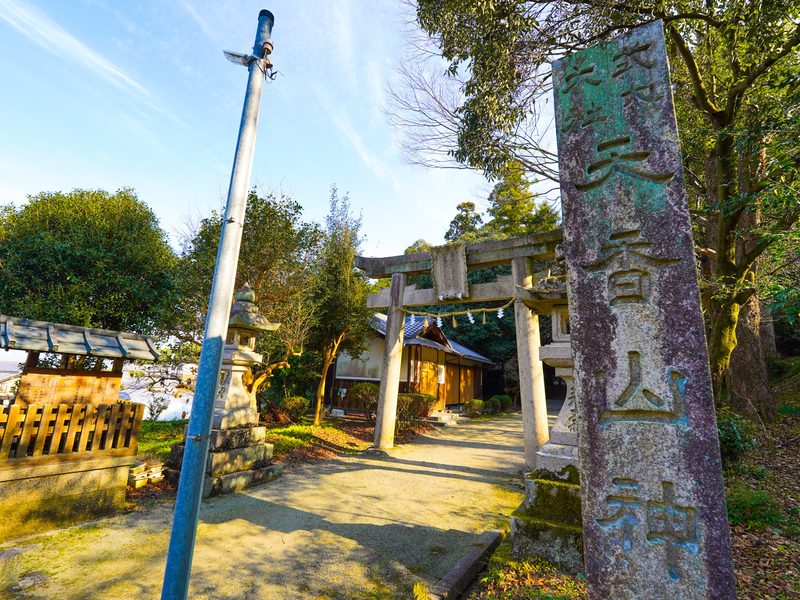
天香山神社
An ancient shrine at the northern foot of Mount Kagu, one of the Three Mountains of Yamato. It honours a god of divination, and brings you close to the mountain of Empress Jitō's poem of white robes drying.