1 / 3
阪田の棚田(さかたのたなだ)
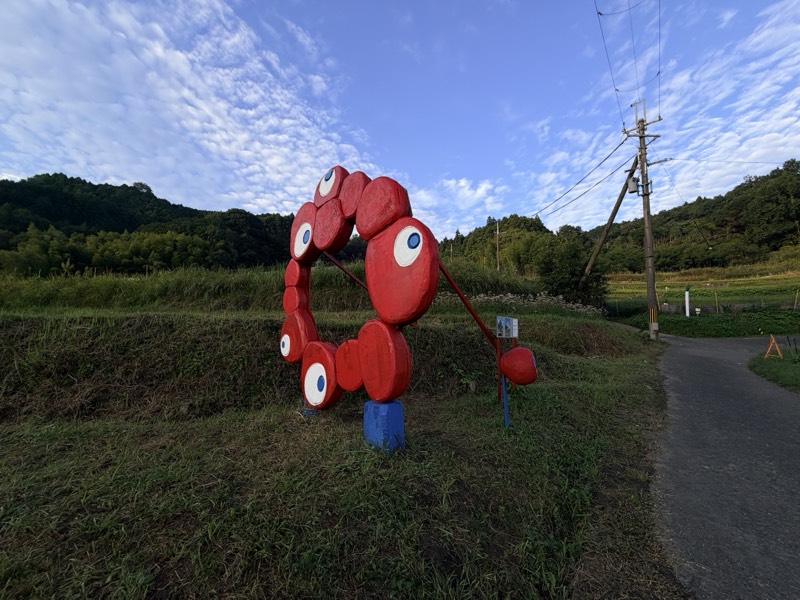
Terraced rice fields on the slopes of Sakata, right by Miyakozuka Kofun. In autumn, red spider lilies line the ridges.
These terraced rice fields spread over the slopes of the village of Sakata, up the hill to the south-east of Ishibutai Kofun. They are right next to Miyakozuka Kofun.
The paddies follow the contour lines in curve after curve, stepping down towards the valley.
When people in Asuka Village talk about terraced fields, they usually mean Inabuchi, where a scarecrow contest is held in autumn. There are no scarecrows at the Sakata terraces.
All you will find are the paddies, the ridges, and a few strips of tape fluttering from the tops of poles. There is hardly anyone about, and on some days the only sound is the wind.
After seeing the crowds, just gaze at terraces where nothing happens. They are both terraced fields in Asuka, but you take away something quite different.
In late September the rice ears grow heavy and begin to droop. The colour is halfway between green and gold.
At their feet, along the edges of the ridges, red spider lilies add dots of red. The contrast between the ripening rice and the red flowers belongs to this season alone.
Nothing blocks the sky here, so when a mackerel sky spreads across it in autumn, you can see the whole expanse.
About 12 minutes on foot from the "Ishibutai" stop on the Asuka loop bus from Kintetsu Kashiharajingu-mae Station. It is worth combining with a visit to Miyakozuka Kofun.
The terraces are not a visitor attraction but working farmland where rice is still grown. Please stay off the ridges between the paddies and enjoy the view from the road.
Published
NEARBY
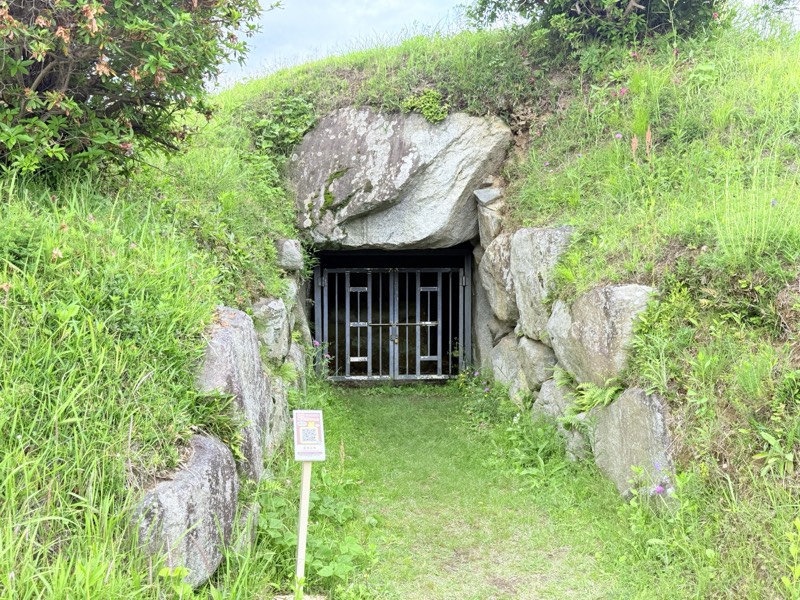
都塚古墳
A square burial mound built of stepped stone, like a step pyramid.
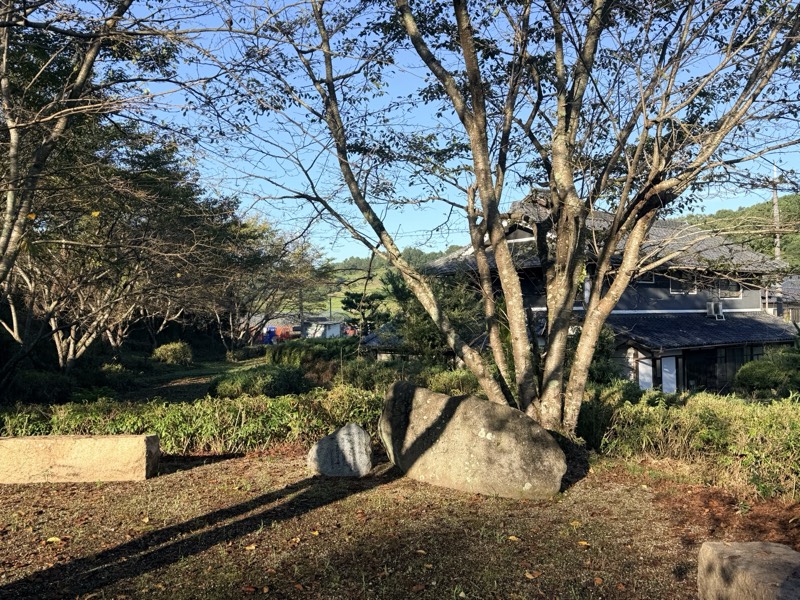
坂田寺跡
The family temple of the clan of Kuratsukuri no Tori, maker of the Asuka Daibutsu. One of Asuka's oldest temples, it was also a nunnery.
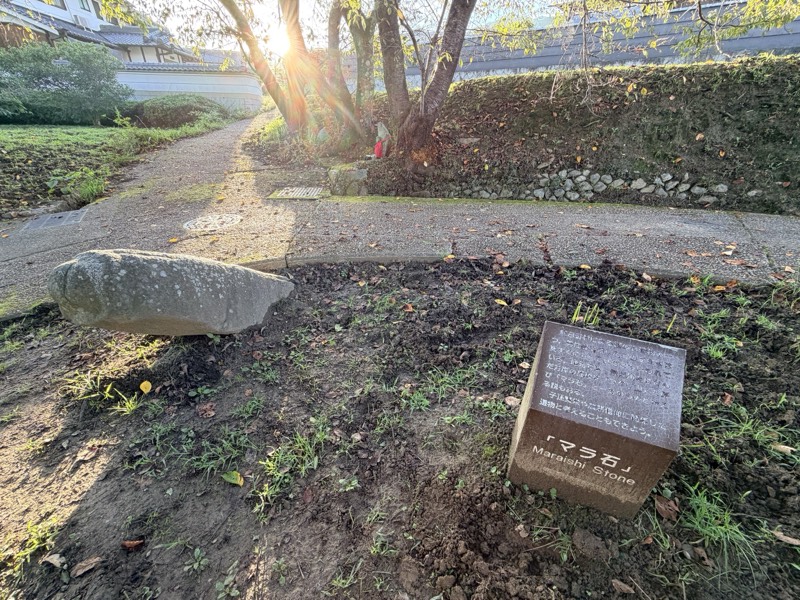
マラ石
A phallus-shaped stone lying by the roadside. One theory pairs it with "Fuguri-yama" on the opposite bank.