


1 / 2
マラ石(まらいし)
A phallus-shaped stone lying by the roadside. One theory pairs it with "Fuguri-yama" on the opposite bank.
Beside the road from the hamlet of Iwaido toward Sakata lies a long granite stone, about 125 cm long and 65 cm wide. Its tip is rounded and outlined, with a line running all the way round below it. It is thought to represent a phallus and has long been called Maraishi.
The information board beside it describes it as one of Asuka Village's mysterious stone monuments and notes that "it is also said to have originally stood upright." When, by whom and why it was placed here is not known.
Locally, the hills on the other side of the Asuka River are called Fuguri-yama ("Testicle Hill"), and one theory holds that they form a pair with Maraishi: symbols of the male body facing each other across the river.
Male and female pairs of stones like this are called in'yōseki (yin-yang stones) and have been worshipped in many parts of Japan as symbols of fertility and abundant harvests. Asuka Village has other stone monuments of unknown purpose, such as Kameishi (Turtle Stone), the Saruishi (Monkey Stones) and Sakafuneishi, but Maraishi is the most rustic of them, left by the roadside with no explanation.
The information board concludes: "It may also be considered a relic connected with prayers for descendants and with agricultural beliefs."
Further up the same Asuka River, Ozuna (Male Rope) in Inabuchi and Mezuna (Female Rope) in Kayanomori are hung across the river and replaced every year. In this valley, the custom of honouring male and female pairs along the river survives in more than one form.
Published
READ MORE
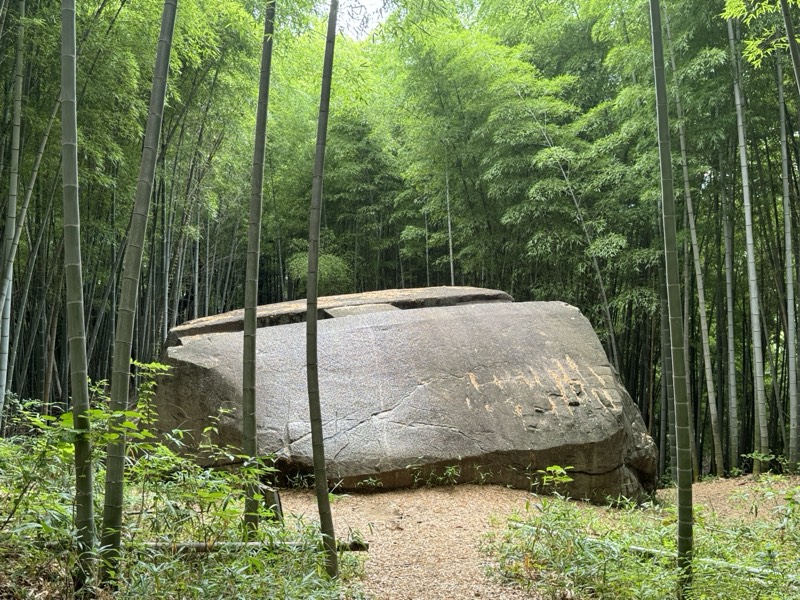 What Were They Made For? Asuka's Mysterious StonesTwo holes cut into an 800-tonne boulder, a slab carved with circles and channels, a turtle with a face…
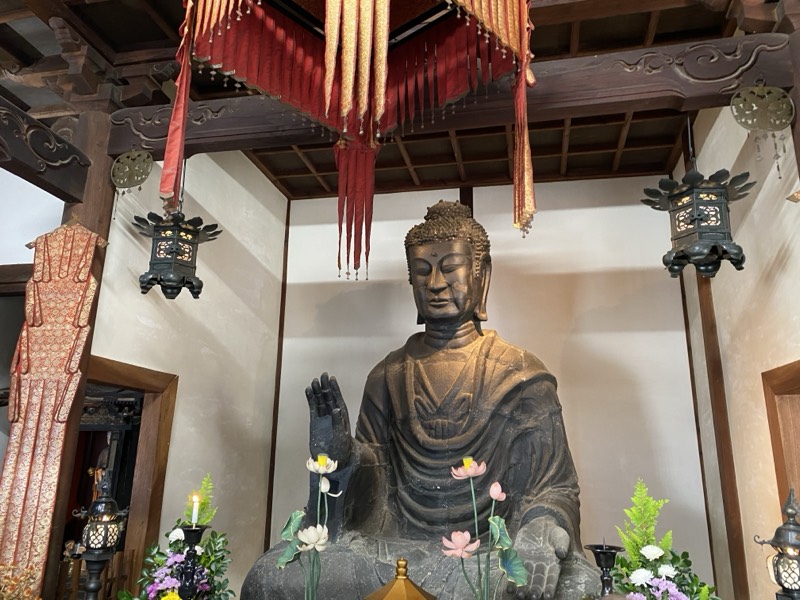 Zenshin-ni: The First Person in Japan to Become a Nun Was an 11-Year-Old GirlIn 584, three people took holy orders in Asuka. All three were women, daughters of immigrant families. A…
NEARBY
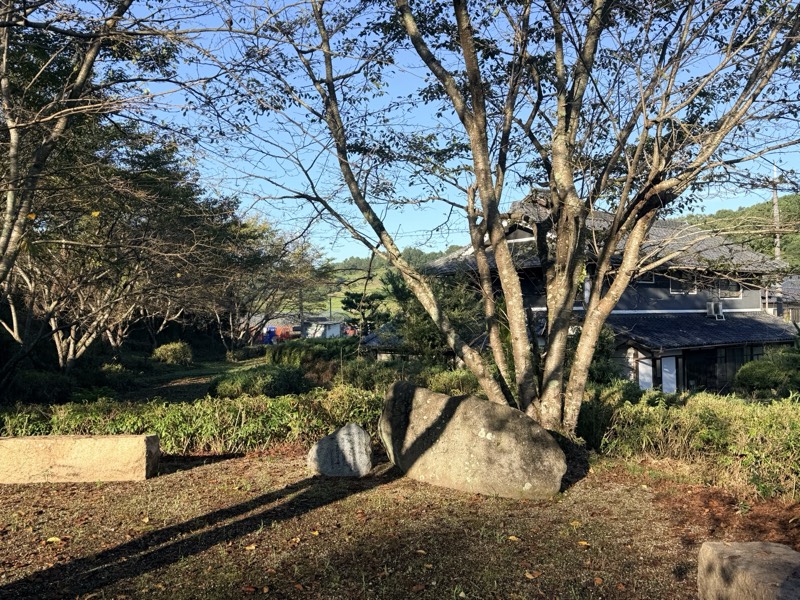
坂田寺跡
The family temple of the clan of Kuratsukuri no Tori, maker of the Asuka Daibutsu. One of Asuka's oldest temples, it was also a nunnery.
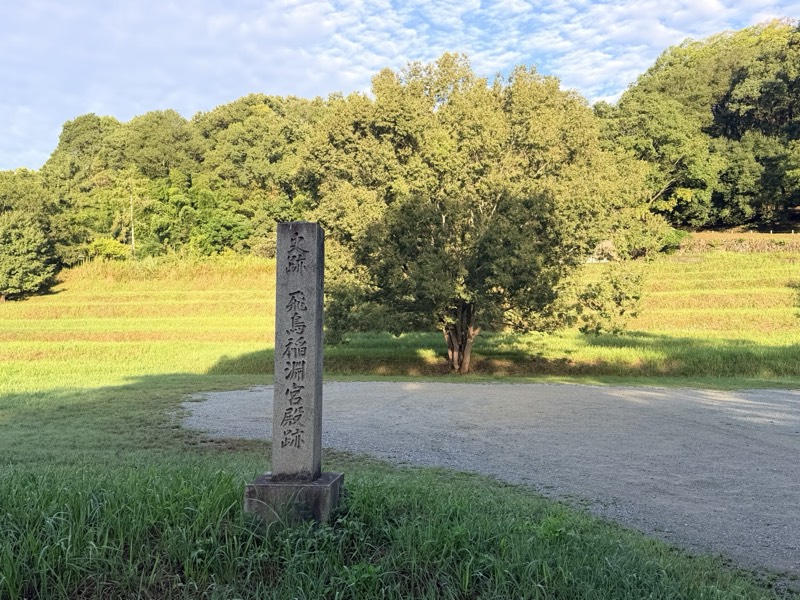
飛鳥稲淵宮殿跡
A mid-7th-century site on the left bank of the Asuka River where buildings stood in a neat formation. It is considered a candidate for a temporary palace.
都塚古墳
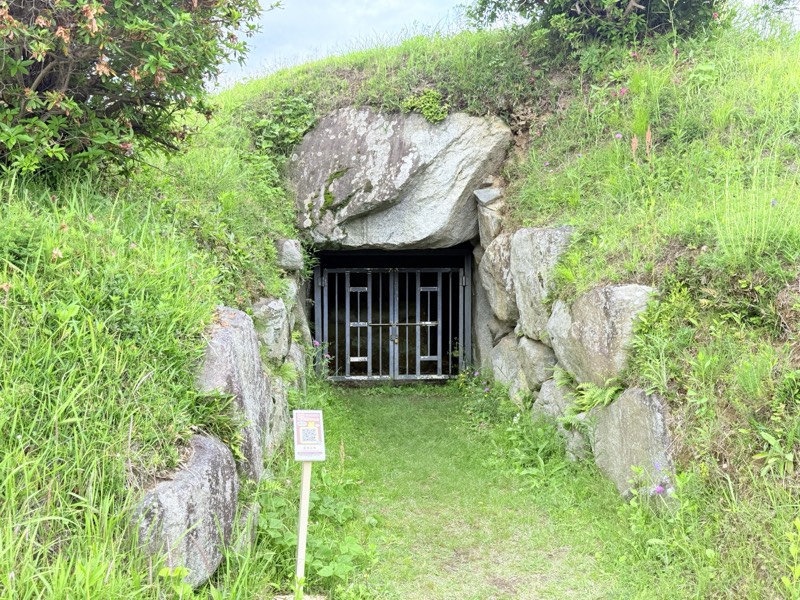
A square burial mound built of stepped stone, like a step pyramid.