
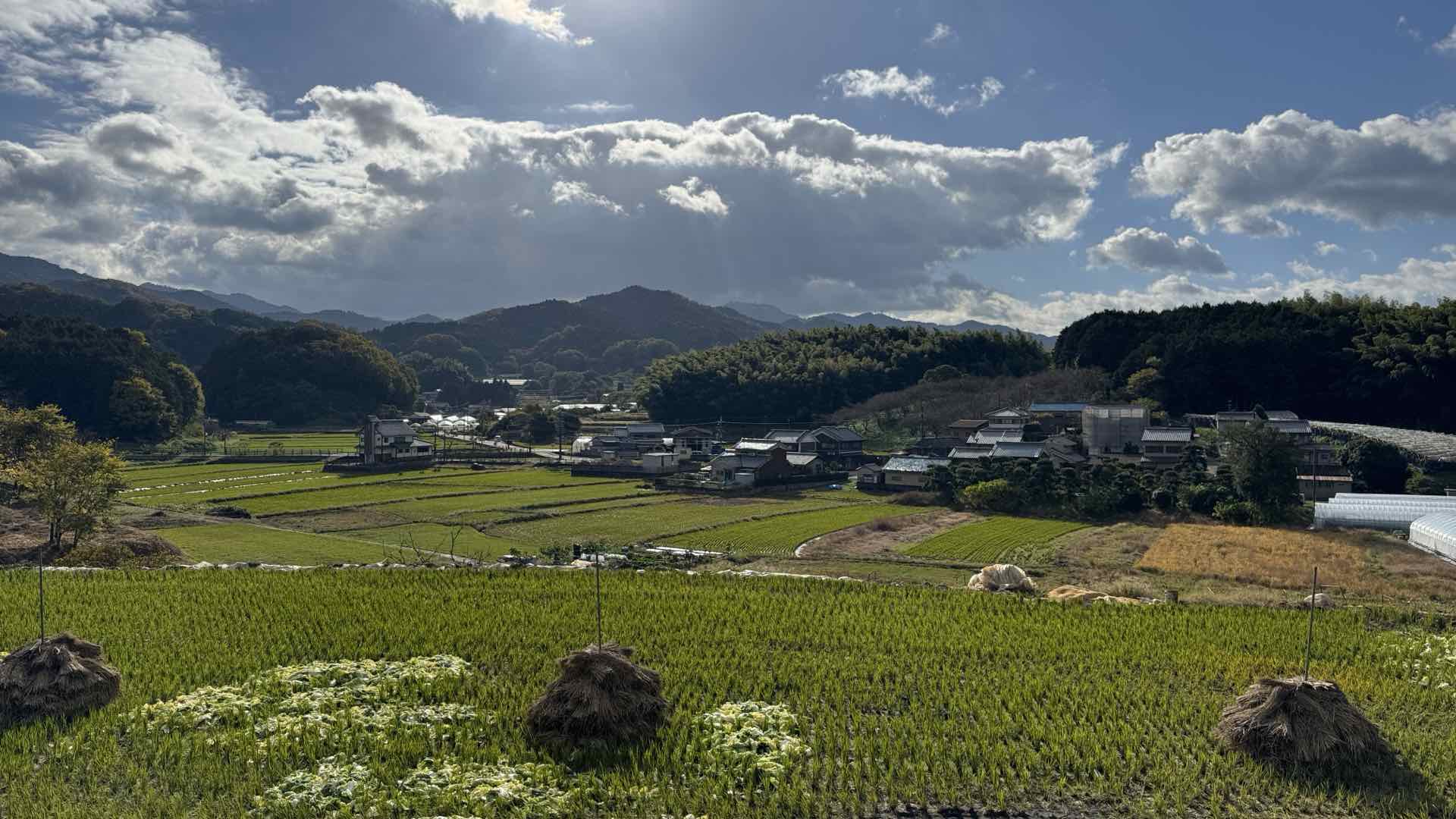
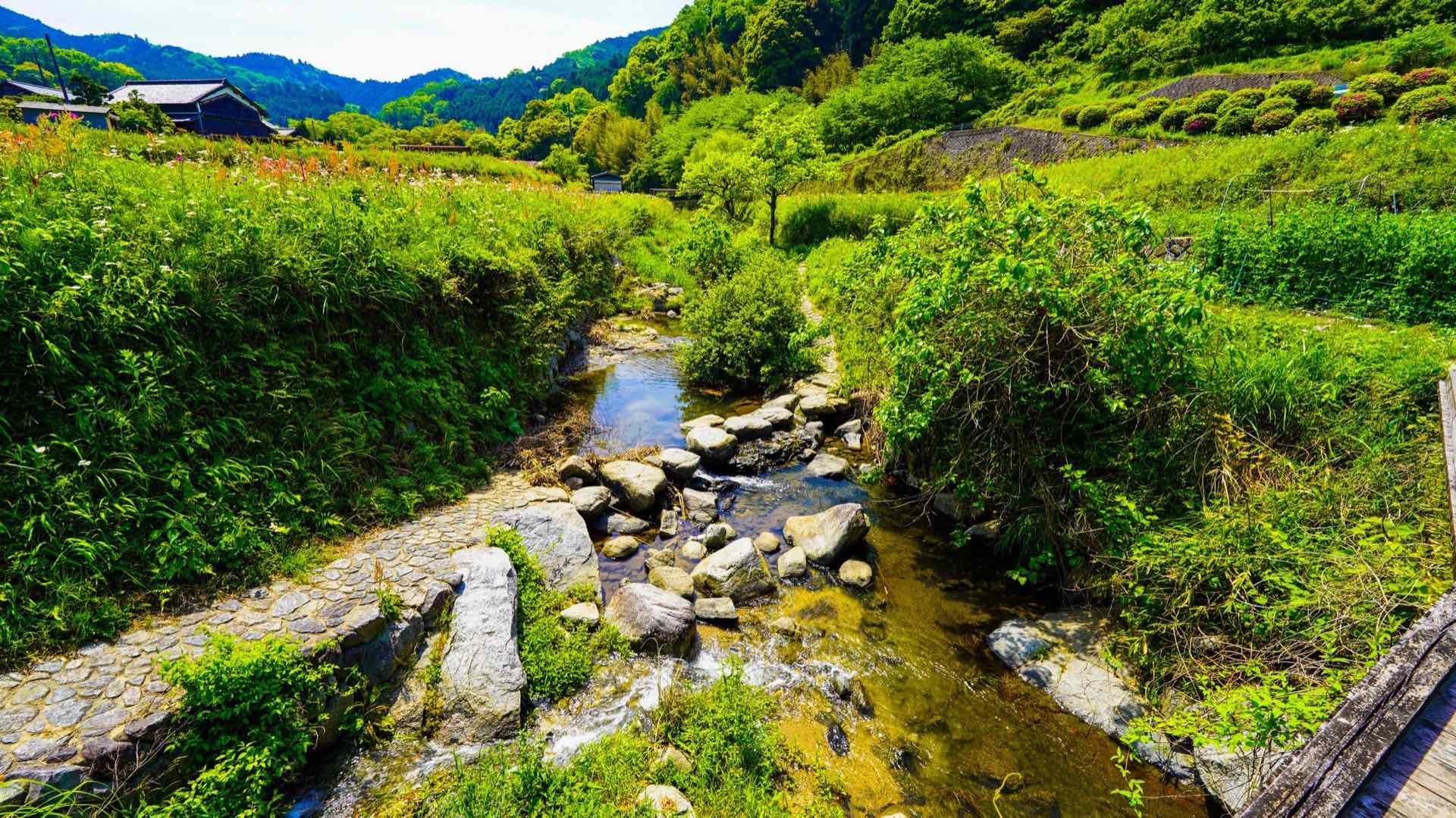
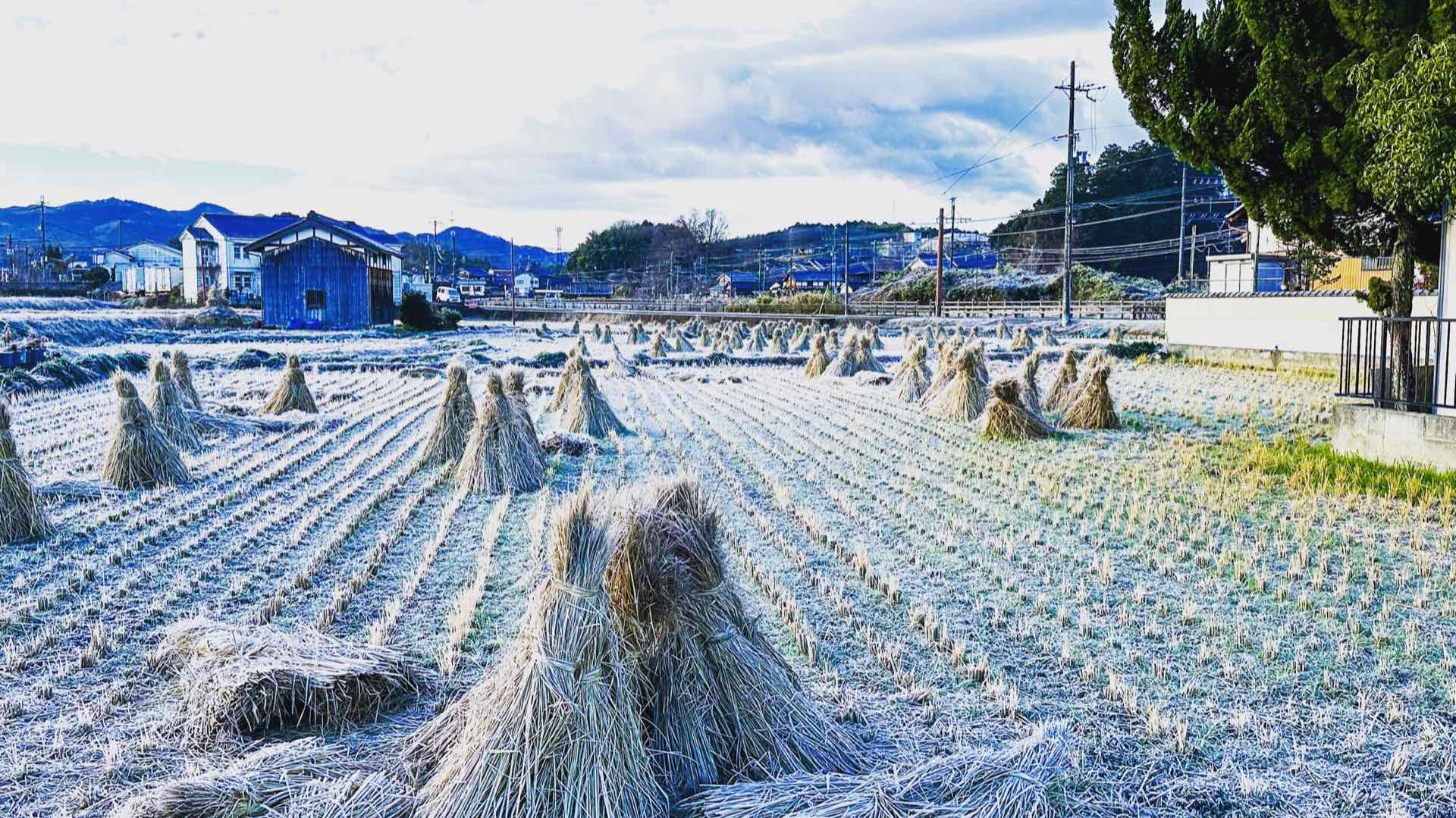
In the 6th and 7th centuries, emperors ruled Japan from this quiet valley in central Nara Prefecture. Ancient tombs, carved stones and temple ruins still lie among the fields. In 2026 they were inscribed on the UNESCO World Heritage List as "Asuka-Fujiwara: Archaeological Sites of Japan's Ancient Capitals and Related Properties". This guide introduces them one by one, as you would meet them on foot.
Hover over a name (or tap it on a phone) to see a short description of the spot.
RECENT SPOT
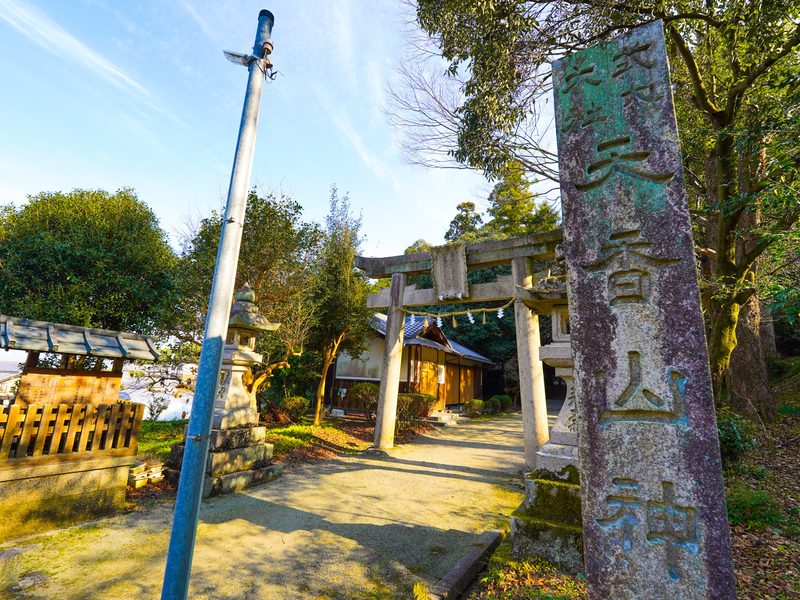
天香山神社
An ancient shrine at the northern foot of Mount Kagu, one of the Three Mountains of Yamato. It honours a god of divination, and brings you close to the mountain of Empress Jitō's poem of white robes drying.
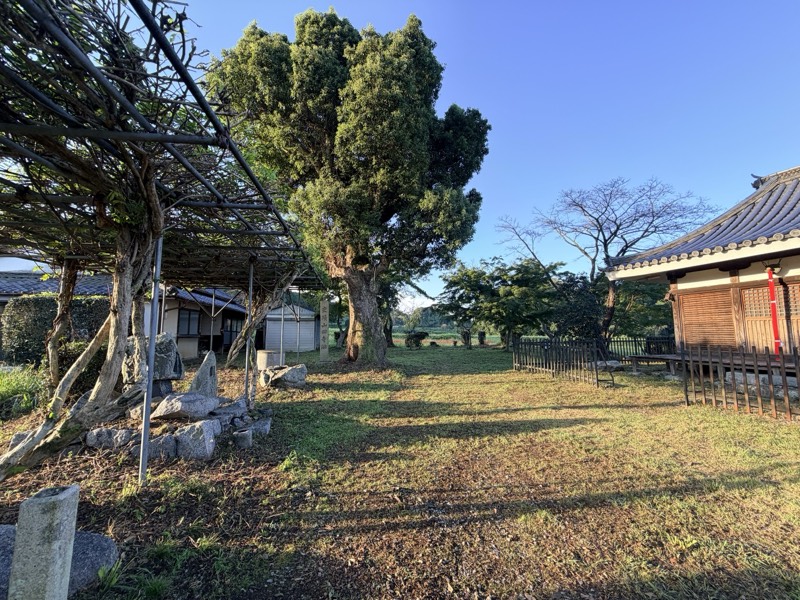
山田寺跡
A temple site where a corridor was excavated just as it had collapsed and been buried.
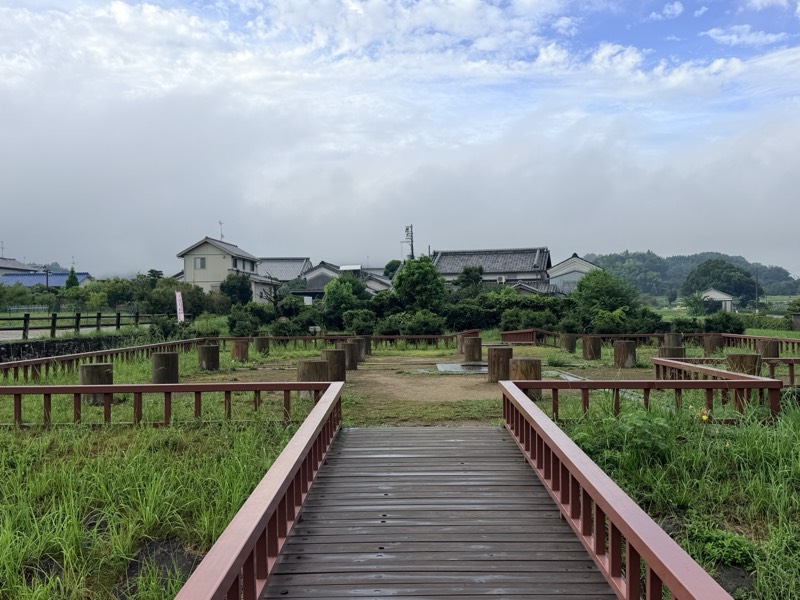
飛鳥水落遺跡
The site of Japan's first water clock, built by Prince Naka-no-Ōe.
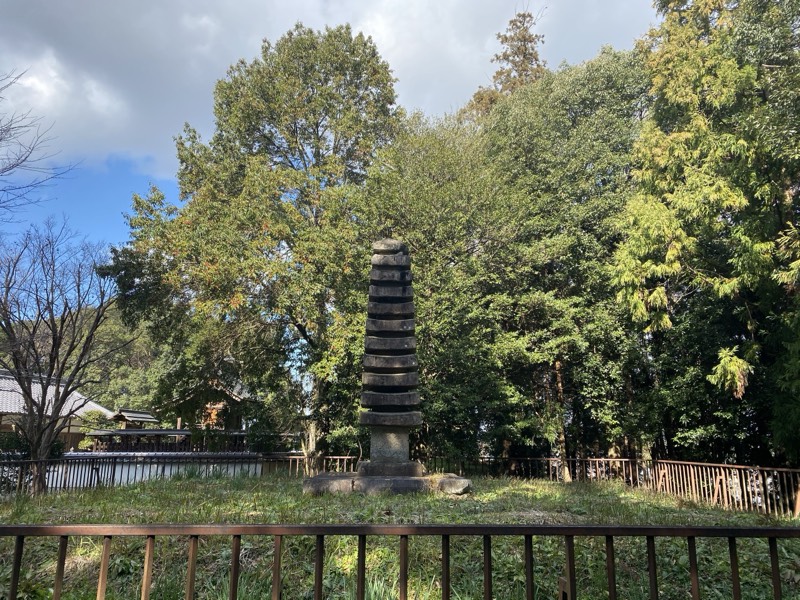
檜隈寺跡/於美阿志神社
A temple site linked to the Yamato no Aya, a clan of immigrant origin, with a thirteen-storey stone pagoda.
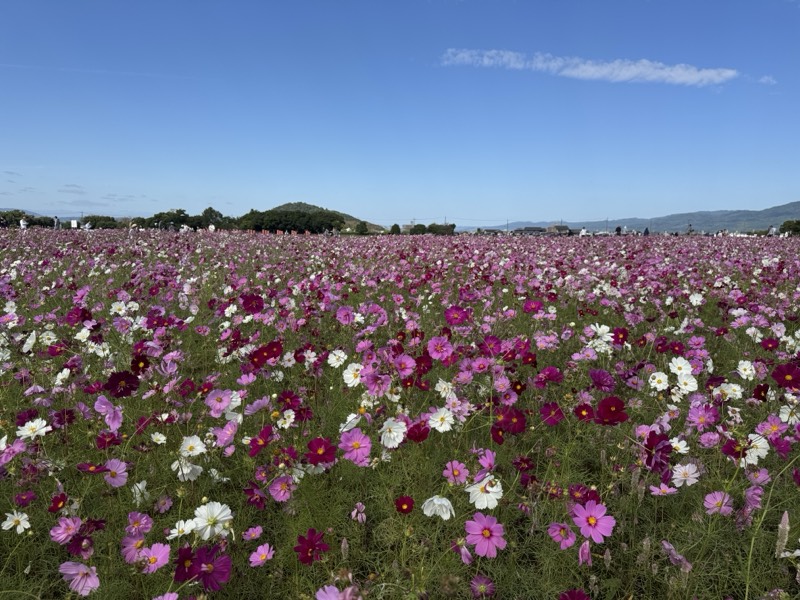
藤原宮跡
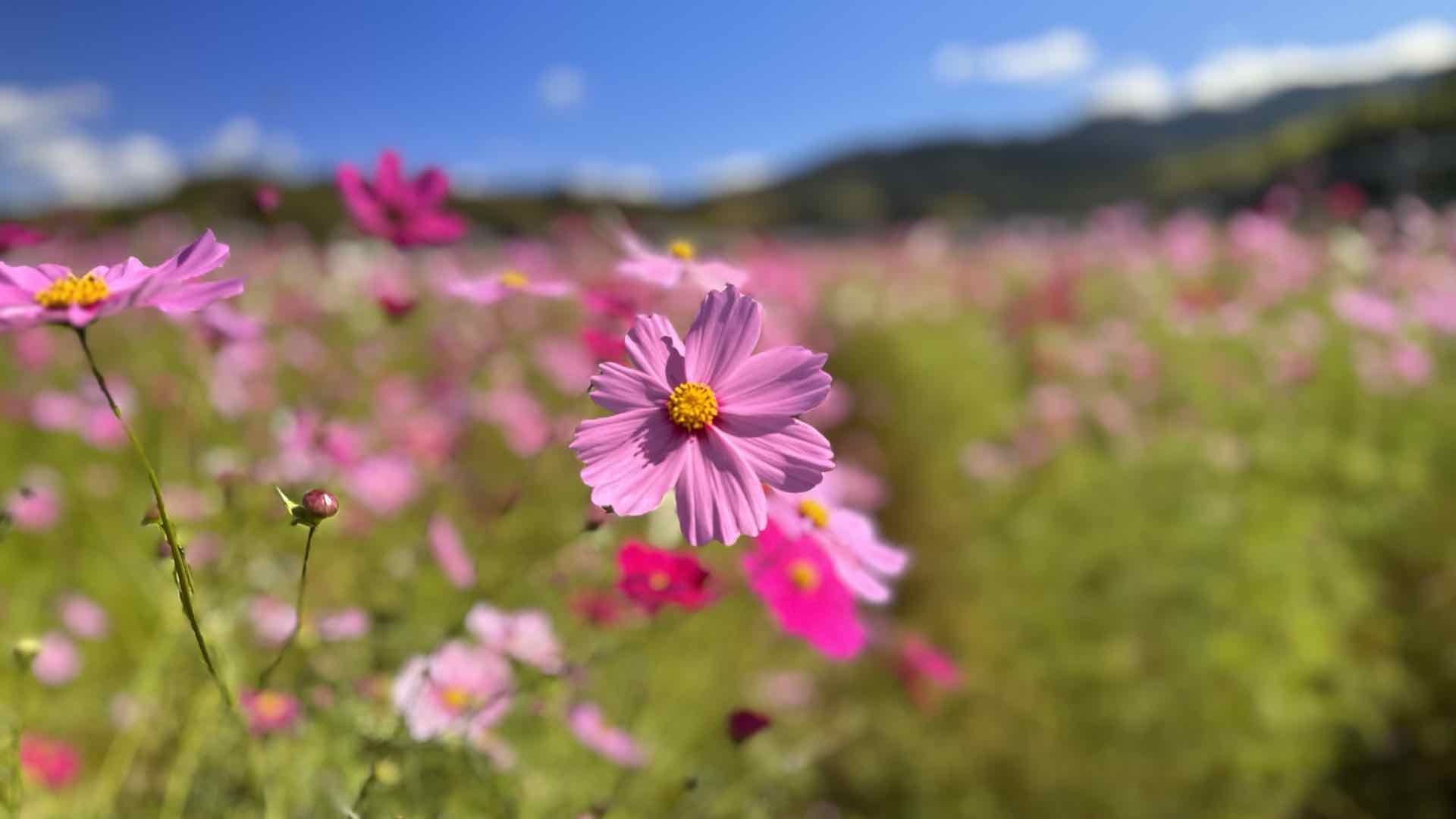
The heart of Japan's first full-scale planned capital, also known for its seasonal flower fields.
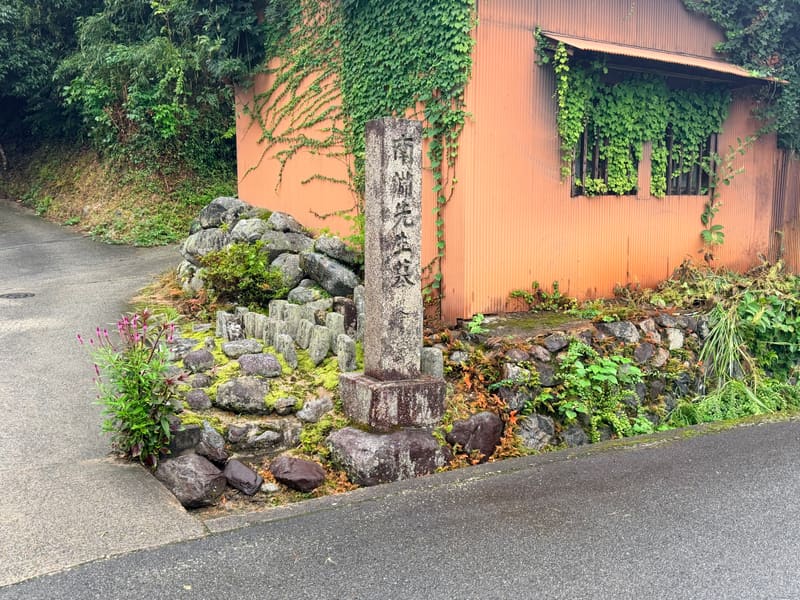
南淵請安墓
A small mound said to be the grave of a scholar who returned from Sui-dynasty China. Prince Naka no Ōe and Nakatomi no Kamatari came here to study with him.
COLUMN
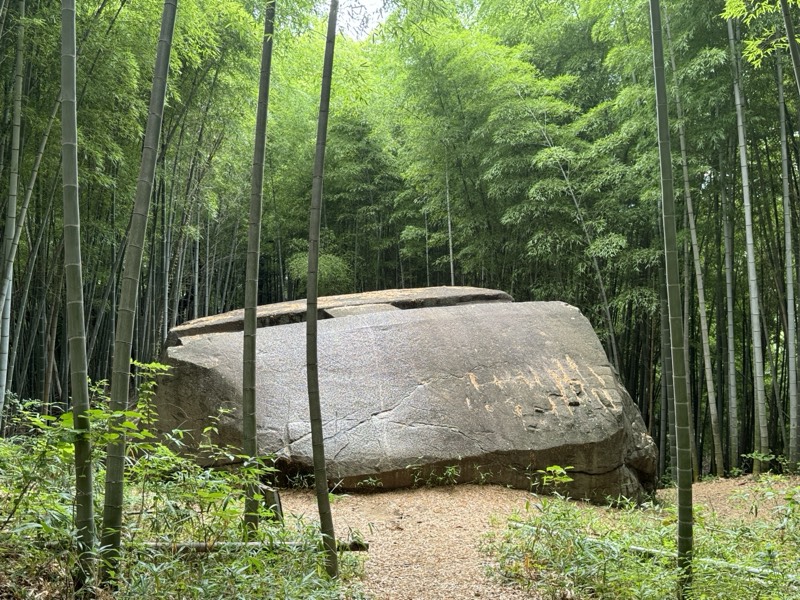
Two holes cut into an 800-tonne boulder, a slab carved with circles and channels, a turtle with a face, statues with faces on both sides: in Asuka, stones whose purpose no one knows still lie scattered among the fields and hills. We tour them, sorted into mysteries solved, half-solved, and still completely open.
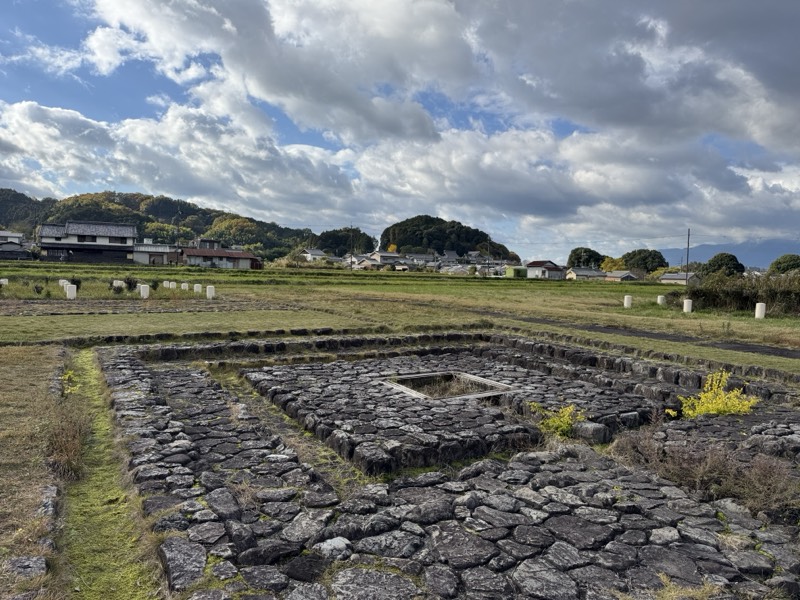
"Asuka-Fujiwara" was inscribed on the World Heritage List in 2026. We list all 19 component sites with their locations and highlights at a glance, and suggest a classic walk from Asuka Station, half-day routes for three areas, a walk into Oku-Asuka, and one- and two-day routes that cover them all.
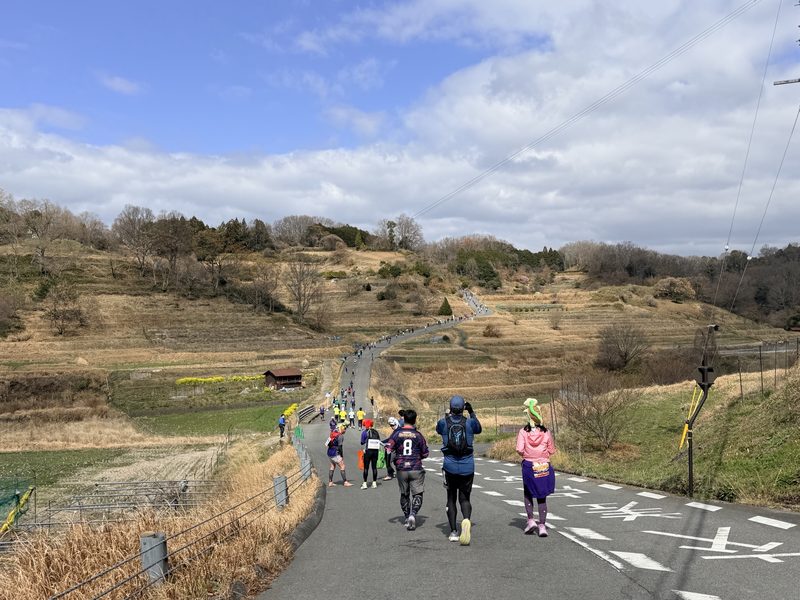
Every March, 3,000 runners race past the historic sites and terraced rice fields of Asuka Village. Starting near the Kitora Kofun and passing Ishibutai Kofun and the Inabuchi terraces, the Asuka Half Marathon is full of the village's character, from its hilly course and cupless water stations to the strawberries handed out at the finish.