


1 / 2
飛鳥水落遺跡(あすかみずおちいせき)
The site of Japan's first water clock, built by Prince Naka-no-Ōe.
This is the site of Japan's oldest water-clock tower, built in 660. It lies on flat land along the Asuka River at the eastern foot of Amakashi Hill.
The Nihon Shoki (Japan's oldest official chronicle, compiled in 720) records that in 660 Prince Naka-no-Ōe built a rokoku (water clock) and for the first time announced the hours to the people. This site is thought to be the one described in that entry.
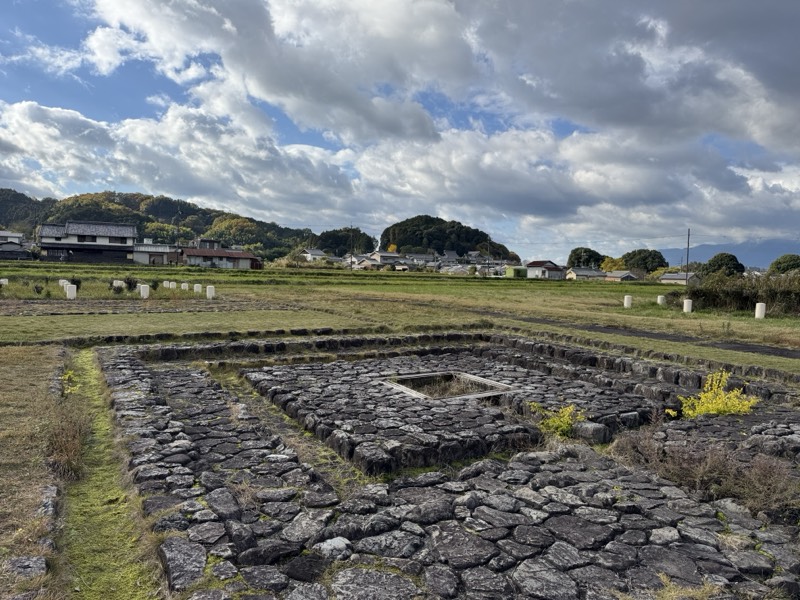
A stone-faced platform surrounded by a moat, with a building on top whose floor was supported by a full grid of pillars. Wooden pipes ran inside the platform, and a lacquered wooden box was set at its centre.
The structure was unlike anything found before, but investigation showed it to be a water-clock tower for telling the time. Water flowed from a supply tank at the top down to a receiving tank at the bottom, and the time was read from a scale as the water level rose. The clock is thought to have used tanks arranged in steps.
The mechanism is thought to have come from Tang China.
Measuring the time and announcing it to people was an essential part of building a ritsuryō state (a state governed by law codes). Officials' hours of work, the start of ceremonies, the opening and closing of markets: without a shared time, the state could not function.
The water-clock tower was built 15 years after the Taika Reforms. The clock was set in place as part of the process of giving the state its shape.
These structures were abandoned in the late 7th century. When the capital moved to the Ōmi Ōtsu Palace, the water clock was probably moved from Asuka to Ōtsu as well.
All that remains on the site today is the stone-faced platform and markers showing where the pillars stood.
On 26 July 2026 it was inscribed as a World Heritage Site, as one of the component parts of "Asuka-Fujiwara: Archaeological Sites of Japan's Ancient Capitals and Related Properties."
About 3 minutes on foot from the "Asuka" stop on the Asuka loop bus from Kintetsu Kashiharajingu-mae Station. Admission is free and the site is open at all times.
The Ishigami site is right next door, and Asuka-dera Temple and Amakashi Hill are a short walk away.
Published
READ MORE
 Asuka-Fujiwara World Heritage: All 19 Component Sites and How to Visit Them, with Half-Day, One-Day and Two-Day Routes"Asuka-Fujiwara" was inscribed on the World Heritage List in 2026. We list all 19 component sites with their…
 A hundred years after "utterly unreasonable": how the ritsuryō state was builtIn 600 the first envoys sent to the Sui court in China came home having been told by the emperor that their…
NEARBY
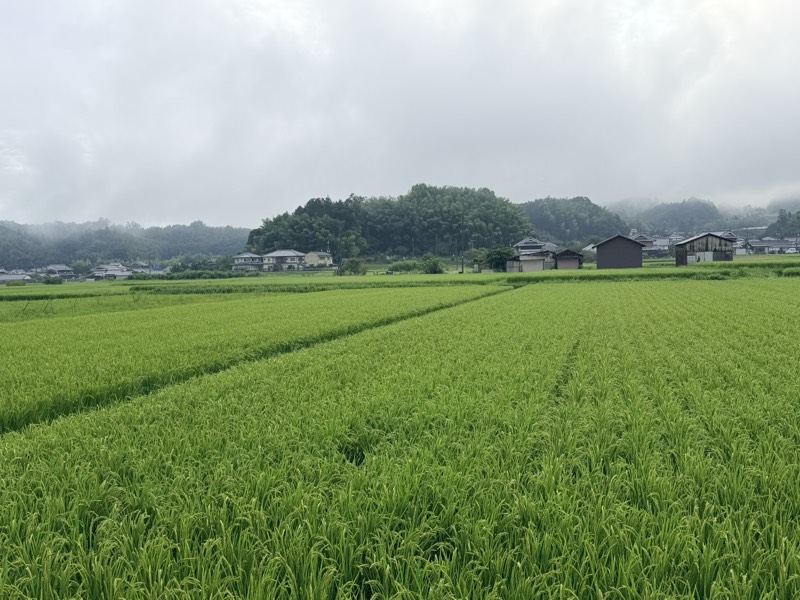
石神遺跡
Empress Saimei's banquet grounds, where the Shumisen Stone was unearthed.
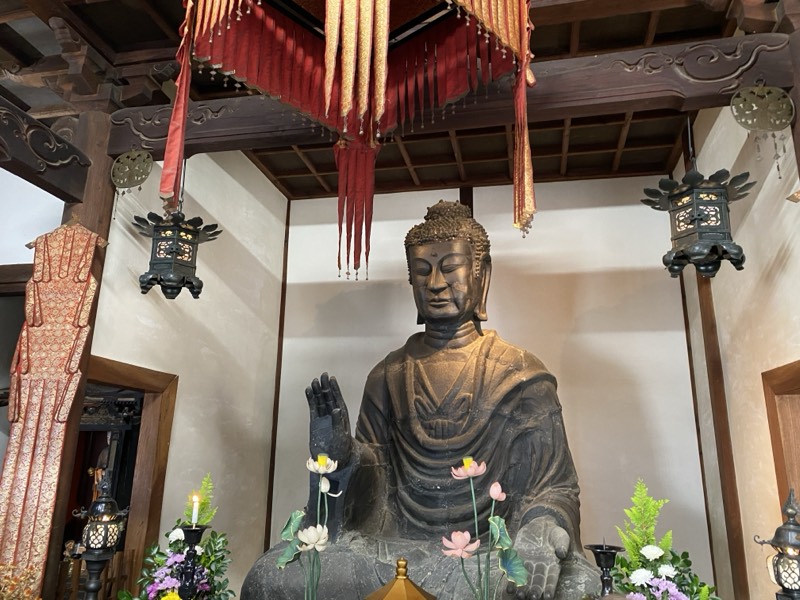
飛鳥寺・蘇我入鹿首塚
Japan's first full-scale Buddhist temple. The Great Buddha of Asuka still sits on the spot where it was made, 1,400 years ago.
甘樫丘
A hill with views over all of Asuka, said to have been the site of the Soga clan's residences.