
20 spots
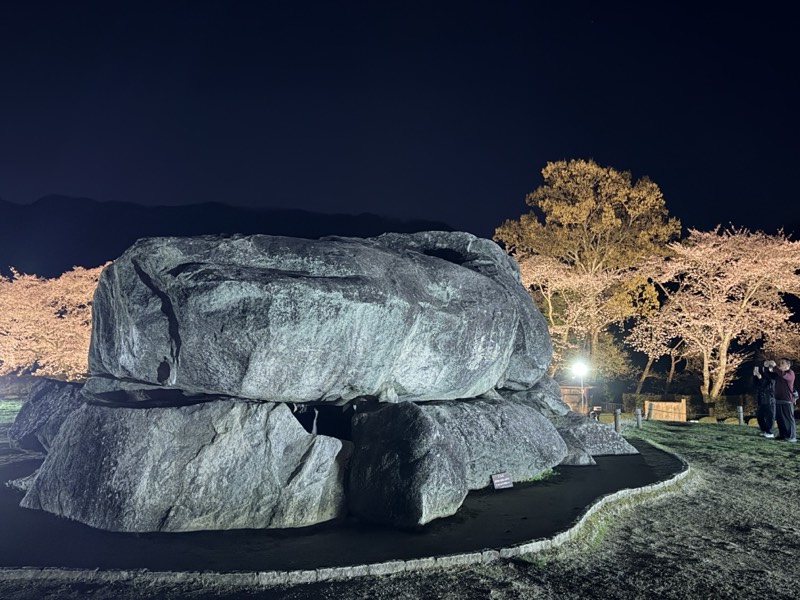
石舞台古墳
One of the largest stone burial chambers in Japan, its giant boulders left bare to the sky. The image most people picture when they think of Asuka.
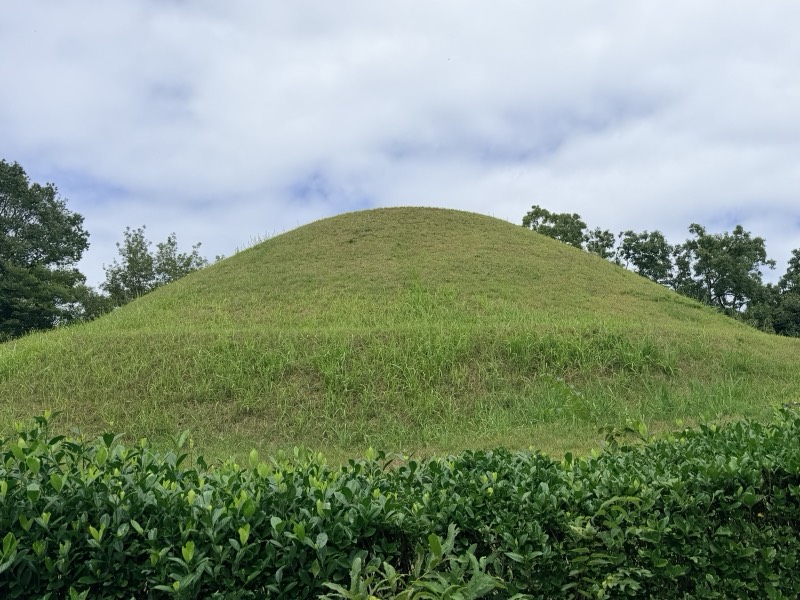
高松塚古墳
A round burial mound where brilliantly coloured paintings of court ladies were found: the defining archaeological discovery of post-war Japan.
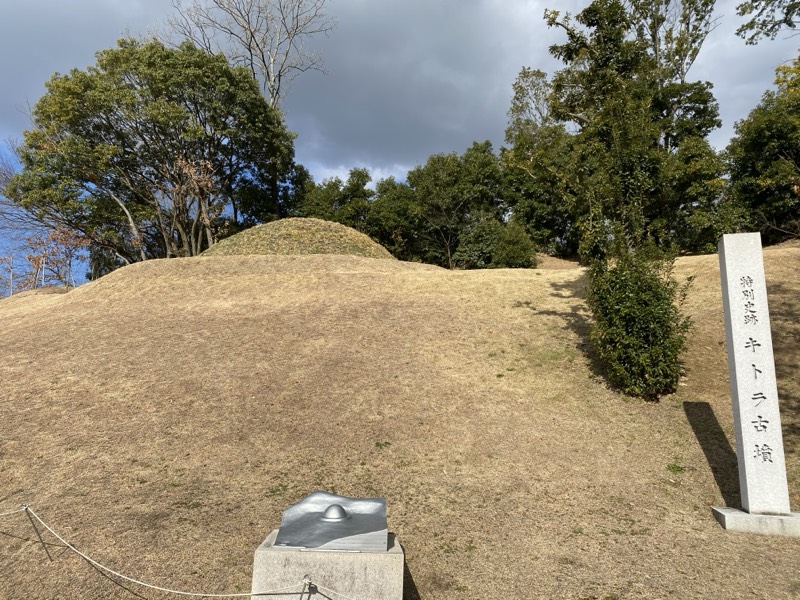
キトラ古墳
A two-tiered round burial mound famous for its chamber painted with the Four Gods and a map of the stars.
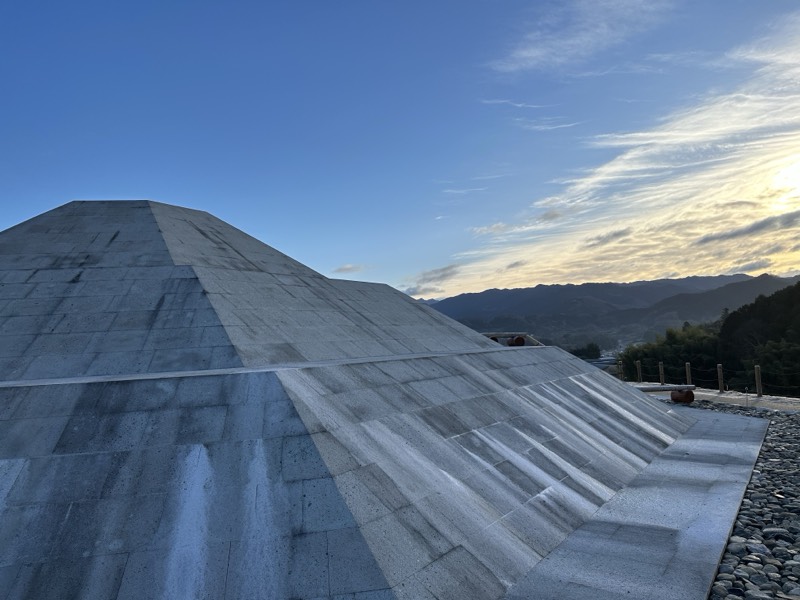
牽牛子塚古墳
An octagonal burial mound, now widely thought to be the tomb of Empress Saimei.
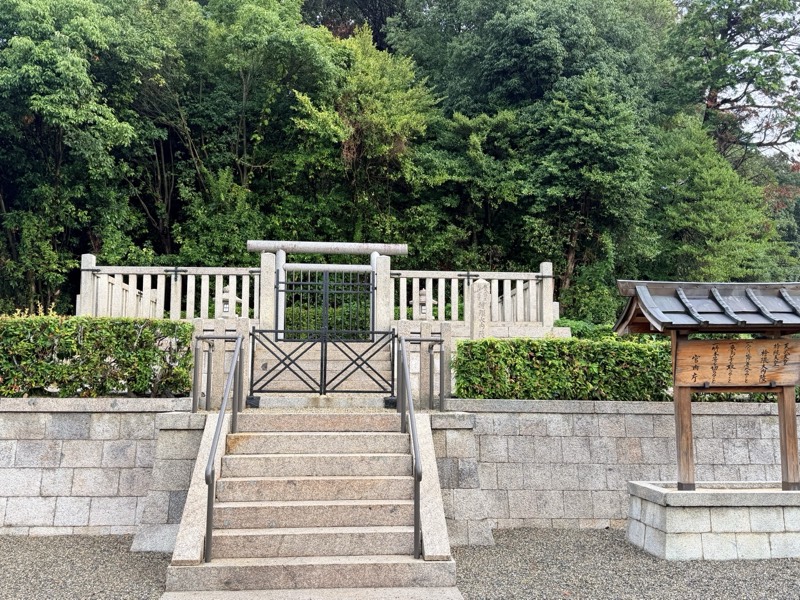
天武・持統天皇陵
One of the few octagonal imperial tombs whose occupants can be confirmed from written records.
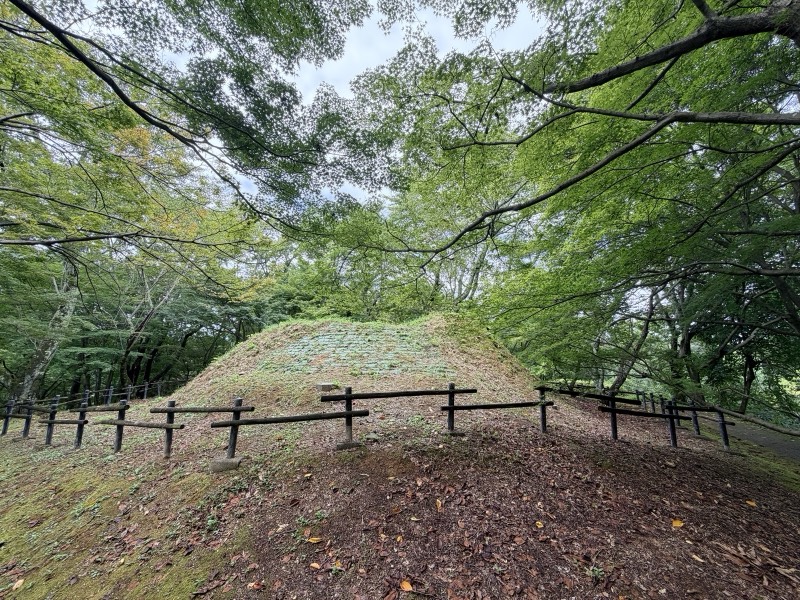
中尾山古墳
A small octagonal mound thought to be the tomb of the cremated Emperor Monmu.
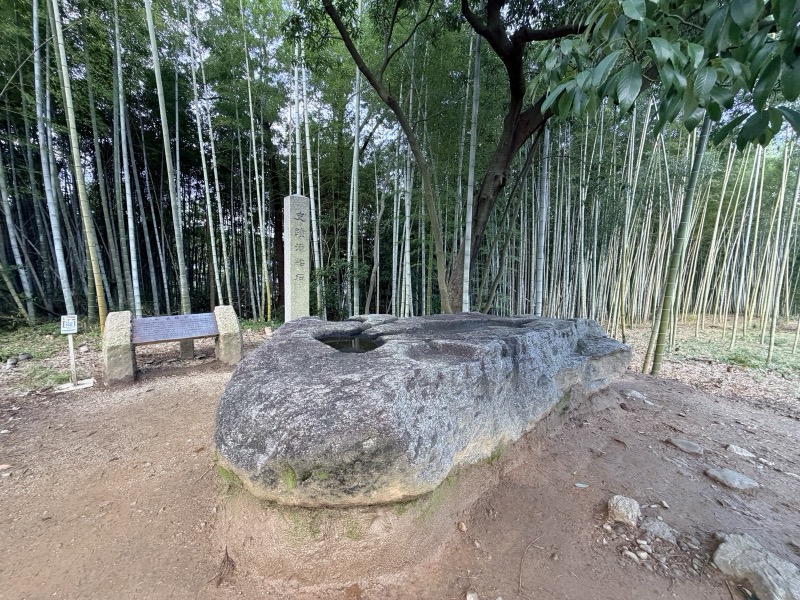
酒船石
A mysterious stone carved with circles and channels, lying in a bamboo grove on top of a hill.
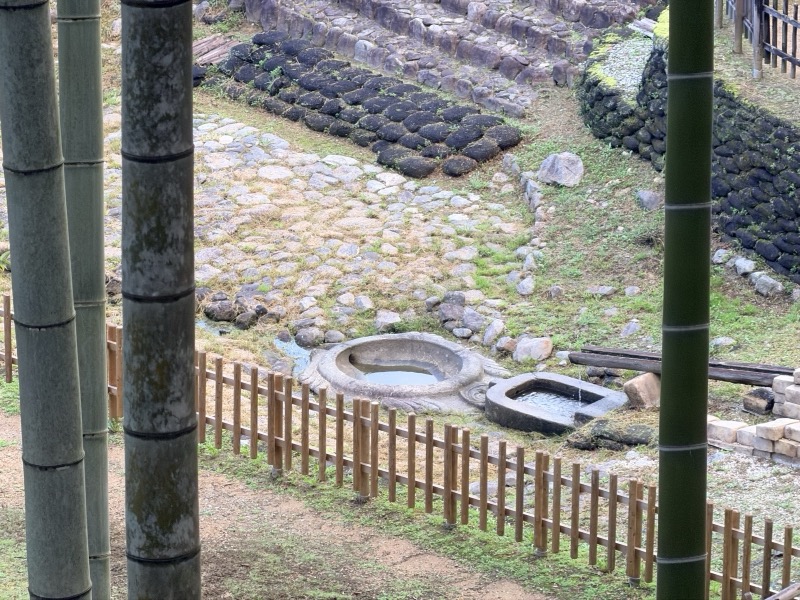
亀形石造物
A ritual site from the reign of Empress Saimei, with stonework designed to channel water.
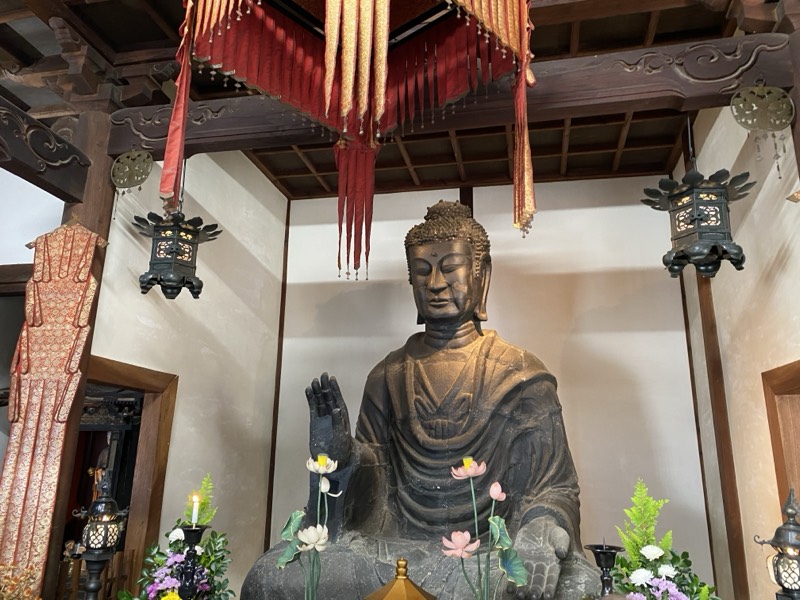
飛鳥寺・蘇我入鹿首塚
Japan's first full-scale Buddhist temple. The Great Buddha of Asuka still sits on the spot where it was made, 1,400 years ago.
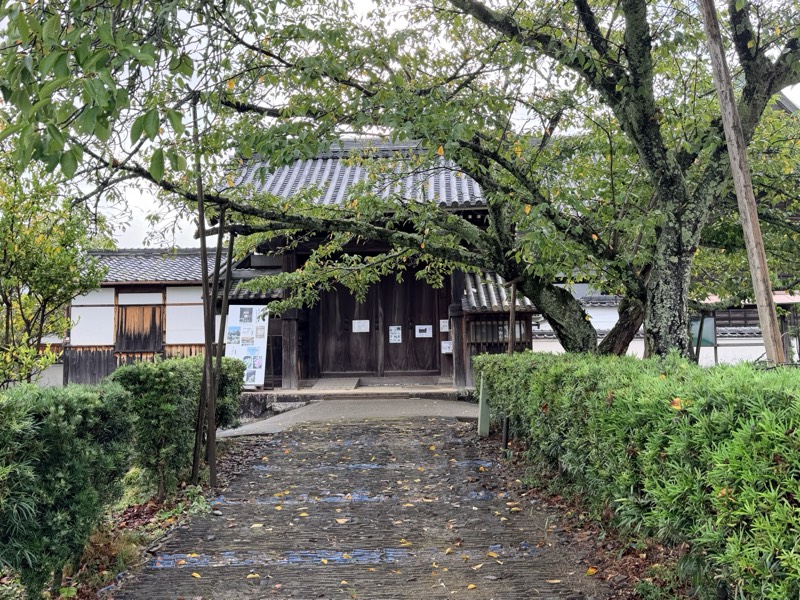
橘寺
The temple said to stand on the birthplace of Prince Shōtoku, home to the two-faced Nimenseki stone.
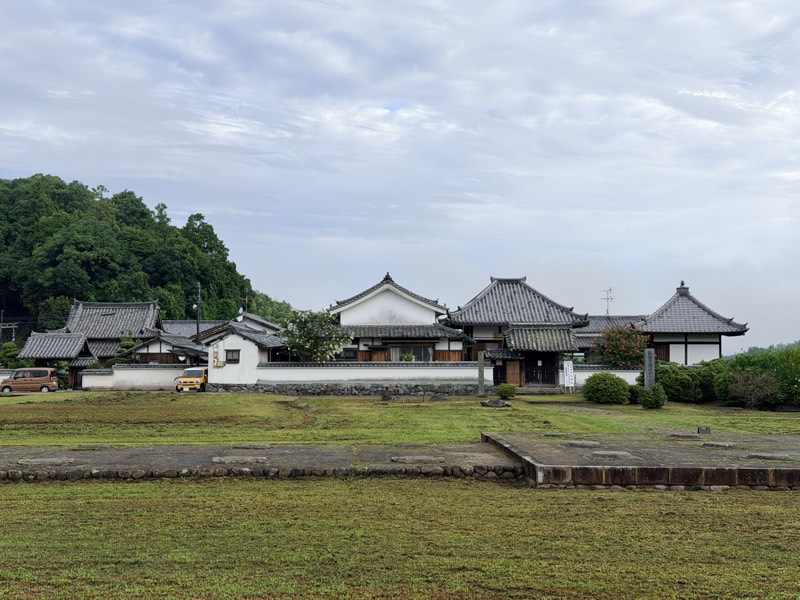
川原寺跡(弘福寺)
One of the four great temples of Asuka. Its foundation stones still show how large its halls once were.
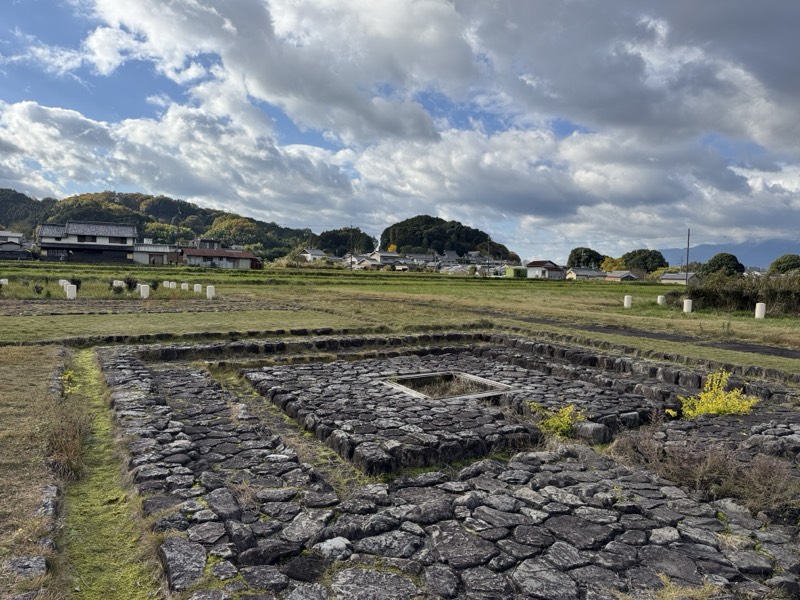
飛鳥宮跡(伝 飛鳥板蓋宮跡)
The political heart of Asuka, where several palaces were built one on top of another.
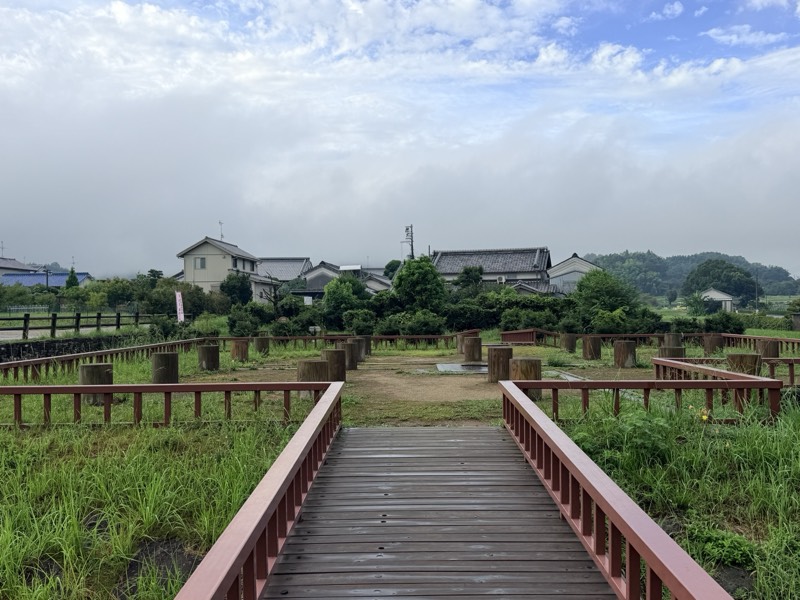
飛鳥水落遺跡
The site of Japan's first water clock, built by Prince Naka-no-Ōe.
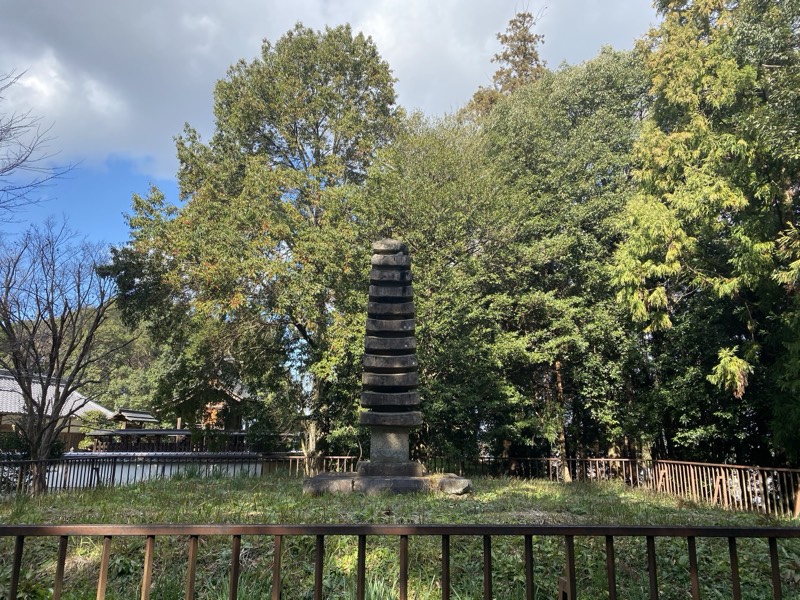
檜隈寺跡/於美阿志神社
A temple site linked to the Yamato no Aya, a clan of immigrant origin, with a thirteen-storey stone pagoda.
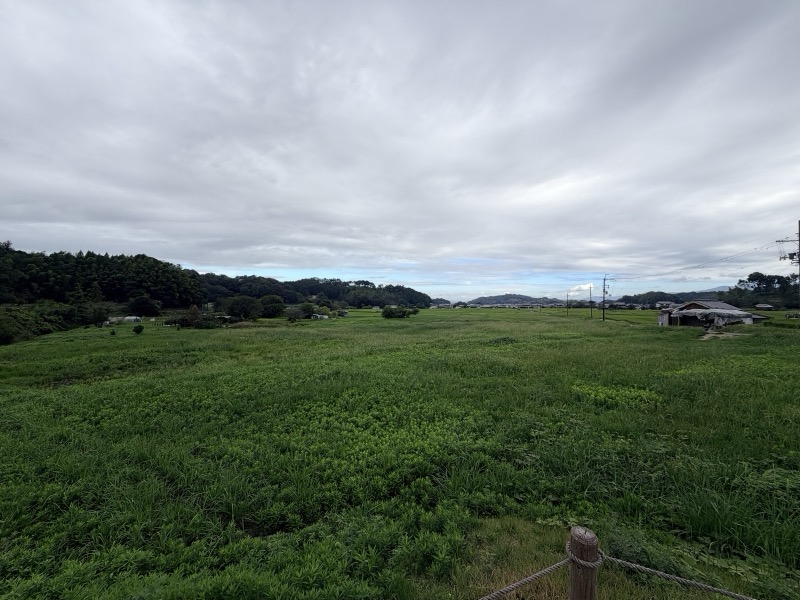
飛鳥京跡苑池
The site of a palace garden, regarded as the earliest example of a Japanese garden.
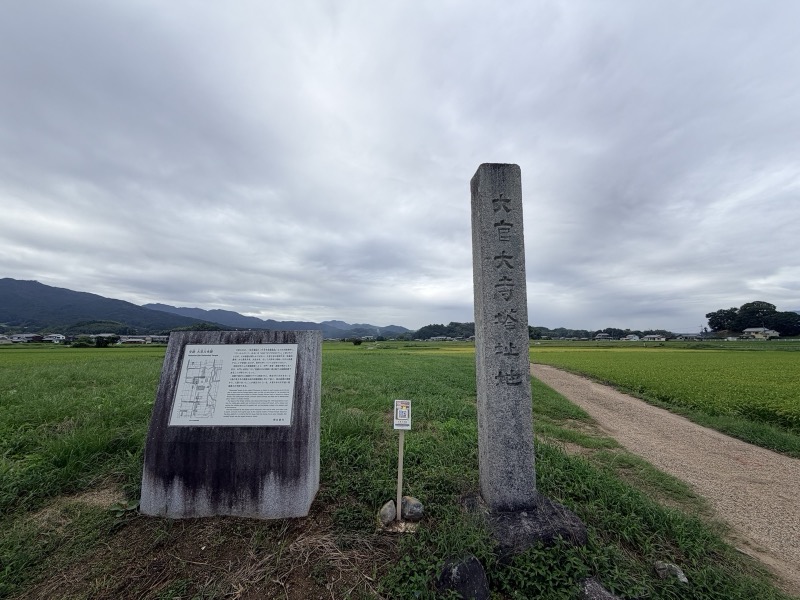
大官大寺跡
The site of the largest state temple of Asuka-Fujiwara, once crowned by a nine-storey pagoda.
Listed as components of the World Heritage Site "Asuka-Fujiwara"
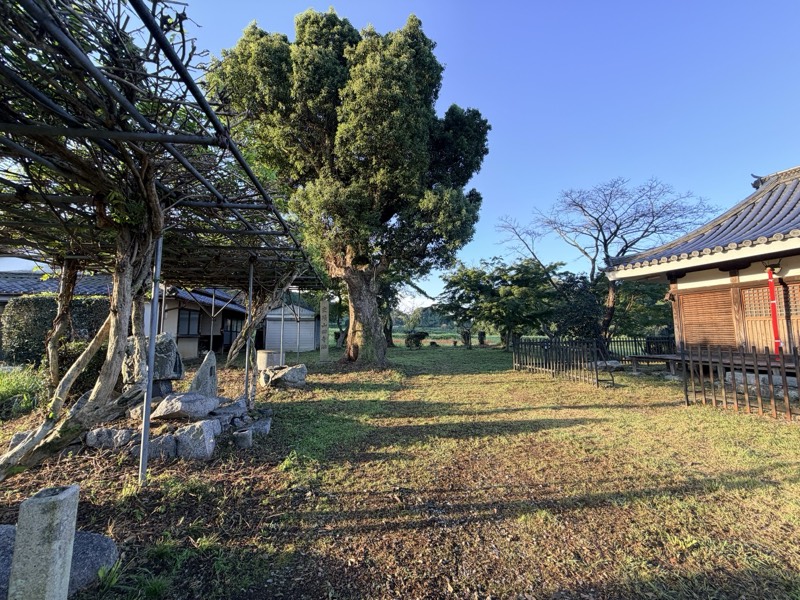
山田寺跡
A temple site where a corridor was excavated just as it had collapsed and been buried.
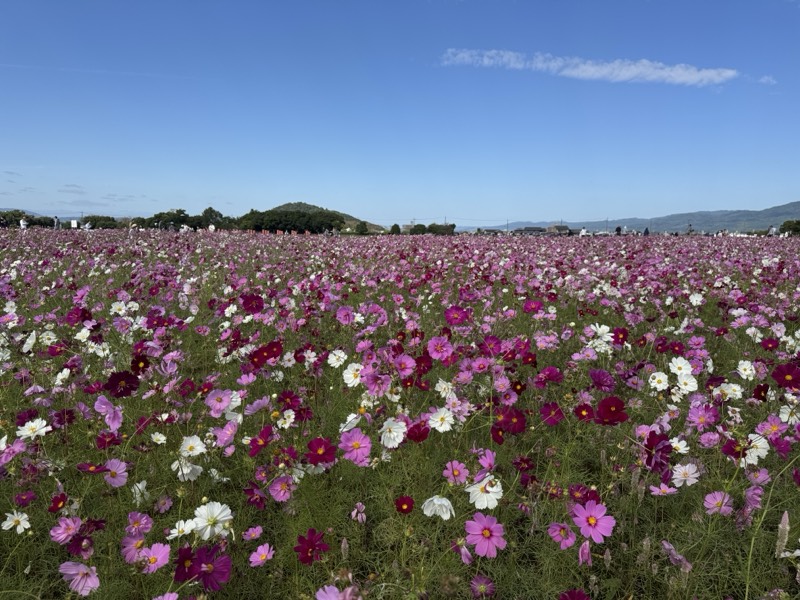
藤原宮跡
The heart of Japan's first full-scale planned capital, also known for its seasonal flower fields.
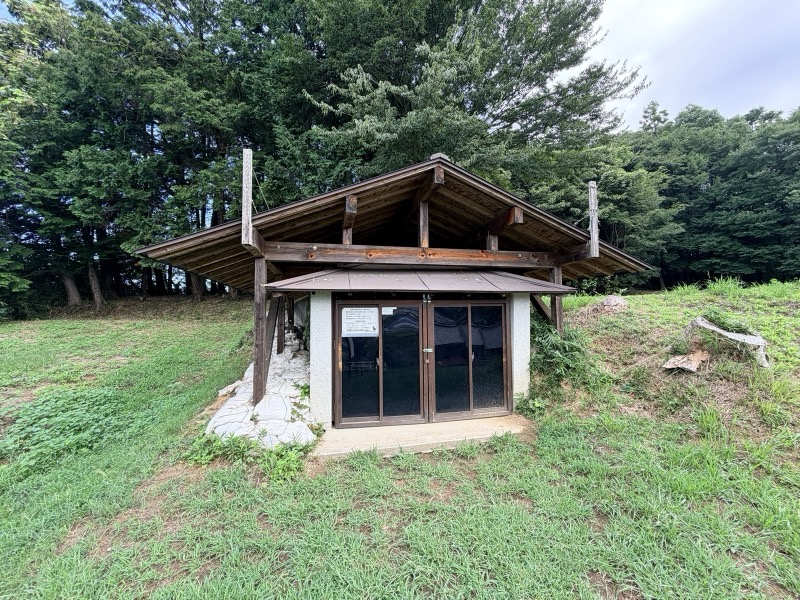
菖蒲池古墳
A square mound about 30 m on each side, with two house-shaped sarcophagi side by side. The stone chamber is inside a protective shelter.
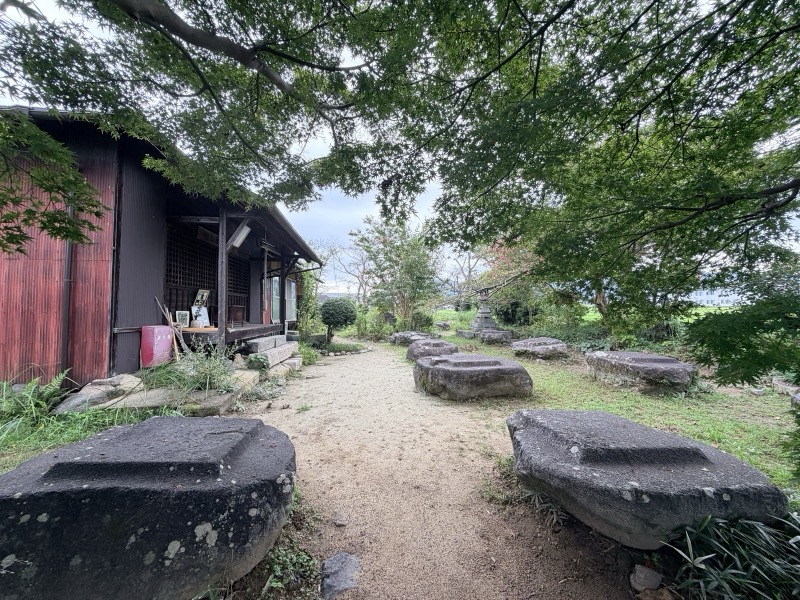
本薬師寺跡
The site of a state temple with twin pagodas, where foundation stones remain in their original positions.