
15 spots
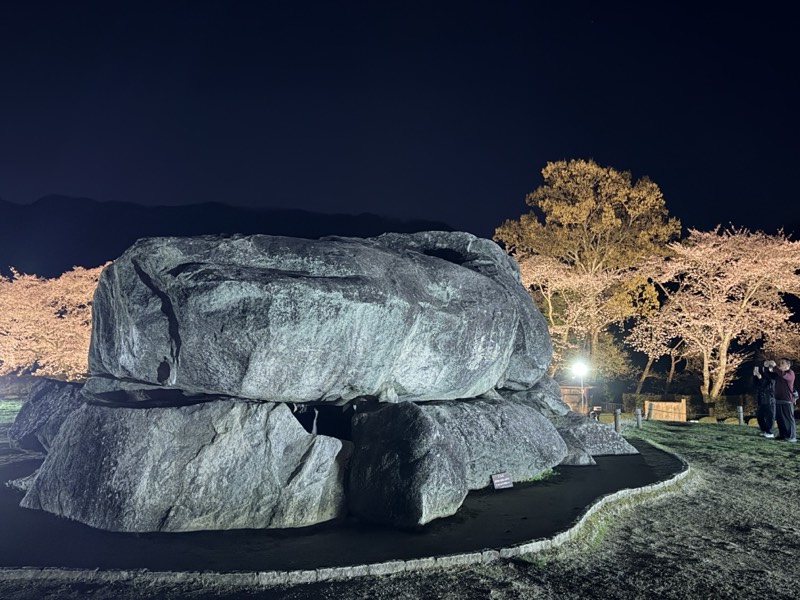
石舞台古墳
One of the largest stone burial chambers in Japan, its giant boulders left bare to the sky. The image most people picture when they think of Asuka.
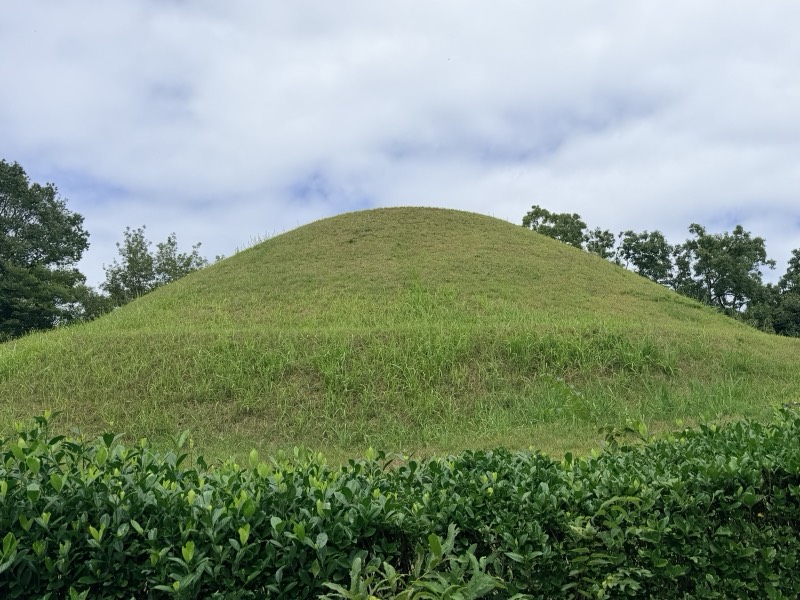
高松塚古墳
A round burial mound where brilliantly coloured paintings of court ladies were found: the defining archaeological discovery of post-war Japan.
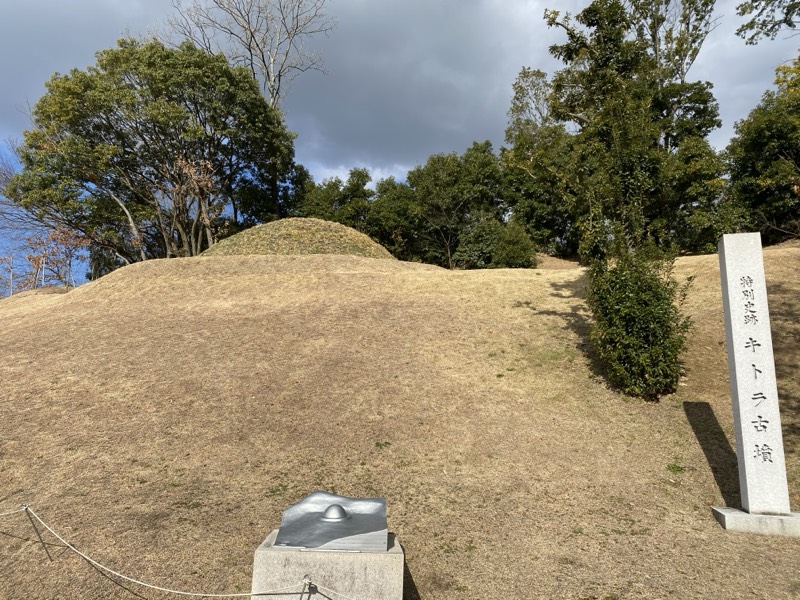
キトラ古墳
A two-tiered round burial mound famous for its chamber painted with the Four Gods and a map of the stars.
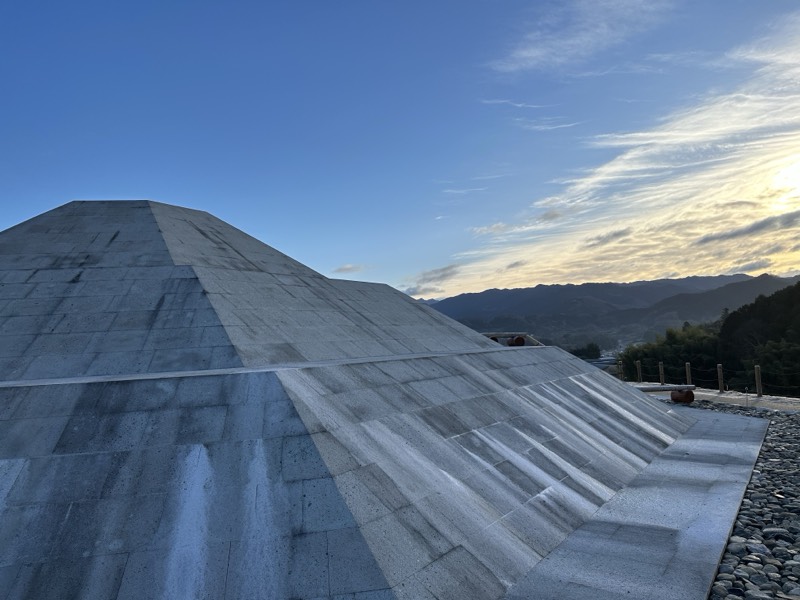
牽牛子塚古墳
An octagonal burial mound, now widely thought to be the tomb of Empress Saimei.
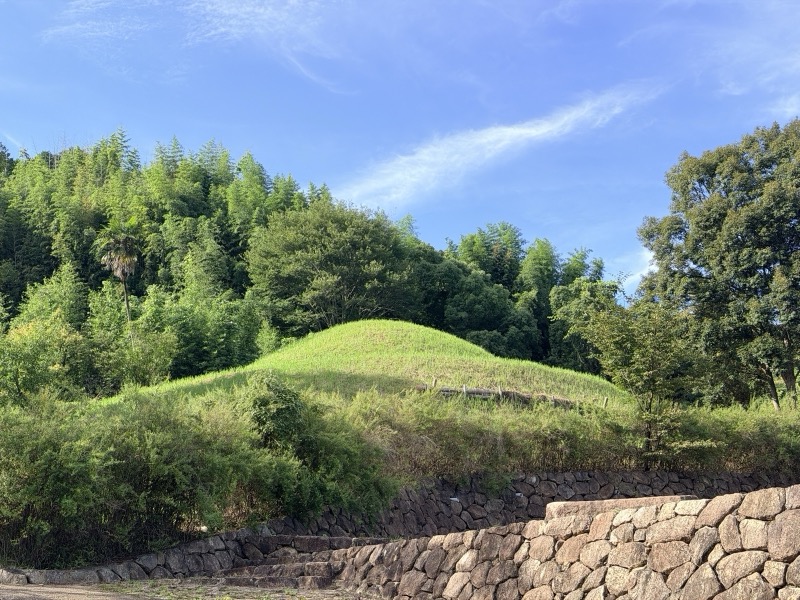
マルコ山古墳
A hexagonal burial mound 24 m across between opposite sides, a shape rarely found anywhere in Japan.
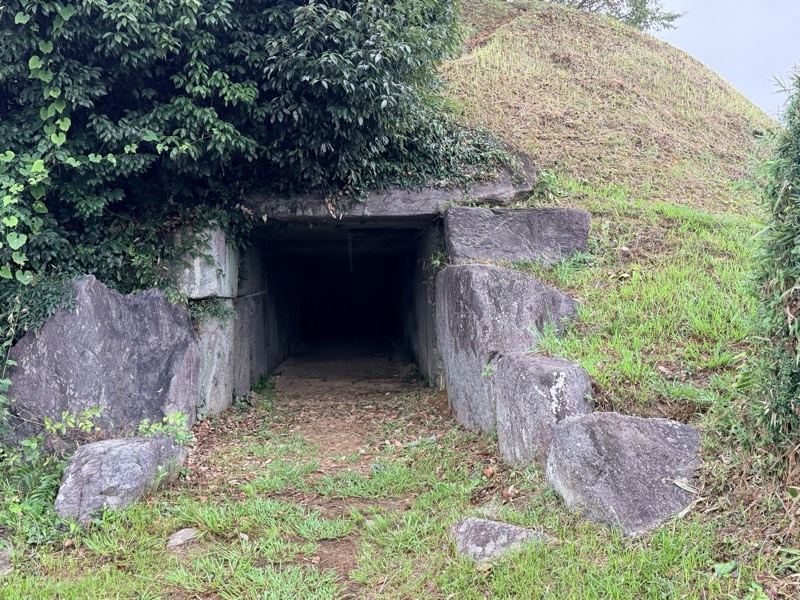
岩屋山古墳
Five minutes from the station: walk straight into a burial chamber built of tightly fitted cut stone.
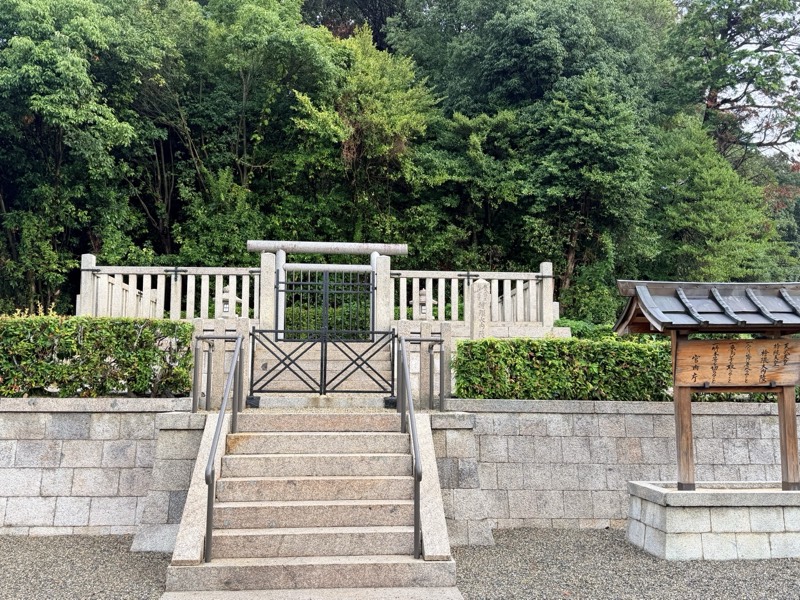
天武・持統天皇陵
One of the few octagonal imperial tombs whose occupants can be confirmed from written records.
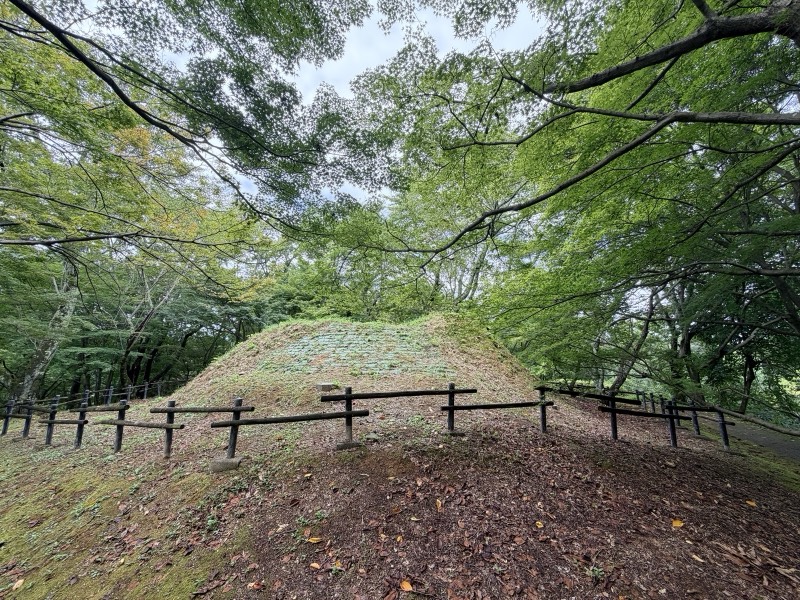
中尾山古墳
A small octagonal mound thought to be the tomb of the cremated Emperor Monmu.
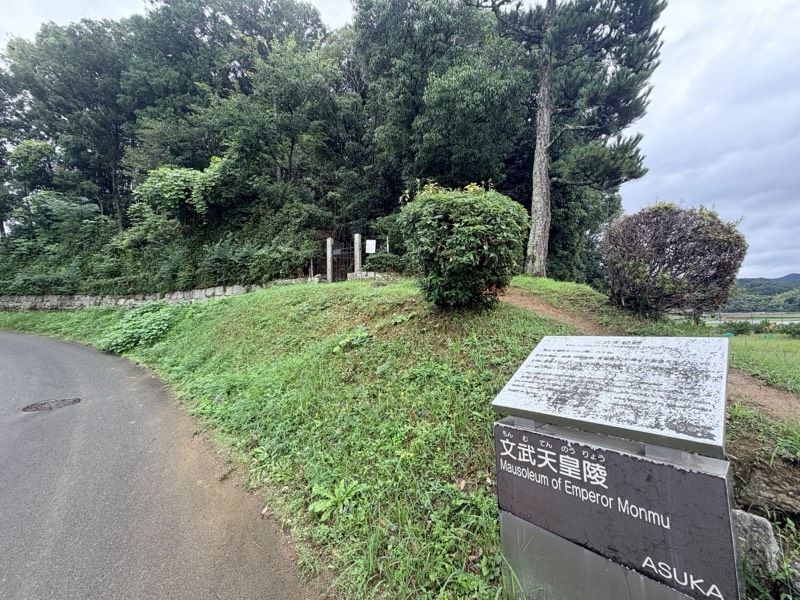
栗原塚穴古墳(文武天皇陵)
The tomb designated by the Imperial Household Agency as Emperor Monmu's, at odds with the archaeological view.
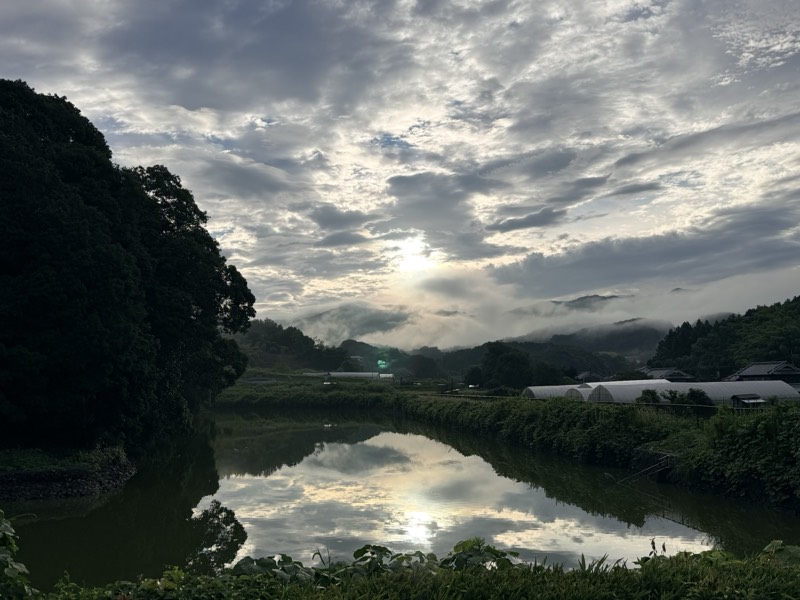
欽明天皇陵
One of the few large keyhole-shaped burial mounds in Asuka Village.
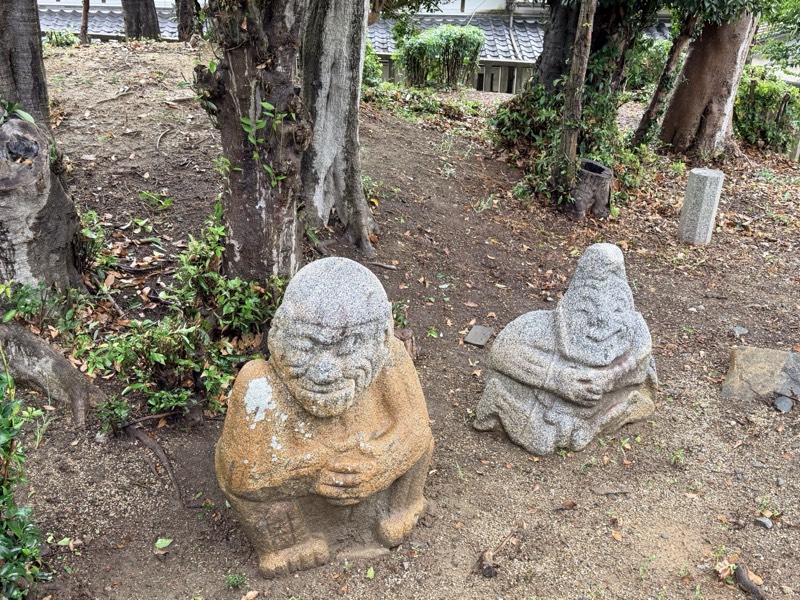
吉備姫王墓・猿石
Four stone figures known as the Saruishi stand in the tomb grounds. What they were for is still a mystery.
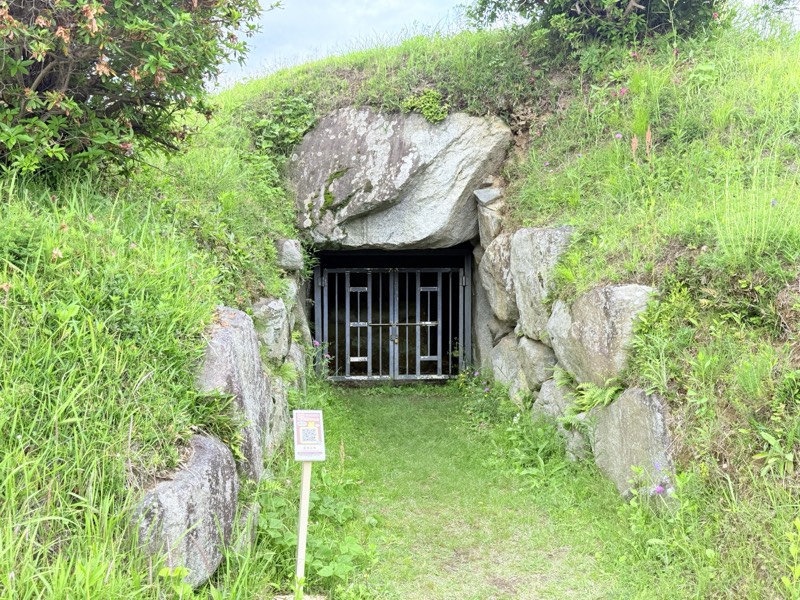
都塚古墳
A square burial mound built of stepped stone, like a step pyramid.
Components of the World Heritage Site "Asuka-Fujiwara", and other places worth visiting nearby
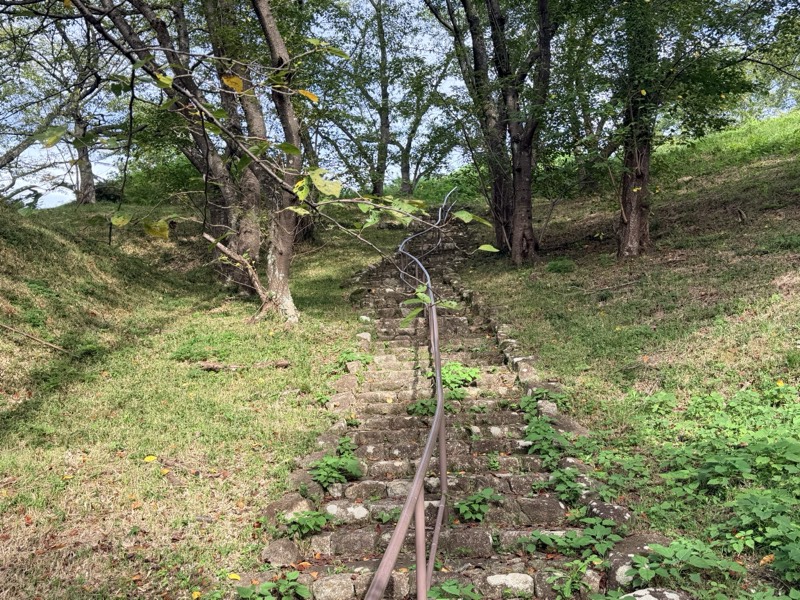
新沢千塚古墳群
About 600 burial mounds spread over low hills: one of Japan's most important kofun clusters.
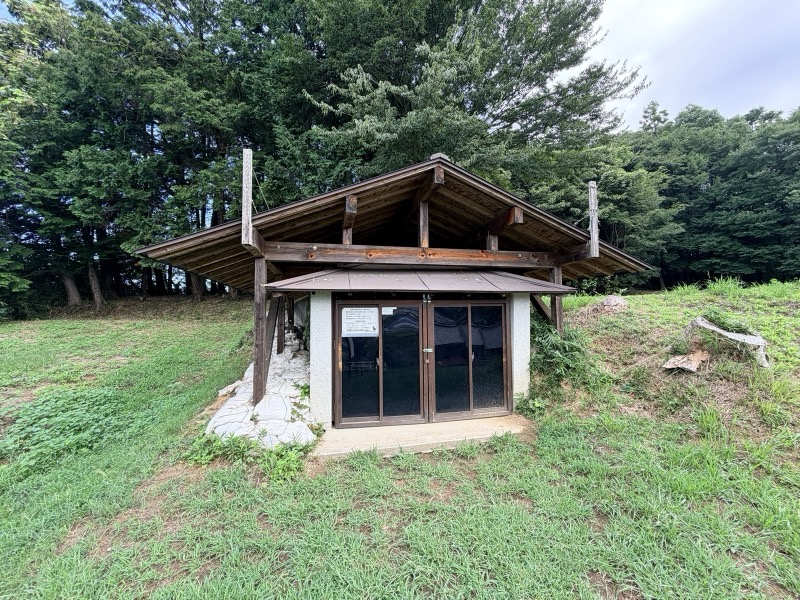
菖蒲池古墳
A square mound about 30 m on each side, with two house-shaped sarcophagi side by side. The stone chamber is inside a protective shelter.
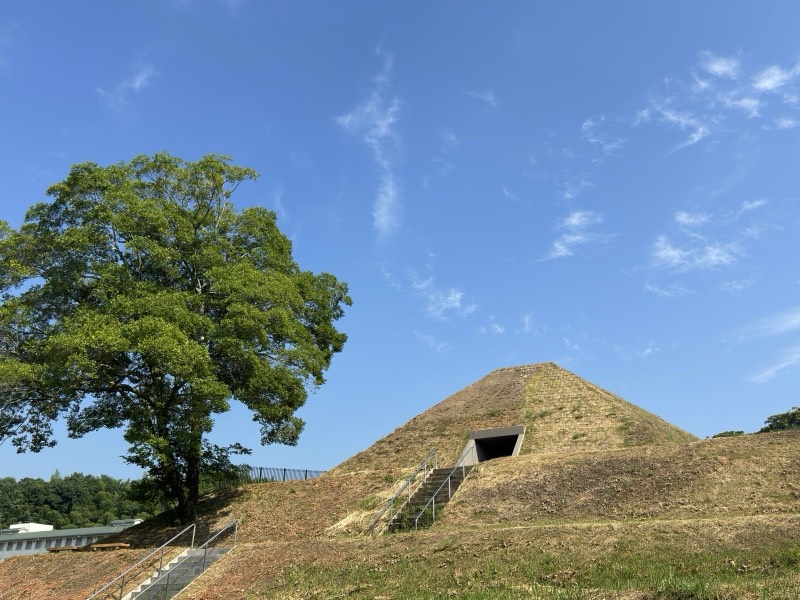
与楽カンジョ古墳
A stone chamber with a ceiling so high you have to crane your neck, and a floor paved entirely with river stones.