


1 / 2
天武・持統天皇陵(てんむ・じとうてんのうりょう)
One of the few octagonal imperial tombs whose occupants can be confirmed from written records.
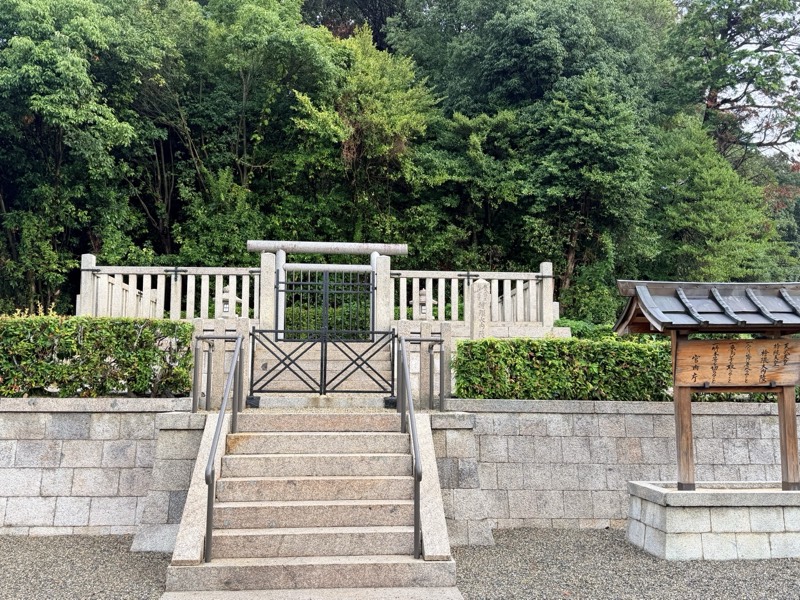
This is the joint tomb of Emperor Tenmu and Empress Jitō. As an archaeological site it is called Noguchi no Ōbo Kofun.
For many imperial tombs in Japan, the official designation by the Imperial Household Agency and the views of archaeologists do not agree. This is one of the few cases where the occupants are considered almost certain. The reason is that a record survives from when the tomb was robbed in the Kamakura period (1185–1333).
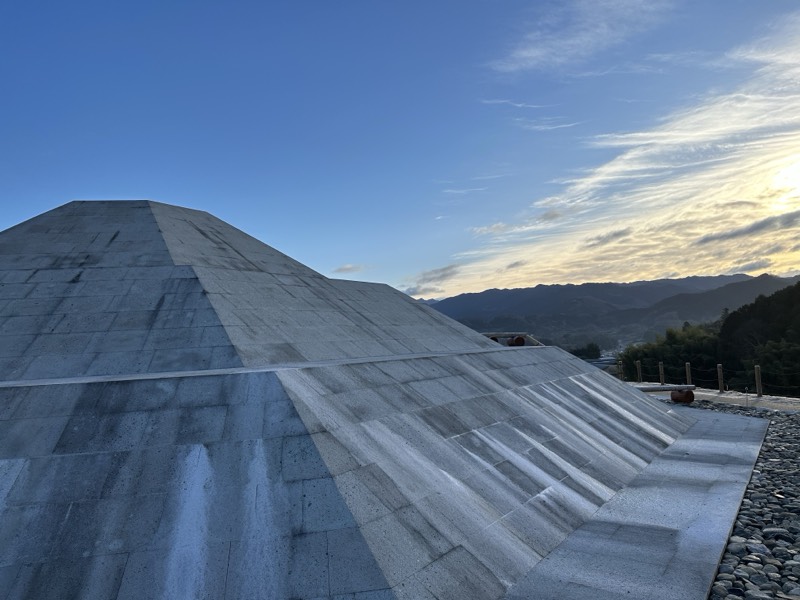
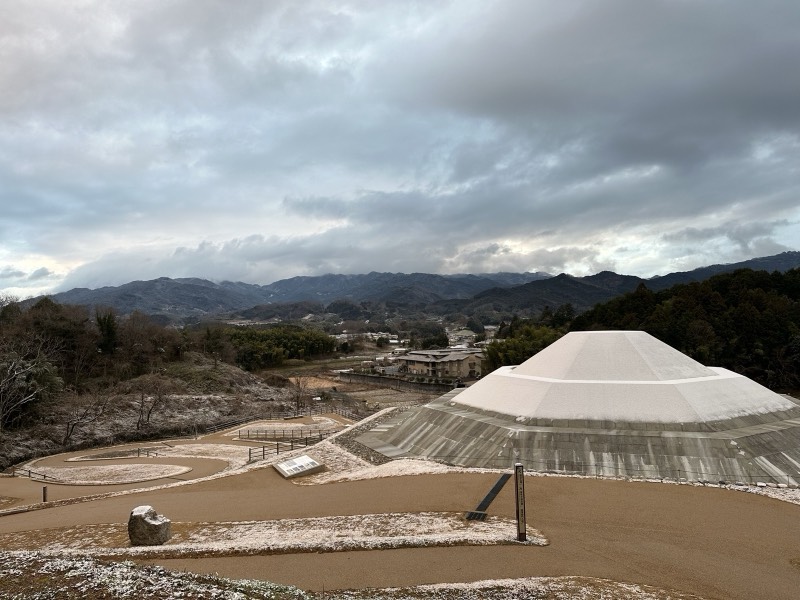
The mound is octagonal, about 37 m between opposite sides and about 7.7 m high, and was built in five tiers.
The octagon was a shape used in this period only for emperors' tombs. The tomb of Emperor Tenji, Nakaoyama Kofun and Kengoshizuka Kofun share it. Neither round nor square, the octagon is thought to have signified one who ruled all eight directions of the realm.
In 1235 the tomb was robbed. The record of the inspection made on site afterwards survives as the Aoki no Sanryōki (Record of the Aoki Mausoleum).
According to the record, a vermilion lacquered coffin lay inside the chamber, and beside it stood a silver urn for cremated bones. The coffin was Emperor Tenmu's, the urn Empress Jitō's. The robbers are said to have taken the urn and scattered the ashes inside it.
There are almost no other cases where the inside of a kofun (ancient burial mound) was described in writing. Because of this one record, there is no doubt that this is the tomb of Tenmu and Jitō.
Empress Jitō is said to have been the first Japanese sovereign to be cremated. She died in 702, was cremated the following year, and was laid to rest in the tomb of her husband, Emperor Tenmu.
After Emperor Tenmu died in 686, mogari, the long period of mourning rites before burial, was held for more than two years, and he was buried in 689. The two burials were 14 years apart, and in that time Empress Jitō moved the capital from Asuka to Fujiwara-kyō.
The tomb is managed by the Imperial Household Agency, and you cannot enter the mound. Visitors pay their respects from in front of the torii gate.
About 10 minutes on foot from Kintetsu Asuka Station. Oni no Manaita and Oni no Setchin are just to the north, and you can walk on to the tomb of Emperor Kinmei and the Saruishi (Monkey Stones).
Published
READ MORE
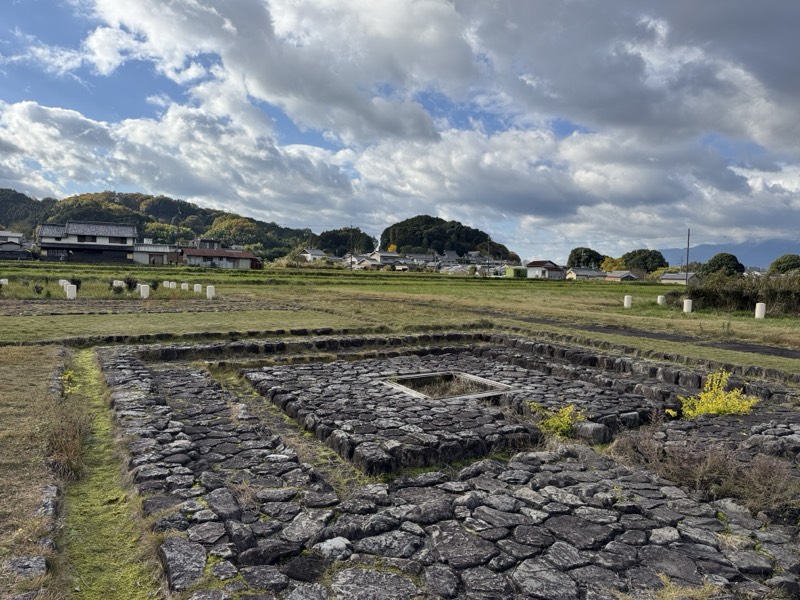 Asuka-Fujiwara World Heritage: All 19 Component Sites and How to Visit Them, with Half-Day, One-Day and Two-Day Routes"Asuka-Fujiwara" was inscribed on the World Heritage List in 2026. We list all 19 component sites with their…
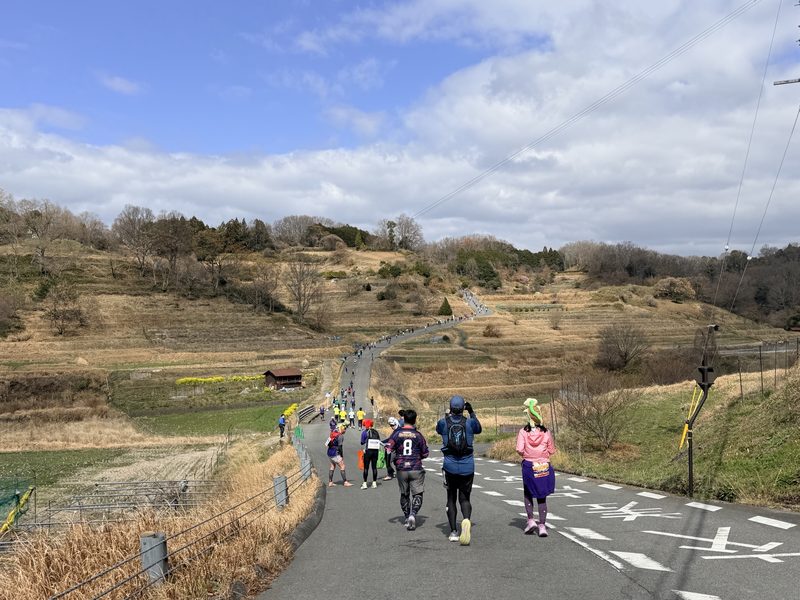 Remembered, Not Timed: Running the Asuka Half Marathon Past Ruins and Rice TerracesEvery March, 3,000 runners race past the historic sites and terraced rice fields of Asuka Village. Starting…
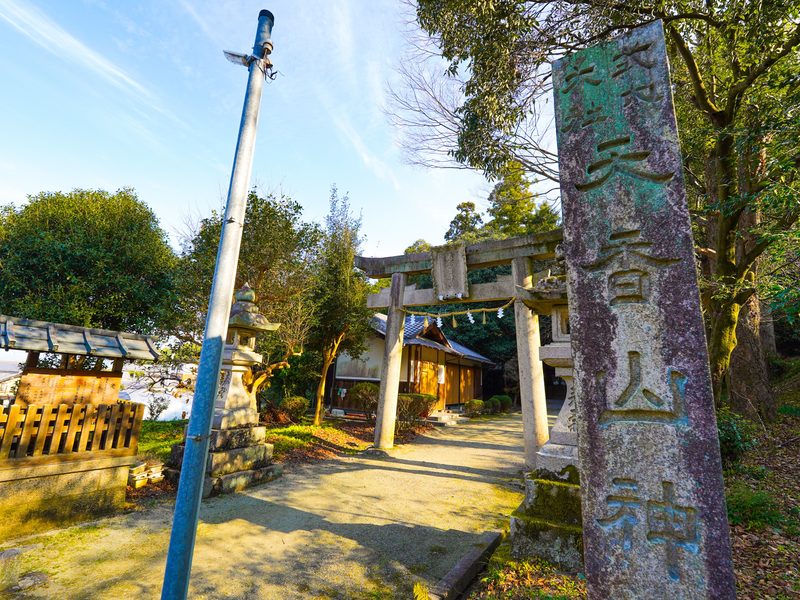 What Did the White Robes Announce? Empress Jitō's Poem of Heavenly Mount KaguEmpress Jitō's poem about Mount Kagu begins "Spring has passed, and summer seems to have come." It is loved…
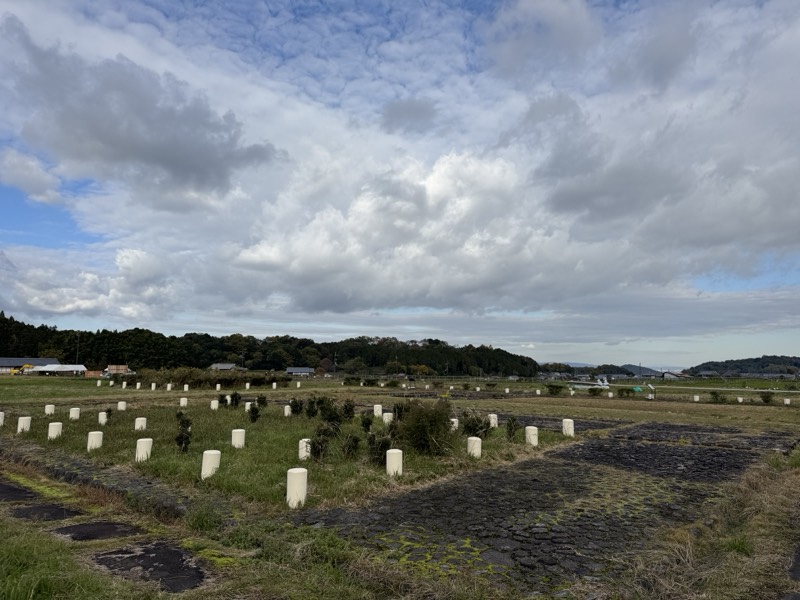 After the Oath: What Became of Emperor Tenmu's PrincesIn 679 Emperor Tenmu made six princes swear at Yoshino never to fight one another. It is well known that the…
 Two Who Crossed Imo Pass: Prince Ōama Once, Empress Jitō 31 TimesEnter the mountains at the far end of Asuka, cross a single ridge, and you are in Yoshino. Prince Ōama…Prince Takechi: The Eldest Son Far from the Throne, Yet Called "Mikoto"The man given command of the army in the Jinshin War was a 19-year-old eldest son. Because of his mother's…Whose Successor Was Empress Jitō? Tenmu's Empress, and Tenchi's DaughterAs the empress who completed the ritsuryō state (a state governed by law codes), she is usually spoken of in…No Longer from Brother to Brother: Succession through the Direct LineIn ancient Japan the throne often passed from elder brother to younger. One attempt to draw a line from…
 Was Emperor Tenmu Really the Younger Brother? Prince Aya, the Name That VanishedBefore she married Emperor Jomei, Empress Kōgyoku had already borne a son: Prince Aya (Aya no Miko). The…
 Women Who Soared through Asuka: The Five at the Heart of a Japan Heritage StoryThree reigning empresses (Suiko, Kōgyoku/Saimei and Jitō), the poet Nukata no Ōkimi, and the nun Zenshin-ni…A Century of Women Rulers: Empress Jitō and East Asia in Her TimeIn 690, the year Empress Jitō took the throne in Japan, Wu Zetian became emperor in Tang China. Half a…
 Octagonal Tombs: A Shape Reserved for EmperorsNeither round nor square, but a mound with eight sides. For about sixty years, from the mid-7th to the early…
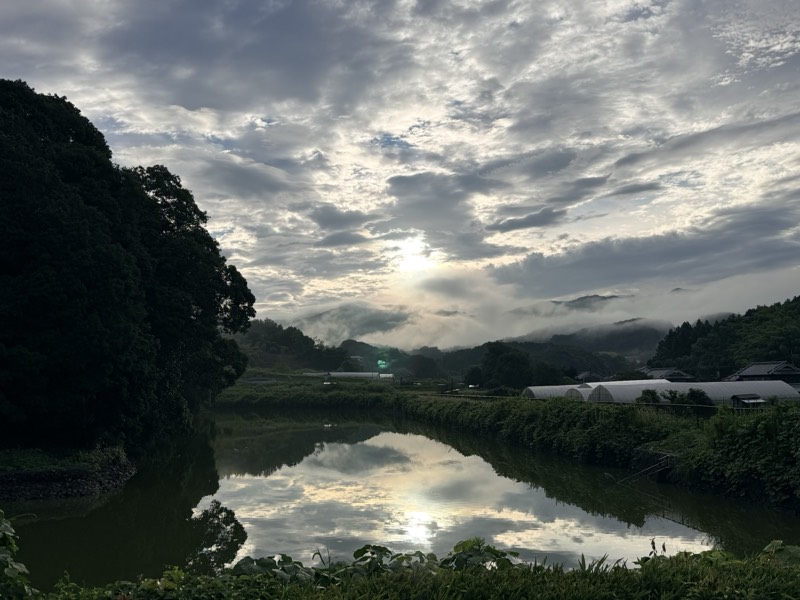 Asuka's Valley of the Kings: imperial tombs within walking distance of the stationAround Kintetsu Asuka Station, in Hirata, Noguchi and Koshi, a number of kofun said to be the tombs of…The record of a robbery that saved a tomb: the Mausoleum of Emperor Tenmu and Empress JitōVery few imperial tombs can be attributed to their occupants with near certainty. This one can because the…
NEARBY
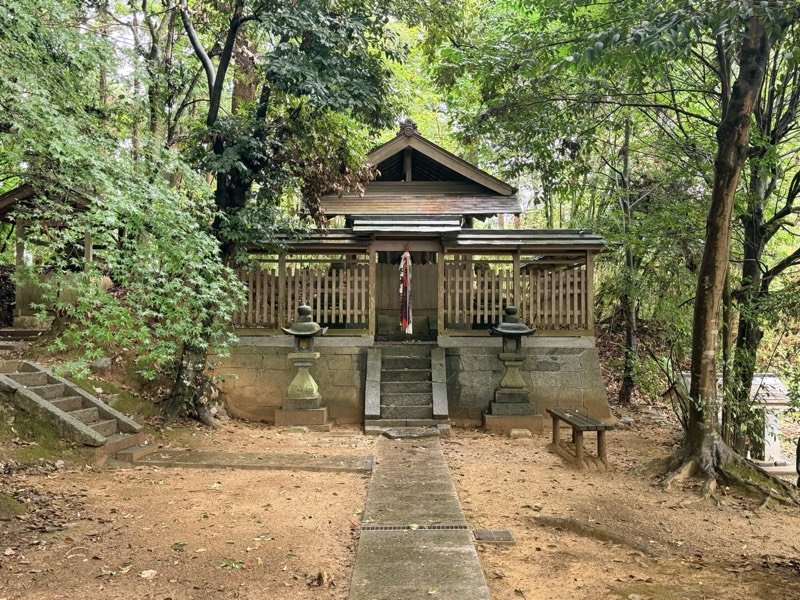
小泊瀬稚雀神社
A small shrine dedicated to Emperor Buretsu, standing where it looks towards the tomb of Emperor Tenmu and Empress Jitō.
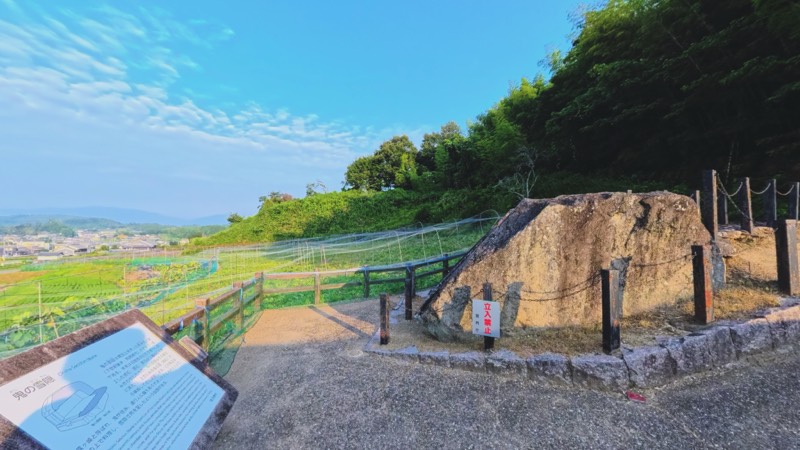
鬼の俎・鬼の雪隠
The pieces of a kofun burial chamber, split apart on either side of a slope.
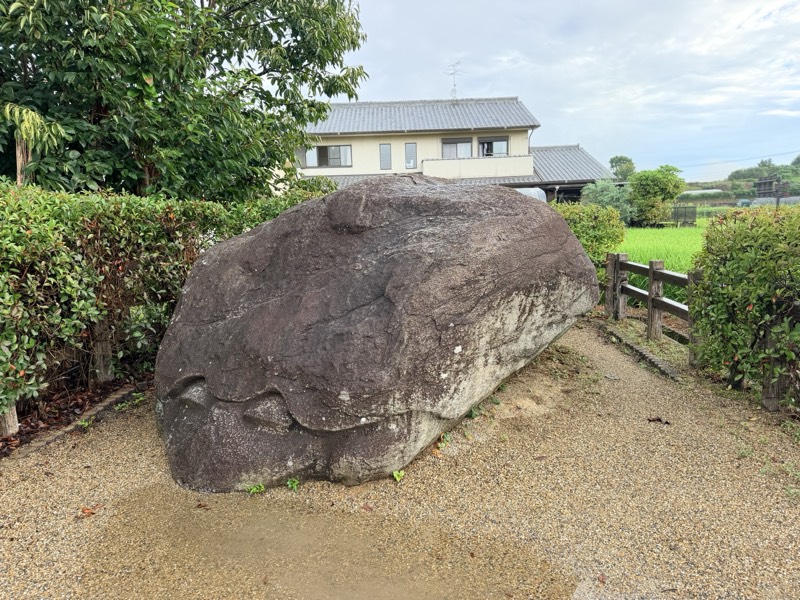
亀石
A granite boulder with a turtle's face, loved for its friendly look. One of Asuka's best-known stone monuments.