
Published
Three reigning empresses (Suiko, Kōgyoku/Saimei and Jitō), the poet Nukata no Ōkimi, and the nun Zenshin-ni. The Japan Heritage story recognised in 2015 sets out to reread Asuka through the eyes of these five.

On 24 April 2015, "The Dawn of the Nation of Japan: Women Who Soared through Asuka" was recognised as Japan Heritage. It bundles 43 cultural properties spread across Asuka Village, Kashihara City and Takatori Town into a single story.
Its main characters are five women: the three reigning empresses Suiko, Kōgyoku (later Saimei) and Jitō; Nukata no Ōkimi, a poet of the Man'yōshū (Japan's oldest anthology of poetry); and Zenshin-ni, the first person in Japan to take holy orders.
World Heritage listing and designation as a National Treasure or Important Cultural Property are systems that recognise the value of each individual thing. Japan Heritage works differently. It links cultural properties scattered across a region through a "story" and recognises the whole narrative.
So its components include both designated and undesignated properties. In Asuka, the wall paintings of Takamatsuzuka Kofun, a Special Historic Site, appear on the same list as the site of Sakata-dera Temple, which is not even a national Historic Site.
This land carries another reading as well. The World Heritage property "Asuka-Fujiwara" tells the story of the "palace capitals" through 19 component sites. Japan Heritage tells the story of the "women" through 43. Walking the same places, what you pick up changes depending on which lens you look through.
She took the throne in 592 after Emperor Sushun was assassinated, the first woman to reign in this country. Her palace was the Toyura Palace, and the Asuka period is said to begin here.
It was an age in which the shape of the state was put in order while Buddhism and the worship of native kami (gods) were kept side by side. The Twelve Cap Ranks and the Seventeen-Article Constitution were both established during her reign.
She took the throne as Empress Kōgyoku in 642, stepped down after the Isshi Incident (the coup of 645), and took the throne again as Empress Saimei in 655. The same person reigning twice is called chōso.
This empress moved earth on a grand scale: building palaces, stone walls, canals. The Nihon Shoki (Japan's oldest official chronicle, compiled in 720) calls one of her canals tabure-gokoro no mizo, the "Canal of Madness," and writes that people mocked it. Several of Asuka's stone monuments are thought to date back to the building works of her era.
When drought struck Yamato the year after she took the throne, she went herself to the upper reaches of the Asuka River, looked up to the heavens and prayed for rain.

The consort of Emperor Tenmu, she took over the government after her husband's death and took the throne in 690.
Her great project was Fujiwara-kyō. Asuka's palaces had customarily moved with each new reign, but here, for the first time, a full-scale capital with a grid of streets was built. The compilation of the Taihō Code (Japan's first complete ritsuryō law code) lies further along this same path.
Ending the age of ever-moving palaces and having people live in a capital city: this was the work that closed the Asuka period.
A woman whose poems survive in the Man'yōshū. She played the role of voicing the feelings of the occasion on behalf of the emperor and the court.
When Empress Saimei set sail for Kyushu, when the court was deciding whether spring or autumn was finer: several of her poems composed on such public occasions survive. In a different way from the official records, Nukata no Ōkimi's poems convey the mood of the age to us today.
She took holy orders in 584 at the age of 11, the first person in this country to do so. She was the daughter of Shiba Tatto and was born into an immigrant family.
In 588 she crossed to the Korean kingdom of Baekje to study the Buddhist precepts. This is regarded as the first record of anyone going overseas to study, and it was before the missions to Sui China.
A thatched hall that her father built at Sakatahara in Takechi District is said to have been the beginning of Sakata-dera Temple. She is the only one of the five who was neither a monarch nor a member of the court.
Most of the 43 components are in Asuka Village: the Toyura Palace site, the Asuka Palace site (the traditional site of the Asuka Itabuki Palace), the Asuka Inabuchi Palace site, the Asuka Mizuochi site, the Ishigami site, the Asuka Palace garden pond site, the site of Asuka-dera Temple, the site of Sakata-dera, the site of Kawara-dera, Kengoshizuka Kofun, the Tomb of Princess Kibi, the Mausoleum of Emperor Tenmu and Empress Jitō, the wall paintings of Takamatsuzuka Kofun, Imo Pass and the Asuka River.
In Kashihara City are the Fujiwara Palace site, the site of Moto-Yakushiji Temple and the Three Mountains of Yamato. In Takatori Town are the Mausoleum of Empress Saimei (Ochi-no-Okanoe Mausoleum) and the Saruishi (monkey stones) at the Takatori Castle ruins.
Each one is already a well-known place. But redraw the lines as "the empresses' building works," "nunneries" and "places where poems were composed," and the arrangement changes. For a second walk through Asuka, these 43 make a good route.
RELATED SPOT
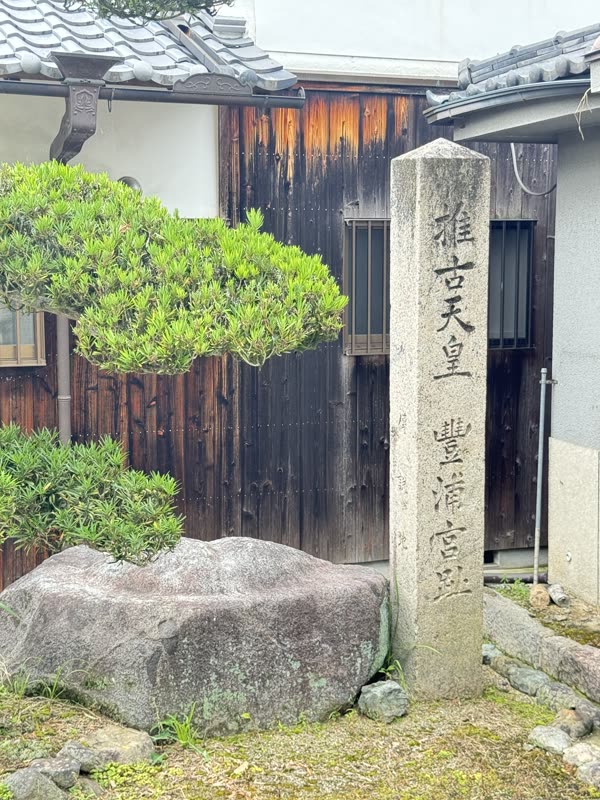
豊浦宮跡
The site of the palace where Empress Suiko took the throne, marking the beginning of the Asuka period.
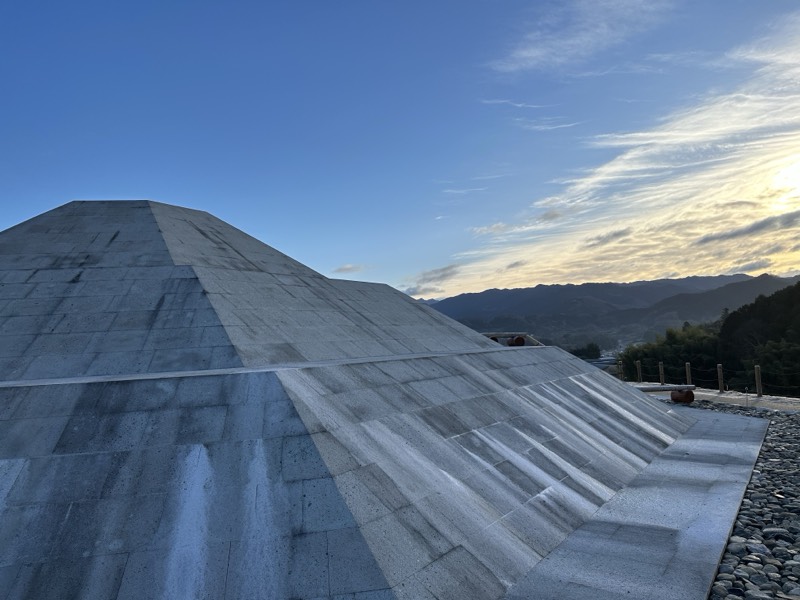
牽牛子塚古墳
An octagonal burial mound, now widely thought to be the tomb of Empress Saimei.
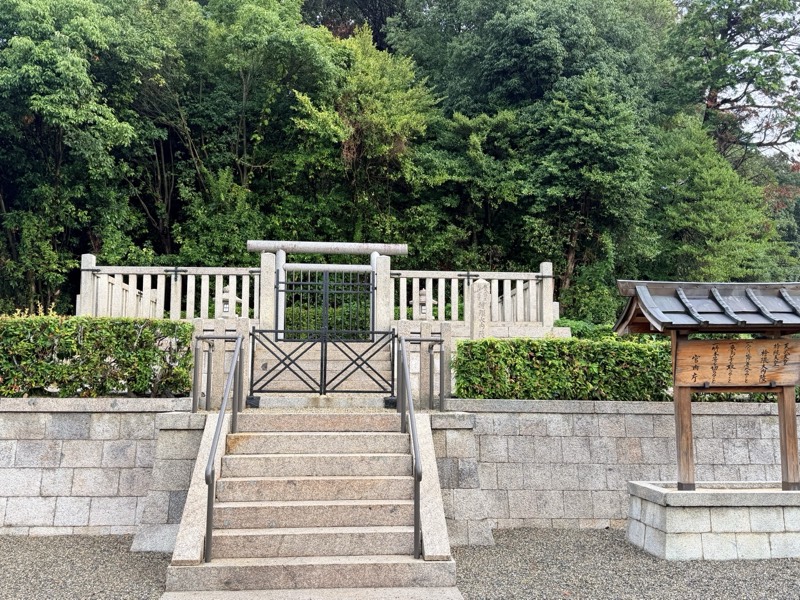
天武・持統天皇陵
One of the few octagonal imperial tombs whose occupants can be confirmed from written records.
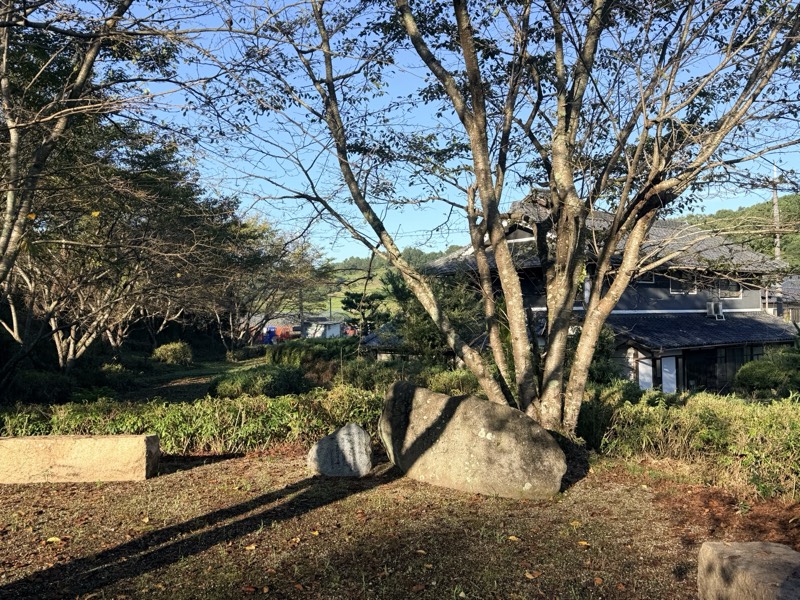
坂田寺跡
The family temple of the clan of Kuratsukuri no Tori, maker of the Asuka Daibutsu. One of Asuka's oldest temples, it was also a nunnery.
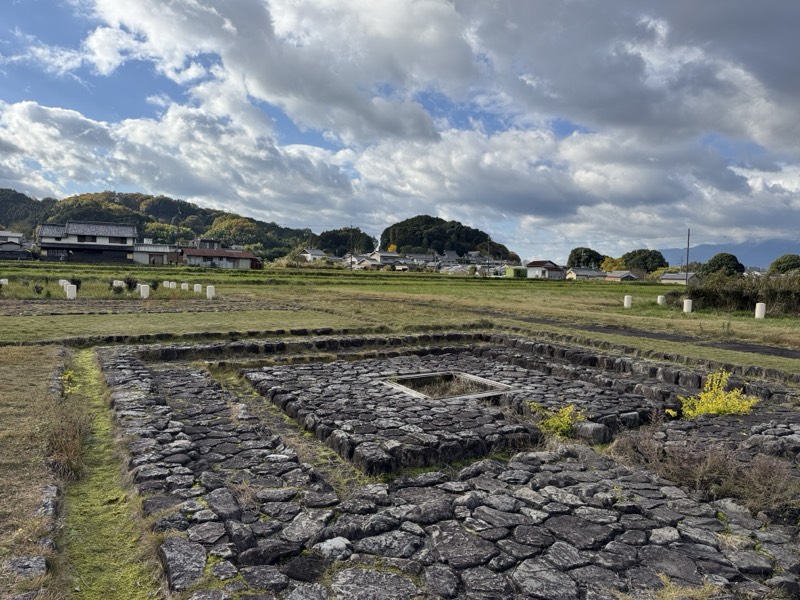
飛鳥宮跡(伝 飛鳥板蓋宮跡)
The political heart of Asuka, where several palaces were built one on top of another.
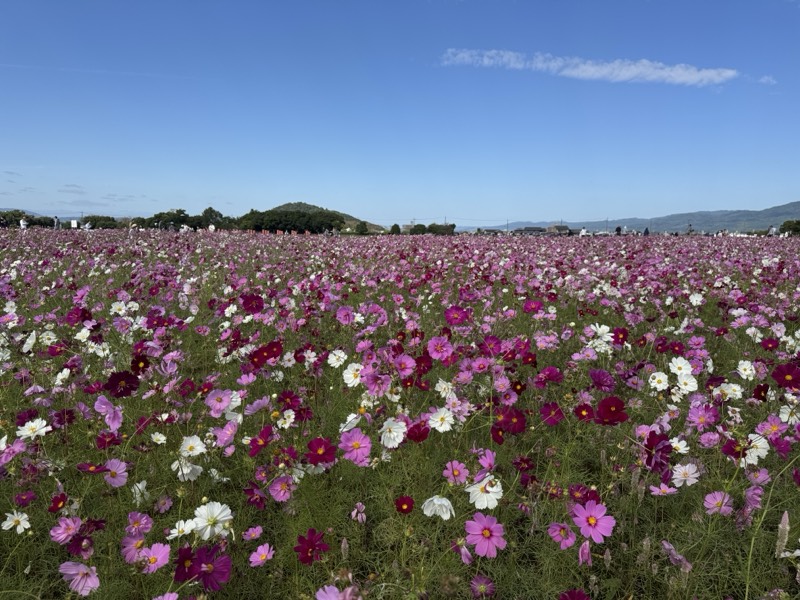
藤原宮跡
The heart of Japan's first full-scale planned capital, also known for its seasonal flower fields.
RELATED COLUMN
Asuka-Fujiwara World Heritage: All 19 Component Sites and How to Visit Them, with Half-Day, One-Day and Two-Day Routes"Asuka-Fujiwara" was inscribed on the World Heritage List in 2026. We list all 19 component sites with their… Whose Successor Was Empress Jitō? Tenmu's Empress, and Tenchi's DaughterAs the empress who completed the ritsuryō state (a state governed by law codes), she is usually spoken of in…Was Emperor Tenmu Really the Younger Brother? Prince Aya, the Name That VanishedBefore she married Emperor Jomei, Empress Kōgyoku had already borne a son: Prince Aya (Aya no Miko). The…