


1 / 2
飛鳥宮跡(伝 飛鳥板蓋宮跡)(あすかきゅうせき)
The political heart of Asuka, where several palaces were built one on top of another.
This is the site of palaces from the Asuka period (late 6th to early 8th century). Excavations revealed that palaces from different periods were built here in three layers, one on top of another.
In the Asuka period, a new palace was normally built whenever a new ruler came to the throne. Even so, this one spot was chosen again and again. For several decades, the political centre of Asuka was here.
The lowest layer is thought to be Emperor Jomei's Asuka Okamoto Palace (630). Above it is Empress Kōgyoku's Asuka Itabuki Palace (643).
The top layer is divided in two: Empress Saimei's Later Asuka Okamoto Palace (656), and the Asuka Kiyomihara Palace of Emperor Tenmu and Empress Jitō, which took it over. It was used until the capital moved to Fujiwara-kyō in 694.
The name Itabuki ("board-roofed") comes from its roof of wooden boards. Earlier palaces had thatched roofs, so a board roof was a novelty.
The Isshi Incident of 645 is said to have taken place in this Itabuki Palace.
During a ceremony at which envoys from the three Korean kingdoms presented tribute, Prince Naka-no-Ōe and Nakatomi no Kamatari killed Soga no Iruka. This began the series of reforms known as the Taika Reforms, and the capital moved to Naniwa.
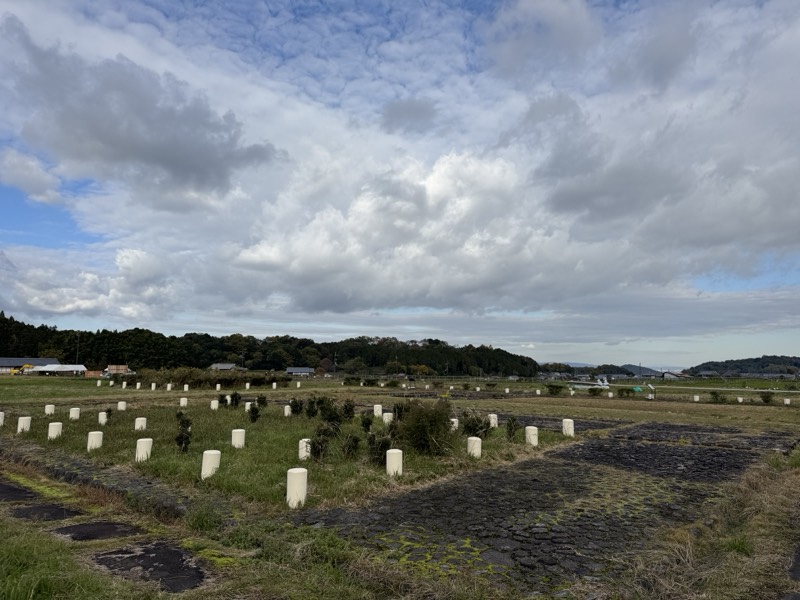
A scene found in every Japanese history textbook took place here, in what are now rice fields.
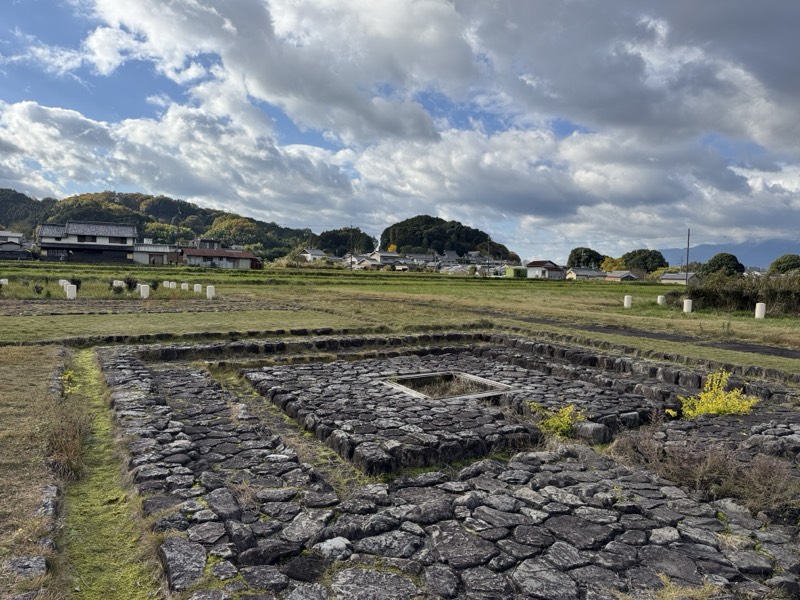
What is visible today are the remains of the top layer: a square paved with stones, and in its centre the site of a stone-lined well about 2.4 m on each side.
The white posts dotted around mark the positions where building pillars once stood. Following their lines, you can read the size and orientation of each building, and even how its rooms were divided.
The stone paving is thought to have been laid to create a space for ceremonies.
In the southeast corner is an area called the Ebinoko Enclosure. Inside a walled compound, the remains of a large building about 29 m east–west and 15 m north–south were found.
It is thought to be the Daigokuden (Great Hall of State) of the Asuka Kiyomihara Palace. It is the first example of the main hall, where the emperor conducted government business and ceremonies, being set within its own separate compound. The form that led to the Daigokuden of Fujiwara-kyō and Heijō-kyō was born here.
The site was designated a national Historic Site in 1972. Its original name was "Den Asuka Itabuki-no-miya Ato," meaning the site "traditionally said to be" the Itabuki Palace.
Later excavations made it clear that several palaces were layered here, and a name referring only to the Itabuki Palace no longer fitted the facts. So in 2016 it was renamed the "Asuka Palace Site."
About 5 minutes on foot from the "Oka-hashimoto" stop on the Asuka loop bus from Kintetsu Kashiharajingu-mae Station. Admission is free and the site is open at all times.
The remains lie low among the fields, and there are no buildings. Still, once you know a palace stood here, the hills and villages behind look different. The site lies midway between Ishibutai Kofun and Asuka-dera Temple.
Published
READ MORE
 Asuka-Fujiwara World Heritage: All 19 Component Sites and How to Visit Them, with Half-Day, One-Day and Two-Day Routes"Asuka-Fujiwara" was inscribed on the World Heritage List in 2026. We list all 19 component sites with their…Whom Was "You Waving Your Sleeve" For? Nukata no Ōkimi and the Poems of GamōnoNukata no Ōkimi had a daughter with Prince Ōama and is thought to have later gone over to Emperor Tenchi. In…
 After the Oath: What Became of Emperor Tenmu's PrincesIn 679 Emperor Tenmu made six princes swear at Yoshino never to fight one another. It is well known that the…
 Two Who Crossed Imo Pass: Prince Ōama Once, Empress Jitō 31 TimesEnter the mountains at the far end of Asuka, cross a single ridge, and you are in Yoshino. Prince Ōama…Prince Takechi: The Eldest Son Far from the Throne, Yet Called "Mikoto"The man given command of the army in the Jinshin War was a 19-year-old eldest son. Because of his mother's…Whose Successor Was Empress Jitō? Tenmu's Empress, and Tenchi's DaughterAs the empress who completed the ritsuryō state (a state governed by law codes), she is usually spoken of in…No Longer from Brother to Brother: Succession through the Direct LineIn ancient Japan the throne often passed from elder brother to younger. One attempt to draw a line from…
 "Ōe" Is Not a Name: Naka-no-Ōe, Furuhito-no-Ōe and Yamashiro-no-ŌeThe "Ōe" in Prince Naka-no-Ōe is not a personal name. It is a term showing eligibility to succeed to the…
 Was Emperor Tenmu Really the Younger Brother? Prince Aya, the Name That VanishedBefore she married Emperor Jomei, Empress Kōgyoku had already borne a son: Prince Aya (Aya no Miko). The…The Bride Who Vanished on Her Wedding Night: How Ochi no Iratsume Came to MarryIt was a match arranged by Nakatomi no Kamatari: the eldest daughter of Soga no Kura-no-Yamada no…Soga no Kura-no-Yamada no Ishikawamaro: The Soga Who Sided Against the SogaBorn into the branch of the Soga clan that kept its storehouses, he joined the side that killed Iruka, and…
 Where Was the Palace Before Asuka? From Makimuku to IwareFrom Makimuku at the foot of Mt Miwa, by way of Iware, to Asuka: the seat of royal power moved south across a…
 Women Who Soared through Asuka: The Five at the Heart of a Japan Heritage StoryThree reigning empresses (Suiko, Kōgyoku/Saimei and Jitō), the poet Nukata no Ōkimi, and the nun Zenshin-ni…
 The Original Didn't Follow the Book: Fujiwara-kyō Seen from Chang'anFujiwara-kyō placed its palace at the centre of the capital, just as the Chinese classic the Rites of Zhou…A Century of Women Rulers: Empress Jitō and East Asia in Her TimeIn 690, the year Empress Jitō took the throne in Japan, Wu Zetian became emperor in Tang China. Half a…Where Japan as a State Began: The 19 Sites of the Asuka-Fujiwara World Heritage PropertyIt was inscribed on 26 July 2026. All that was chosen were the remains of palaces, temples and tombs, and…
 飛鳥 and 明日香: two ways of writing the same placeThe ruins and the historical period are written 飛鳥, the village is written 明日香. Both are read "Asuka", so why…
 A hundred years after "utterly unreasonable": how the ritsuryō state was builtIn 600 the first envoys sent to the Sui court in China came home having been told by the emperor that their…
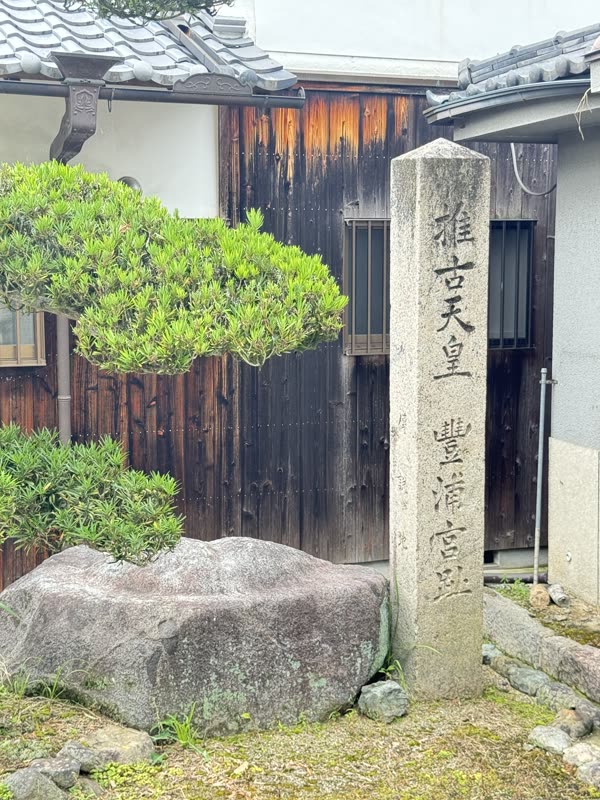 Why did the palaces of Asuka keep moving?Toyura, Oharida, Okamoto, Itabuki, Kawahara, Kiyomihara. Over a hundred years the palace moved again and…
NEARBY
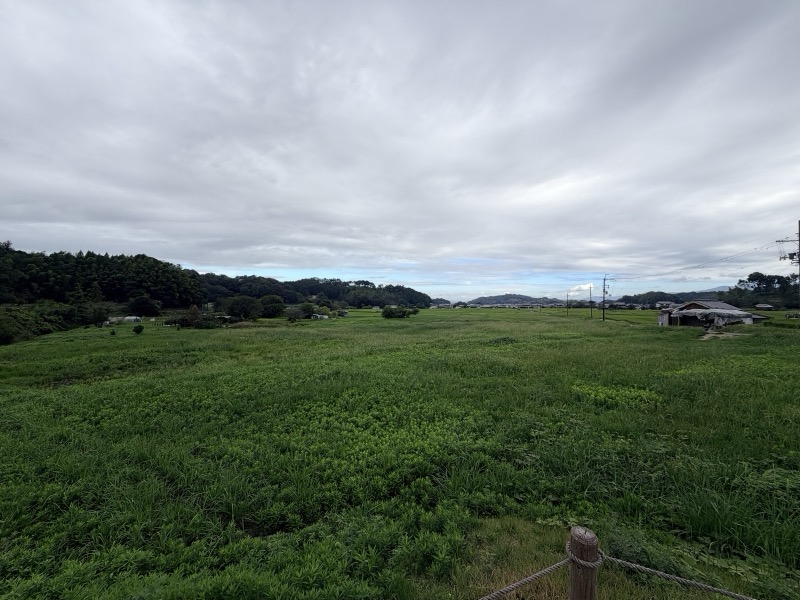
飛鳥京跡苑池
The site of a palace garden, regarded as the earliest example of a Japanese garden.
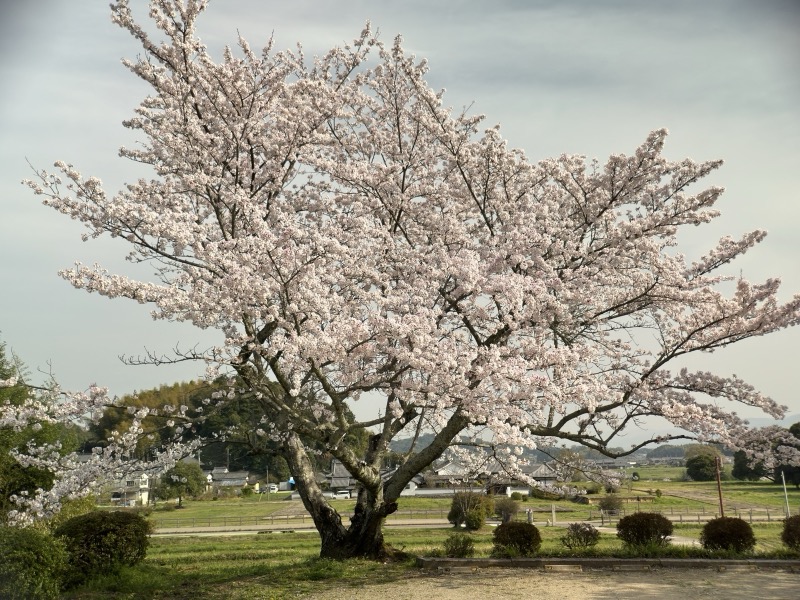
飛鳥川
The river that runs through the village, sung of in the Man'yōshū.
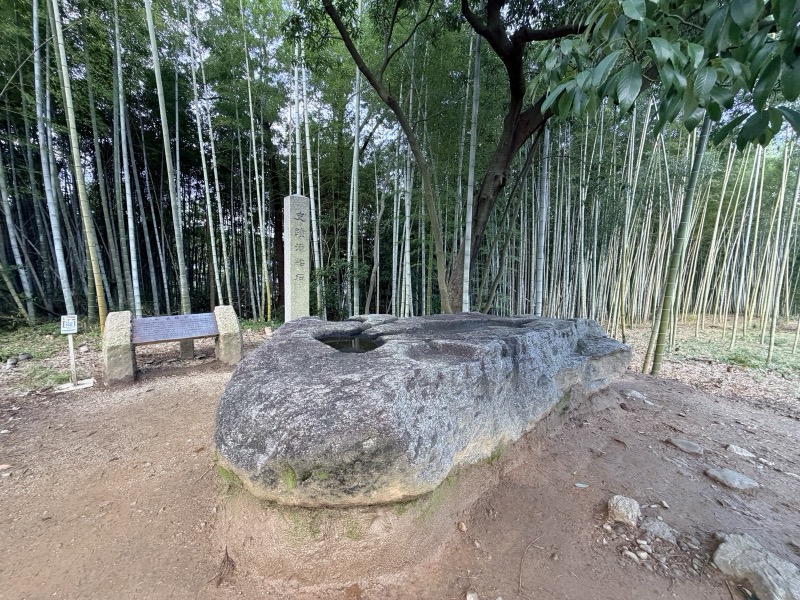
酒船石
A mysterious stone carved with circles and channels, lying in a bamboo grove on top of a hill.