
17 spots
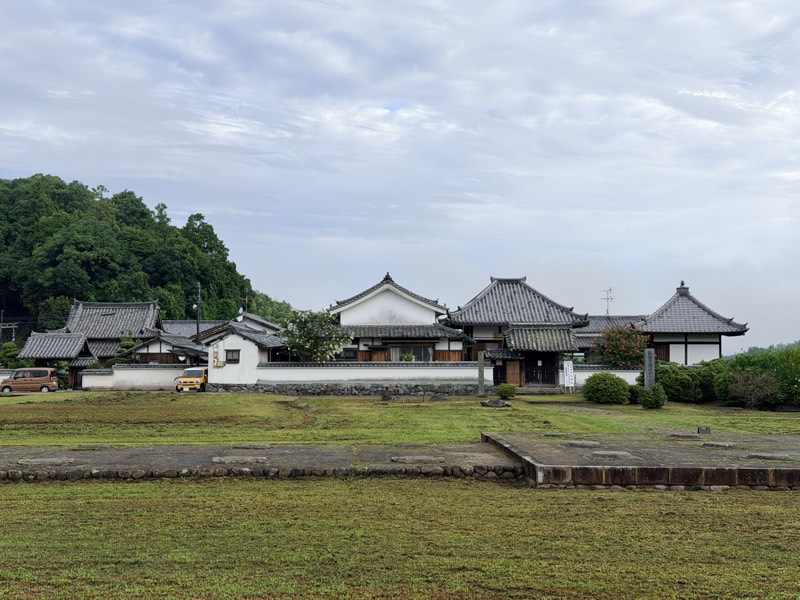
川原寺跡(弘福寺)
One of the four great temples of Asuka. Its foundation stones still show how large its halls once were.
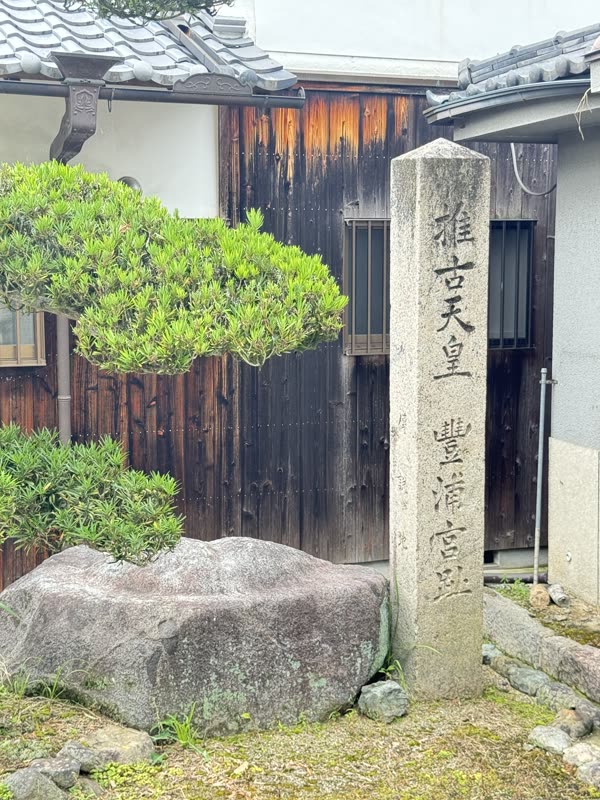
豊浦宮跡
The site of the palace where Empress Suiko took the throne, marking the beginning of the Asuka period.
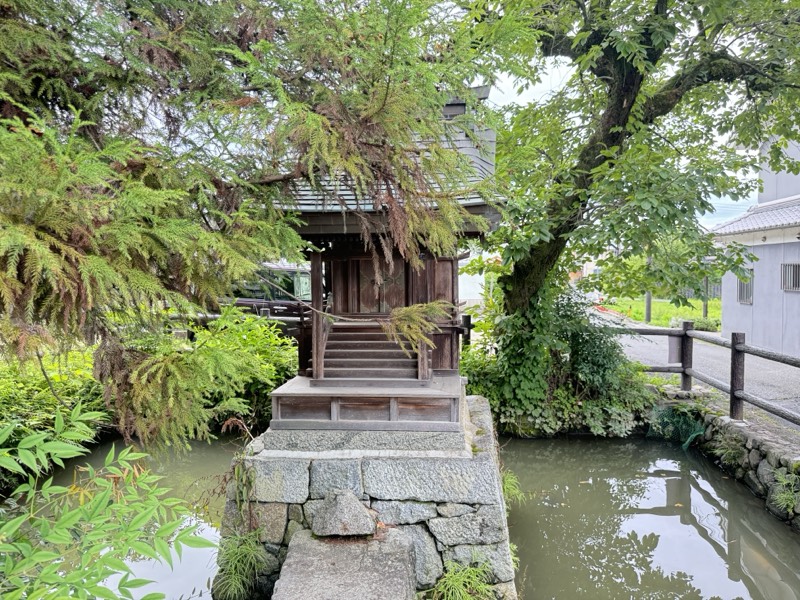
向原寺(豊浦寺跡)
A temple standing on the site of Toyura-dera, Japan's first nunnery, with the Naniwa Pond tied to the legend of Buddhism's arrival.
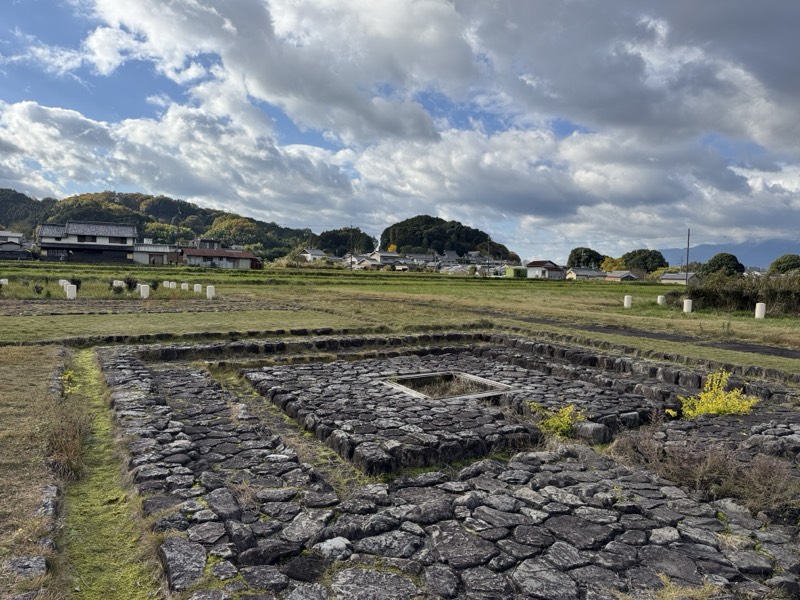
飛鳥宮跡(伝 飛鳥板蓋宮跡)
The political heart of Asuka, where several palaces were built one on top of another.
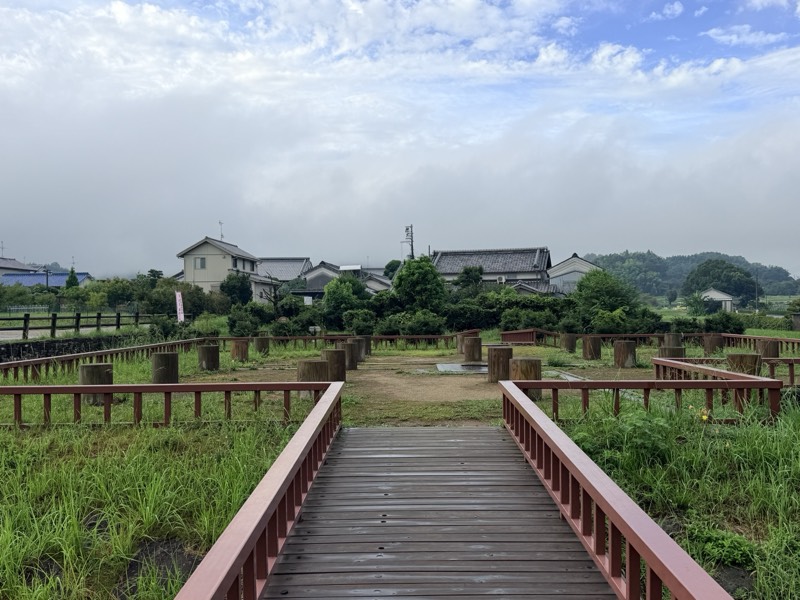
飛鳥水落遺跡
The site of Japan's first water clock, built by Prince Naka-no-Ōe.
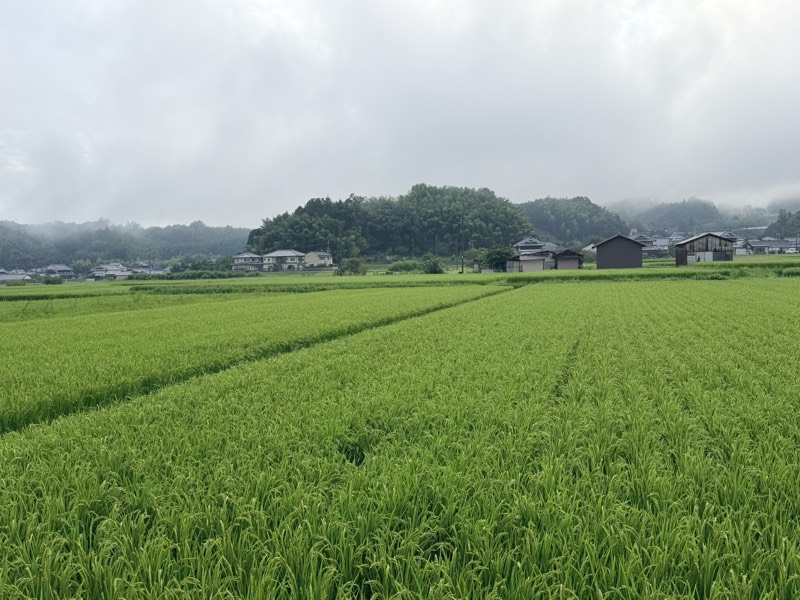
石神遺跡
Empress Saimei's banquet grounds, where the Shumisen Stone was unearthed.
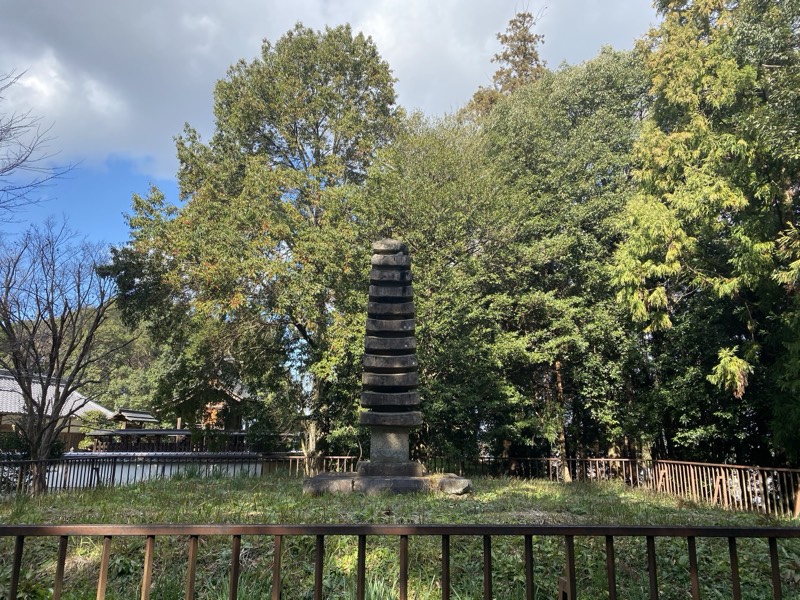
檜隈寺跡/於美阿志神社
A temple site linked to the Yamato no Aya, a clan of immigrant origin, with a thirteen-storey stone pagoda.
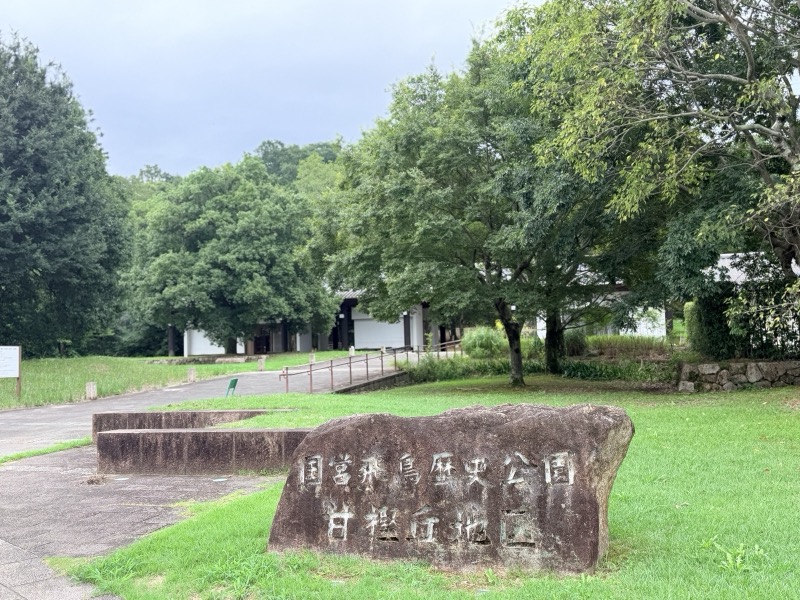
甘樫丘
A hill with views over all of Asuka, said to have been the site of the Soga clan's residences.
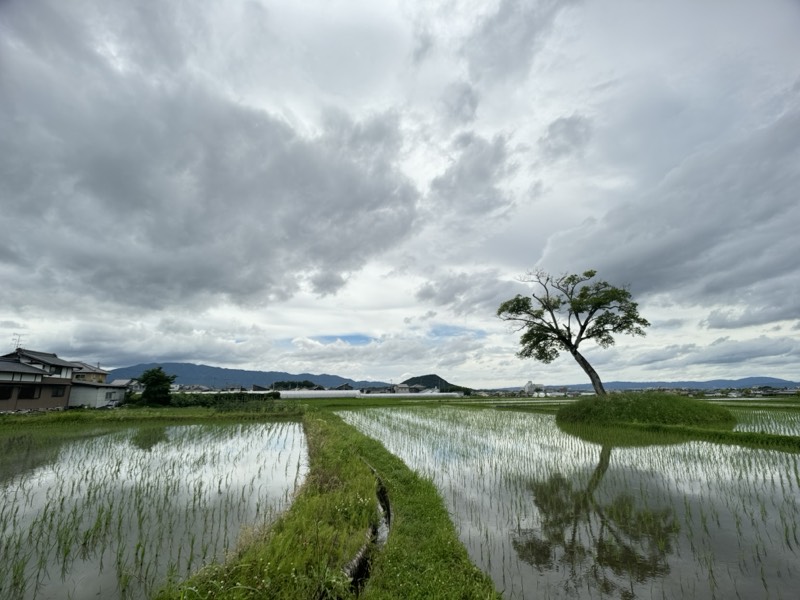
古宮遺跡
The remains of a palace or mansion, where stone-lined channels were found among rice fields.
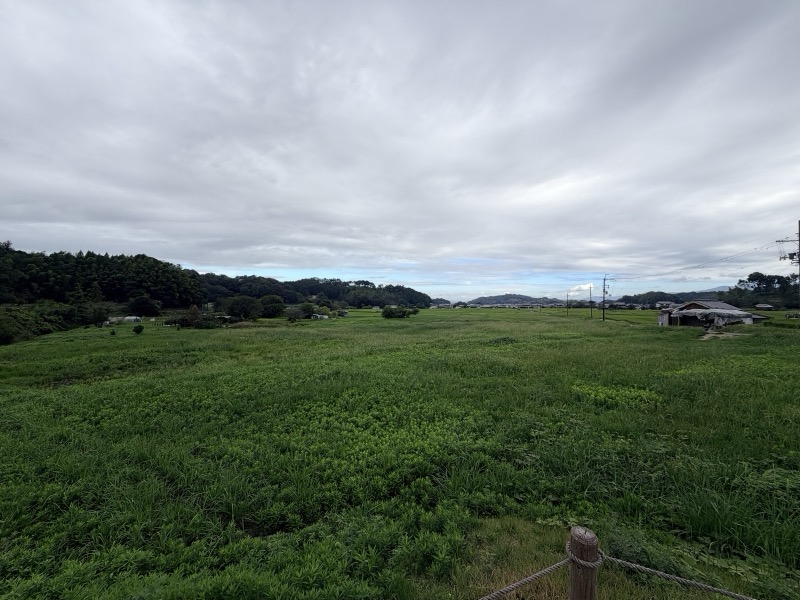
飛鳥京跡苑池
The site of a palace garden, regarded as the earliest example of a Japanese garden.
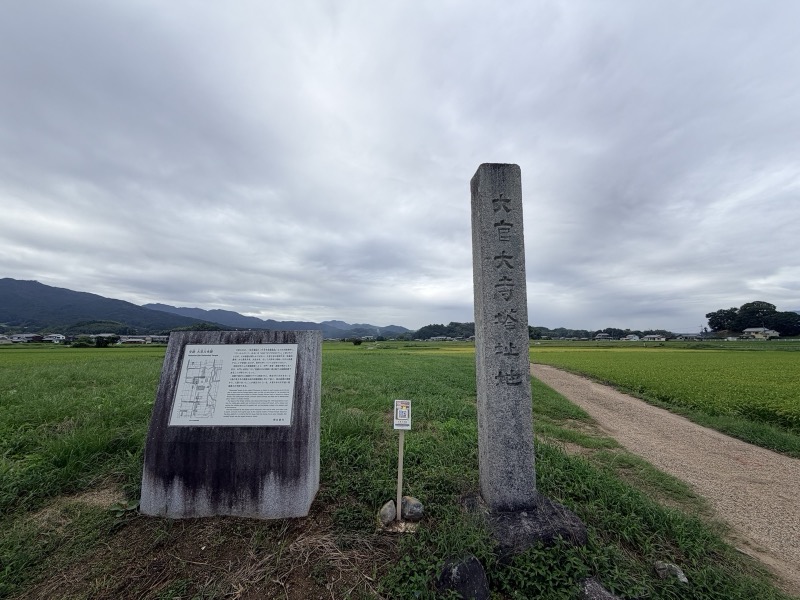
大官大寺跡
The site of the largest state temple of Asuka-Fujiwara, once crowned by a nine-storey pagoda.
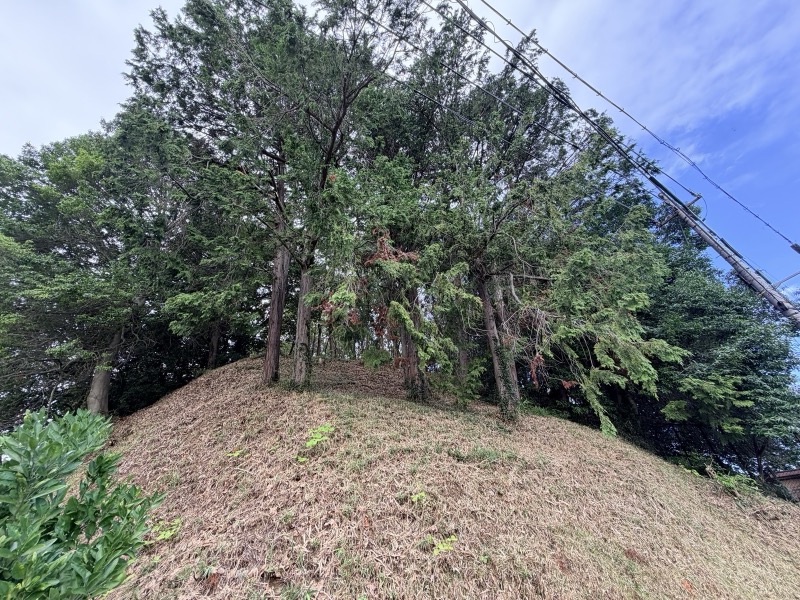
雷丘
A small hill with a story about catching thunder. The area to its east is a proposed site of the Oharida Palace.
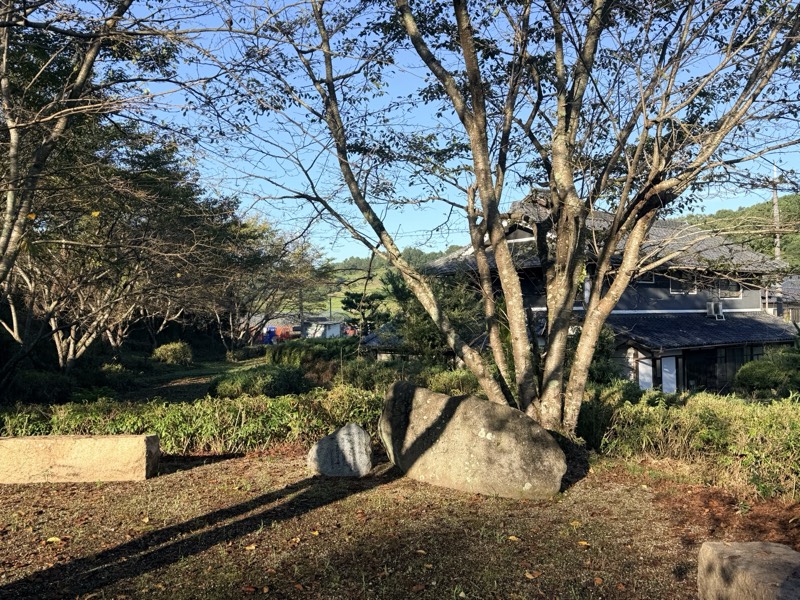
坂田寺跡
The family temple of the clan of Kuratsukuri no Tori, maker of the Asuka Daibutsu. One of Asuka's oldest temples, it was also a nunnery.
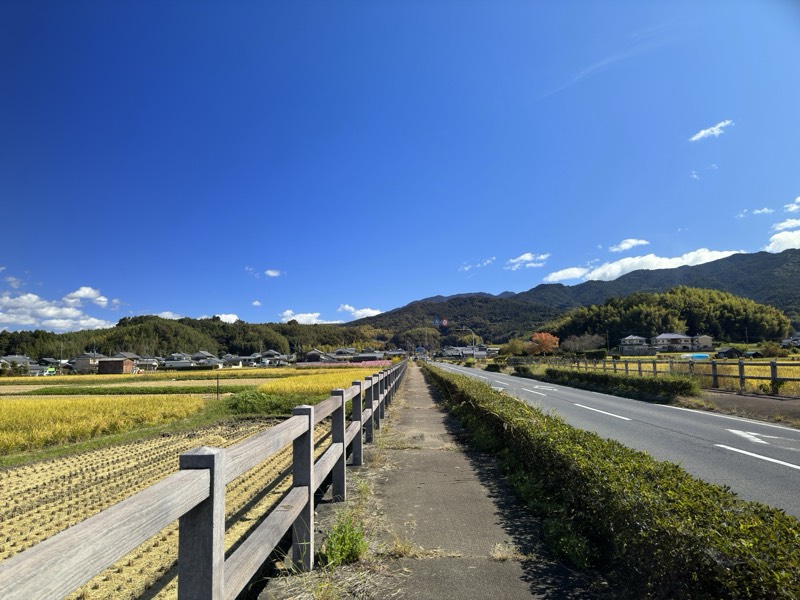
山田道
An ancient official road running east–west through Asuka. It welcomed envoys from Sui China and led to Yamada-dera Temple.
Listed as components of the World Heritage Site "Asuka-Fujiwara"
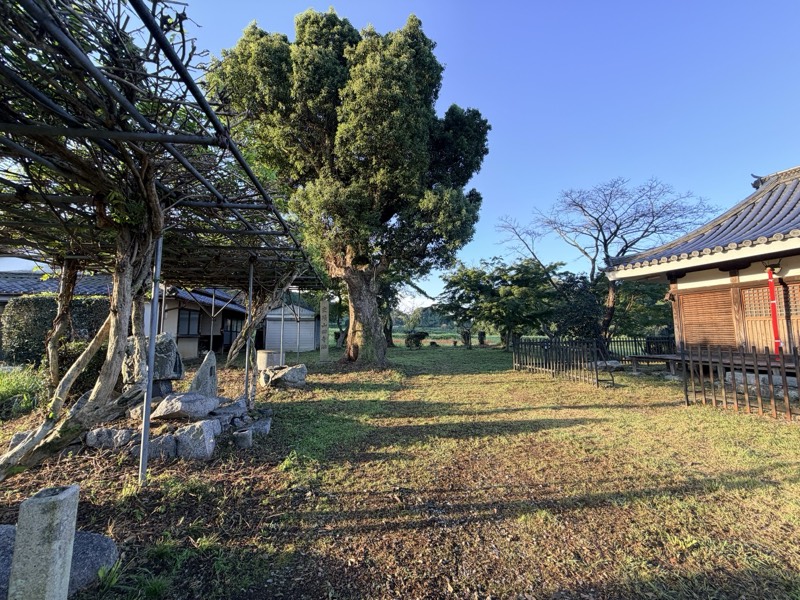
山田寺跡
A temple site where a corridor was excavated just as it had collapsed and been buried.
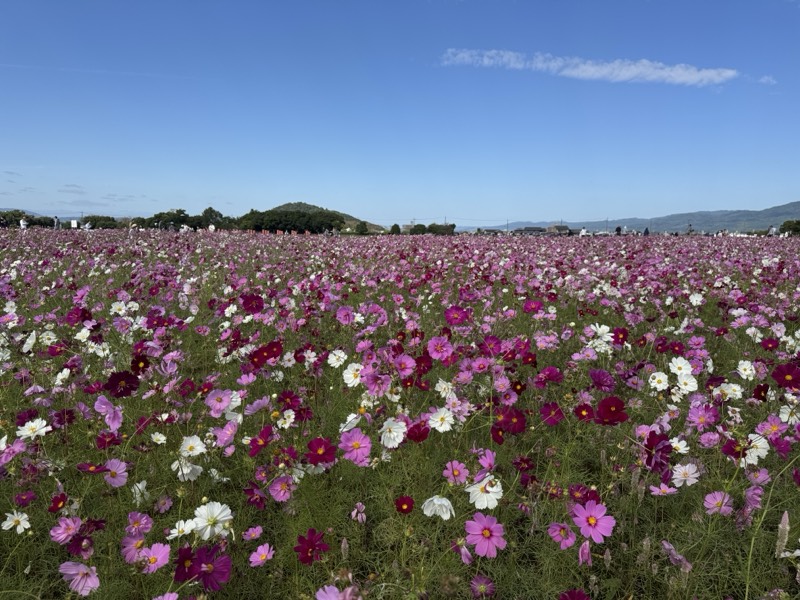
藤原宮跡
The heart of Japan's first full-scale planned capital, also known for its seasonal flower fields.
本薬師寺跡
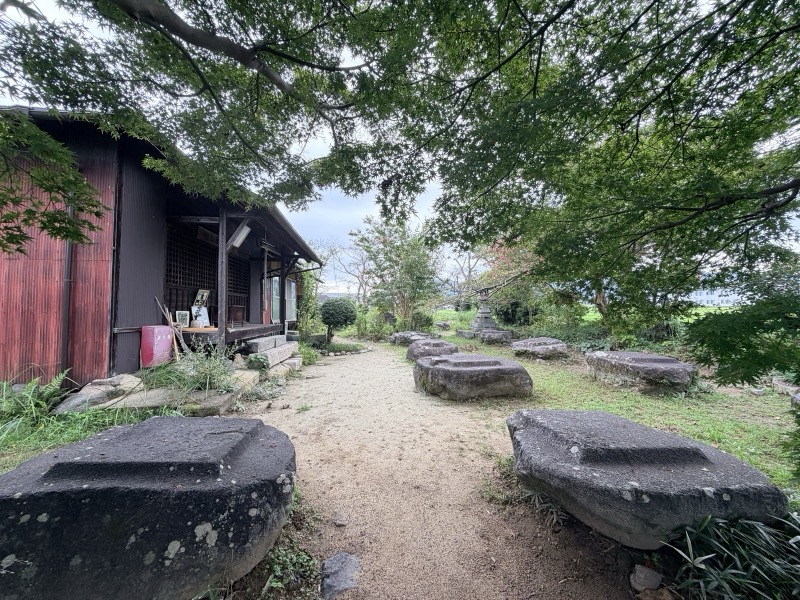
The site of a state temple with twin pagodas, where foundation stones remain in their original positions.