

豊浦宮跡(とゆらのみやあと)
The site of the palace where Empress Suiko took the throne, marking the beginning of the Asuka period.
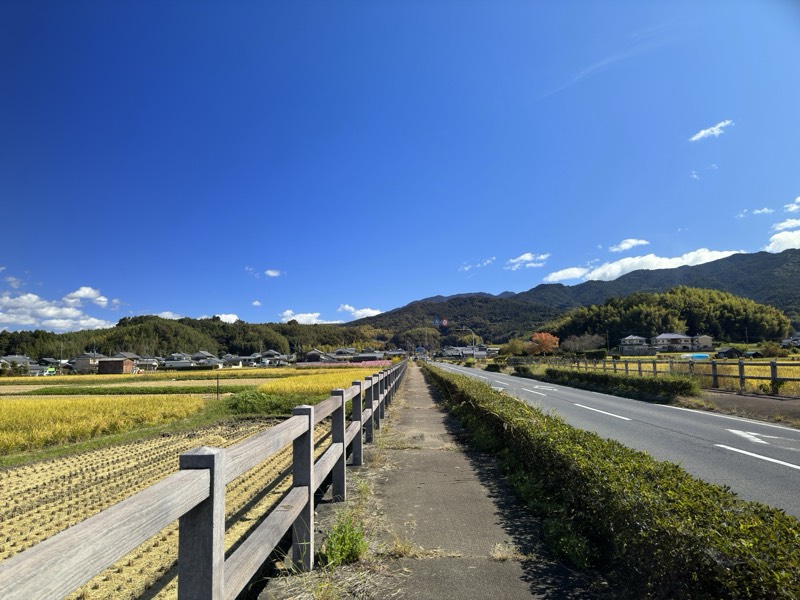
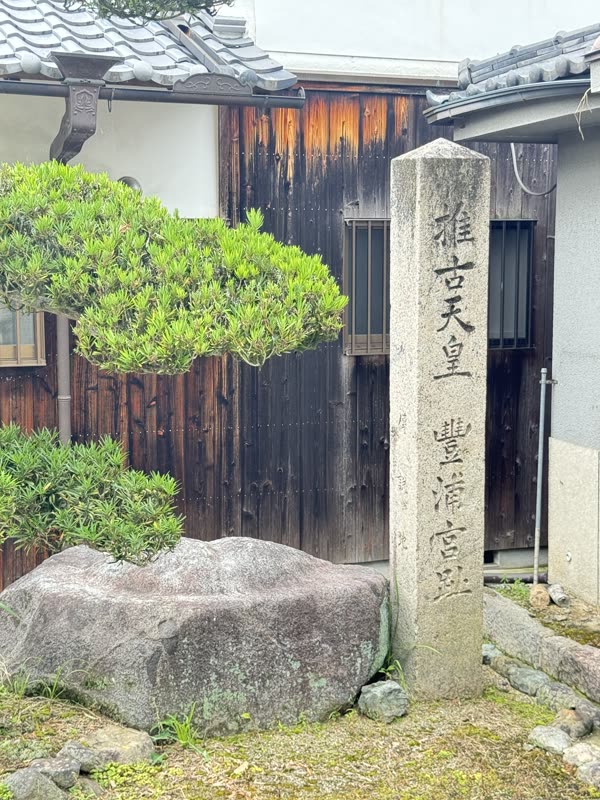
This spot is said to be the site of the Toyura Palace, where Empress Suiko took the throne. It lies in the village of Toyura along the Asuka River, at the western foot of Amakashi Hill.
In 592, Emperor Sushun was killed by an agent of Soga no Umako. The one who took the throne after him was Empress Suiko. She was Japan's first reigning empress, and her accession is taken as the start of the Asuka period (late 6th to early 8th century).
The palace took its name from the place, Toyura. Palaces in Asuka were usually called after the land on which they stood.
In 603, eleven years after her accession, the empress moved to the Oharida Palace. Toyura served as the palace only for that short time.
Even so, those eleven years were no small matter. This was when Prince Umayado (Prince Shōtoku) joined the government and, together with Soga no Umako, began to shape the state. The Twelve Cap Ranks system and the Seventeen-Article Constitution both came after the move to Oharida, but the run-up to them began here.
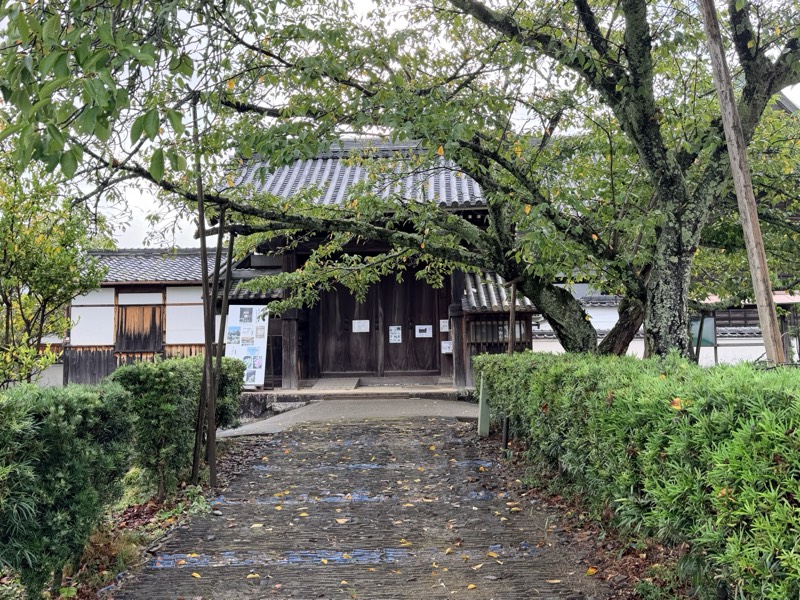
Nothing of the palace can be seen above ground. After the court moved away, the Soga clan built Toyura-dera Temple on the same land, and today Kōgen-ji Temple stands on that site.
Excavations in the grounds of the neighbouring Kōgen-ji uncovered the platform of Toyura-dera's lecture hall, and in a layer beneath it, stone paving and traces of buildings with posts sunk directly into the ground. This lower layer is thought to belong to the Toyura Palace.
A temple was built on top of a palace, and then another temple on top of that. The same piece of land has been in continuous use for more than 1,400 years.
Right by the "Toyura" stop on the Asuka loop bus from Kintetsu Kashiharajingu-mae Station. Among the village houses stands a stone marker inscribed "Site of Empress Suiko's Toyura Palace."
The remains in the lower layer can be seen in the grounds of Kōgen-ji next door to the west (admission fee required). This is the foot of Amakashi Hill, and Amakashi-niimasu Shrine and the Furumiya site are within walking distance.
Published
READ MORE
 Near Asuka and Far Asuka: Two Asukas Seen from NaniwaAsuka is not only the village in Nara. Around Habikino and Taishi in Osaka Prefecture there is another Asuka…
 Who Was Prince Shōtoku? Born at Tachibana-dera, Moved to IkarugaThe Twelve Cap Ranks, the Seventeen-Article Constitution, the embassies to Sui China: Prince Shōtoku…
 Was Prince Shōtoku Really Soga no Umako? Reading the "Prince = Umako" TheoryAlmost every achievement of Prince Shōtoku comes with the name of Soga no Umako beside it. What if the man…
 "Ōe" Is Not a Name: Naka-no-Ōe, Furuhito-no-Ōe and Yamashiro-no-ŌeThe "Ōe" in Prince Naka-no-Ōe is not a personal name. It is a term showing eligibility to succeed to the…
 Was Emperor Tenmu Really the Younger Brother? Prince Aya, the Name That VanishedBefore she married Emperor Jomei, Empress Kōgyoku had already borne a son: Prince Aya (Aya no Miko). The…
 Where Was the Palace Before Asuka? From Makimuku to IwareFrom Makimuku at the foot of Mt Miwa, by way of Iware, to Asuka: the seat of royal power moved south across a…
 Zenshin-ni: The First Person in Japan to Become a Nun Was an 11-Year-Old GirlIn 584, three people took holy orders in Asuka. All three were women, daughters of immigrant families. A…
 Women Who Soared through Asuka: The Five at the Heart of a Japan Heritage StoryThree reigning empresses (Suiko, Kōgyoku/Saimei and Jitō), the poet Nukata no Ōkimi, and the nun Zenshin-ni…
 Is Amakashi Hill Really Today's Amakashi Hill?The Nihon Shoki says Soga no Emishi and Soga no Iruka had their mansions here. Yet excavation has found…
 Where Was the Naniwa Canal? A Discarded Buddha's Road to Zenkō-jiA waterway in Osaka near the sea, or a small pond in Asuka? The "Naniwa no Horie", which the Nihon Shoki…
 Why did the palaces of Asuka keep moving?Toyura, Oharida, Okamoto, Itabuki, Kawahara, Kiyomihara. Over a hundred years the palace moved again and…
NEARBY
向原寺(豊浦寺跡)
A temple standing on the site of Toyura-dera, Japan's first nunnery, with the Naniwa Pond tied to the legend of Buddhism's arrival.
甘樫坐神社
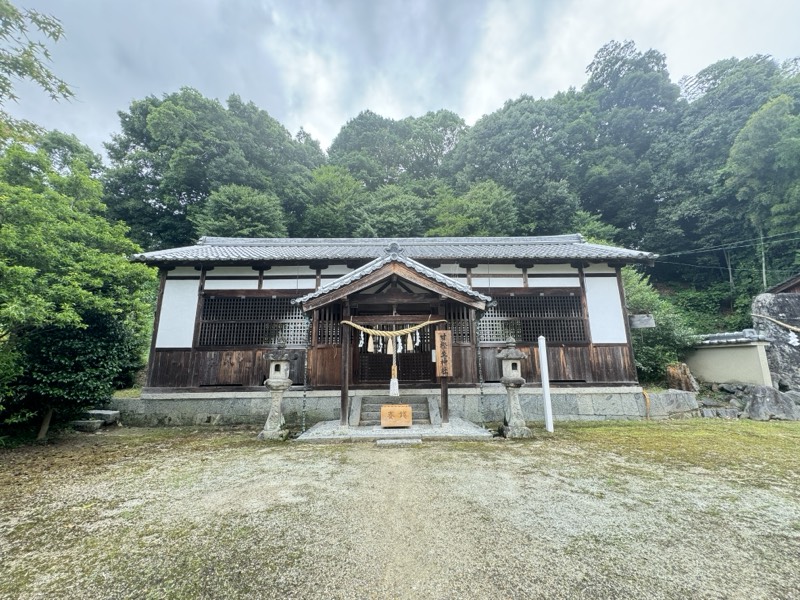
An ancient shrine at the foot of Amakashi Hill, where the kukatachi trial-by-hot-water ritual is handed down.
古宮遺跡
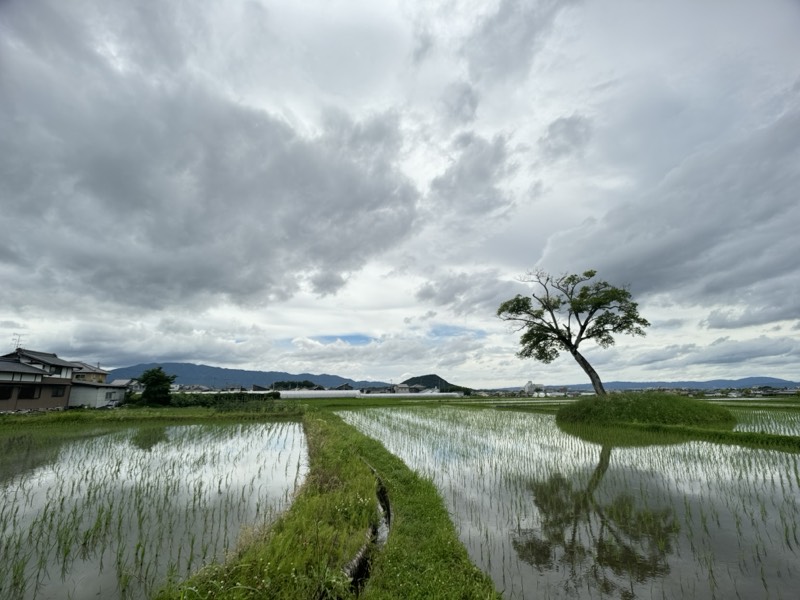
The remains of a palace or mansion, where stone-lined channels were found among rice fields.