
Published
Toyura, Oharida, Okamoto, Itabuki, Kawahara, Kiyomihara. Over a hundred years the palace moved again and again, and then it stopped moving.
In the Asuka period it was customary for each sovereign to build a new palace. This is known as rekidai sengū, "moving the palace with each reign".
The reason is not clear. One theory says it was to avoid the impurity of death, another that buildings with posts set directly in the ground did not last long, and another that the palace was placed in a location connected with the new sovereign.
Whatever the reason, the palace was something that moved. And in Asuka, those moves were repeated within a few kilometres.

After Emperor Sushun was assassinated, Empress Suiko was enthroned at this palace. It stood in Toyura, along the Asuka River at the western foot of Amakashi Hill.
Her accession is taken as the start of the Asuka period. Toyura was land closely connected with the Soga clan.
It served as the palace for 11 years. After the palace moved, Toyura-dera Temple was built on the same site, and Kōgen-ji Temple stands there today. Excavations in the temple grounds found even older stone paving and building remains beneath the temple's foundation platform, and these are thought to belong to the palace.
This was the next palace Empress Suiko moved to. The Twelve Cap Ranks were established that year and the Seventeen-Article Constitution the year after. It was also at this palace that she received Pei Shiqing, the envoy from Sui, in 608.
The Nihon Shoki (Japan's oldest official chronicle, compiled in 720) describes, in effect, a court (asaniwa) inside the south gate, a great gate beyond it, and a main hall beyond that. The layout separates the open space where officials lined up from the building where the sovereign was. The form that would later lead to the chōdōin (state halls compound) appears here.
Its location has not been determined. For a long time the Furumiya Site in Toyura was considered the likely spot.

Later, pottery inscribed in ink with "Oharida Palace" was excavated at the site east of Ikazuchi Hill to the north, and the view that the palace was there gained ground. However, that pottery dates from the Heian period (794–1185), and whether it marks the same place as Empress Suiko's palace is not settled.
This was Emperor Jomei's palace. From here, the palace site moved to the east of the Asuka River, to part of what is now the Asuka Palace Site.
The palace burned down within a few years, and the emperor moved to the Tanaka Palace. After that he moved to the Umayasaka Palace and then the Kudara Palace.

This was Empress Kōgyoku's palace. Its name, itabuki, comes from its roofs being covered with wooden boards. Earlier palaces had been thatched, so a board roof was a novel kind of construction.
In 645 the Isshi Incident took place at this palace. During a ceremony at which envoys from the three Korean kingdoms presented tribute, Prince Naka no Ōe and Nakatomi no Kamatari killed Soga no Iruka.
The capital then moved to Naniwa (present-day Osaka): a short period when Asuka was no longer the centre.
Empress Saimei returned to Asuka. She first moved into the Kawahara Palace, and the next year built a new palace on the site of the burned Okamoto Palace. This is called the Later Asuka Okamoto Palace.
Saimei's reign was also an age of construction. She installed a water clock at Mizuochi and built facilities for entertaining guests around Ishigami, and the stone structures at the Sakafuneishi Site are also thought to date from this time. The Nihon Shoki also tells of a large-scale canal project that people called the tabure-gokoro no mizo, the "canal of a mad mind".
Four years after the defeat at Hakusukinoe, Emperor Tenchi moved the capital to Ōmi (present-day Shiga). The usual view is that he left Asuka for defensive reasons.
But in 672 the Jinshin War broke out. Prince Ōama went round from Yoshino to the east and defeated the Ōmi court.

The victorious Prince Ōama returned to Asuka and was enthroned as Emperor Tenmu. The palace was once again built at Okamoto: the Asuka Kiyomihara Palace.
At this palace the Yakusa no Kabane (eight hereditary titles) were established, the Asuka Kiyomihara Code came into force, and the Kōin Nenjaku household register was compiled. The framework of the ritsuryō (law code) state was assembled here.
To the southeast of the palace is an area called the "Ebinoko enclosure", where the remains of a large building surrounded by walls have been found. It is thought to correspond to a daigokuden (great audience hall), and is considered the first example of the sovereign's main hall being set in its own separate enclosure.
Of the palaces so far, the Okamoto Palace, Itabuki Palace, Later Okamoto Palace and Kiyomihara Palace were all built in the same area.
Excavations have shown that remains from different periods lie on top of one another in layers. Though the palace was something that moved, this one spot kept being chosen again and again.
For this reason the name of the historic site has also changed. When it was designated in 1972 it was the "Traditional Site of the Asuka Itabuki Palace", but once it became clear that several palaces overlapped there, it was renamed the "Asuka Palace Site" in 2016.

Empress Jitō moved to Fujiwara-kyō. With streets laid out in a grid and the palace set at the centre, it was Japan's first full-scale capital built on the jōbō grid system.
Here the custom of moving the palace with each reign came to an end. Three sovereigns, Jitō, Monmu and Genmei, used this palace.
The reason it stopped moving lies in the ritsuryō. Once the codes had fixed government offices, appointed officials, and made government run on documents and ledgers, the palace was no longer just the sovereign's residence. A city full of offices, storehouses and workshops could not be rebuilt every time the throne changed hands.
Ironically, Fujiwara-kyō itself was abandoned after 16 years in favour of Heijō-kyō (Nara). The reasons for that are covered in another column.
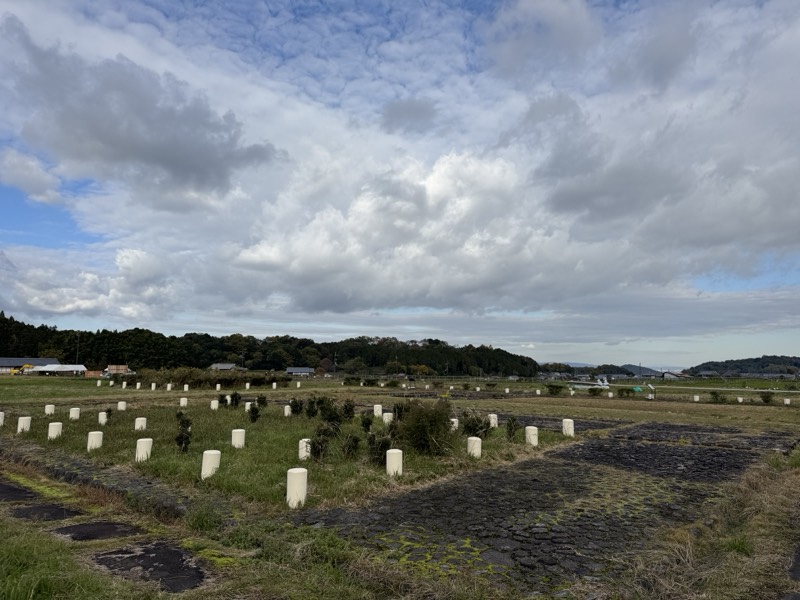
All the palace sites lie among rice fields or grassland. Not a single building survives.
From the Toyura Palace Site, go north to the Furumiya Site and Ikazuchi Hill, east across the Asuka River to the Asuka Palace Site, west to the Kawahara-dera Temple Site, and northwest to the Fujiwara Palace Site. In half a day to a day you can trace a hundred years of palaces.
Stone markers, information boards and white posts: there is not much to see. Even so, walking it, you feel in your body how the palace went back and forth within the same few kilometres and finally stopped moving.
RELATED SPOT
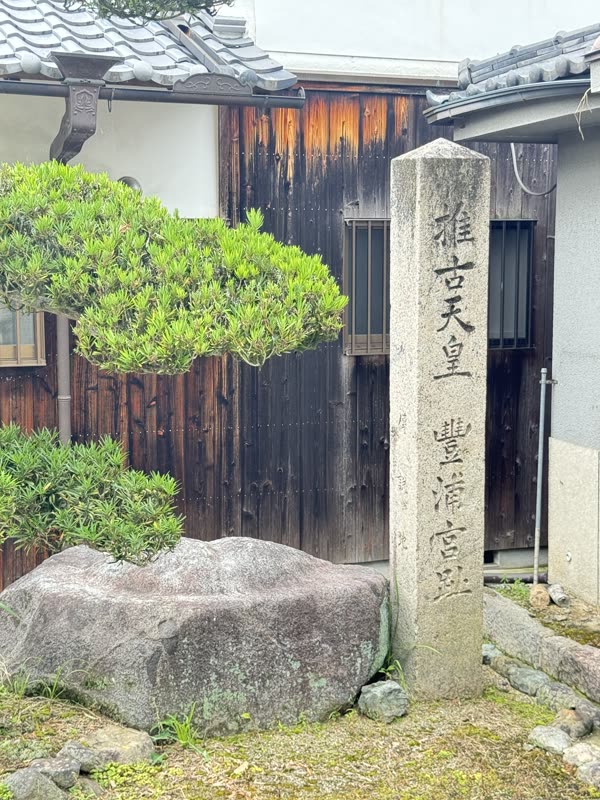
豊浦宮跡
The site of the palace where Empress Suiko took the throne, marking the beginning of the Asuka period.
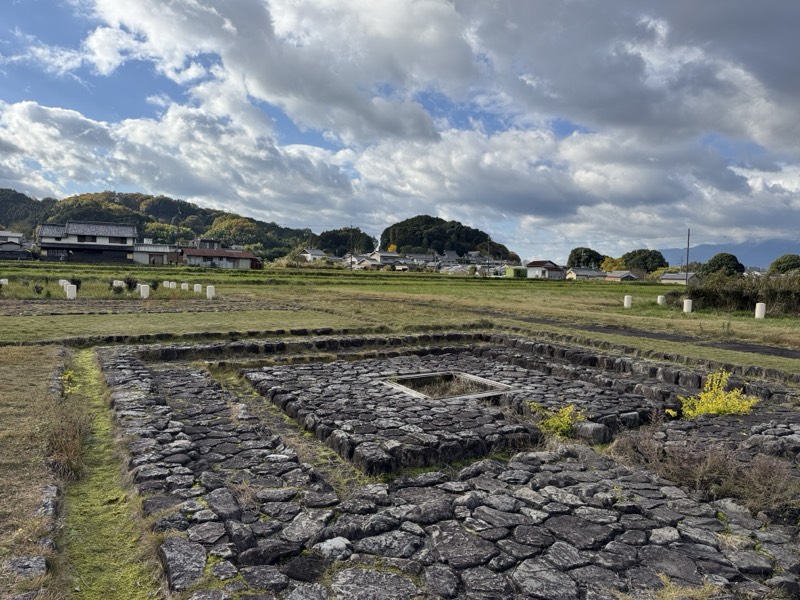
飛鳥宮跡(伝 飛鳥板蓋宮跡)
The political heart of Asuka, where several palaces were built one on top of another.
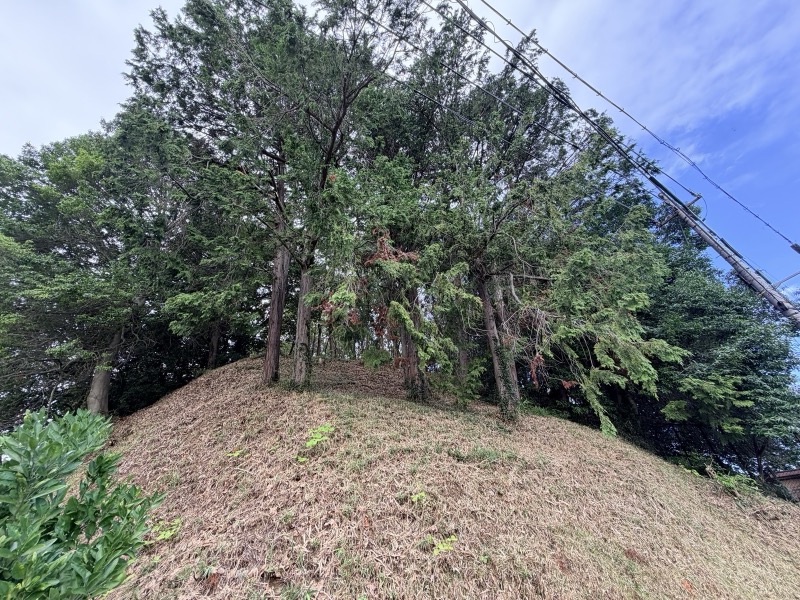
雷丘
A small hill with a story about catching thunder. The area to its east is a proposed site of the Oharida Palace.
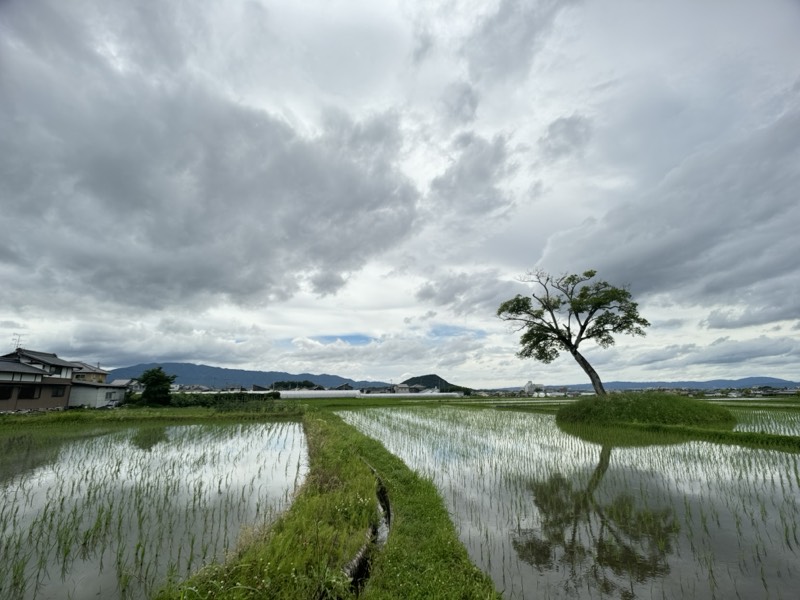
古宮遺跡
The remains of a palace or mansion, where stone-lined channels were found among rice fields.
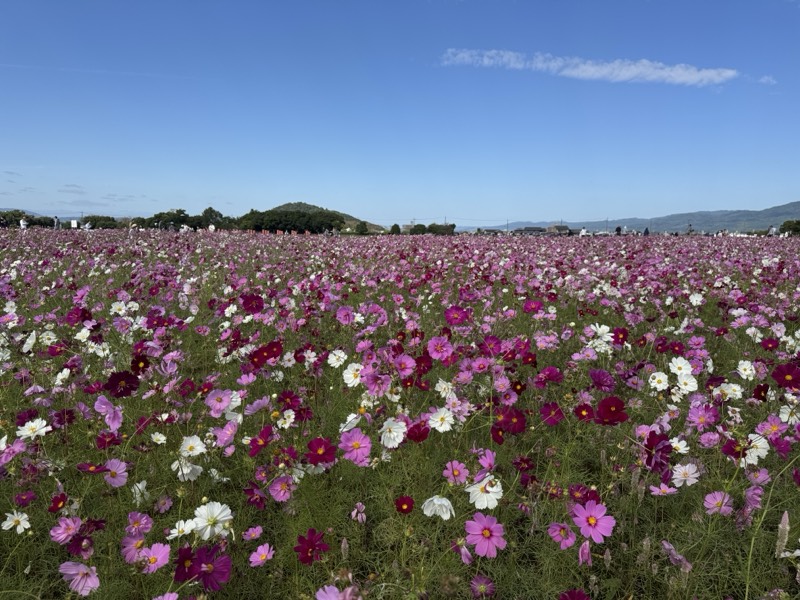
藤原宮跡
The heart of Japan's first full-scale planned capital, also known for its seasonal flower fields.
RELATED COLUMN
 Where Was the Palace Before Asuka? From Makimuku to IwareFrom Makimuku at the foot of Mt Miwa, by way of Iware, to Asuka: the seat of royal power moved south across a…
 Whose Successor Was Empress Jitō? Tenmu's Empress, and Tenchi's DaughterAs the empress who completed the ritsuryō state (a state governed by law codes), she is usually spoken of in…No Longer from Brother to Brother: Succession through the Direct LineIn ancient Japan the throne often passed from elder brother to younger. One attempt to draw a line from…