
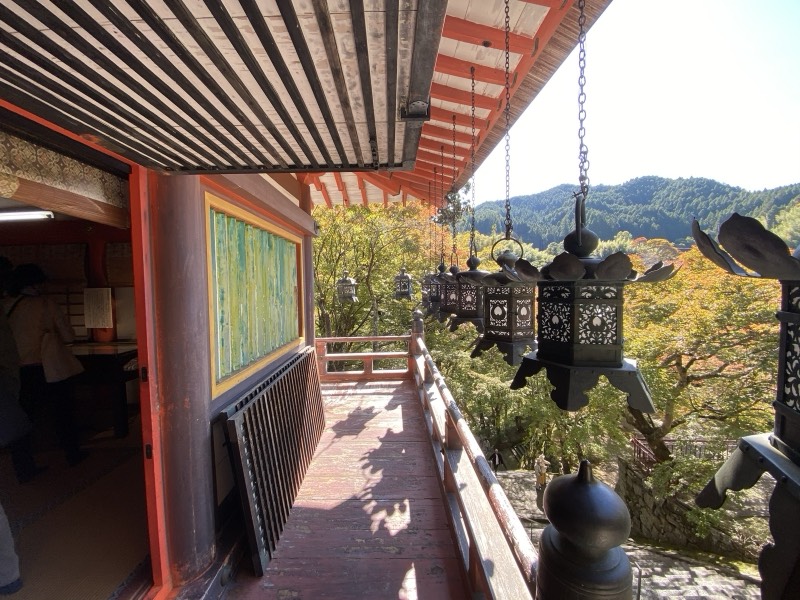
Futatsuki-no-miya, which Empress Saimei built on the summit of Tōnomine, has been called a palace of the immortals and a Daoist temple. There is another view: that it was a stronghold on the mountain. A little over ten years after the Isshi Incident, was Asuka really at peace?
Empress Saimei had a building put up on the summit of a mountain east of Asuka, beside two zelkova trees. It was called Futatsuki-no-miya, or Amatsu-miya, the Heavenly Palace. The record survives; the site has never been found.
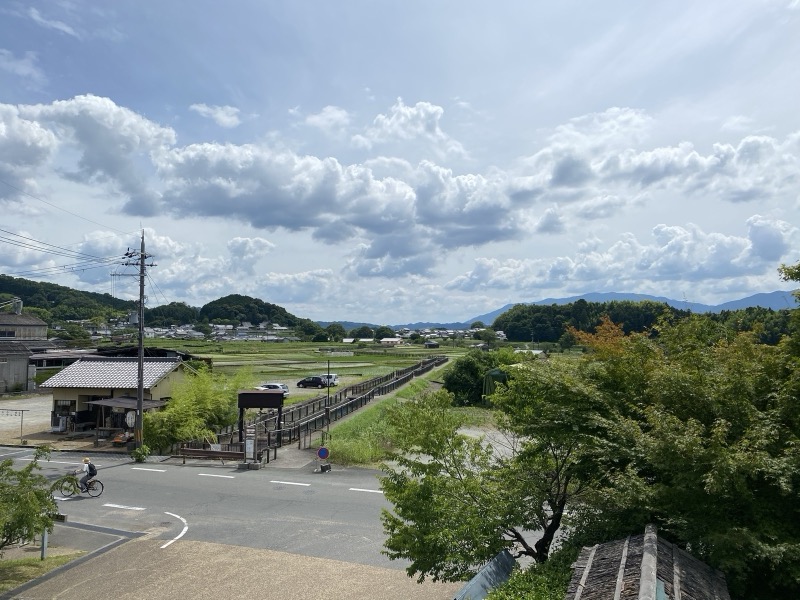
Empress Saimei had a canal dug and brought stone from a mountain in Tenri to Asuka by boat. People mocked it as the taburegokoro no mizo, the "ditch of a mind gone mad". Excavation is gradually bringing that ditch to light.
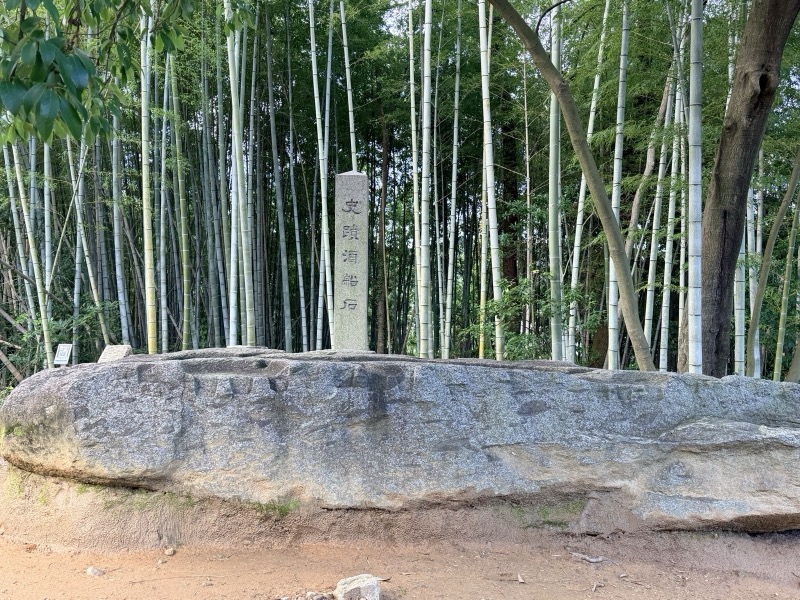
In 1992, work on a walking path turned up a sandstone wall on the Sakafuneishi hill. Was the wall that ran around the hill a rampart for defence, or a wall meant to be seen?
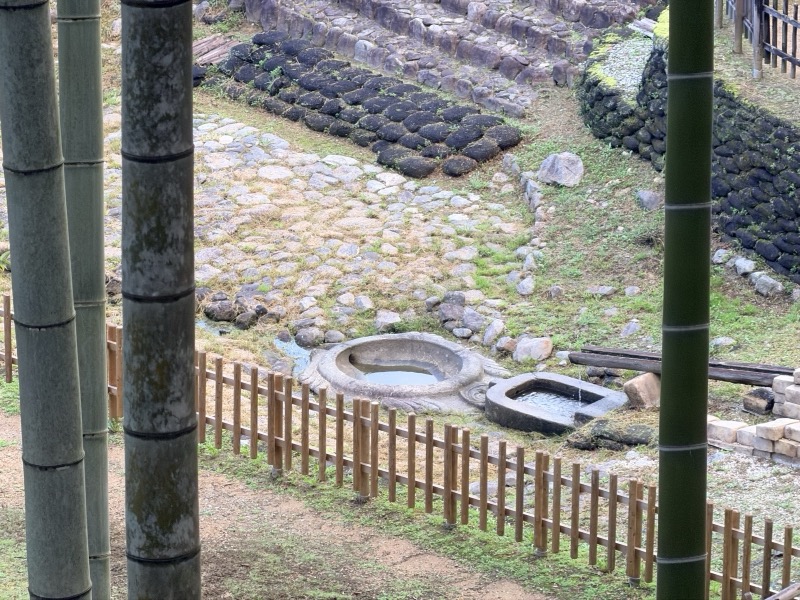
Emperor Wu of Han set up statues of immortals on bronze columns to catch the dew that fell from heaven. Was the "Heavenly Palace" built beside two zelkova trees a Japanese version of the same idea? That is one bold view.
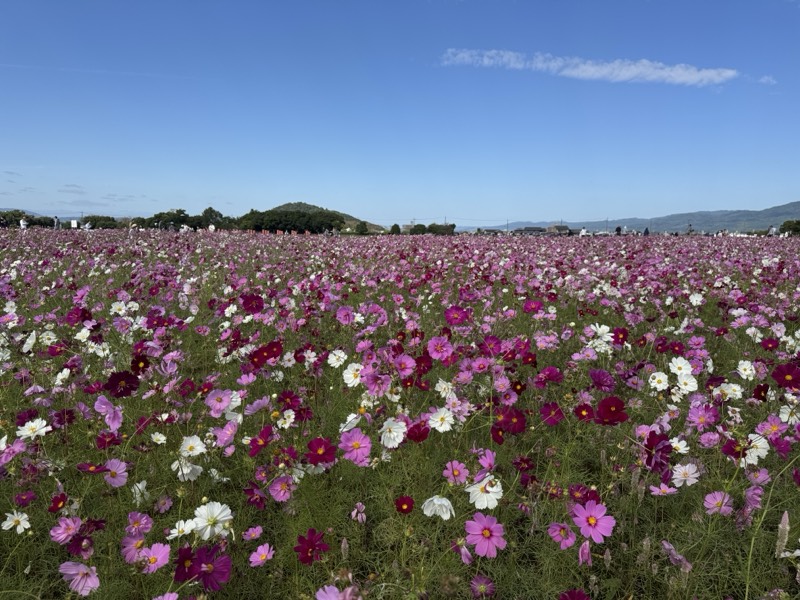
Fujiwara-kyō is widely thought to be a copy of the ideal capital described in the Confucian classic the Rites of Zhou. Yet the facilities that classic valued most are nowhere to be found there. Here we set the standard view beside a view that challenges it.
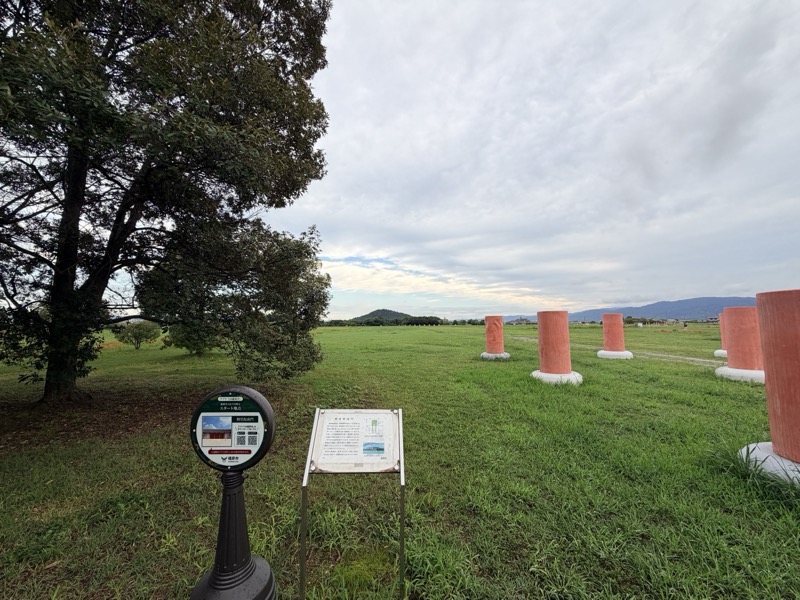
The court moved to Fujiwara-kyō in 694, but work on the capital had begun eighteen years earlier. It stopped twice, and each time the plan was reworked. What is more, the site of the palace was decided only after work on the streets had begun.
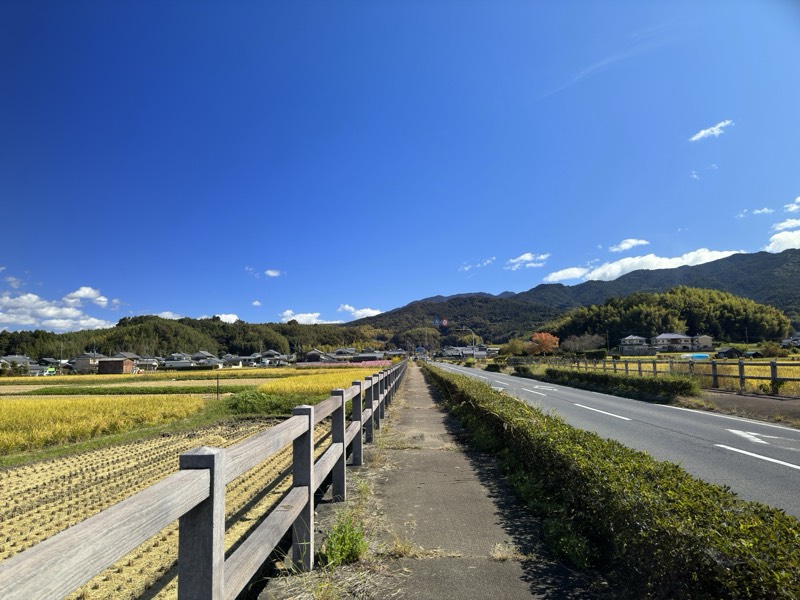
The size of Fujiwara-kyō is still not settled. From a rectangle framed by ancient roads to a square 5.3 kilometres on each side, larger than Heijō-kyō: we trace how the reconstruction has grown with each excavation.