
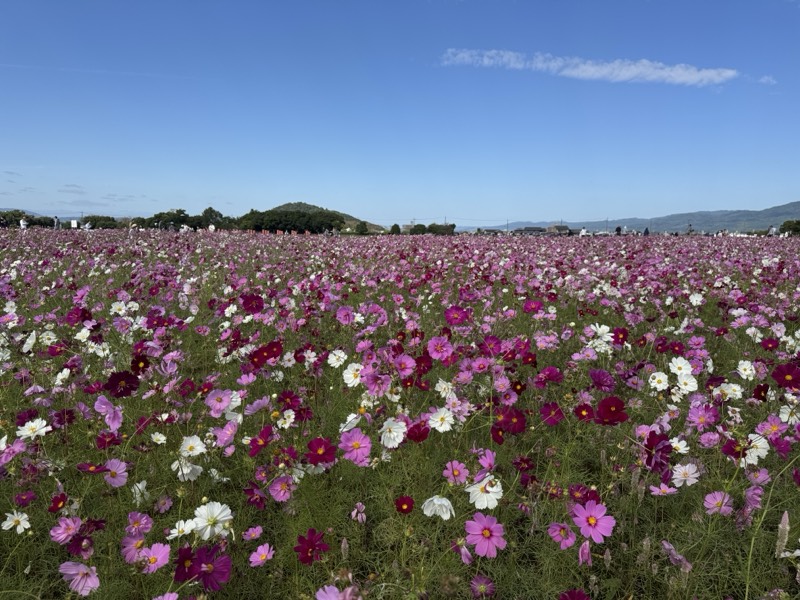
Fujiwara-kyō placed its palace at the centre of the capital, just as the Chinese classic the Rites of Zhou prescribes. Yet Chang'an, its supposed model, did not. Following why the original departed from the classic reveals who the Sui and Tang dynasties really were.
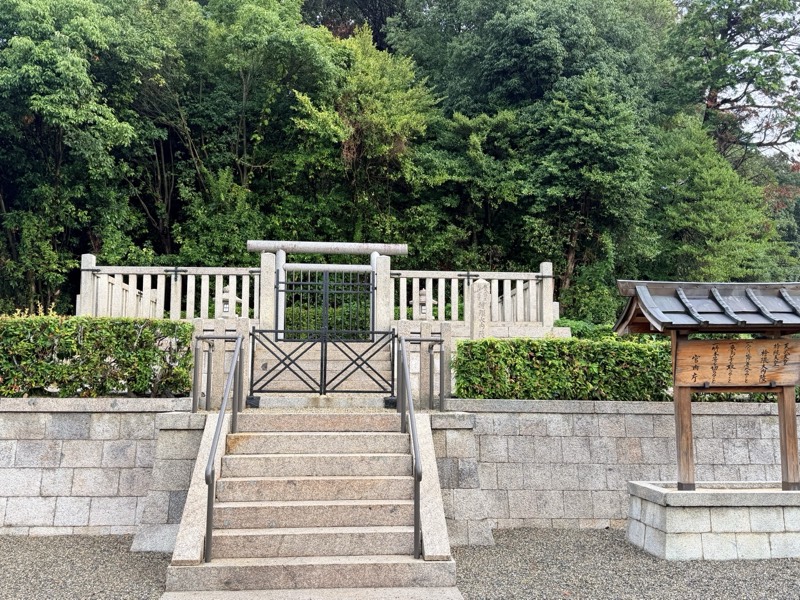
In 690, the year Empress Jitō took the throne in Japan, Wu Zetian became emperor in Tang China. Half a century earlier, Silla in Korea had also had a queen. Why did female rulers follow one another in 7th-century East Asia?
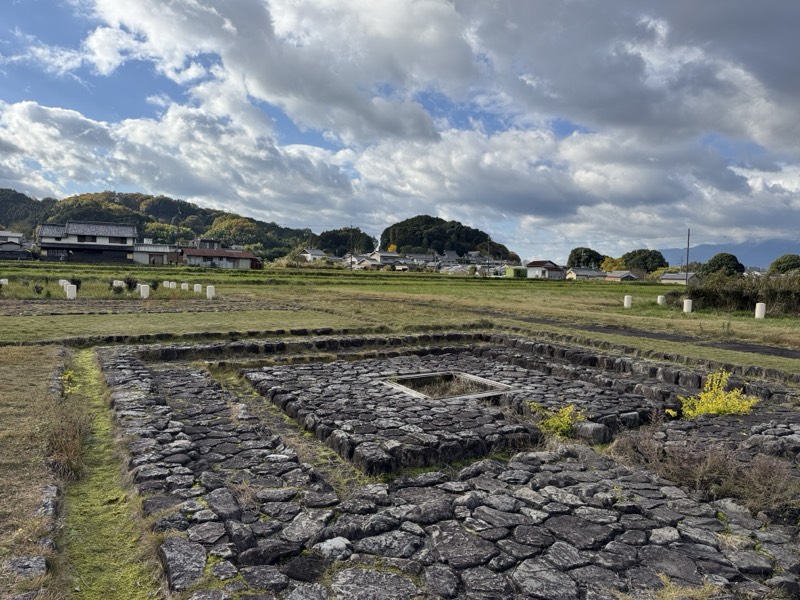
It was inscribed on 26 July 2026. All that was chosen were the remains of palaces, temples and tombs, and most of them lie underground. What these 19 sites show is the hundred-odd years in which the institutions of the Japanese state took shape.
Japan's first full-scale planned capital was abandoned after just sixteen years. Poor drainage, the position of the palace, and what an embassy to Tang China brought back after a gap of thirty years: several theories are told.
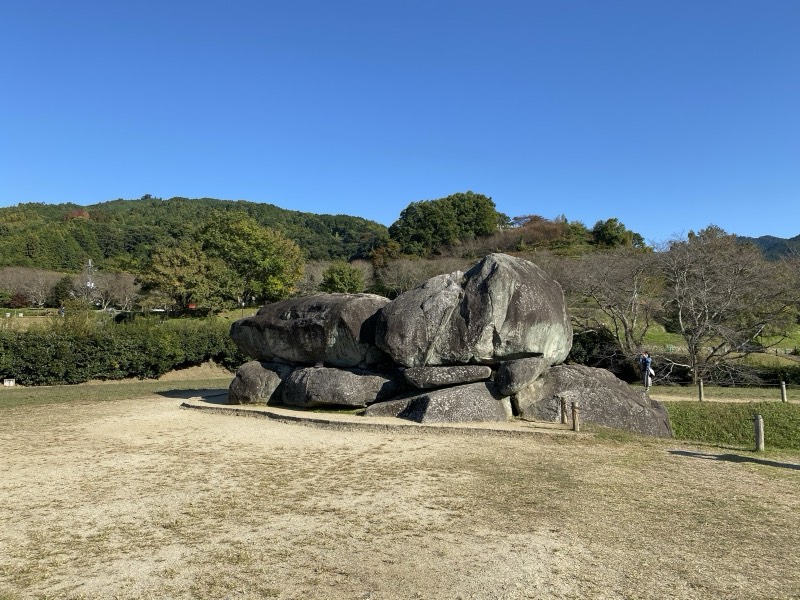
For more than three hundred years, burial mounds kept growing larger. During the 7th century they shrank, and in the early 8th century they disappeared. There was more than one reason.
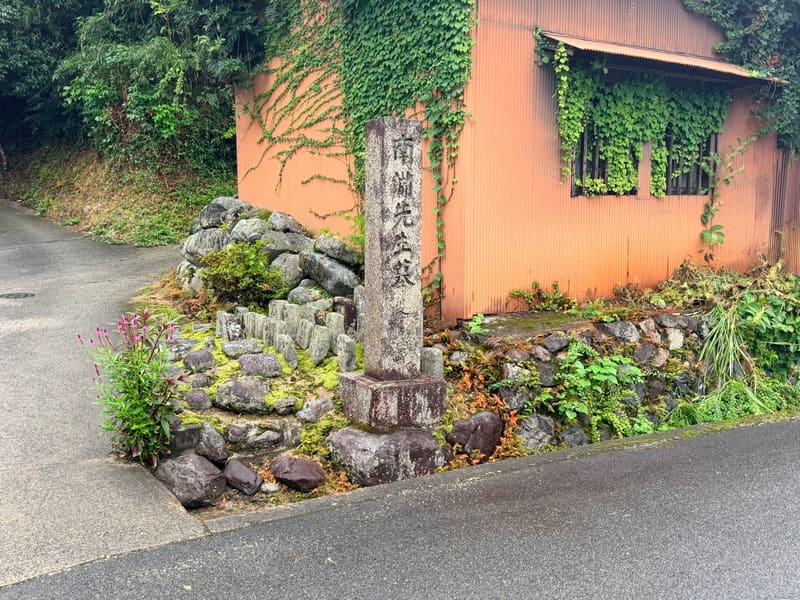
In 600 the first envoys sent to the Sui court in China came home having been told by the emperor that their ways made no sense. Within a hundred years, this country had become a state governed by ritsuryō law codes.
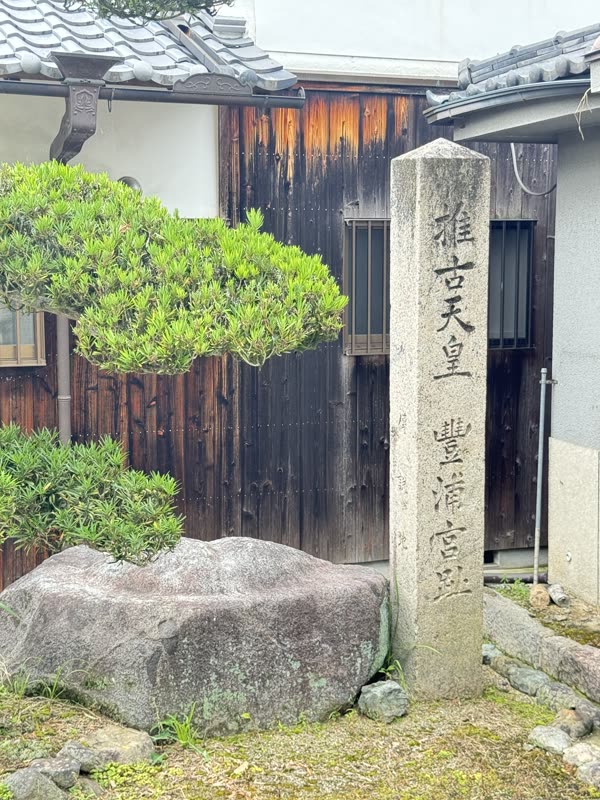
Toyura, Oharida, Okamoto, Itabuki, Kawahara, Kiyomihara. Over a hundred years the palace moved again and again, and then it stopped moving.
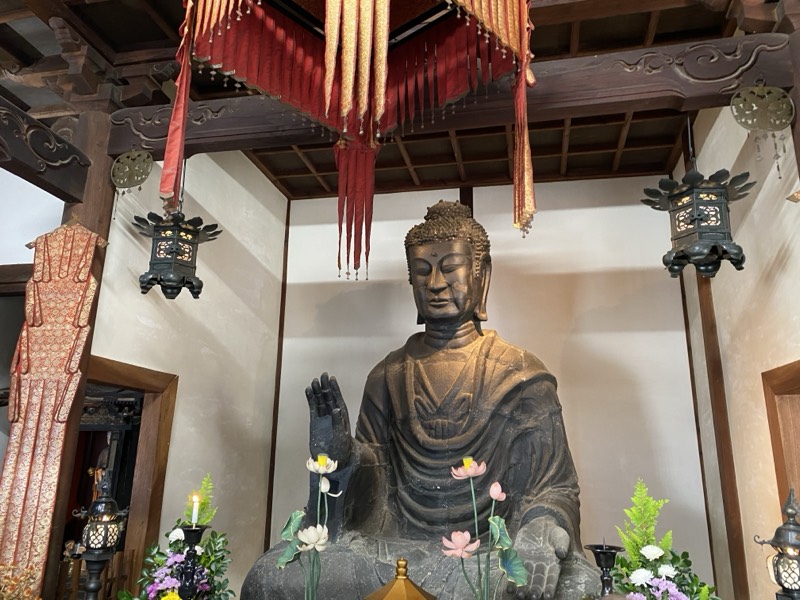
Asuka-dera, Toyura-dera, Yamada-dera, Kawahara-dera, Daikandai-ji, Moto-Yakushi-ji. Who built them, and for what? Once you grasp that, temple ruins start to look different.