
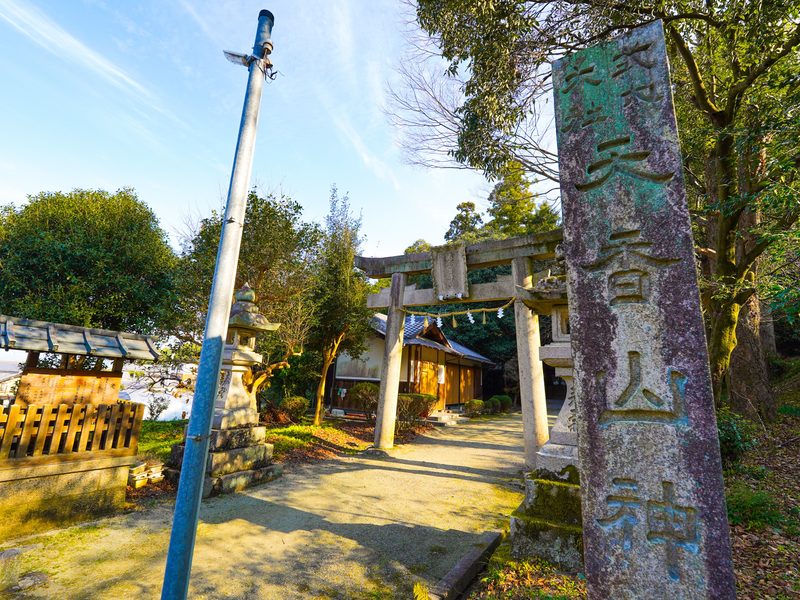
Empress Jitō's poem about Mount Kagu begins "Spring has passed, and summer seems to have come." It is loved as a poem about early-summer scenery, but there is also a reading that sees the empress's own ambition in it.
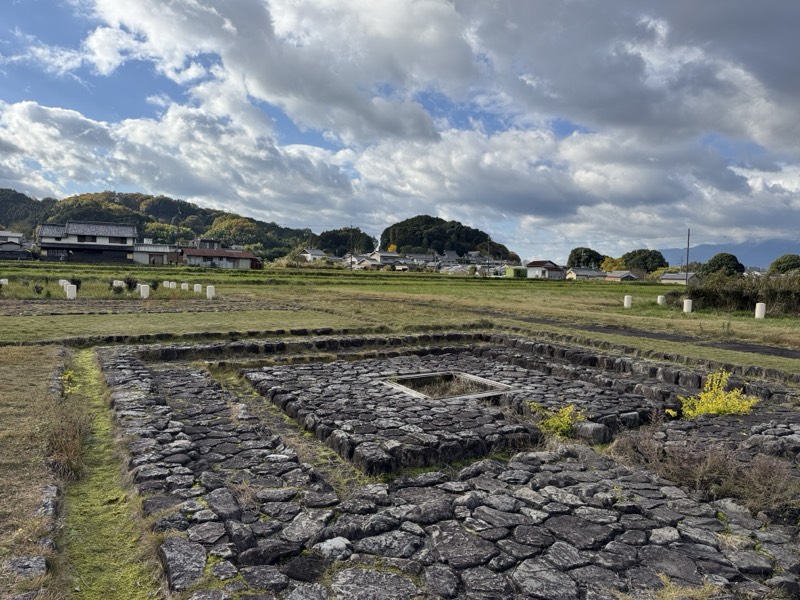
Nukata no Ōkimi had a daughter with Prince Ōama and is thought to have later gone over to Emperor Tenchi. In the poems the two exchanged at Gamōno, did her lingering feelings for Ōama show through? Here is the theory that reads them that way.
Walk around Asuka and you meet poems from the Man'yōshū everywhere. Here is a summary of what makes them more enjoyable to read: how the poems are classified, their forms, and the difference between envoys and exchanged poems.
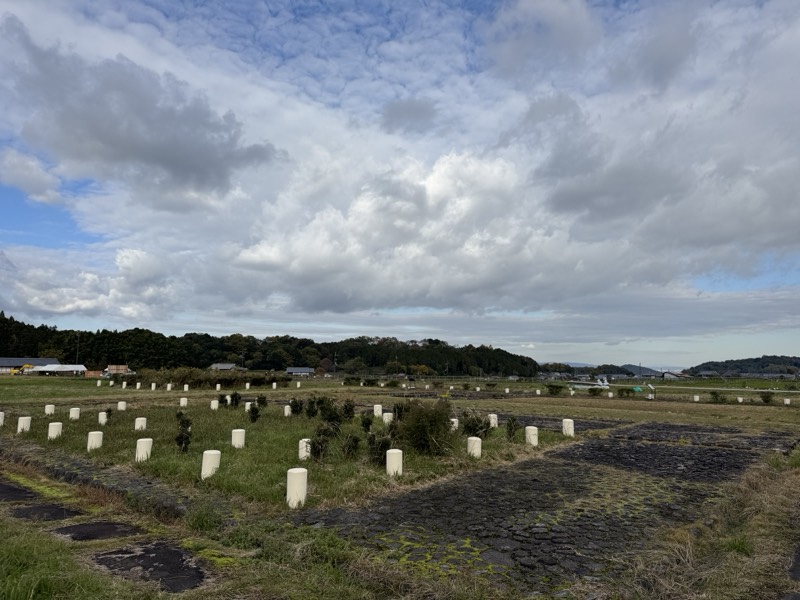
In 679 Emperor Tenmu made six princes swear at Yoshino never to fight one another. It is well known that the oath was not kept. But follow each of them in turn and you find that the story does not end with killing alone.
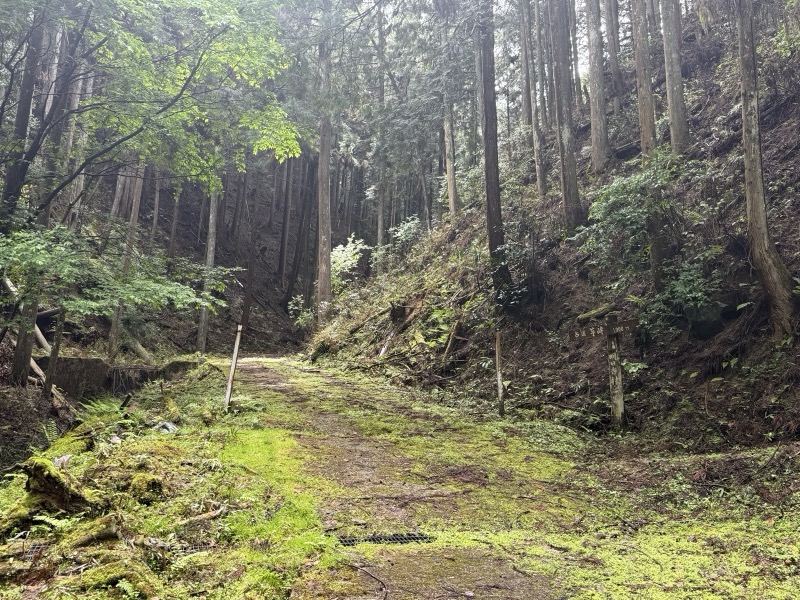
Enter the mountains at the far end of Asuka, cross a single ridge, and you are in Yoshino. Prince Ōama crossed this road as if fleeing pursuers. Empress Jitō travelled the same road back and forth more than thirty times during her reign.
The man given command of the army in the Jinshin War was a 19-year-old eldest son. Because of his mother's low standing, he was considered far from the throne. Yet the way his death was treated was too grand for a mere prince.

From Makimuku at the foot of Mt Miwa, by way of Iware, to Asuka: the seat of royal power moved south across a distance of about ten kilometres.
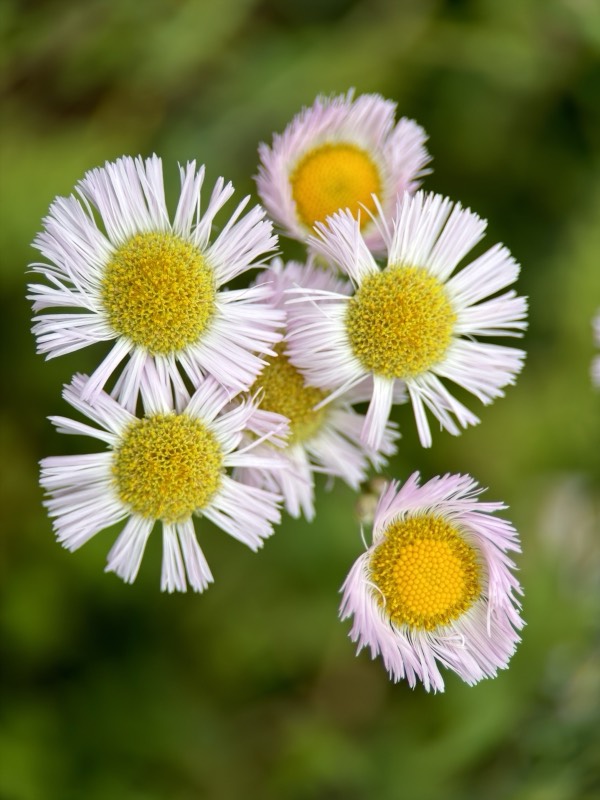
Small flowers bloom along the roadsides and the ridges between rice paddies. Once you know their names, your walk looks different. Yet many of them did not exist in this village in the Asuka period.