
Published
In 679 Emperor Tenmu made six princes swear at Yoshino never to fight one another. It is well known that the oath was not kept. But follow each of them in turn and you find that the story does not end with killing alone.
In the fifth month of 679, Emperor Tenmu went to the Yoshino Palace with the empress (later Empress Jitō) and six princes.
The six were Kusakabe, Ōtsu, Takechi, Kawashima, Osakabe and Shiki. Kusakabe, Ōtsu, Takechi and Osakabe were Tenmu's sons, but Kawashima and Shiki were sons of Emperor Tenchi. Two princes from the side Tenmu had fought against in the Jinshin War (the succession war of 672) were deliberately included.
Tenmu made them swear that there would be no strife among them for a thousand years to come. The princes swore that, though born of different mothers, they would care for one another as if born of the same mother, and Tenmu, the Nihon Shoki (Japan's oldest official chronicle, compiled in 720) records, gathered them into the folds of his robe. This scene is known as the Yoshino Pact.
Let us look in turn at what became of the six after this oath.
Tenmu died in the ninth month of 686. Less than a month later, on the second day of the tenth month, Prince Ōtsu was arrested on a charge of treason, and the next day he was ordered to take his own life. He was 24.
His mother was Princess Ōta, a daughter of Tenchi and Jitō's elder sister. Of the sons born to the two sisters, only one was left.
Seven years after the pact. When it was first broken, the one who died was Tenmu's own son.
It was Prince Kawashima who reported Ōtsu's plot to the court, according to the Kaifūsō (Japan's oldest anthology of Chinese-style poetry, compiled in 751).
The same passage also records that the two had been the closest of friends. It then sets two views side by side: some said this was betraying a friend, while others said it was unavoidable if he was to save himself.
The Nihon Shoki, for its part, does not name the informer.
Kawashima was a son of Tenchi, and in Tenmu's reign he headed the six princes ordered to compile the imperial chronicles. He died in 691 at the age of 35.

After Ōtsu's death, the one who remained was Prince Kusakabe. His mother was Jitō, and he had been named crown prince while Tenmu was still alive.
But in the fourth month of 689 he died at 28, without ever taking the throne.
After his death he was called Hinamishi no Miko no Mikoto. Although he never reigned, he was given an honorific close to that of an emperor.
Prince Takechi was Tenmu's eldest son. Because his mother was the daughter of a powerful family in Tsukushi (northern Kyushu), he was considered far from the succession.
In the Jinshin War he was given command of the army at 19, and under Jitō he became Daijō-daijin (Chancellor). He died in 696 at 43.
Because of the way his death was treated, there is a theory that he may in fact have taken the throne. This is covered in another column.
Prince Osakabe was one of the princes who accompanied his father when he withdrew to Yoshino.
Under Jitō and Emperor Monmu he worked in government, and in compiling the Taihō Code he served as head of the compilers. Completed in 701, it was Japan's first systematic ritsuryō code (penal and administrative law codes).
He later held the post of Chi-Daijōkanji, overseeing the entire Council of State. He died in 705.
In the same years that brothers were killing one another, there was also a prince building the framework of the state.
Prince Shiki was also a son of Tenchi. Of the six in the pact, he lived the longest.
He hardly appears in the political records. What survives is his poetry.
Iwabashiru tarumi no ue no sawarabi no moeizuru haru ni narinikeru kamo
"Above the falls / that rush across the rocks / the young bracken / is putting out its shoots: / spring has come at last." (Man'yōshū, Book 8, No. 1418)
Snowmelt rushes over the rocks and falls, and beside it the bracken is sprouting: spring has come, the poem says. A man who left no name in the records of conflict is known for this single poem.
He died in 716. Fifty-four years after his death, his son Prince Shirakabe took the throne as Emperor Kōnin. The line descended from Kusakabe had died out with Empress Shōtoku, and the throne returned to Tenchi's bloodline.
Of the six in the pact, the one whose line in the end carried on the imperial succession was the man furthest from politics.
Tenmu had other sons too, who were still young at the time of the pact.
Prince Toneri headed the compilation of the Nihon Shoki. Presented to the throne in 720, it is a record made by the very people involved, recording everything, the pact and Ōtsu's death included. His son Prince Ōi later took the throne as Emperor Junnin, and was then deposed.
Prince Niitabe's mother was Ioe no Iratsume, a daughter of Fujiwara no Kamatari.
Prince Naga, Prince Yuge and Prince Hozumi left poems in the Man'yōshū (Japan's oldest anthology of poetry). Prince Yuge is the one who, when the succession was debated after Takechi's death, was rebuked by Prince Kadono as he tried to speak. He died in 699.
The story continues into the next generation.
In 729 Prince Nagaya was denounced for treason. Nagaya was the son of Prince Takechi.
According to the Shoku Nihongi (the official chronicle that continues the Nihon Shoki), the envoys sent to his residence to interrogate him included Prince Toneri and Prince Niitabe. Two of Tenmu's sons went to question Tenmu's grandson.
Two days later Nagaya took his own life, and his wife Princess Kibi and four of their children also died.
Toneri died in 735, and Niitabe in the same year.

None of the six ever took the throne. Kusakabe and Takechi both died without doing so.
One was killed, one is said to have informed on him, one compiled the law, and one left only poems. And in the end it was the son of the poet who carried on the imperial line.
The Yoshino Palace where the pact was made corresponds to present-day Miyataki in Yoshino Town. From Asuka it is half a day's journey over Imo Pass (Imotōge). The place Jitō visited no fewer than 31 times was also the place of this oath.
RELATED SPOT
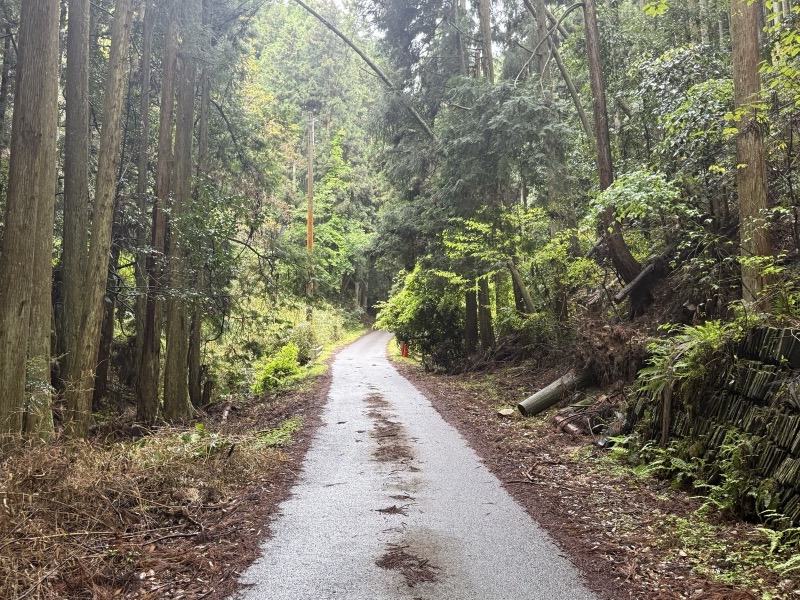
芋峠
A pass on the old road linking Asuka and Yoshino. Prince Ōama is said to have crossed it.
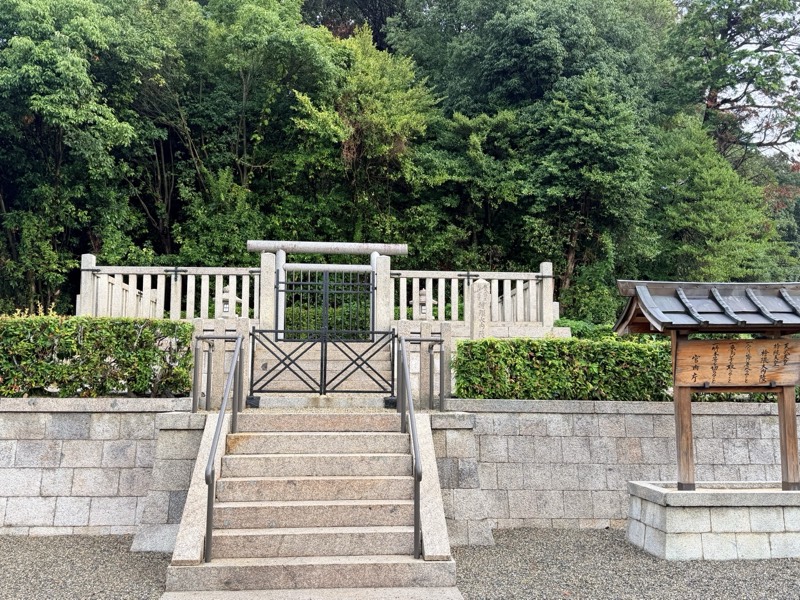
天武・持統天皇陵
One of the few octagonal imperial tombs whose occupants can be confirmed from written records.
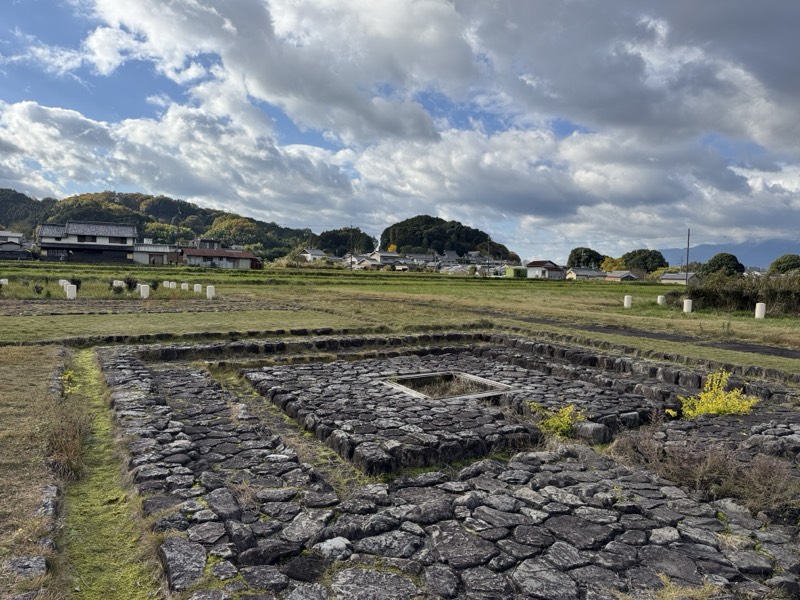
飛鳥宮跡(伝 飛鳥板蓋宮跡)
The political heart of Asuka, where several palaces were built one on top of another.
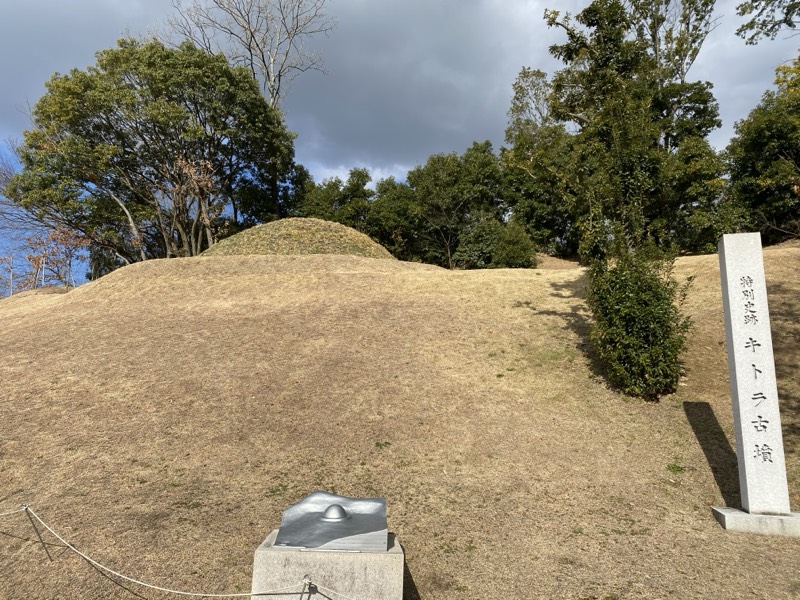
キトラ古墳
A two-tiered round burial mound famous for its chamber painted with the Four Gods and a map of the stars.
RELATED COLUMN
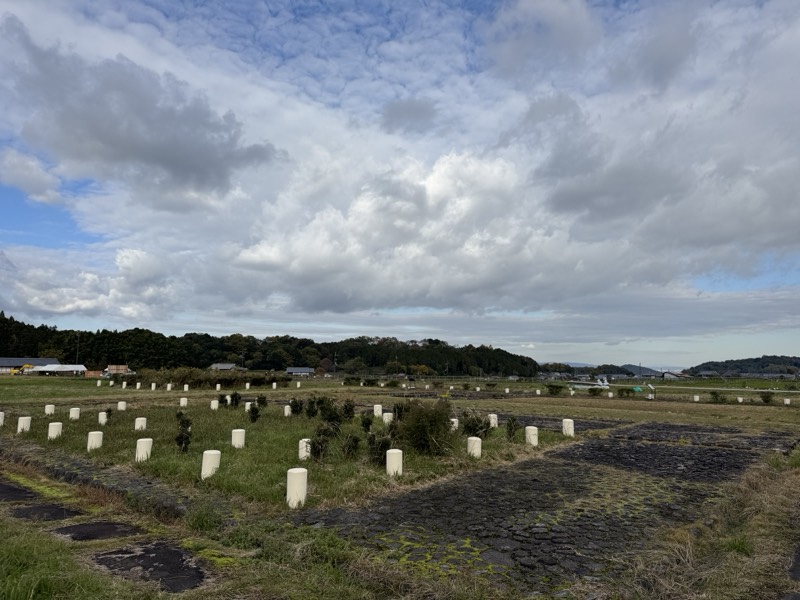 Prince Takechi: The Eldest Son Far from the Throne, Yet Called "Mikoto"The man given command of the army in the Jinshin War was a 19-year-old eldest son. Because of his mother's…
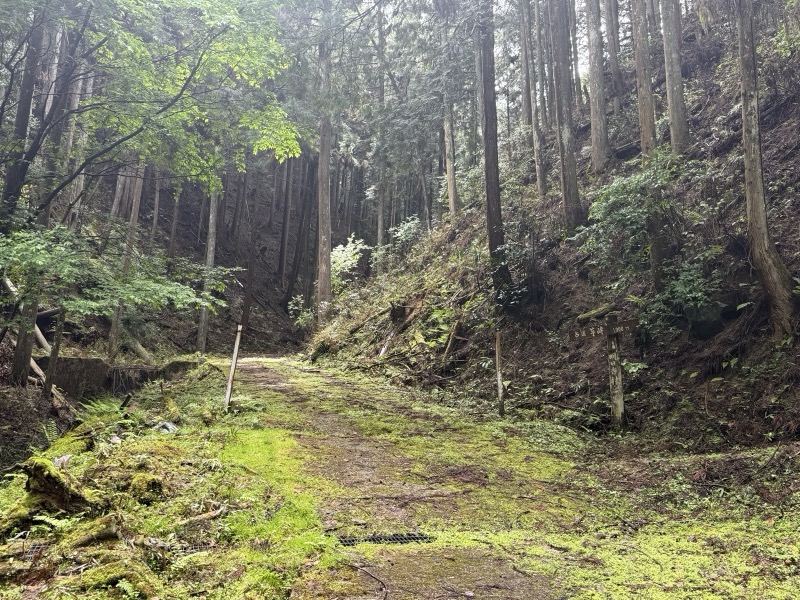 Two Who Crossed Imo Pass: Prince Ōama Once, Empress Jitō 31 TimesEnter the mountains at the far end of Asuka, cross a single ridge, and you are in Yoshino. Prince Ōama…Whose Successor Was Empress Jitō? Tenmu's Empress, and Tenchi's DaughterAs the empress who completed the ritsuryō state (a state governed by law codes), she is usually spoken of in…