

キトラ古墳(きとらこふん)
A two-tiered round burial mound famous for its chamber painted with the Four Gods and a map of the stars.
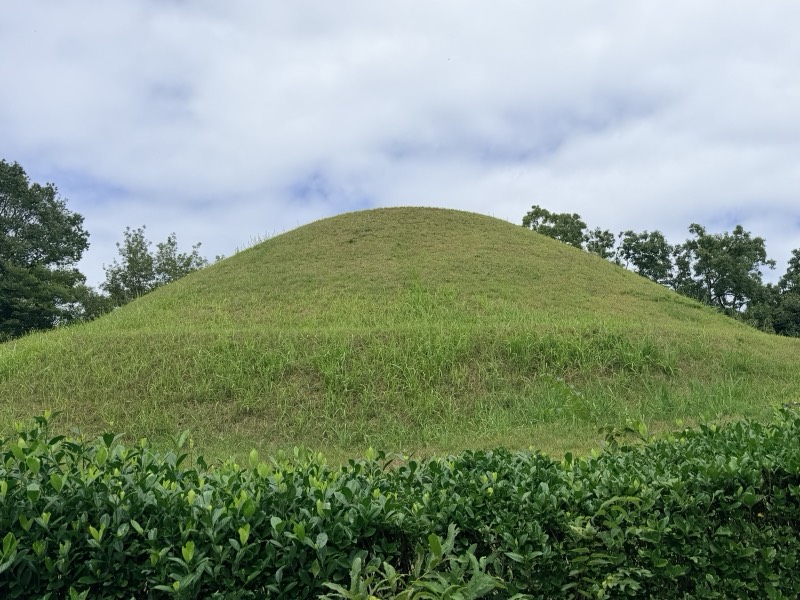
This round kofun (ancient burial mound) was built in the late 7th or early 8th century. It has two tiers, about 13.8 m across at the base and 9.4 m across the upper tier, making it a size smaller than Takamatsuzuka Kofun.
What makes it special is the murals in its chamber. It is the only tomb in Japan where all Four Gods, the guardian beasts of the four directions (the Azure Dragon, White Tiger, Vermilion Bird and Black Tortoise), have been found together.
The paintings were discovered in 1983. A small camera was pushed in through a robbers' hole, and it revealed the Black Tortoise on the north wall: the divine beast that guards the north, shown as a turtle with a snake coiled around it.
The Vermilion Bird on the south wall followed in 1998, and the Azure Dragon on the east wall and White Tiger on the west wall in 2001. It took 18 years from the first discovery for all Four Gods to appear, one after another.
The ceiling was painted with a map of the heavens. Constellations, drawn as linked circles, were marked in gold leaf, and the sun and moon in gold and silver leaf. There are about 350 stars in some 70 constellations, along with circles showing the inner and outer limits of the visible sky, the celestial equator and the ecliptic.
It is considered the oldest surviving star chart in the world based on actual observation of the sky. Where and when the sky it shows was observed, however, is still debated.
Figures of the twelve animals of the zodiac were also painted on the lower walls, each with an animal's head and a human body, placed according to their directions. Six have been identified: the rat, ox, tiger, horse, dog and boar.
The chamber is a stone box with a side entrance, built from cut blocks of tuff. Inside it is about 240 cm long, 104 cm wide and 124 cm high. As at Takamatsuzuka, it was a space made only to hold the coffin.
It was robbed in the Middle Ages, and almost no grave goods remain. Even so, fittings and lacquer from a wooden coffin were found, along with teeth and pieces of bone thought to belong to the person buried here.
The tomb was designated a Special Historic Site of Japan in 2000. Because mould and other damage were destroying the paintings, between 2004 and 2010 they were peeled off the chamber walls together with their plaster.
Leave them in place or take them out to save them? It was not an easy decision, but the murals have since been conserved, and in 2019 they were designated a National Treasure.
Who was buried here is not known. Theories include a son of Emperor Tenmu or a high-ranking official of immigrant descent.
The origin of the name "Kitora" is also unclear. One theory says it is a corruption of Kitaura, the old name of this small district; another says it comes from the turtle (kame, the Black Tortoise) and tiger (tora, the White Tiger) painted in the chamber.
The mound has been restored, and the area around it is a lawn, the Kitora Kofun area of the Asuka Historical National Government Park.
At the neighbouring Kitora Tumulus Mural Experience Museum, Shijin no Yakata ("House of the Four Gods"), you can see the murals through a full-size model of the chamber and high-definition video. The real murals are also shown during set periods. About 20 minutes on foot from Kintetsu Asuka Station.
Published
READ MORE
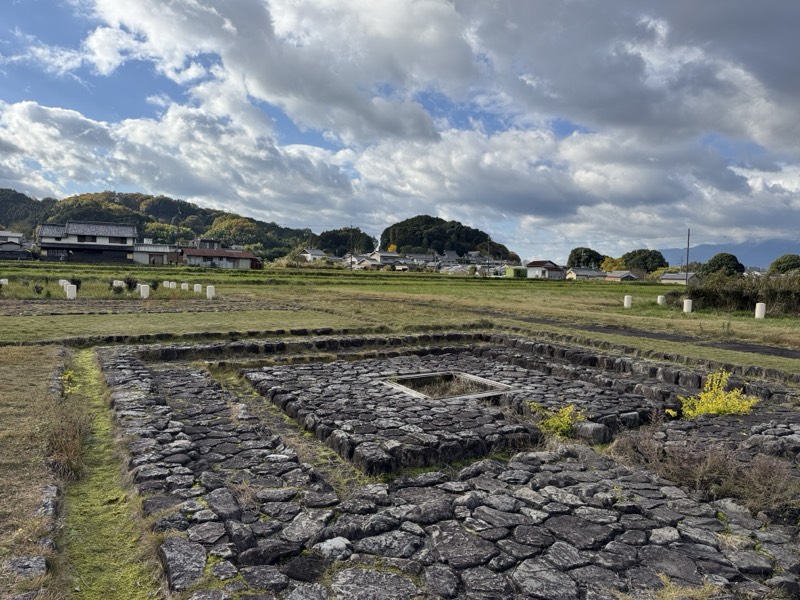 Asuka-Fujiwara World Heritage: All 19 Component Sites and How to Visit Them, with Half-Day, One-Day and Two-Day Routes"Asuka-Fujiwara" was inscribed on the World Heritage List in 2026. We list all 19 component sites with their…
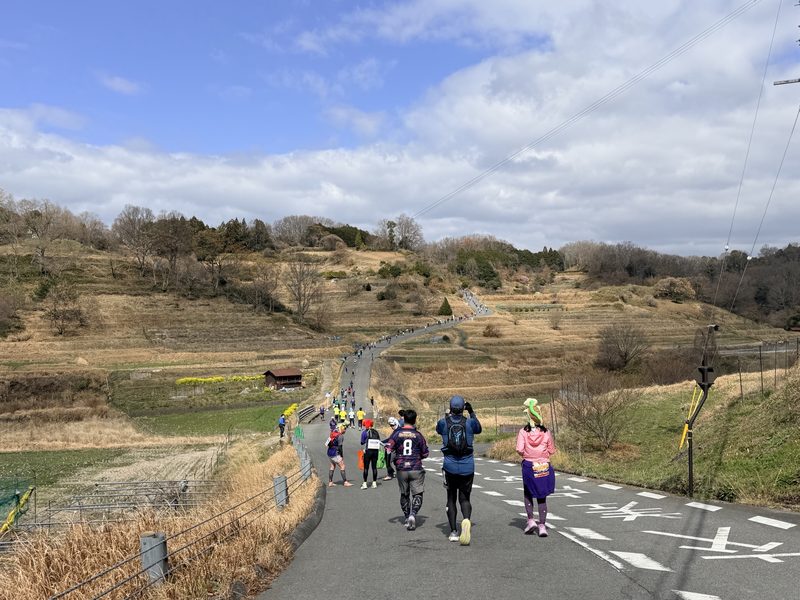 Remembered, Not Timed: Running the Asuka Half Marathon Past Ruins and Rice TerracesEvery March, 3,000 runners race past the historic sites and terraced rice fields of Asuka Village. Starting…
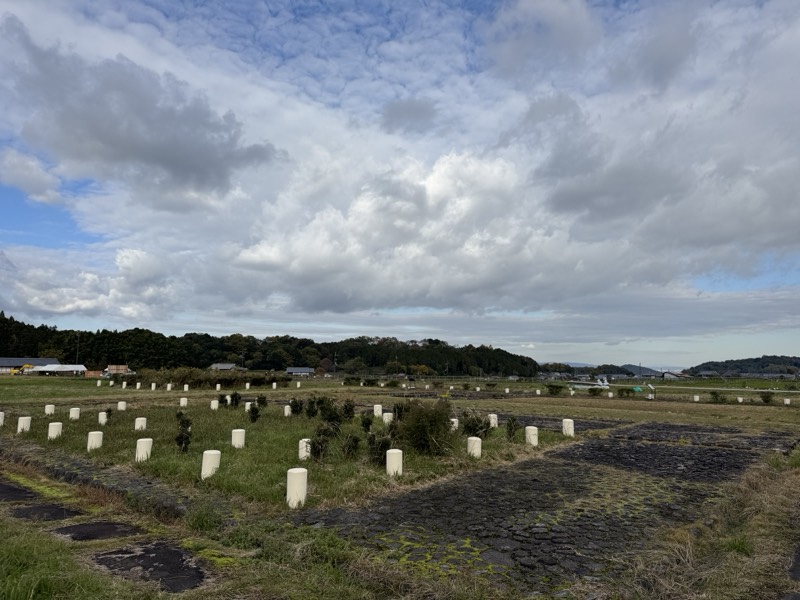 After the Oath: What Became of Emperor Tenmu's PrincesIn 679 Emperor Tenmu made six princes swear at Yoshino never to fight one another. It is well known that the…Prince Takechi: The Eldest Son Far from the Throne, Yet Called "Mikoto"The man given command of the army in the Jinshin War was a 19-year-old eldest son. Because of his mother's…
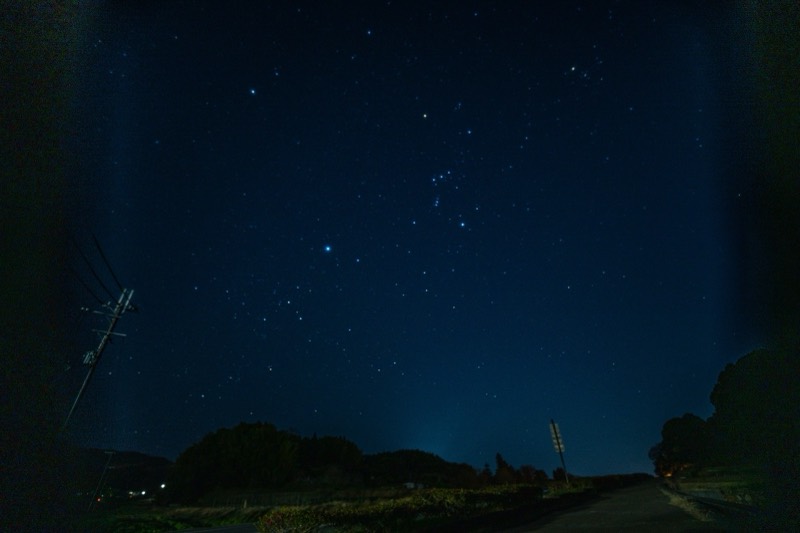 The night sky over Asuka: when watching the stars was the state's businessWith few street lights, the sky seems to come closer once the sun goes down. And in this village, how the…
 They Didn't Stop at Digging: Half a Century of Asuka Village and Kansai UniversityThe team that uncovered the wall paintings of Takamatsuzuka Kofun in 1972 came from Kansai University. A…
NEARBY
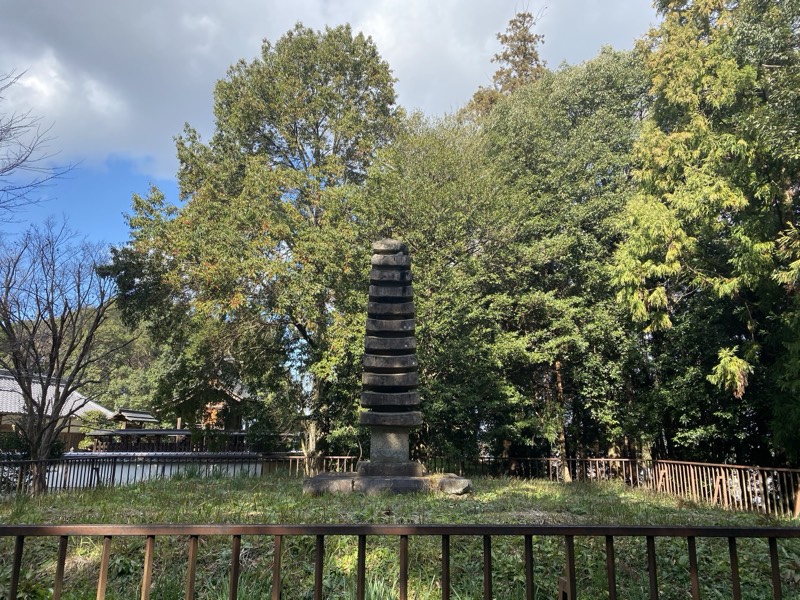
檜隈寺跡/於美阿志神社
A temple site linked to the Yamato no Aya, a clan of immigrant origin, with a thirteen-storey stone pagoda.
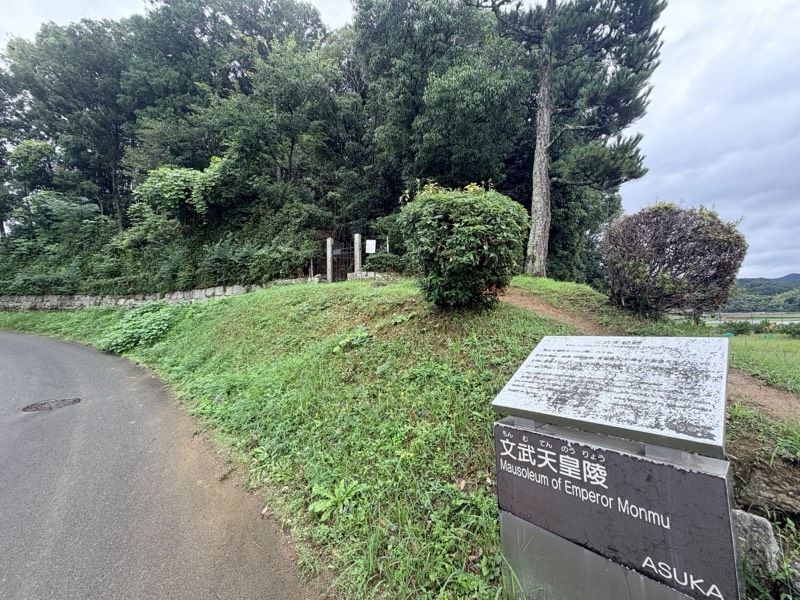
栗原塚穴古墳(文武天皇陵)
The tomb designated by the Imperial Household Agency as Emperor Monmu's, at odds with the archaeological view.
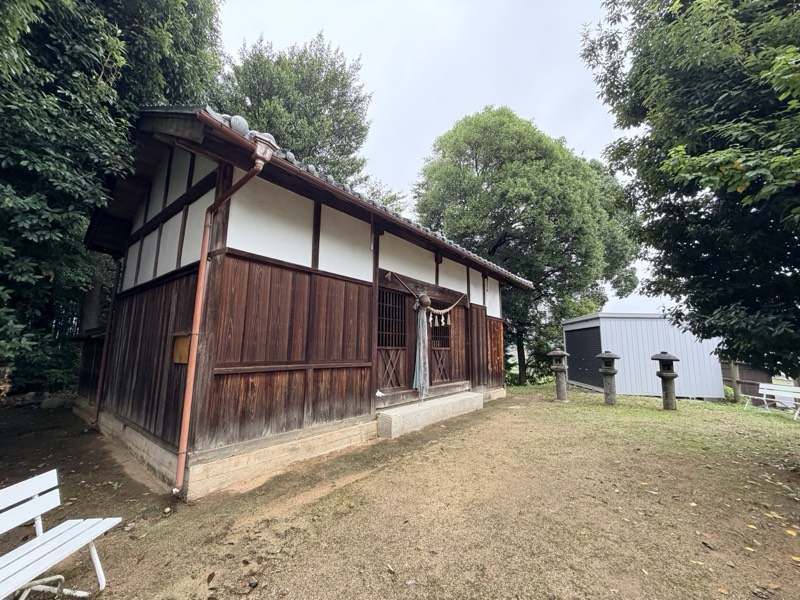
天神社(御園)
A small shrine in the hamlet of Misono, dedicated to Takamimusubi, one of the three creator deities.