
Published
Every March, 3,000 runners race past the historic sites and terraced rice fields of Asuka Village. Starting near the Kitora Kofun and passing Ishibutai Kofun and the Inabuchi terraces, the Asuka Half Marathon is full of the village's character, from its hilly course and cupless water stations to the strawberries handed out at the finish.

The Asuka Half Marathon is held every March in Asuka Village. It is organised by the Asuka Half Marathon Executive Committee, Asuka Village and the Asuka Village Board of Education. The field is limited to 3,000, and for that one day the roads all over the village fill with runners.
Because of the COVID-19 pandemic, the first event was held online in 2021, with about 1,400 participants from around Japan. The first race actually run in the village took place in March 2022. On 8 March 2026 the race was held for the fifth time, with about 3,000 starters.
It has also been chosen two years running for the "Top 100 Running Races in Japan", selected on the basis of reviews by runners who took part.
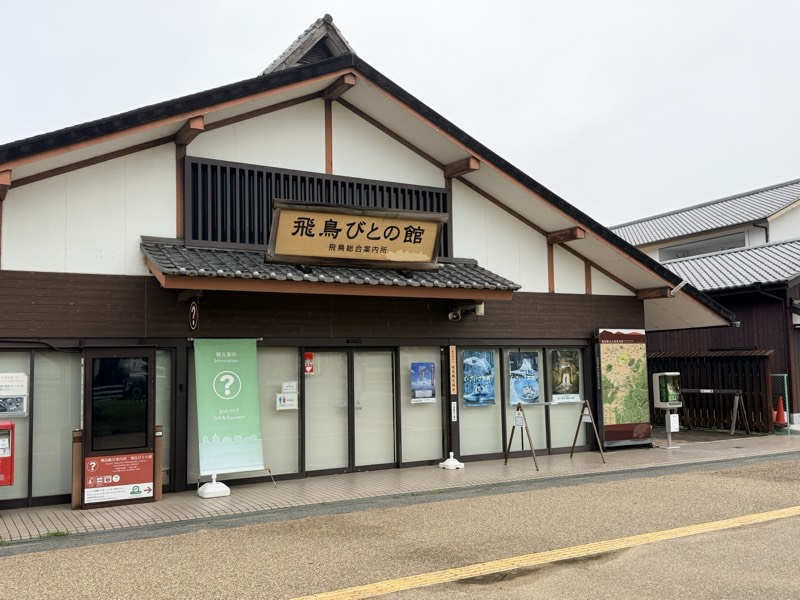
The start and finish are at the Shijin no Yakata museum beside the Kitora Kofun. The distance is 21.0975 km, and the course loops through the village with five turnaround points.
The race begins on the history route. Past the Mausoleum of Emperor Tenmu and Empress Jitō, between the Kawara-dera ruins and Tachibana-dera, on to Amakashi Hill, the Asuka Mizuochi Site and the Man'yō Culture Museum, one component of the World Heritage Site "Asuka-Fujiwara" follows another.
After Ishibutai Kofun the course enters the countryside. It climbs to the Hosokawa rice terraces, then runs past the Sakata terraces, the ozuna sacred rope stretched across the Asuka River, and the Inabuchi terraces. Finally it passes through the Asuka Historical National Government Park, home of the Takamatsuzuka Kofun, turns again at the Tenmu-Jitō mausoleum and returns to Shijin no Yakata.
Asuka is a land of tangled hills and valleys, and the course climbs and descends again and again. The organisers themselves describe it as a course with tough changes in elevation, and say they aim for "a race remembered not for the times, but for the memories".
The big test of the first half is the steep climb after Ishibutai Kofun, passing near the Hosokawa rice terraces. The road keeps rising along the terraced slopes, and many runners walk it. Once over the top, you are into the countryside proper.
The time limit is 3 hours 30 minutes, with three checkpoints along the way, each with its own closing time.
The scenery along the way is unique to this village too. Under the Asuka Act, the historic landscape of the whole village is protected and the height and colour of buildings are restricted. You run through a village where even the convenience store has a tiled roof, with ancient tombs and temple ruins at your side.
There are no paper cups at this race's water stations. Runners carry their own bottle or cup and fill it themselves. Bringing and carrying your own drinking vessel is one of the conditions of entry.
The water is Gorogoro-sui, a famous spring water from Nara. Food stations serve non-alcoholic amazake (sweet rice drink) and kakinoha-zushi (sushi wrapped in persimmon leaves), and at the finish runners are handed Asuka Ruby strawberries, a variety born in Asuka Village.
The guest every year is Kawauchi Yuki, famous as a "citizen runner". It has become a tradition for him to start at the very back and overtake runner after runner along the roads of Asuka.
On race day the Asuka Half Marathon Festa is held at the venue. Local shops set up food and souvenir stalls, and there are talk events and a play area for children.
The first race carried the slogan "Run and sow seeds", and part of the entry fee went towards buying rapeseed for planting. The idea is that the more people run, the richer the village landscape becomes.
The special sponsor, the Haseko Group, signed a public-private partnership agreement with Asuka Village in 2017, and on race day about 300 of its employees volunteer to manage course safety and run the water and food stations. Together with the villagers, many hands support the race.
The 2027 race is scheduled for 14 March. General entries opened in October 2026 and closed within a few days. Please check the official website for the latest information.
On a day without the race, walking the same roads is also worthwhile: from the Kitora Kofun to the Tenmu-Jitō mausoleum, Ishibutai Kofun and the Inabuchi terraces. The 21 km that runners cover in a single day take in almost all of Asuka's highlights.
RELATED SPOT
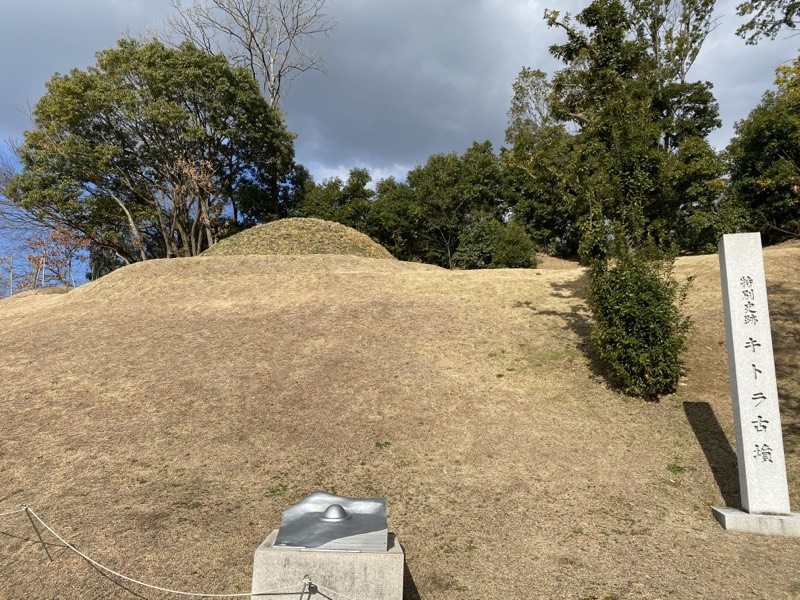
キトラ古墳
A two-tiered round burial mound famous for its chamber painted with the Four Gods and a map of the stars.
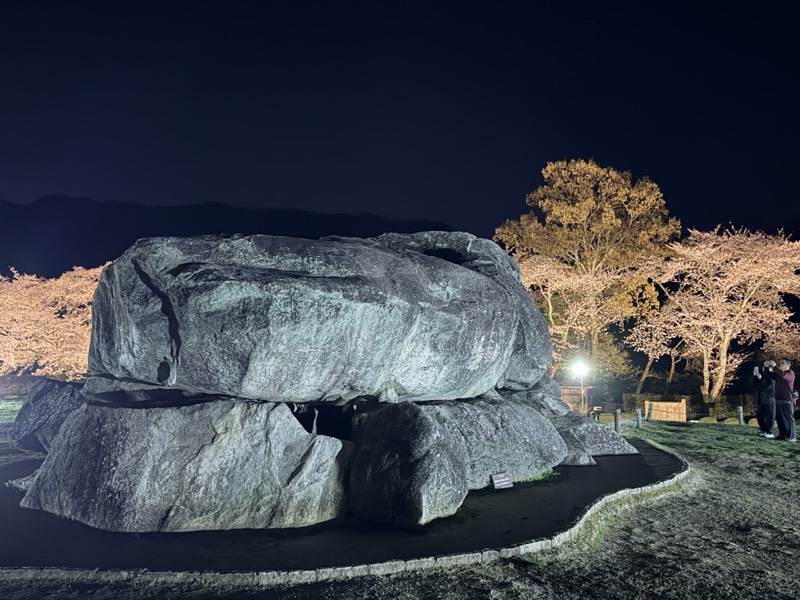
石舞台古墳
One of the largest stone burial chambers in Japan, its giant boulders left bare to the sky. The image most people picture when they think of Asuka.
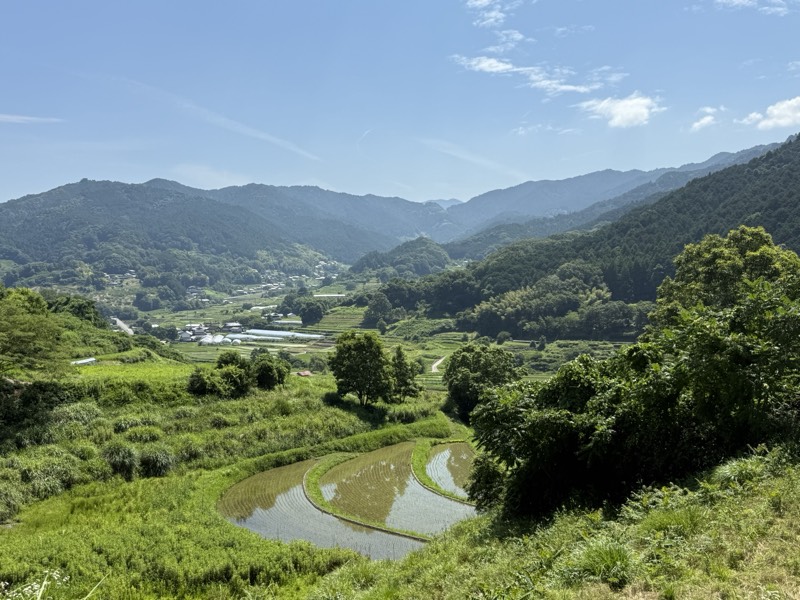
稲渕の棚田
One of Japan's 100 finest terraced rice fields. In autumn, giant scarecrows appear.
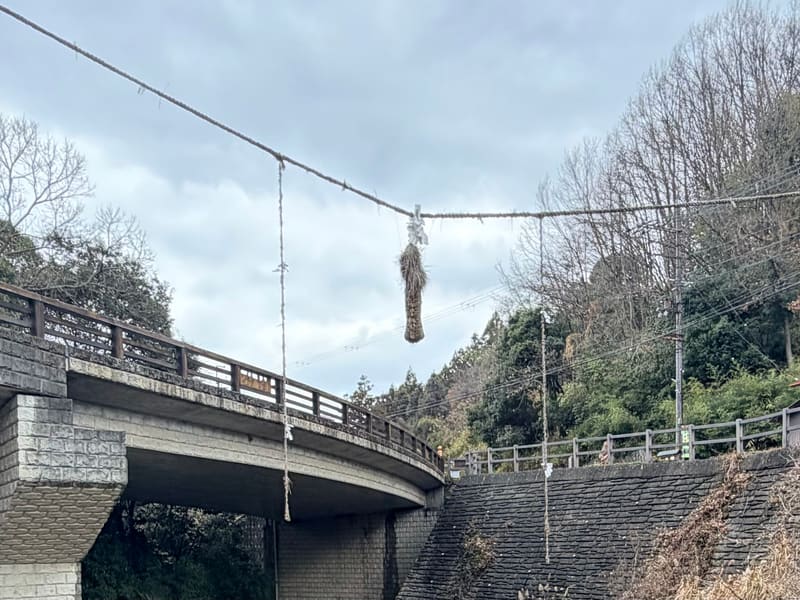
男綱
A rope of rice straw stretched across the Asuka River. It is replaced every year on Coming of Age Day.
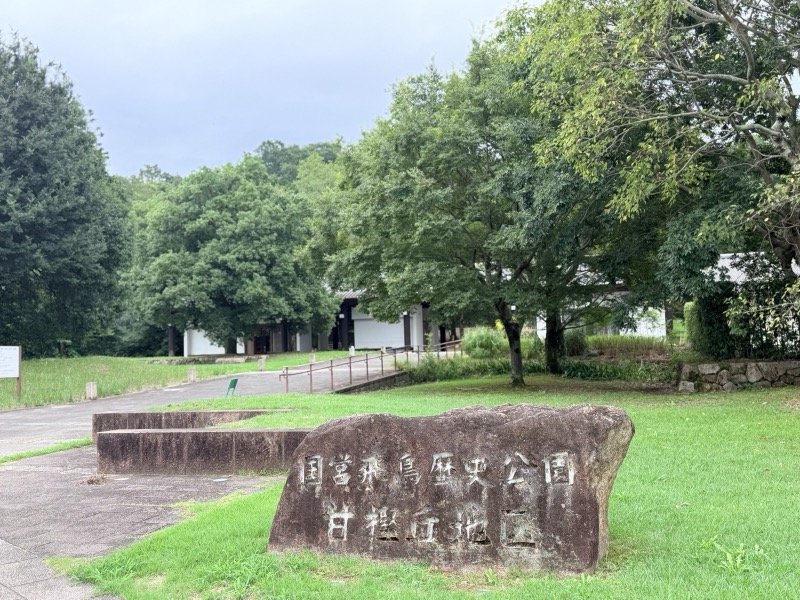
甘樫丘
A hill with views over all of Asuka, said to have been the site of the Soga clan's residences.
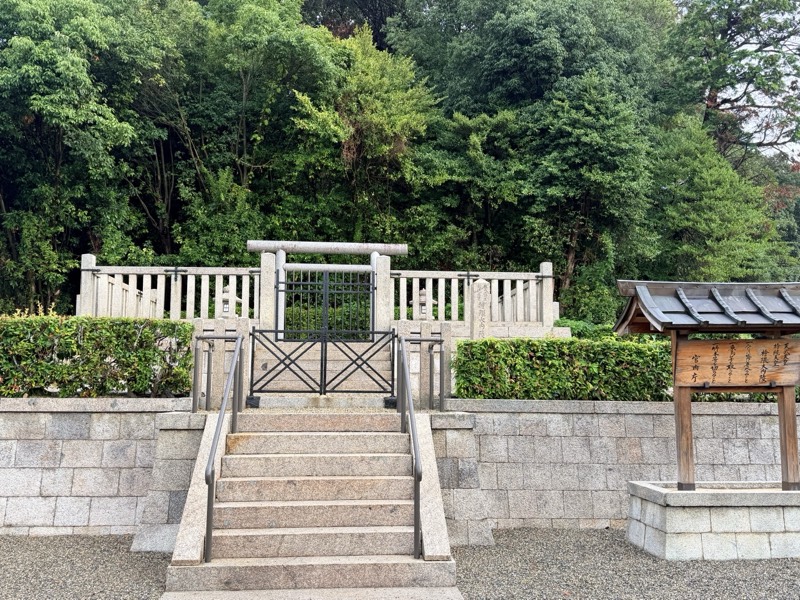
天武・持統天皇陵
One of the few octagonal imperial tombs whose occupants can be confirmed from written records.
RELATED COLUMN
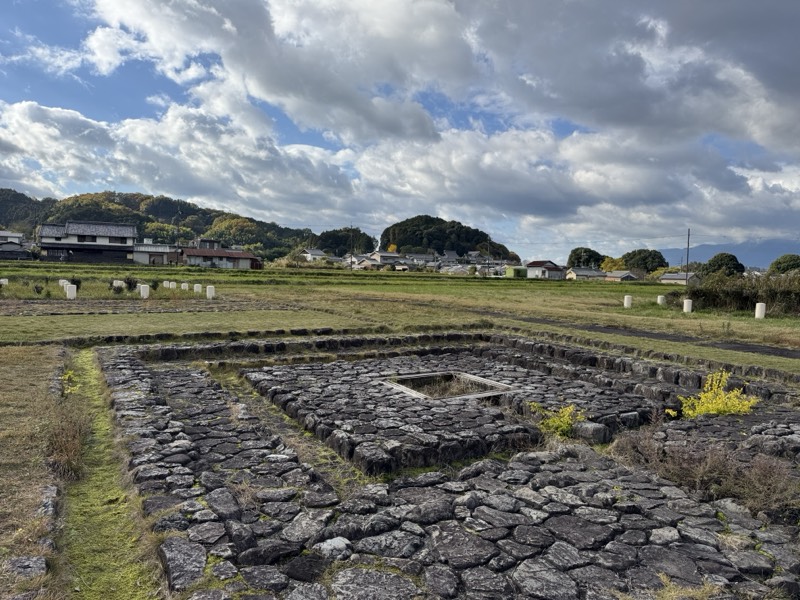 Asuka-Fujiwara World Heritage: All 19 Component Sites and How to Visit Them, with Half-Day, One-Day and Two-Day Routes"Asuka-Fujiwara" was inscribed on the World Heritage List in 2026. We list all 19 component sites with their…
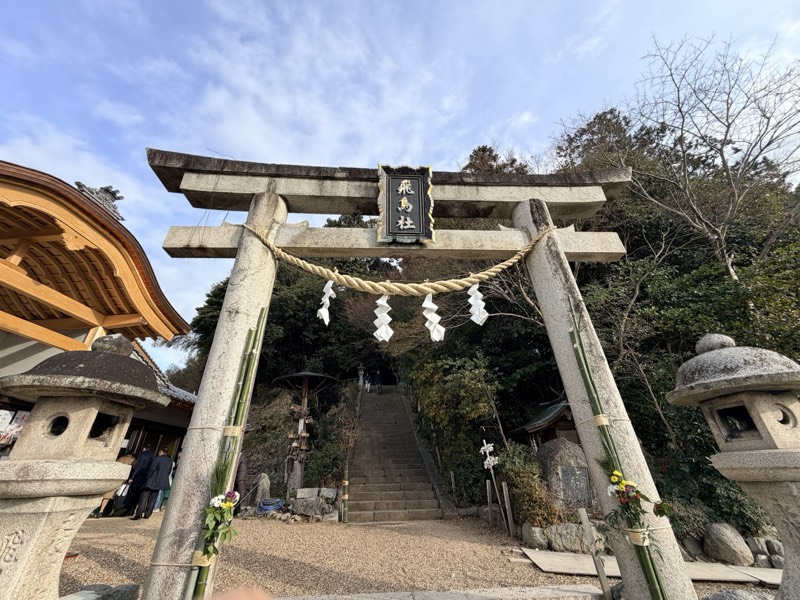 Onda Matsuri: Acting Out the Rice Farming Year, All the Way to MarriageOn the first Sunday of February, the grounds of Asuka-niimasu Shrine fill with people for a festival in which…
 Asuka Ruby: Winter in Asuka Is Also Strawberry SeasonIf you spend your time looking only at kofun and palace sites you may not notice, but winter in this village…