
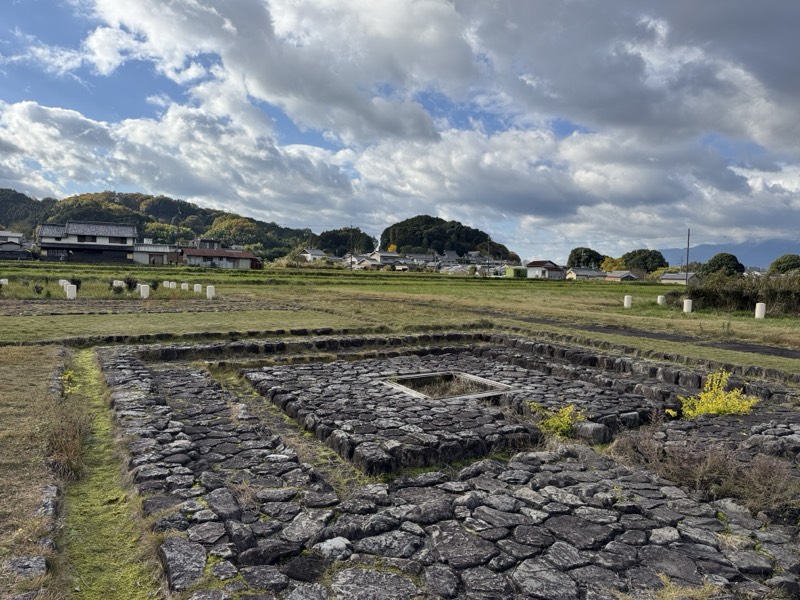
"Asuka-Fujiwara" was inscribed on the World Heritage List in 2026. We list all 19 component sites with their locations and highlights at a glance, and suggest a classic walk from Asuka Station, half-day routes for three areas, a walk into Oku-Asuka, and one- and two-day routes that cover them all.
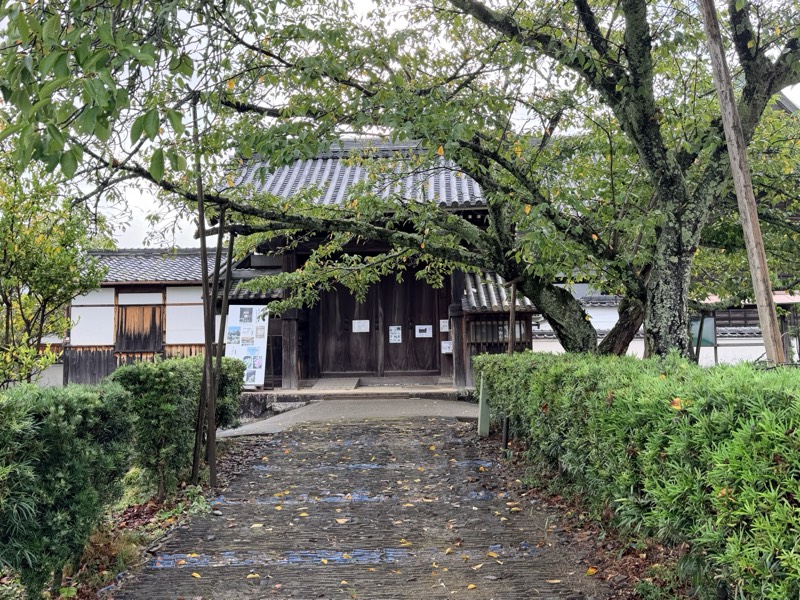
The Twelve Cap Ranks, the Seventeen-Article Constitution, the embassies to Sui China: Prince Shōtoku, familiar from every Japanese textbook, is said to have been born at Tachibana-dera in Asuka. We follow his life as the Nihon Shoki tells it, and look at how the name "Shōtoku Taishi" came about.
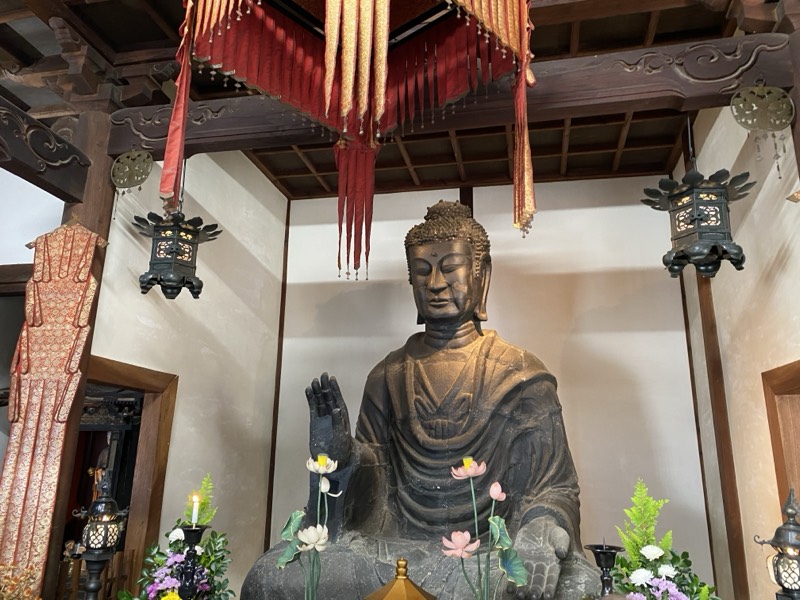
In the Kamakura period (1185–1333), lightning set Asuka-dera Temple ablaze. All that survived, the records say, were "the Buddha's head and hands." Yet X-ray surveys in 2012 and 2016 tell different stories about that same Buddha.
From the Asuka Daibutsu to the Yakushi Triad of Yakushi-ji Temple took about a hundred years. Over that century the faces of Buddhist statues changed dramatically, depending on who commissioned them and on contact with lands across the sea.
It was inscribed on 26 July 2026. All that was chosen were the remains of palaces, temples and tombs, and most of them lie underground. What these 19 sites show is the hundred-odd years in which the institutions of the Japanese state took shape.
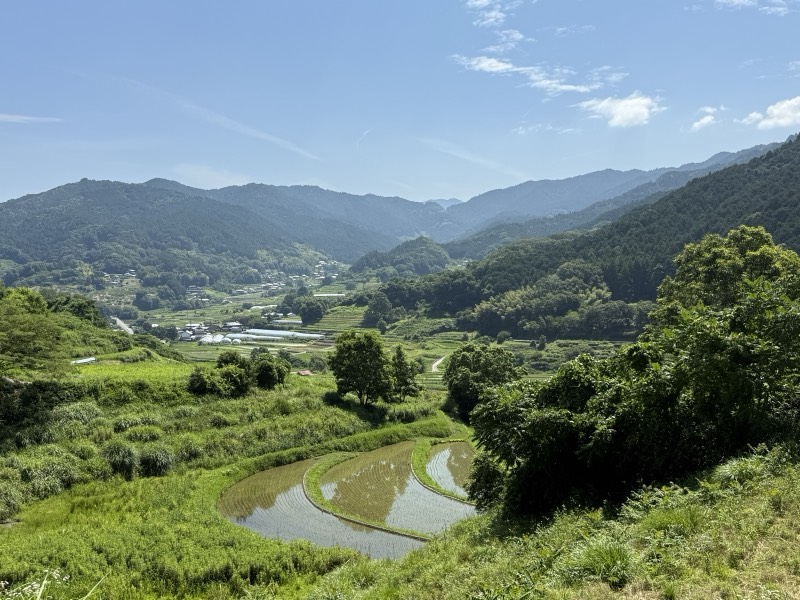
Two ropes of rice straw hang across the Asuka River. Downstream in Inabuchi a Shinto priest is invited; upstream in Kayanomori a Buddhist monk chants sutras. The same rite has carried on in a different form in each village.
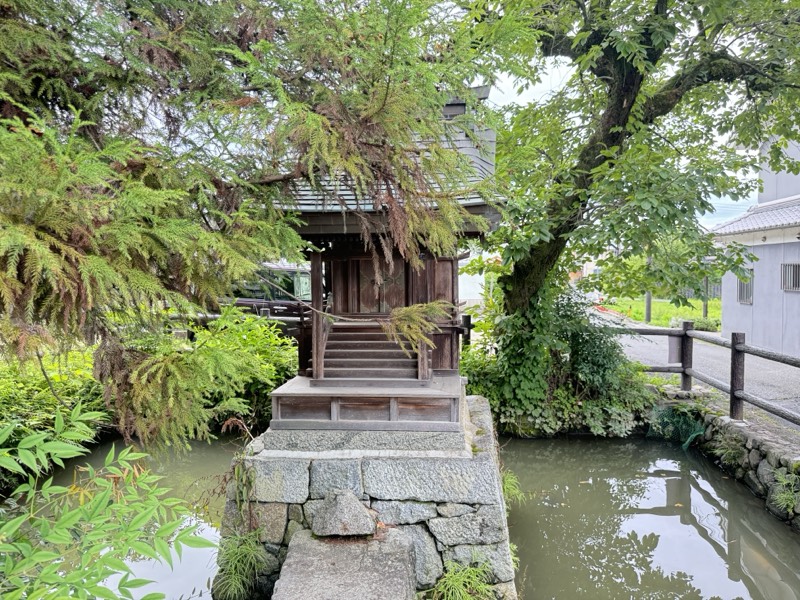
A waterway in Osaka near the sea, or a small pond in Asuka? The "Naniwa no Horie", which the Nihon Shoki names as the place where a Buddhist statue was thrown away, still has two candidates today.
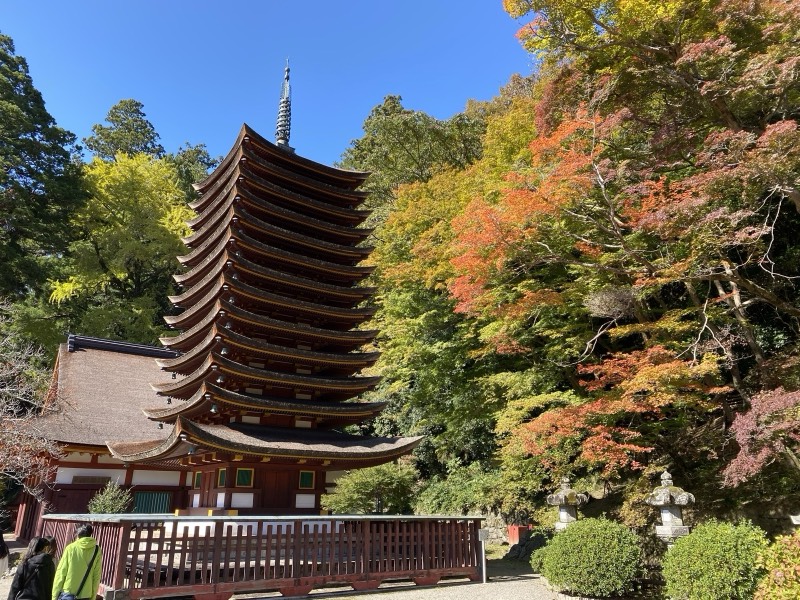
The eldest son of Fujiwara no Kamatari crossed to Tang China at the age of eleven. He came back in the autumn of his twenty-third year, and died at the end of that same year. The one who wrote that he was poisoned was a member of his own family.