
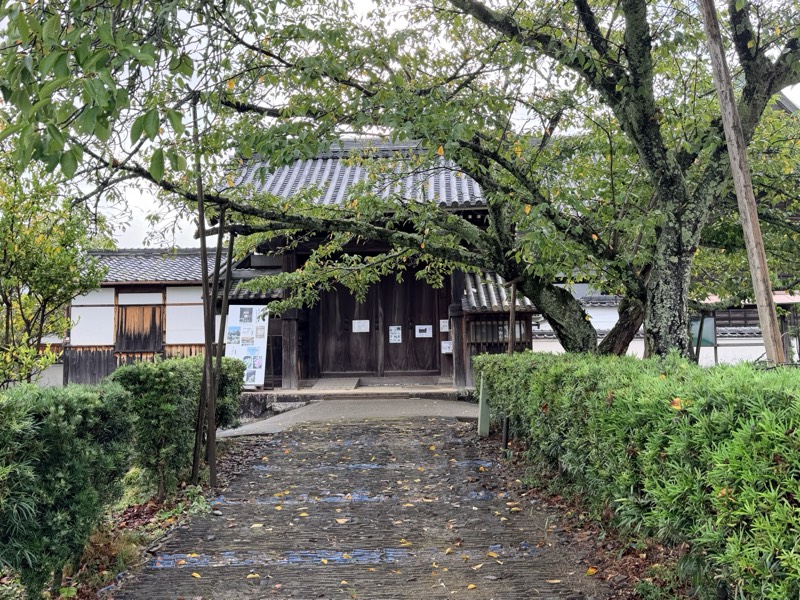
The Twelve Cap Ranks, the Seventeen-Article Constitution, the embassies to Sui China: Prince Shōtoku, familiar from every Japanese textbook, is said to have been born at Tachibana-dera in Asuka. We follow his life as the Nihon Shoki tells it, and look at how the name "Shōtoku Taishi" came about.
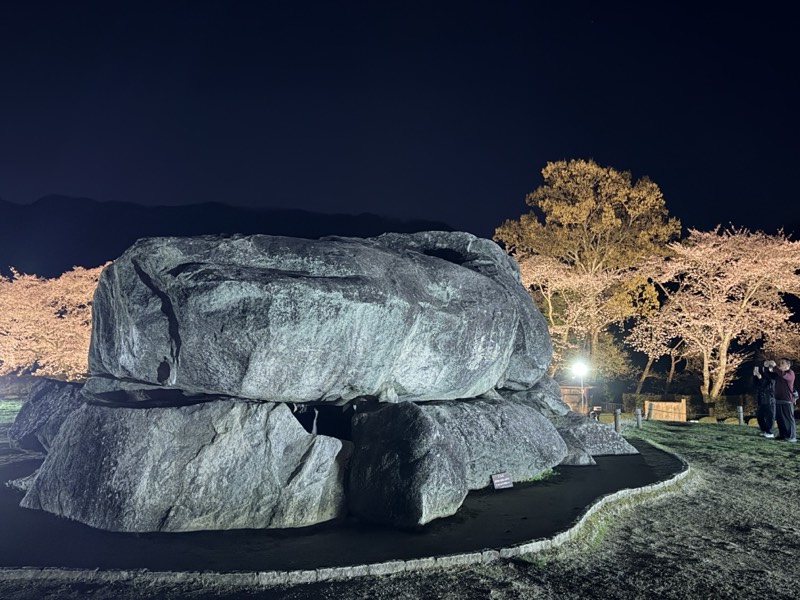
Almost every achievement of Prince Shōtoku comes with the name of Soga no Umako beside it. What if the man really running the country was Umako, and the image of the prince was built from Umako's deeds? We introduce the evidence for this theory and the arguments against it.
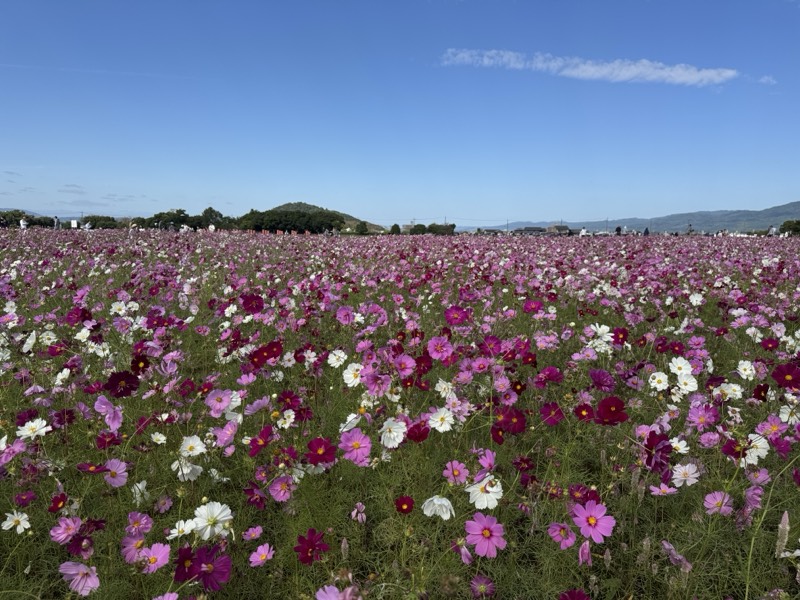
Fujiwara-kyō placed its palace at the centre of the capital, just as the Chinese classic the Rites of Zhou prescribes. Yet Chang'an, its supposed model, did not. Following why the original departed from the classic reveals who the Sui and Tang dynasties really were.
Japan's first full-scale planned capital was abandoned after just sixteen years. Poor drainage, the position of the palace, and what an embassy to Tang China brought back after a gap of thirty years: several theories are told.
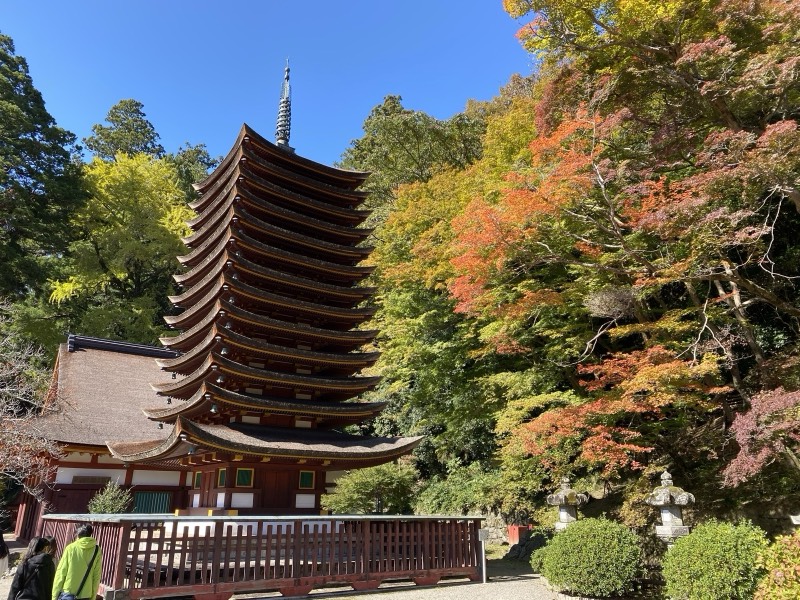
The eldest son of Fujiwara no Kamatari crossed to Tang China at the age of eleven. He came back in the autumn of his twenty-third year, and died at the end of that same year. The one who wrote that he was poisoned was a member of his own family.
To Sui China, then to Tang. Some spent decades across the sea before coming home. What they brought back was not objects but the very framework of a state.
In 600 the first envoys sent to the Sui court in China came home having been told by the emperor that their ways made no sense. Within a hundred years, this country had become a state governed by ritsuryō law codes.
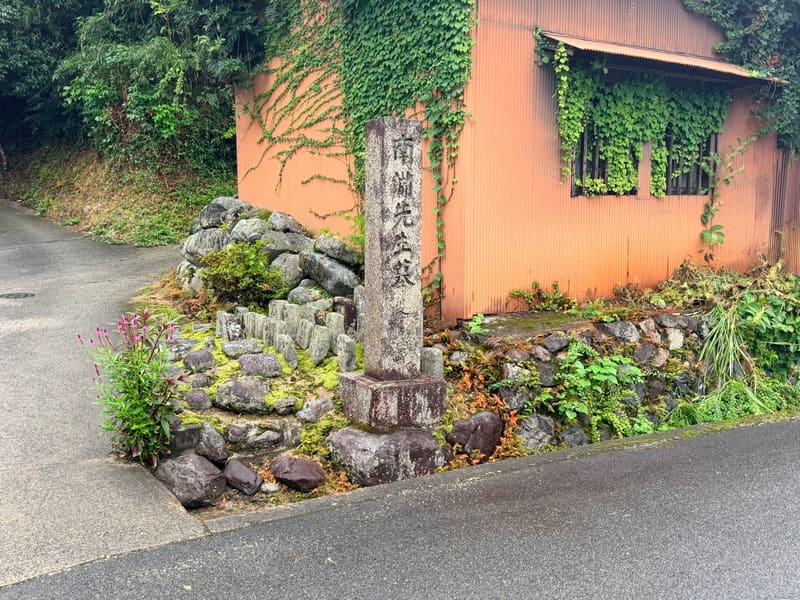
Prince Naka no Ōe and Nakatomi no Kamatari went to study with a scholar who had spent more than thirty years on the continent after travelling with an embassy to Sui China. His school is said to have stood on a sloping road in Inabuchi.