
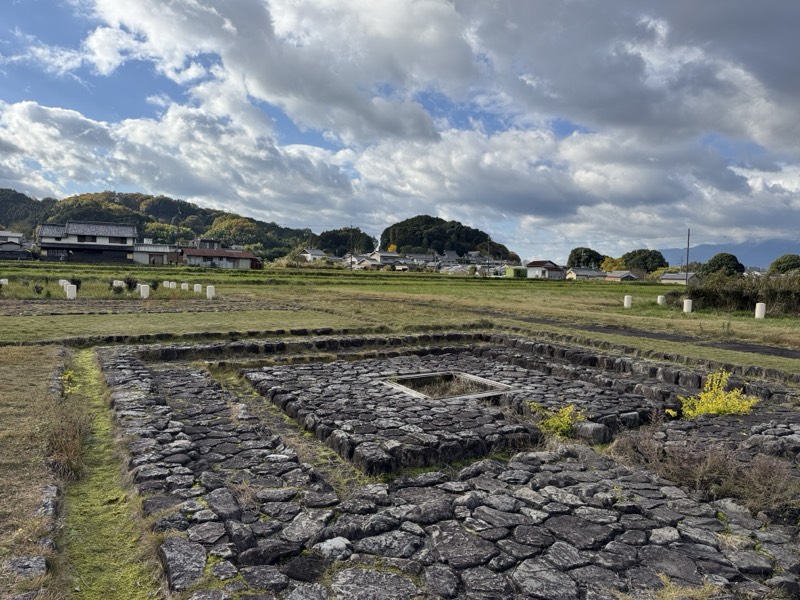
"Asuka-Fujiwara" was inscribed on the World Heritage List in 2026. We list all 19 component sites with their locations and highlights at a glance, and suggest a classic walk from Asuka Station, half-day routes for three areas, a walk into Oku-Asuka, and one- and two-day routes that cover them all.
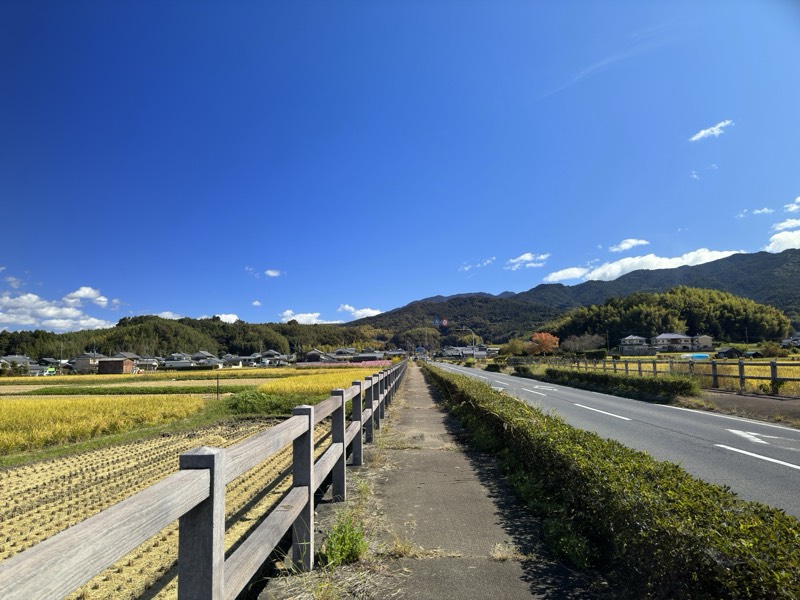
Asuka is not only the village in Nara. Around Habikino and Taishi in Osaka Prefecture there is another Asuka, known in ancient times as Chikatsu Asuka, "Near Asuka". The Asuka in Yamato was Tōtsu Asuka, "Far Asuka". Near and far from where?
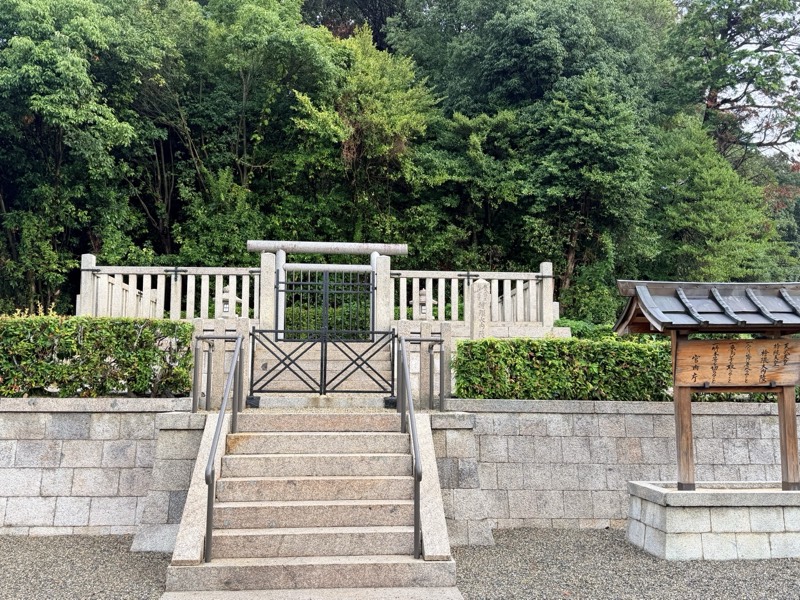
Before she married Emperor Jomei, Empress Kōgyoku had already borne a son: Prince Aya (Aya no Miko). The Nihon Shoki (Japan's oldest official chronicle, compiled in 720) mentions his name once, and never again.
In 690, the year Empress Jitō took the throne in Japan, Wu Zetian became emperor in Tang China. Half a century earlier, Silla in Korea had also had a queen. Why did female rulers follow one another in 7th-century East Asia?
It was inscribed on 26 July 2026. All that was chosen were the remains of palaces, temples and tombs, and most of them lie underground. What these 19 sites show is the hundred-odd years in which the institutions of the Japanese state took shape.
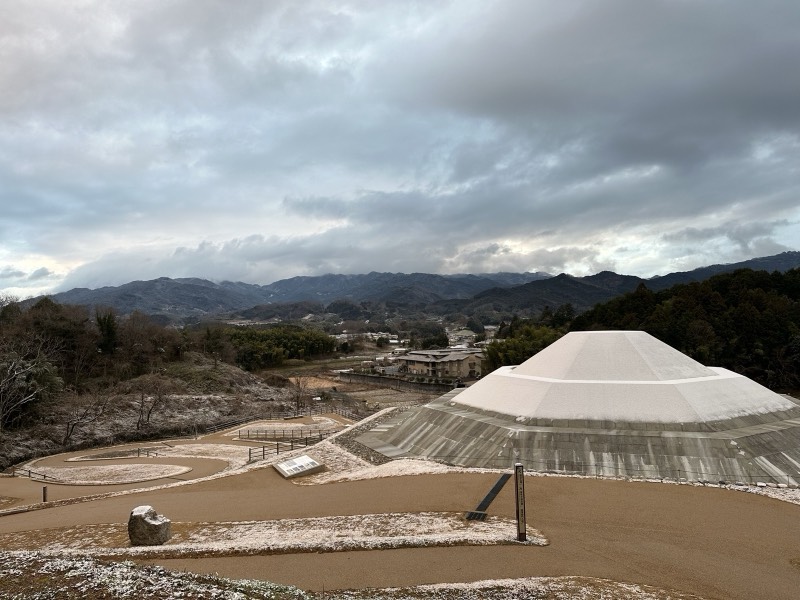
Neither round nor square, but a mound with eight sides. For about sixty years, from the mid-7th to the early 8th century, this shape was used only for the tombs of emperors.
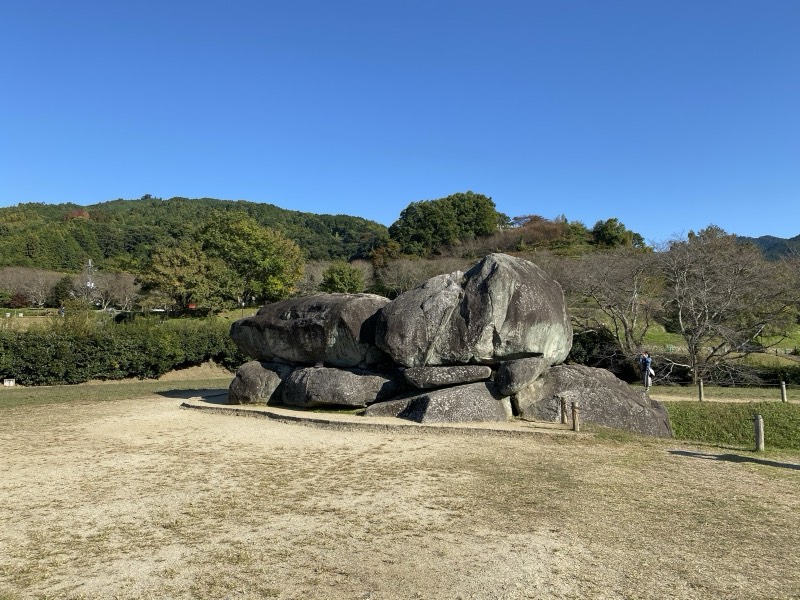
For more than three hundred years, burial mounds kept growing larger. During the 7th century they shrank, and in the early 8th century they disappeared. There was more than one reason.
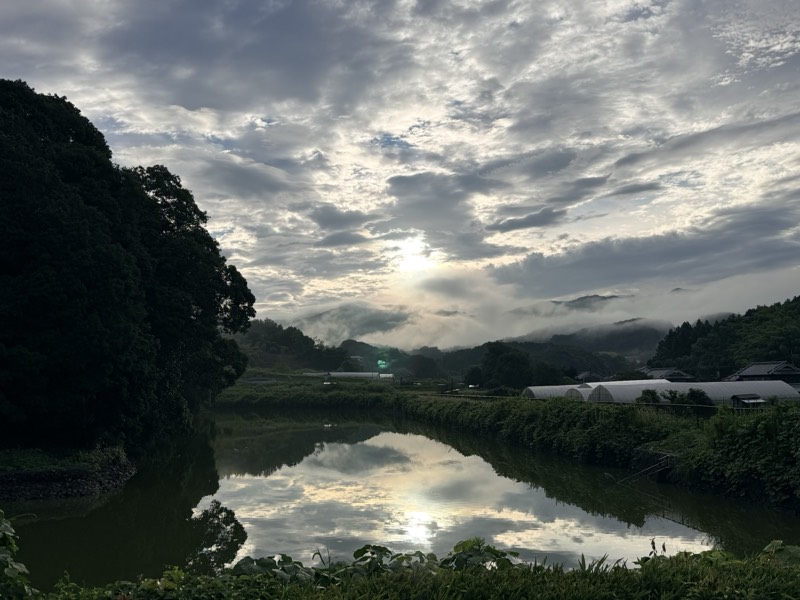
Around Kintetsu Asuka Station, in Hirata, Noguchi and Koshi, a number of kofun said to be the tombs of emperors lie within a few kilometres of one another. Nowhere else are they packed so densely.