
Published
Before she married Emperor Jomei, Empress Kōgyoku had already borne a son: Prince Aya (Aya no Miko). The Nihon Shoki (Japan's oldest official chronicle, compiled in 720) mentions his name once, and never again.
In the Nihon Shoki (Japan's oldest official chronicle, compiled in 720), in the section covering the years before Empress Kōgyoku took the throne, there is this sentence:
Princess Takara first married Prince Takamuku, a grandson of Emperor Yōmei, and bore Prince Aya. Later she married Emperor Jomei and bore two sons and a daughter.
Princess Takara is the woman who later became Empress Kōgyoku, and who took the throne a second time as Empress Saimei. Her two sons and a daughter by Jomei were Prince Katsuragi (Prince Naka no Ōe, later Emperor Tenchi), Princess Hashihito and Prince Ōama (later Emperor Tenmu).
That makes Prince Aya the elder half-brother of all three. Yet this is the only time his name appears in the Nihon Shoki. How he lived and when he died, it does not say.
There is another point that has been raised for a long time: the ages of Tenchi and Tenmu.
The Nihon Shoki gives the age at death of neither Tenchi nor Tenmu. Their ages come from sources compiled in the Heian period (794–1185) or later.
Tenchi died in 671, reportedly aged 46. Counting back, he was born in 626.
Tenmu died in 686. The Honchō Kōin Jōun-roku gives his age as 65; the Ichidai Yōki gives 73. Aged 65 means he was born in 622; aged 73 means 614.
Either way, Tenmu, who is supposed to be the younger brother, ends up older than his elder brother Tenchi.

One attempt to explain the discrepancy is the theory that Emperor Tenmu and Prince Aya were the same person. It was put forward in the 1970s and has been taken up again and again since.
If Prince Aya was the son of Prince Takamuku, there is nothing strange about his being born before Tenchi. And the reason someone older was treated as the younger brother is explained too: he was a half-brother by a different father.
His vanishing after a single mention can also be read as the result of a change of name.
On the other hand, the evidence can hardly be called strong.
First, every source that gives Tenmu's age was compiled in the Heian period or later. Besides 65 and 73, one source gives 56, so the figures do not agree. The usual view is that the later records are the ones in error.
Then there are the circumstances in which the Nihon Shoki was compiled. It was completed in 720, when Tenmu's descendants were ruling the country. If Tenmu had not been Jomei's son, that would bear on the legitimacy of their claim to the throne. If it were a fact to hide, it would have been simpler to delete the entry on Prince Aya altogether.
Instead, the chronicle goes out of its way to record him. For the same-person theory, this is also a weak point.
The theory survives because there is a gap.
No one knows what became of Empress Kōgyoku's first child. Tenchi's and Tenmu's ages do not add up. And the relationship between the two men ends with Tenmu fighting Tenchi's son in the Jinshin War.
As for the name "Ōama", one theory holds that he was raised by the Ōshiama clan. Who brought up a prince was never unconnected with the balance of power at the time.
None of this is conclusive, but it is enough to raise the question.
The most certain thing in this story is the fact that the Nihon Shoki wrote a single line about Prince Aya and said nothing more.
Was it simply impossible to tell Empress Kōgyoku's life without mentioning her first marriage? Or was there a need to put it on record?
Several theories can be built, but none has anything decisive behind it.
The Mausoleum of Emperor Tenmu and Empress Jitō is in Noguchi, Asuka Village. It is an octagonal tomb, and we know Tenmu and Jitō were buried together there from records of a tomb robbery in the Kamakura period (1185–1333).
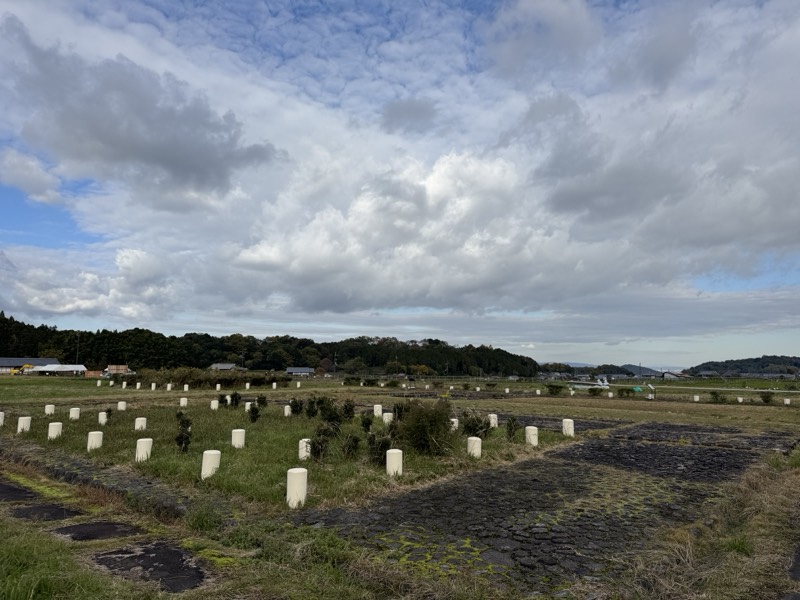
The Asuka Palace Site also contains the remains of the Kiyomihara Palace, where Tenmu governed.

RELATED SPOT
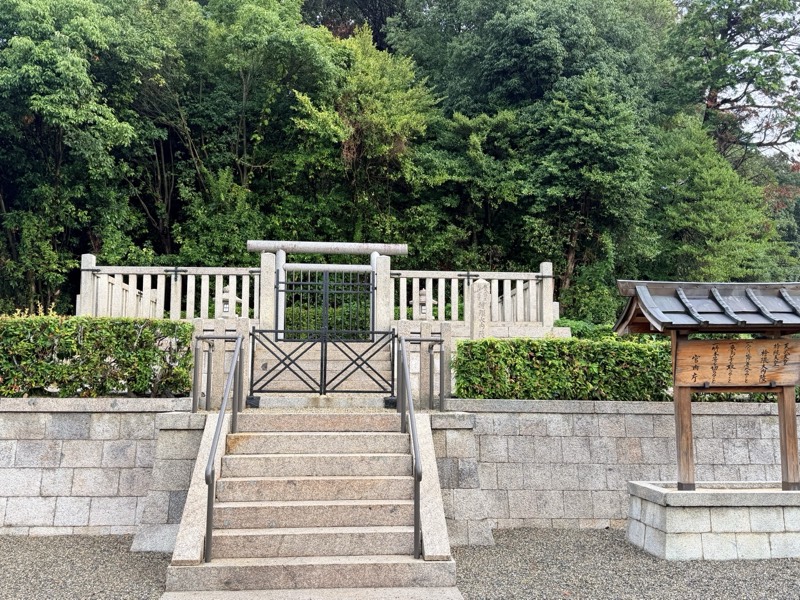
天武・持統天皇陵
One of the few octagonal imperial tombs whose occupants can be confirmed from written records.
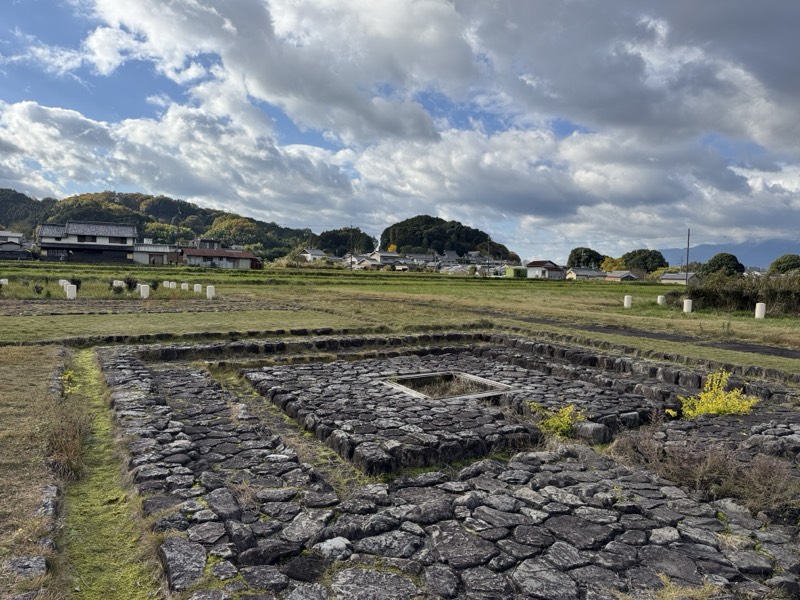
飛鳥宮跡(伝 飛鳥板蓋宮跡)
The political heart of Asuka, where several palaces were built one on top of another.
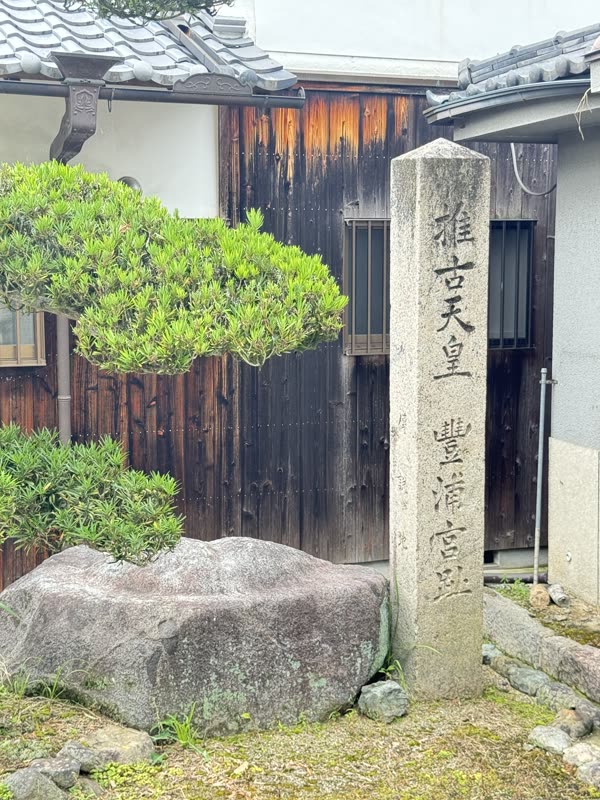
豊浦宮跡
The site of the palace where Empress Suiko took the throne, marking the beginning of the Asuka period.
RELATED COLUMN
 After the Oath: What Became of Emperor Tenmu's PrincesIn 679 Emperor Tenmu made six princes swear at Yoshino never to fight one another. It is well known that the…Prince Takechi: The Eldest Son Far from the Throne, Yet Called "Mikoto"The man given command of the army in the Jinshin War was a 19-year-old eldest son. Because of his mother's…
 "Ōe" Is Not a Name: Naka-no-Ōe, Furuhito-no-Ōe and Yamashiro-no-ŌeThe "Ōe" in Prince Naka-no-Ōe is not a personal name. It is a term showing eligibility to succeed to the…