
Published
The "Ōe" in Prince Naka-no-Ōe is not a personal name. It is a term showing eligibility to succeed to the throne. In the first half of the 7th century, three princes bore it.
Ōe (literally "great elder brother") was a title given to those of a sovereign's sons who were regarded as eligible to succeed to the throne.
Prince Oshisaka-no-Hikohito-no-Ōe, father of Emperor Jomei; Prince Yamashiro-no-Ōe, son of Prince Umayado (Prince Shōtoku); and Emperor Jomei's sons Prince Furuhito-no-Ōe and Prince Naka-no-Ōe. In each case it looks like part of the name, but it actually indicates status.
It is sometimes explained as the equivalent of the later position of crown prince. But unlike the later crown prince, limited to one person at a time, there could be several Ōe at once. How far it was fixed as a formal system is debated.
What is clear is that the standing of a prince's mother's family mattered in who became an Ōe, and that being an Ōe meant being within reach of the throne.
The "Naka" (middle) in Naka-no-Ōe is generally taken to mean "second."
Above him was Prince Furuhito-no-Ōe. Both were sons of Emperor Jomei, but by different mothers.
Furuhito-no-Ōe's mother was Hohote no Iratsume, a daughter of Soga no Umako. Naka-no-Ōe's mother was Princess Takara, later Empress Kōgyoku.
The same father, but different families behind them. For the Soga clan, it was clear which one to back.

In the first half of the 7th century there were three princes called Ōe: Prince Yamashiro-no-Ōe, Prince Furuhito-no-Ōe and Prince Naka-no-Ōe.
Several eligible candidates at the same time also meant a struggle until the matter was settled.
In the eleventh month of 643, Soga no Iruka sent troops to attack the Ikaruga Palace.
Prince Yamashiro-no-Ōe fled to Mt Ikoma, but a few days later he returned to Ikaruga-dera Temple and took his own life together with his family. Prince Umayado's line ended here.
The prince Iruka was backing was Furuhito-no-Ōe. If a prince of Soga blood was to be put on the throne, Yamashiro-no-Ōe stood in the way.
Two years later, Iruka was struck down in the Isshi Incident (the coup of 645). Having lost his backer, Furuhito-no-Ōe became a monk and withdrew to Yoshino.
In the ninth month of the same year, an informer reported that he was plotting rebellion, and Naka-no-Ōe sent troops. Furuhito-no-Ōe was killed.
Within two years, two Ōe had disappeared. The one left was Naka-no-Ōe.

After the Taika era (645–650), no more princes bore the title Ōe.
The Nihon Shoki records that when Emperor Kōtoku took the throne, Naka-no-Ōe was made crown prince. This marks the turning point of a shift from a system with several eligible candidates to one that designated a single heir.
Designating one did not end the strife, however. After Emperor Tenchi's death, his son Prince Ōtomo and his younger brother Prince Ōama went to war: the Jinshin War (the succession war of 672).
Emperor Tenchi is more often called "Naka-no-Ōe" than by his name as emperor.
A word meant to indicate status survived as the name of a person. Of the three called Ōe, only the one who survived to the end has come down to us with the title as his name.
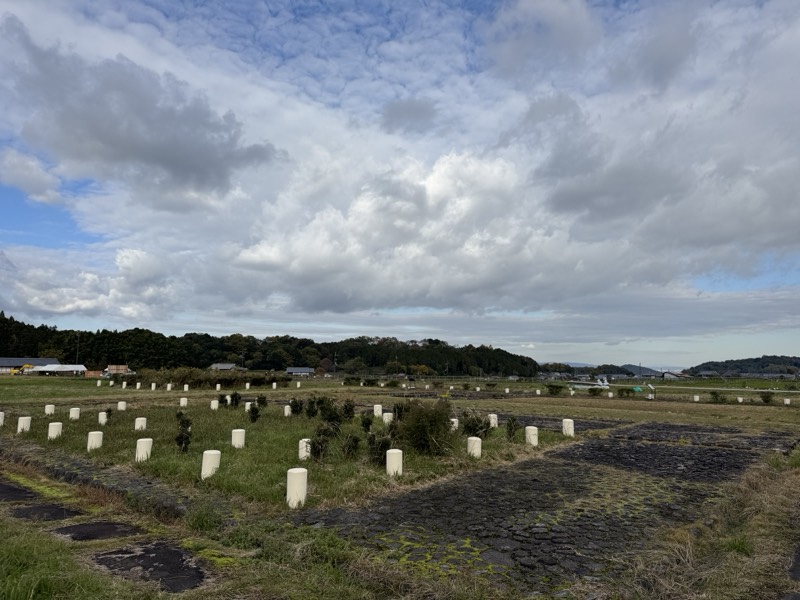
The Asuka Palace Site is in Oka, Asuka Village. The remains of the Itabuki Palace, traditionally the scene of the Isshi Incident, survive here layered with several other palaces.
From Amakashi Hill you can look out over the palace site and the Three Mountains of Yamato (the three hills of the Nara basin). Stand there and you will see why the Soga built their residences here.
RELATED SPOT
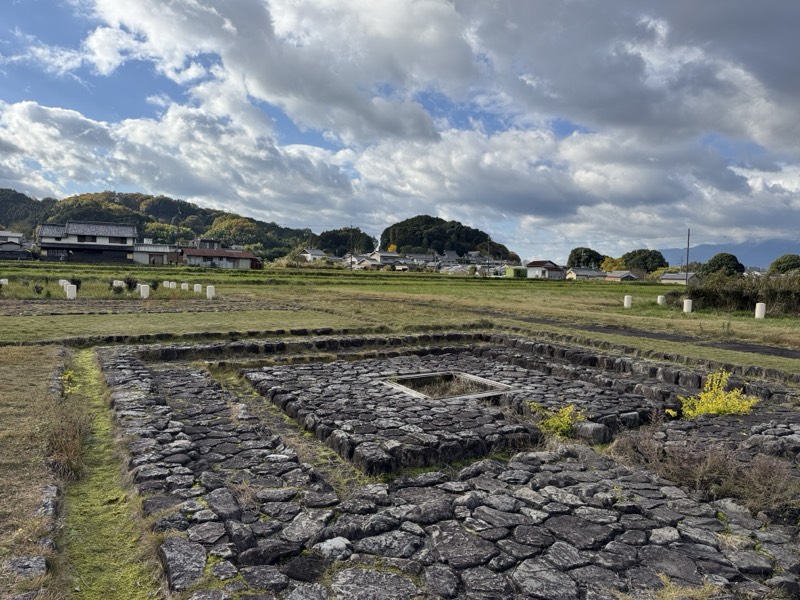
飛鳥宮跡(伝 飛鳥板蓋宮跡)
The political heart of Asuka, where several palaces were built one on top of another.
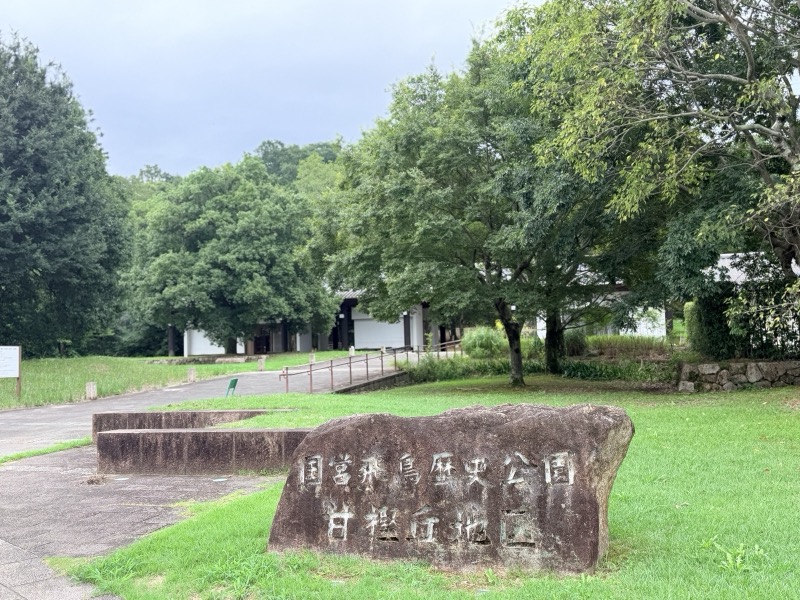
甘樫丘
A hill with views over all of Asuka, said to have been the site of the Soga clan's residences.
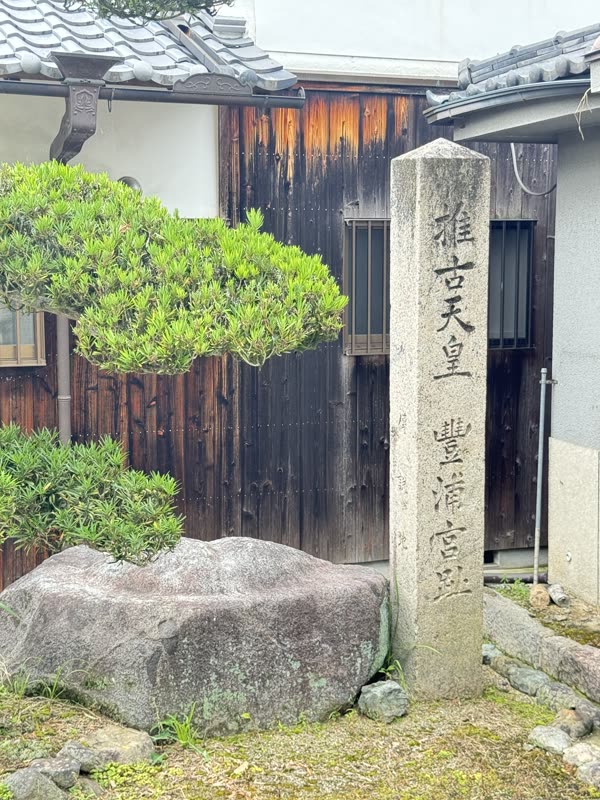
豊浦宮跡
The site of the palace where Empress Suiko took the throne, marking the beginning of the Asuka period.
RELATED COLUMN
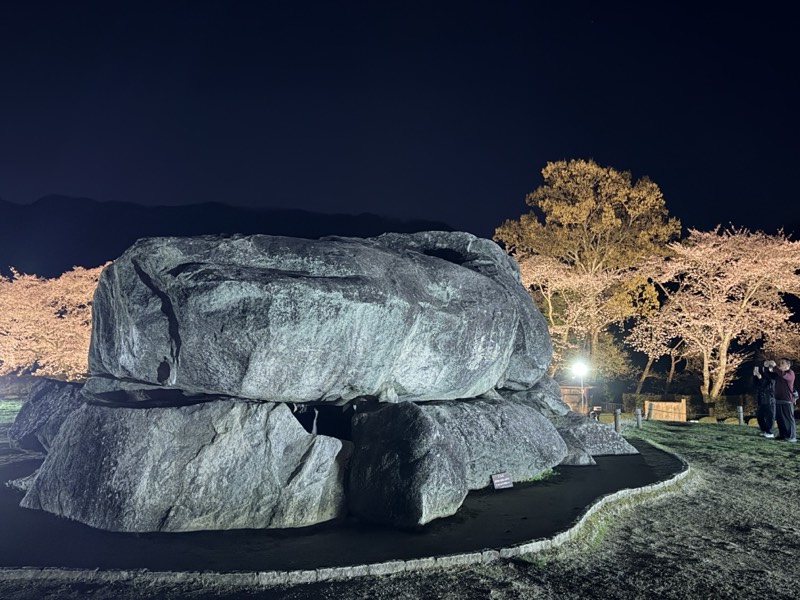 Was Prince Shōtoku Really Soga no Umako? Reading the "Prince = Umako" TheoryAlmost every achievement of Prince Shōtoku comes with the name of Soga no Umako beside it. What if the man…
 The Bride Who Vanished on Her Wedding Night: How Ochi no Iratsume Came to MarryIt was a match arranged by Nakatomi no Kamatari: the eldest daughter of Soga no Kura-no-Yamada no…
 Was Emperor Tenmu Really the Younger Brother? Prince Aya, the Name That VanishedBefore she married Emperor Jomei, Empress Kōgyoku had already borne a son: Prince Aya (Aya no Miko). The…