
Published
The Twelve Cap Ranks, the Seventeen-Article Constitution, the embassies to Sui China: Prince Shōtoku, familiar from every Japanese textbook, is said to have been born at Tachibana-dera in Asuka. We follow his life as the Nihon Shoki tells it, and look at how the name "Shōtoku Taishi" came about.

Prince Shōtoku is said to have been born in 574 to Emperor Yōmei and Princess Anahobe no Hashihito. His original name was Umayado, "stable door". The Nihon Shoki (Japan's oldest official chronicle, compiled in 720) says that his mother was inspecting the palace when she reached the door of the stables, and gave birth there without pain.
The place where he is said to have been born is Tachibana-dera in Asuka. According to the temple, Emperor Kinmei had a detached palace here, and the prince was born while Emperor Yōmei and Princess Hashihito were staying in it.
"Shōtoku Taishi" was not his name during his lifetime. The Nihon Shoki calls him Prince Umayado, Toyotomimi or Kamitsumiya, among other names. One of the earliest appearances of "Shōtoku Taishi" (roughly "Crown Prince of Sagely Virtue") is in the Kaifūsō, an anthology of the mid-8th century. It was a name given after his death in praise of his virtue.
The name Toyotomimi ("wise ears") comes with a story that he could hear the petitions of ten people at once and judge each one correctly. This is the source of the famous tale that he could listen to ten people speaking at the same time.
Recent Japanese textbooks increasingly write "Umayado-ō (Prince Shōtoku)", pairing him with his name in life. In 2017 a draft revision of the national curriculum guidelines proposed using "Umayado-ō" as the main name, but after many objections the name "Shōtoku Taishi" was restored.
His father Emperor Yōmei's mother was Kitashihime, and his mother Princess Hashihito's mother was Oane no Kimi. Both were daughters of Soga no Iname. On his father's side and his mother's, the prince was descended from the Soga clan.
In 587, when Soga no Umako and Mononobe no Moriya fought over Buddhism, the prince sided with Umako. He is said to have prayed to the Four Heavenly Kings for victory in the middle of the battle and vowed to build a temple if they won; this is regarded as the origin of Shitennō-ji temple in Osaka.
At the end of 592, his aunt Empress Suiko took the throne at the Toyura Palace. The Nihon Shoki records that the following year, 593, the prince became crown prince and was entrusted with the government. This began the age in which three figures stood side by side: Empress Suiko, Soga no Umako and the prince.
In 603 the Twelve Cap Ranks were established, a system that awarded court caps according to merit rather than family. In 604 came the Seventeen-Article Constitution, which sets out the attitude expected of officials and begins "Harmony is to be valued". In 607 Ono no Imoko was sent as an envoy to Sui-dynasty China.
But the prince did not achieve all this alone. In many of the Nihon Shoki's entries, he and Umako appear together. When the histories called the Tennōki and the Kokki were compiled in 620, the chronicle says the crown prince and the Shima no Ōomi (Umako) deliberated together and wrote them.
In 601 the prince began building a palace at Ikaruga, and in 605 he moved there. It lies about 20 km northwest of Asuka. The temple he built next to it, Ikaruga-dera, later became Hōryū-ji.
No one knows why he left Asuka. Some say it was to devote himself to Buddhist study; others say he wanted to keep his distance from Umako.
The inscription on the halo of the Shaka Triad in the Golden Hall of Hōryū-ji records that the prince died on the 22nd day of the 2nd month of 622. His consort Kashiwade no Ōiratsume had died the day before. The Nihon Shoki gives the previous year, 621, so the records disagree here.
His grave is identified as the Shinaga tomb at Eifuku-ji temple in Taishi, Osaka Prefecture. His line came to an end in 643, when his son Prince Yamashiro no Ōe was attacked by Soga no Iruka and took his own life together with his family.
After his death the prince gradually became an object of devotion. He was said to be a rebirth of the bodhisattva Kannon, and to have foreseen the future. From the Heian period (794–1185) onward, halls dedicated to him were built across the country, and he was worshipped as the patron of craftsmen. Because his portrait appeared on banknotes many times in the Shōwa era, he remains a historical figure whose face many people can picture.
As his image grew larger, the question arose of how much of it was the real Prince Umayado. Some theories hold that his achievements were invented by the compilers of the Nihon Shoki; others reread his image through his relationship with Soga no Umako.
At Tachibana-dera, a seated statue of Prince Shōtoku is enshrined in the main hall (Taishi-dō). Walk north and you come to the Kawara-dera ruins, and then Asuka-dera. The Toyura Palace site, where Empress Suiko took the throne, lies at the northern foot of Amakashi Hill. The places where the prince was born, grew up and took part in government remain close together within Asuka.
RELATED SPOT
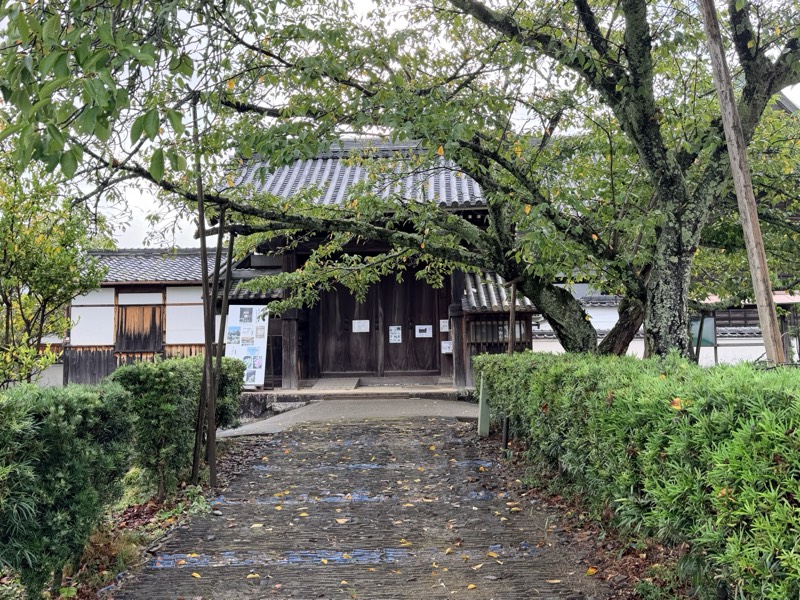
橘寺
The temple said to stand on the birthplace of Prince Shōtoku, home to the two-faced Nimenseki stone.
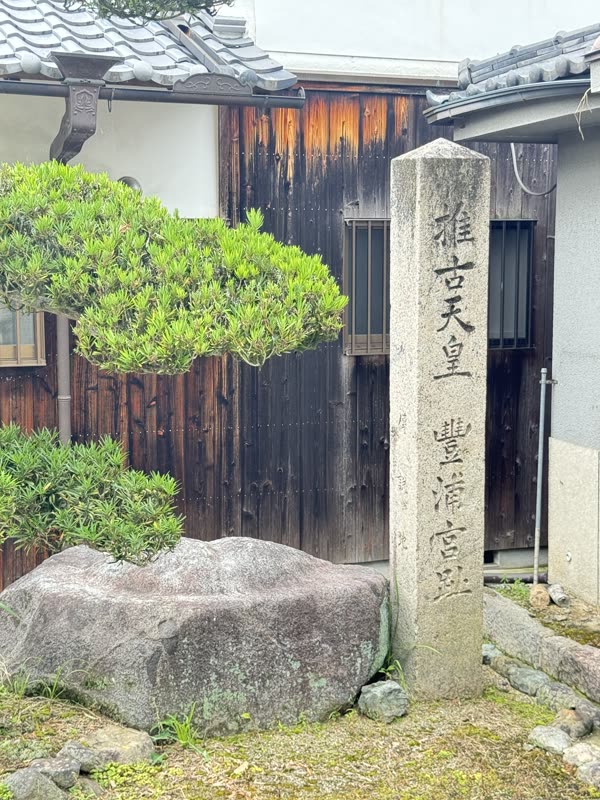
豊浦宮跡
The site of the palace where Empress Suiko took the throne, marking the beginning of the Asuka period.
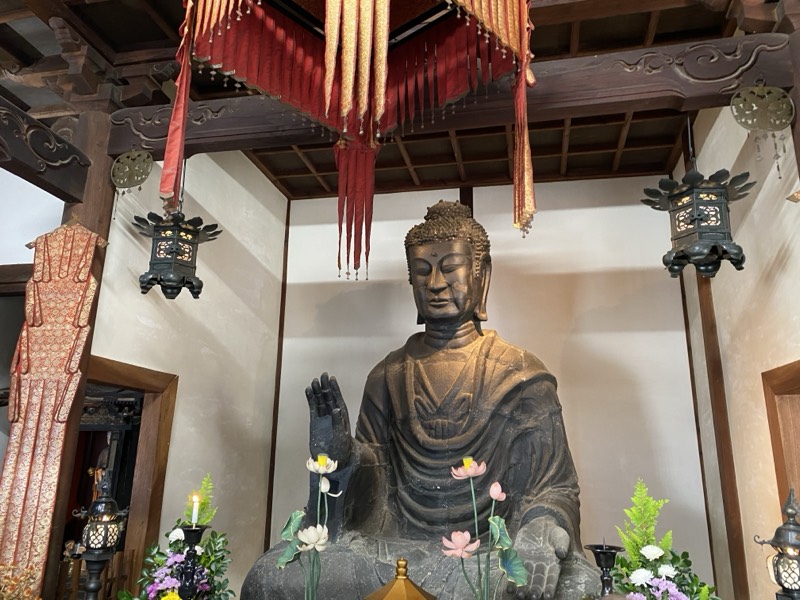
飛鳥寺・蘇我入鹿首塚
Japan's first full-scale Buddhist temple. The Great Buddha of Asuka still sits on the spot where it was made, 1,400 years ago.
RELATED COLUMN
 The Ones Who Came Back Across the Sea: What the Overseas Students Brought HomeTo Sui China, then to Tang. Some spent decades across the sea before coming home. What they brought back was…
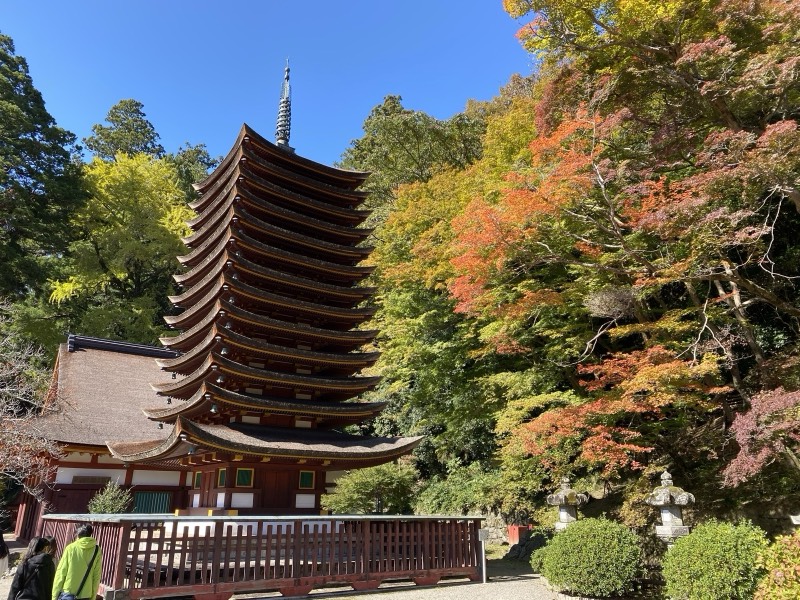 Jōe: Home After Twelve Years of Study in China, Dead the Same YearThe eldest son of Fujiwara no Kamatari crossed to Tang China at the age of eleven. He came back in the autumn…
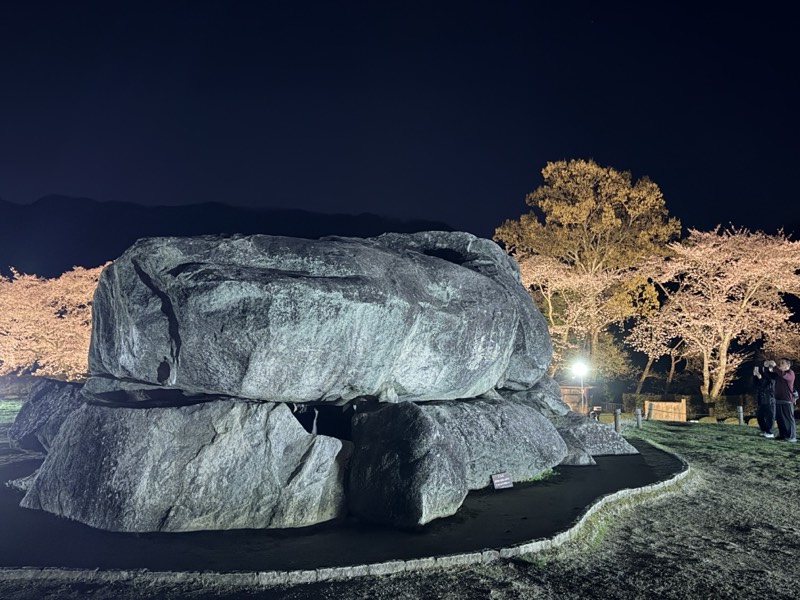 Was Prince Shōtoku Really Soga no Umako? Reading the "Prince = Umako" TheoryAlmost every achievement of Prince Shōtoku comes with the name of Soga no Umako beside it. What if the man…