

向原寺(豊浦寺跡)(こうげんじ)
A temple standing on the site of Toyura-dera, Japan's first nunnery, with the Naniwa Pond tied to the legend of Buddhism's arrival.
After Empress Suiko's Toyura Palace moved to Oharida, the Soga clan built Toyura-dera Temple here. It is said to be the first nunnery in Japan.
According to the Nihon Shoki (Japan's oldest official chronicle, compiled in 720), it began when Soga no Iname purified his "house at Mukuhara" and made it into a temple. Japan's first nuns, led by Zenshin-ni, are said to have lived here.
The temple standing here today is Taishizan Kōgen-ji of the Hongwanji branch of Jōdo Shinshū (True Pure Land) Buddhism. Its name preserves the name of the "house at Mukuhara."
Excavations in the grounds found the platform of Toyura-dera's lecture hall. In a layer beneath it, stone paving and traces of buildings with posts sunk directly into the ground came to light.
The lower layer is thought to belong to the Toyura Palace, which lay just to the east. A temple was built on top of a palace, and today's temple stands on top of that: the deeper you dig, the further back in time you go.
Some of the remains can actually be seen in the grounds.
In one corner of the grounds is a small pond called Naniwa Pond.
In the Nihon Shoki's account of the arrival of Buddhism, under the year 552, a Buddhist statue sent from the Korean kingdom of Baekje sparked a dispute over whether to worship the Buddha or reject him, and Mononobe no Okoshi and others threw the statue into the "Horie canal at Naniwa."
A local tradition holds that this pond is that canal. A pond in Asuka, far from the sea, can hardly have been the canal at Naniwa, yet the legend has been handed down all the same.
Later records go further and say that the statue sunk in this pond was afterwards carried to Shinano and enshrined as the principal image of Zenkō-ji Temple (in present-day Nagano Prefecture). This is the story told in the Zenkō-ji temple legends.
A discarded Buddha becomes one of the most widely revered secret images in Japan. A small pond in Asuka and a great temple in Shinshū are linked by a single story.
Today a small shrine stands in the middle of the pond, reached by a stone bridge.
Right by the "Toyura" stop on the Asuka loop bus from Kintetsu Kashiharajingu-mae Station. Next door to the east is the Toyura Palace Site, marked by a stone inscribed "Site of Empress Suiko's Toyura Palace."
An admission fee is required to see the remains in the grounds. This is the foot of Amakashi Hill, and Amakashi-niimasu Shrine and the Furumiya site are within walking distance.
Published
READ MORE
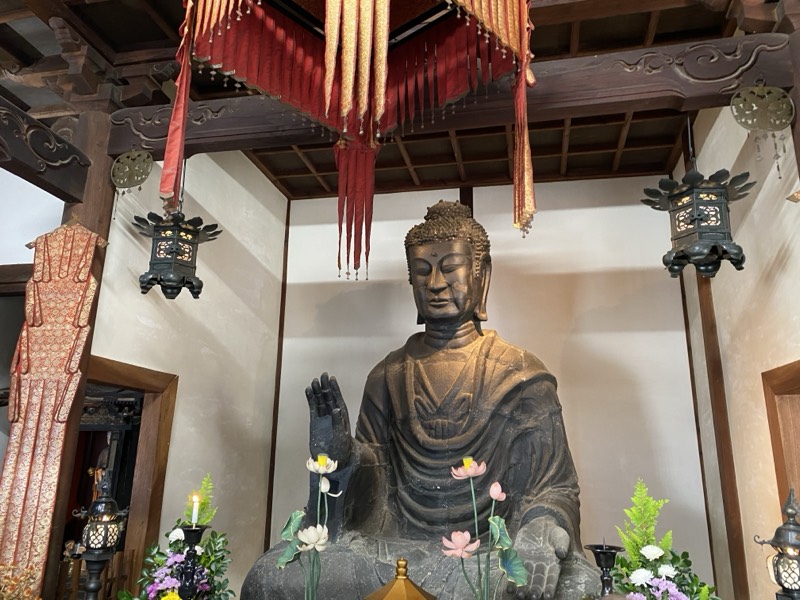 Zenshin-ni: The First Person in Japan to Become a Nun Was an 11-Year-Old GirlIn 584, three people took holy orders in Asuka. All three were women, daughters of immigrant families. A…
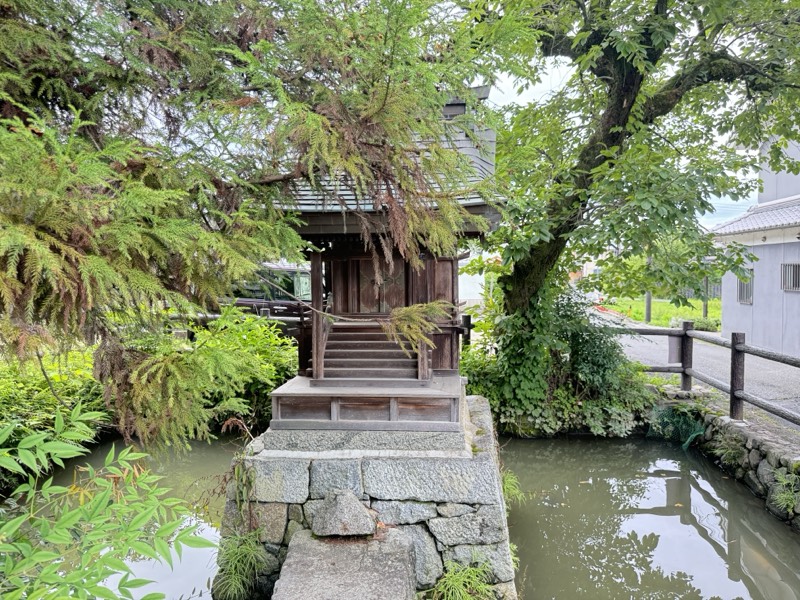 Where Was the Naniwa Canal? A Discarded Buddha's Road to Zenkō-jiA waterway in Osaka near the sea, or a small pond in Asuka? The "Naniwa no Horie", which the Nihon Shoki…
NEARBY
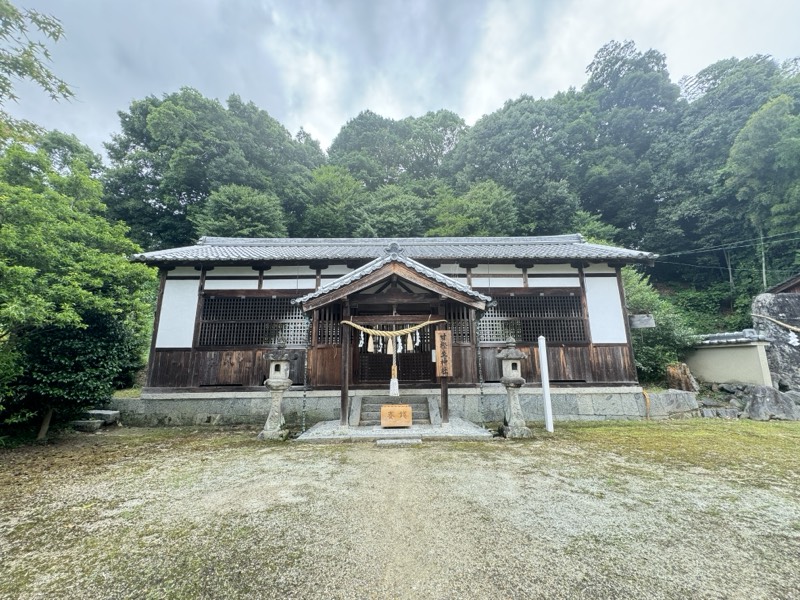
甘樫坐神社
An ancient shrine at the foot of Amakashi Hill, where the kukatachi trial-by-hot-water ritual is handed down.
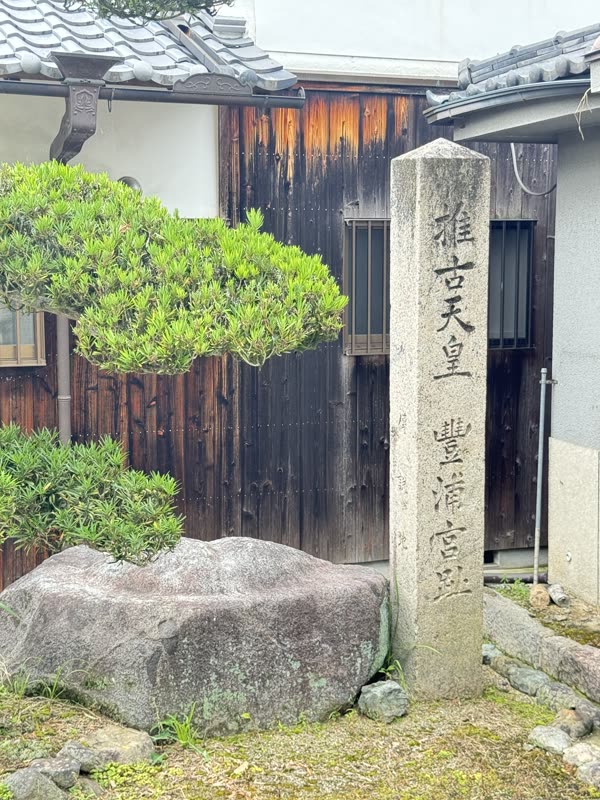
豊浦宮跡
The site of the palace where Empress Suiko took the throne, marking the beginning of the Asuka period.
古宮遺跡
The remains of a palace or mansion, where stone-lined channels were found among rice fields.