
Published
The Nihon Shoki says Soga no Emishi and Soga no Iruka had their mansions here. Yet excavation has found nothing conclusive. And Amakashi-niimasu Shrine stands a little away from the hill.
An entry for the year 644 in the Nihon Shoki (Japan's oldest official chronicle, compiled in 720) says that Soga no Emishi and his son Iruka built houses side by side on Amakashi Hill. It also says that Emishi's house was called the Ue no Mikado (Upper Palace Gate) and Iruka's the Hazama no Mikado (Valley Palace Gate).
Mikado, "palace gate", was properly a word reserved for the emperor's palace, yet here it is used for the houses of subjects. The account goes on to say that they had their children called miko, "princes".
It also says that they surrounded the houses with stockades, placed armouries beside the gates and stored water against fire. The houses are portrayed not as mere homes but as something closer to fortresses.
The Shoki was compiled from the point of view of those who overthrew the Soga. These mansions appear in it as a scene to show the clan's arrogance.
So if you dig on today's Amakashi Hill, will the mansions turn up?
In 2005, the remains of a 7th-century building, a stone wall and a layer of burnt earth were found at the eastern foot of the hill. Some readers may remember the headlines asking whether this was Iruka's mansion.
Since then, however, no remains on the scale the Shoki describes have been confirmed. The building that was found is small, and nothing corresponding to stockades or armouries has come to light. Most of the artefacts found are thought to date from the late 7th century, the time of Emperor Tenmu.
So far, nothing has been found that allows anyone to say for certain that the Soga mansions stood here. The more the hill is excavated, the more it appears that this place belongs mainly to the period after the Soga.
There is another long-standing puzzle.
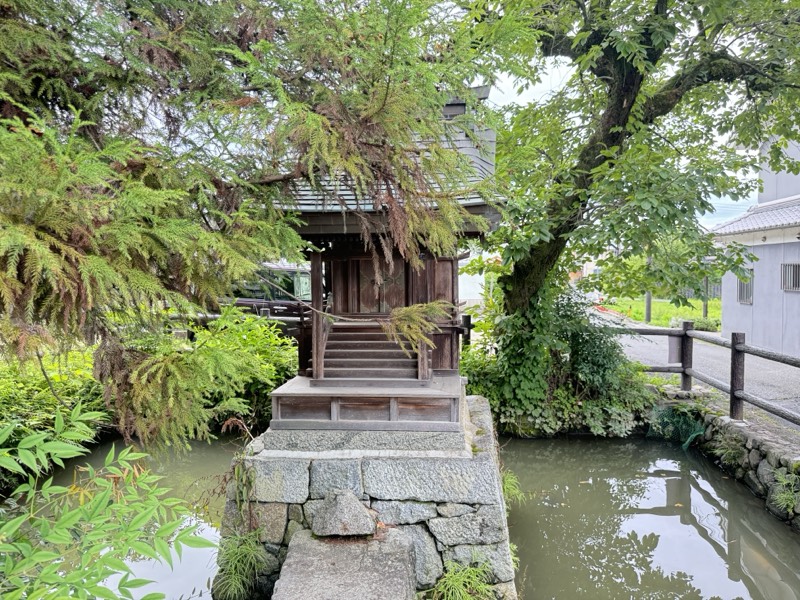
Amakashi-niimasu Shrine stands not on today's Amakashi Hill but in the village of Toyura, a little away from it.

Niimasu means "dwelling in that place". A shrine named after a place normally stands in that place. When you think about it, it makes little sense for a shrine called Amakashi to be away from Amakashi Hill.
This gives rise to the view that the small hill behind Amakashi-niimasu Shrine is the real Amakashi Hill of the Shoki.
Take this view and several things fall into place at once: the shrine bears the name Amakashi and stands where it does, and no Soga mansions have turned up on today's Amakashi Hill.
Then there is the location. Toyura was where Empress Suiko's Toyura Palace stood, and where Toyura-dera Temple was later built. It was an area right next to the Soga clan's power base. One can argue that it would have been more natural to build mansions near here.
This, too, is not a proven theory. No remains have been found to support it; it is an inference from place names and location.
It is not unusual for an old place name to change the area it refers to over time.

A name that once meant one small hill may later come to cover the whole range of hills behind it. Or it may shift to a different hill without any record being left. Over 1,300 years, either could happen.
If we knew when the name Amakashi Hill came to refer to its present area, the question would be quickly settled, but that is not clear.
Since excavation has found nothing conclusive, no one can say for certain that today's hill is the wrong one either. The Shoki's description itself may be exaggerated to make the Soga look bad. If fortress-like mansions ringed with stockades never existed in the first place, it is only natural that digging finds nothing.
Many theories can be put forward, but none of them is conclusive.

From the viewing platform on Amakashi Hill you can see the Asuka palace sites, the Three Mountains of Yamato and the Fujiwara Palace Site all at once. Standing there, you understand what it meant to build a mansion in this spot.
Then come down the hill and walk to Amakashi-niimasu Shrine in Toyura. Behind the shrine is a small, rounded hill.
The shrine preserves the kukatachi rite, a trial by boiling water, which is still held every April. Measure the distance between the two places with your own feet, and the question of why this shrine stands here becomes something you can feel.
RELATED SPOT
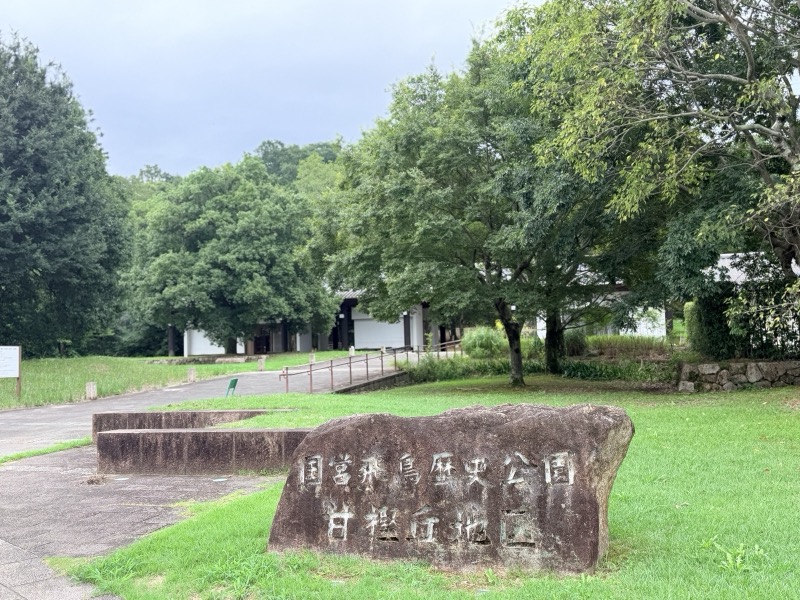
甘樫丘
A hill with views over all of Asuka, said to have been the site of the Soga clan's residences.
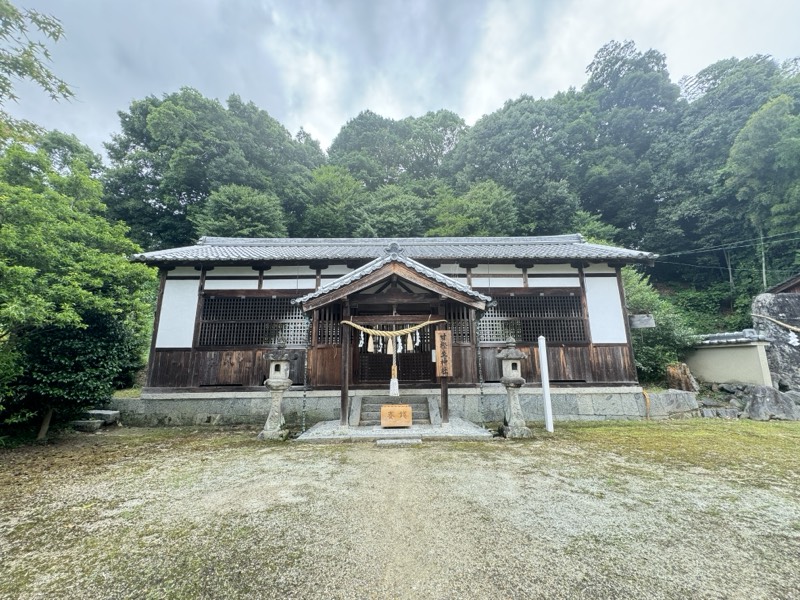
甘樫坐神社
An ancient shrine at the foot of Amakashi Hill, where the kukatachi trial-by-hot-water ritual is handed down.
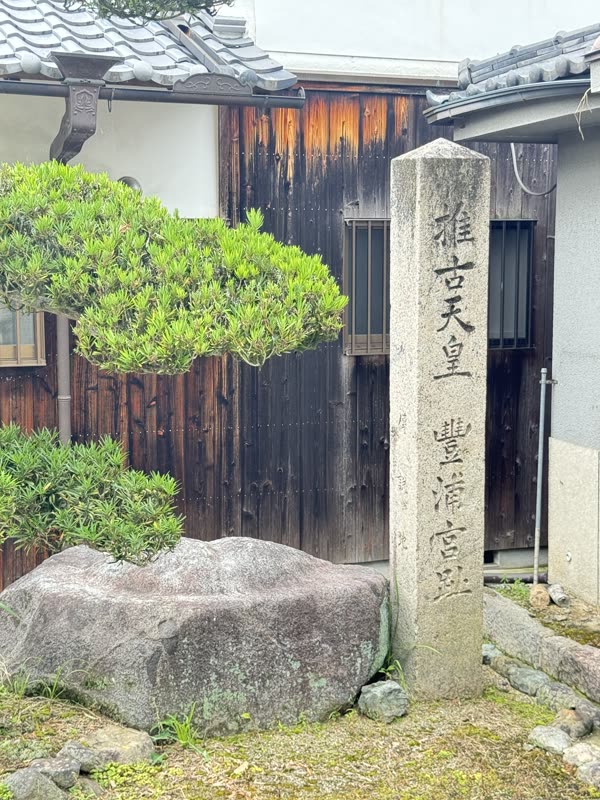
豊浦宮跡
The site of the palace where Empress Suiko took the throne, marking the beginning of the Asuka period.
RELATED COLUMN
 "Ōe" Is Not a Name: Naka-no-Ōe, Furuhito-no-Ōe and Yamashiro-no-ŌeThe "Ōe" in Prince Naka-no-Ōe is not a personal name. It is a term showing eligibility to succeed to the…
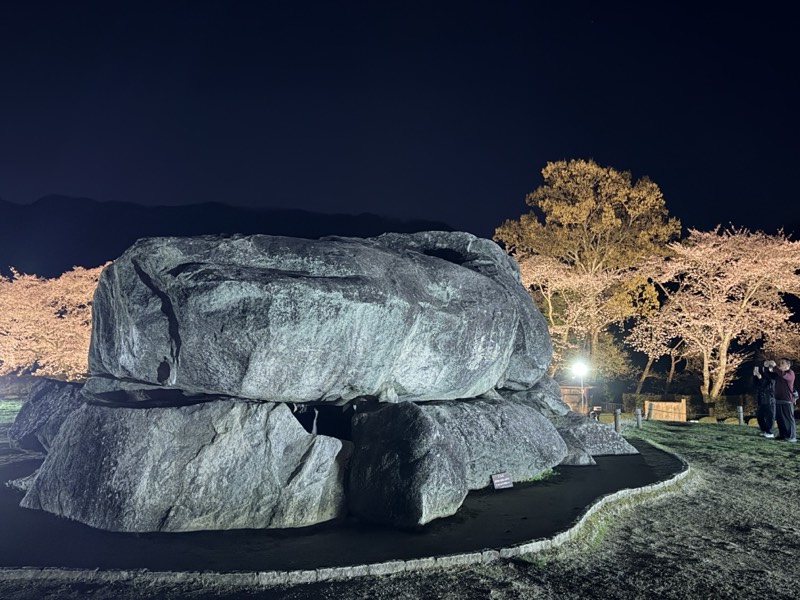 Was Prince Shōtoku Really Soga no Umako? Reading the "Prince = Umako" TheoryAlmost every achievement of Prince Shōtoku comes with the name of Soga no Umako beside it. What if the man…
 Where Was the Naniwa Canal? A Discarded Buddha's Road to Zenkō-jiA waterway in Osaka near the sea, or a small pond in Asuka? The "Naniwa no Horie", which the Nihon Shoki…