
22 spots
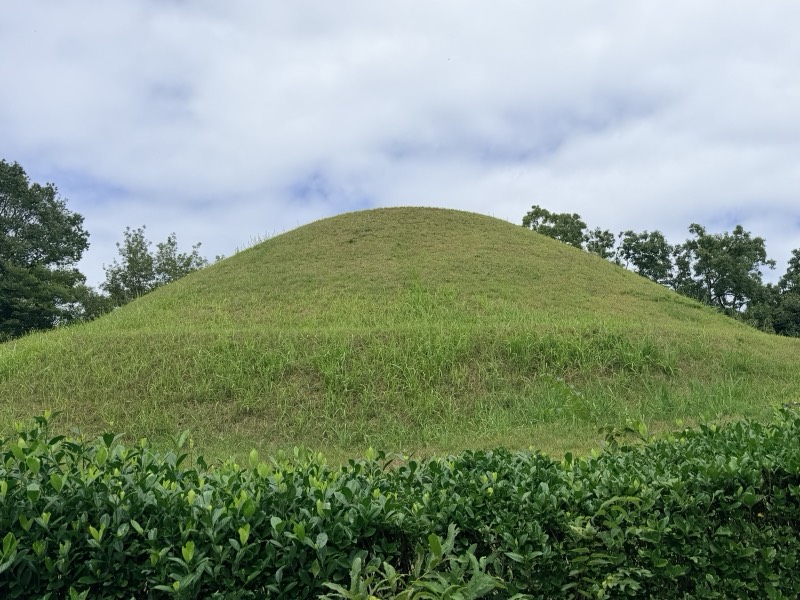
高松塚古墳
A round burial mound where brilliantly coloured paintings of court ladies were found: the defining archaeological discovery of post-war Japan.
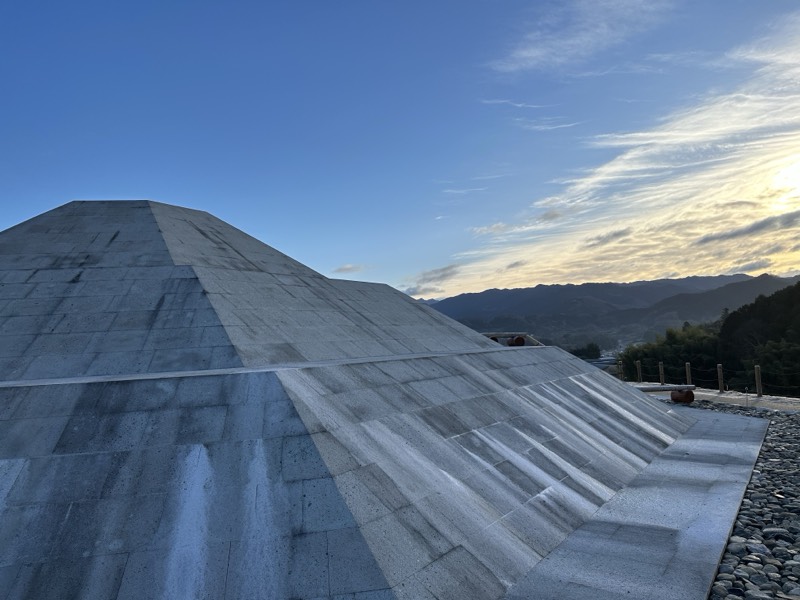
牽牛子塚古墳
An octagonal burial mound, now widely thought to be the tomb of Empress Saimei.
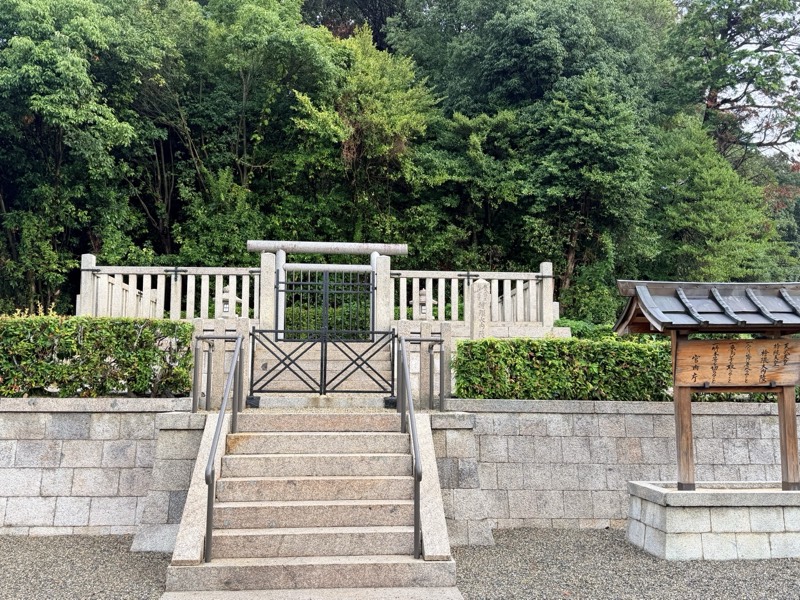
天武・持統天皇陵
One of the few octagonal imperial tombs whose occupants can be confirmed from written records.
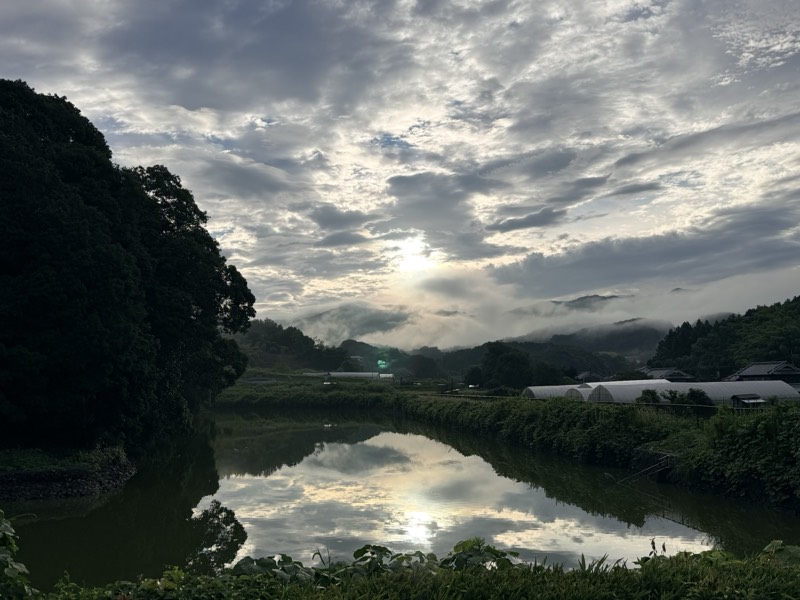
欽明天皇陵
One of the few large keyhole-shaped burial mounds in Asuka Village.
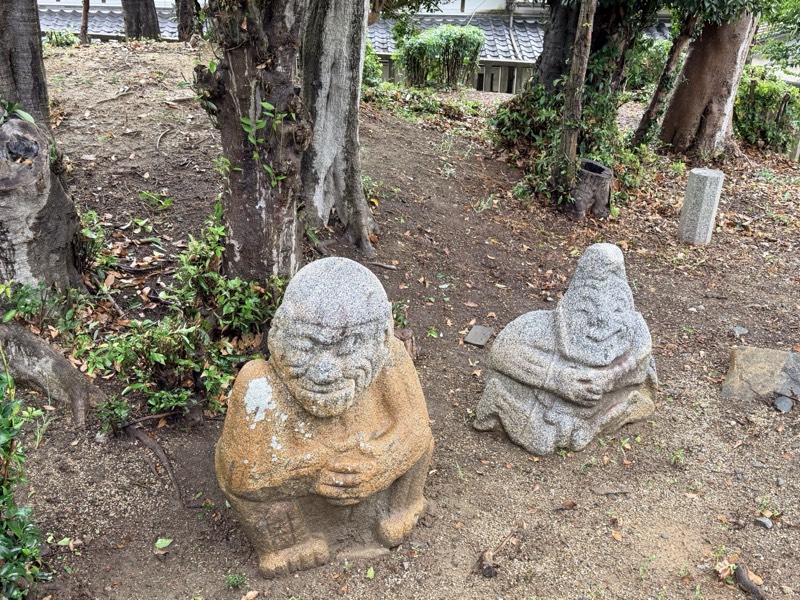
吉備姫王墓・猿石
Four stone figures known as the Saruishi stand in the tomb grounds. What they were for is still a mystery.
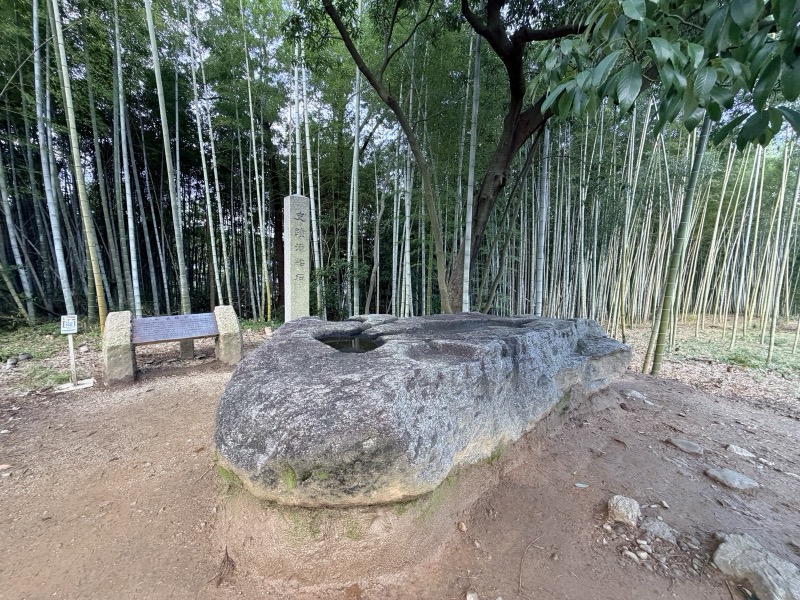
酒船石
A mysterious stone carved with circles and channels, lying in a bamboo grove on top of a hill.
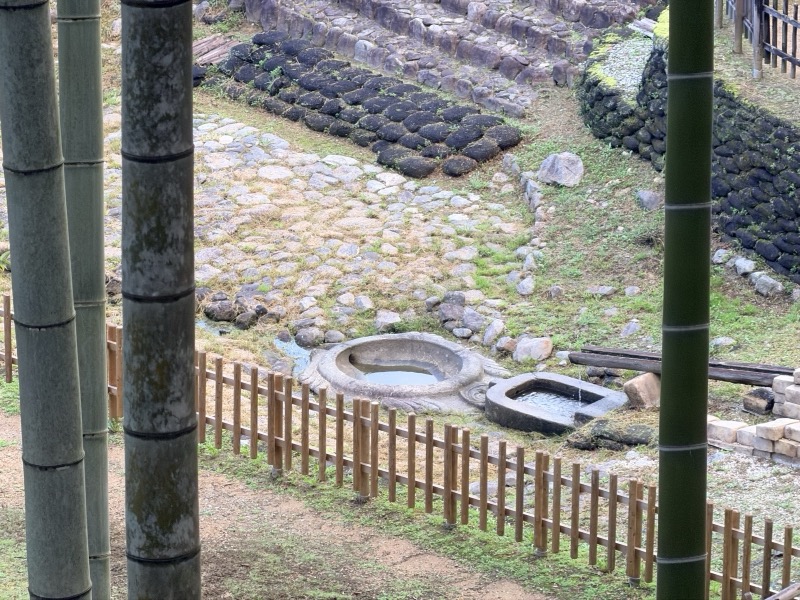
亀形石造物
A ritual site from the reign of Empress Saimei, with stonework designed to channel water.
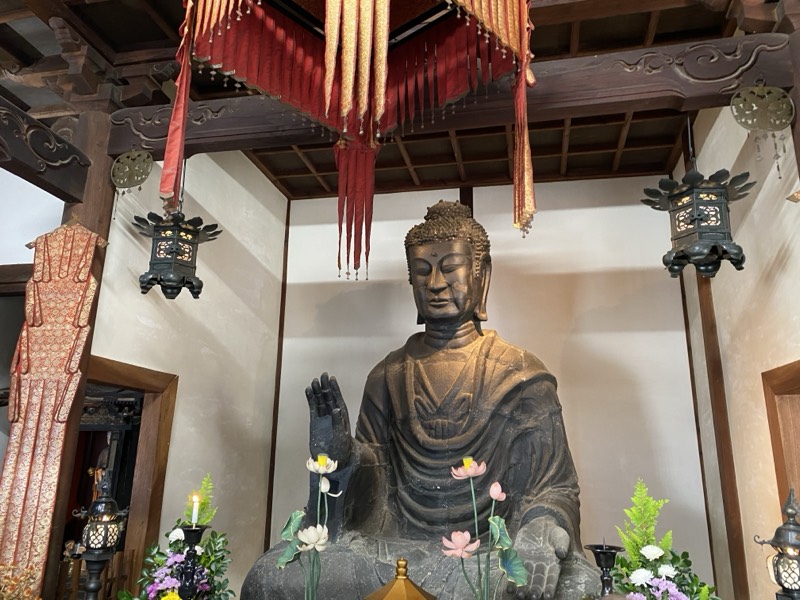
飛鳥寺・蘇我入鹿首塚
Japan's first full-scale Buddhist temple. The Great Buddha of Asuka still sits on the spot where it was made, 1,400 years ago.
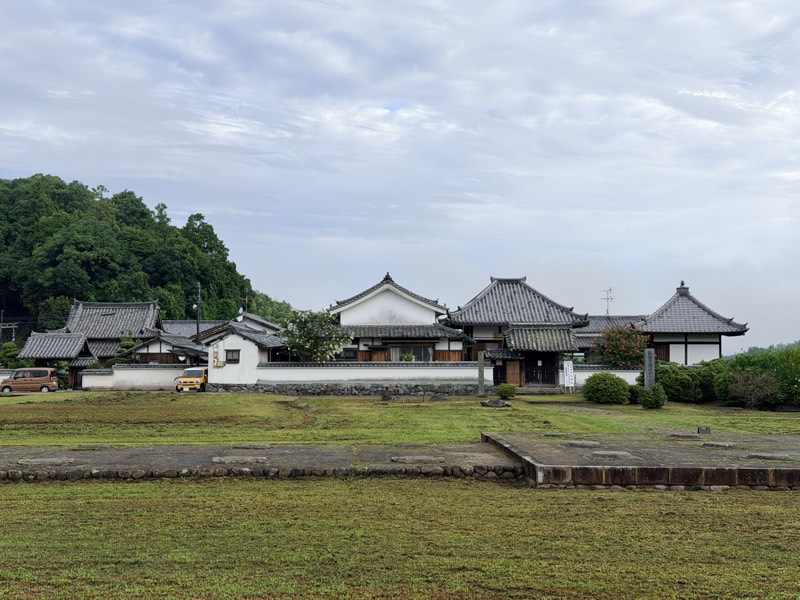
川原寺跡(弘福寺)
One of the four great temples of Asuka. Its foundation stones still show how large its halls once were.
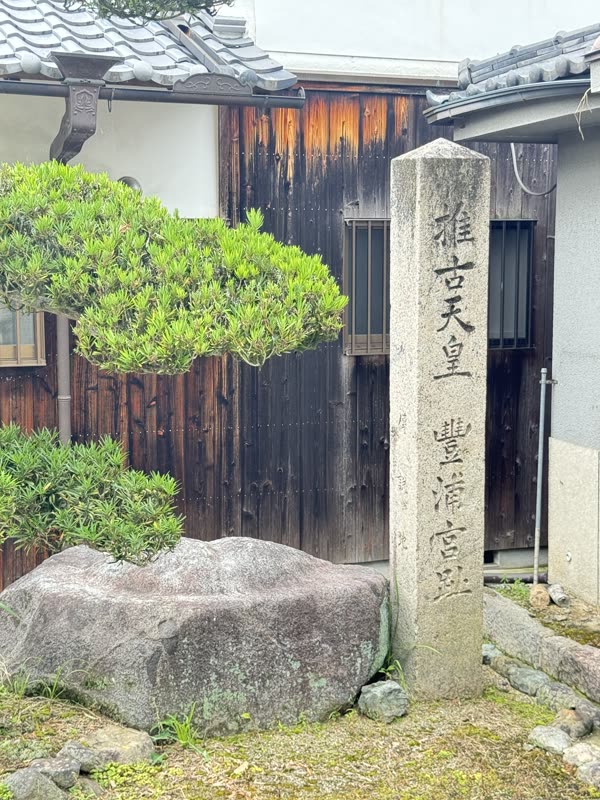
豊浦宮跡
The site of the palace where Empress Suiko took the throne, marking the beginning of the Asuka period.
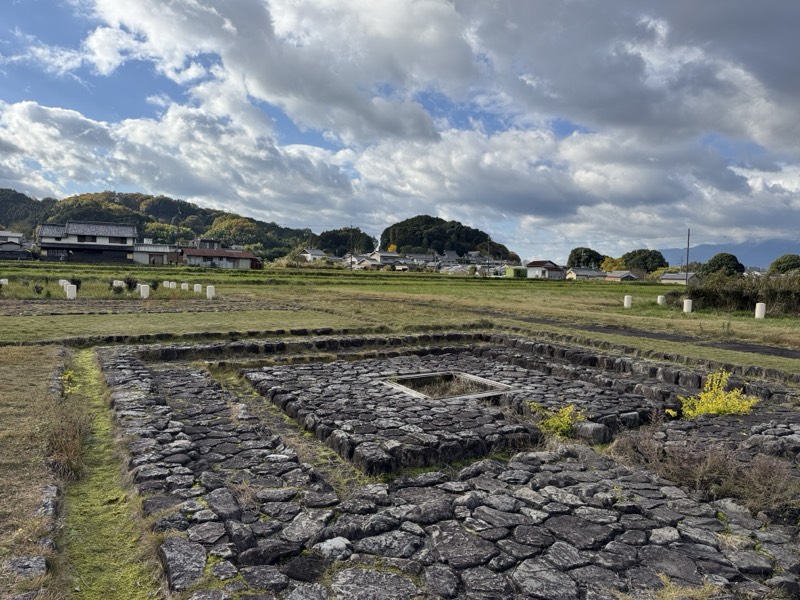
飛鳥宮跡(伝 飛鳥板蓋宮跡)
The political heart of Asuka, where several palaces were built one on top of another.
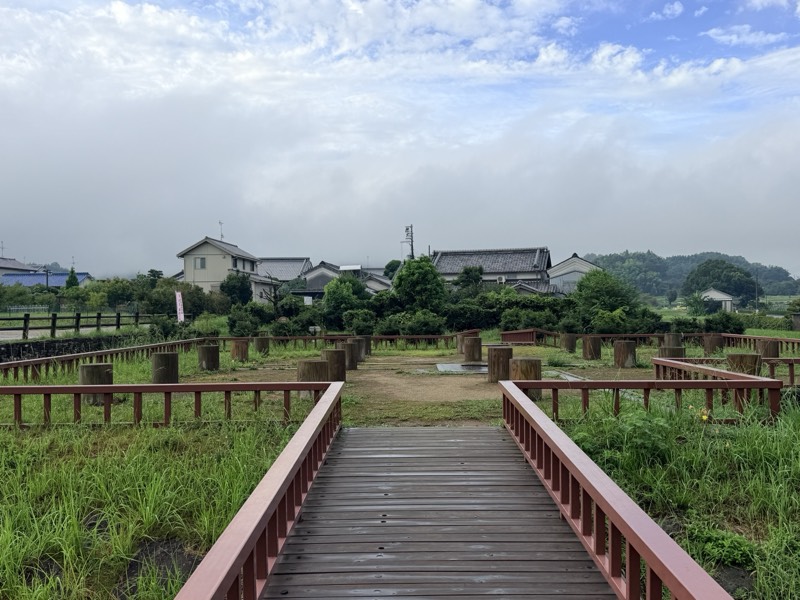
飛鳥水落遺跡
The site of Japan's first water clock, built by Prince Naka-no-Ōe.
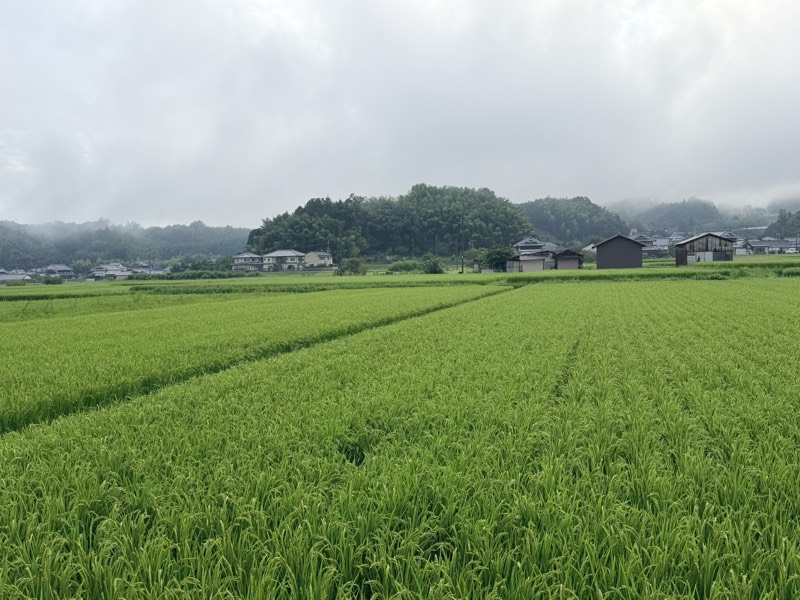
石神遺跡
Empress Saimei's banquet grounds, where the Shumisen Stone was unearthed.
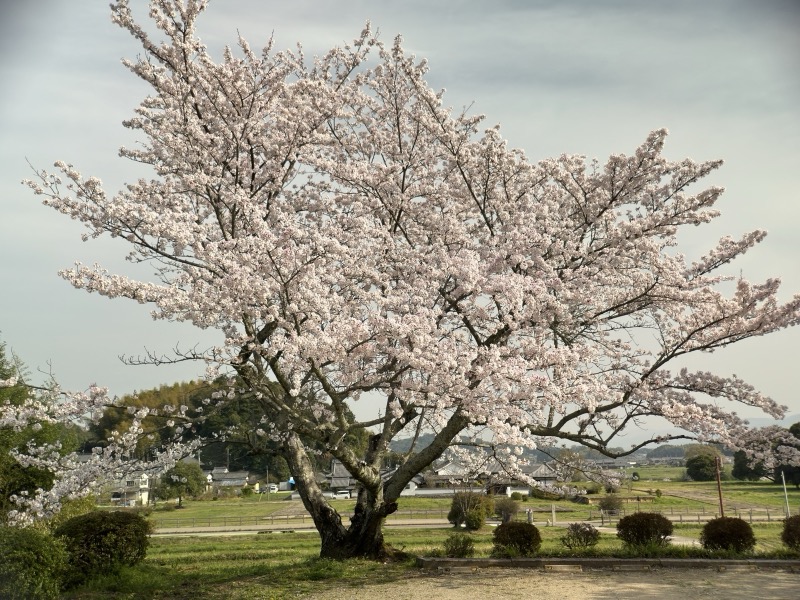
飛鳥川
The river that runs through the village, sung of in the Man'yōshū.
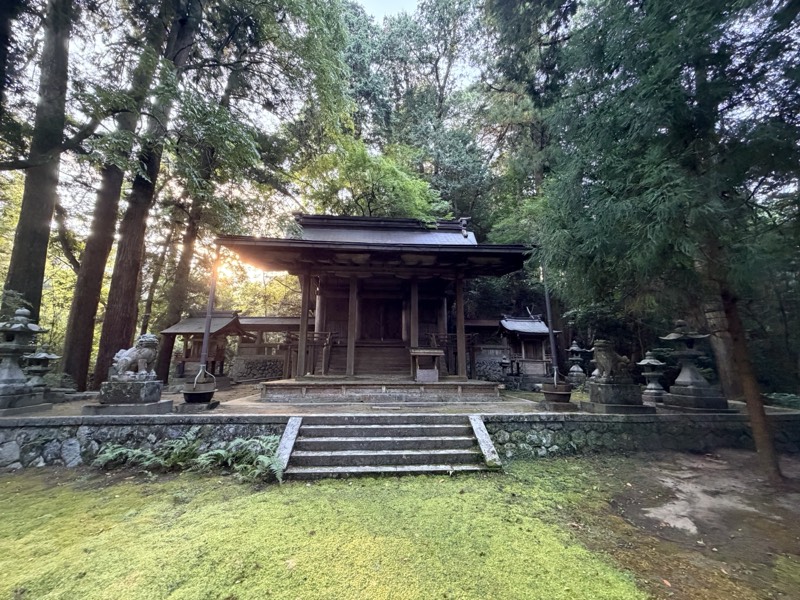
飛鳥川上坐宇須多伎比売命神社
An ancient listed shrine in a cedar grove, guarding the upper reaches of the Asuka River.
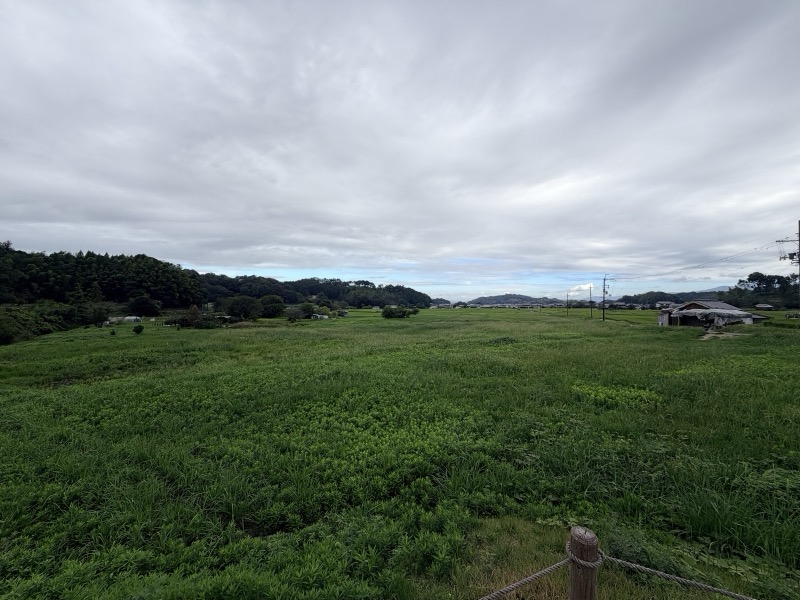
飛鳥京跡苑池
The site of a palace garden, regarded as the earliest example of a Japanese garden.
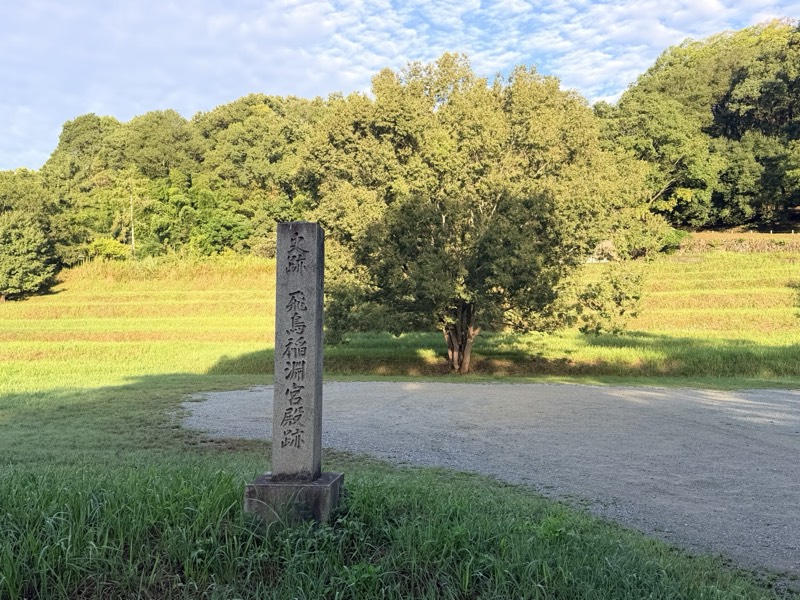
飛鳥稲淵宮殿跡
A mid-7th-century site on the left bank of the Asuka River where buildings stood in a neat formation. It is considered a candidate for a temporary palace.
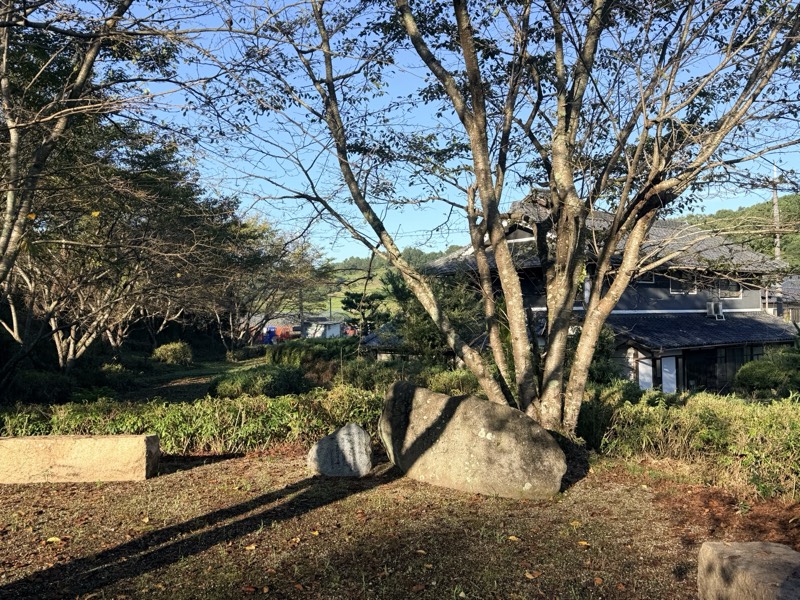
坂田寺跡
The family temple of the clan of Kuratsukuri no Tori, maker of the Asuka Daibutsu. One of Asuka's oldest temples, it was also a nunnery.
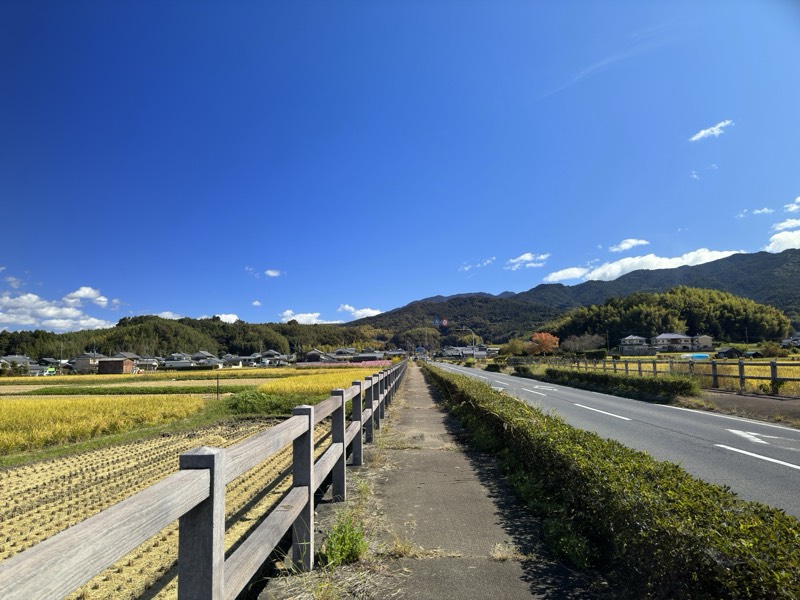
山田道
An ancient official road running east–west through Asuka. It welcomed envoys from Sui China and led to Yamada-dera Temple.
Components of the World Heritage Site "Asuka-Fujiwara", and other places worth visiting nearby
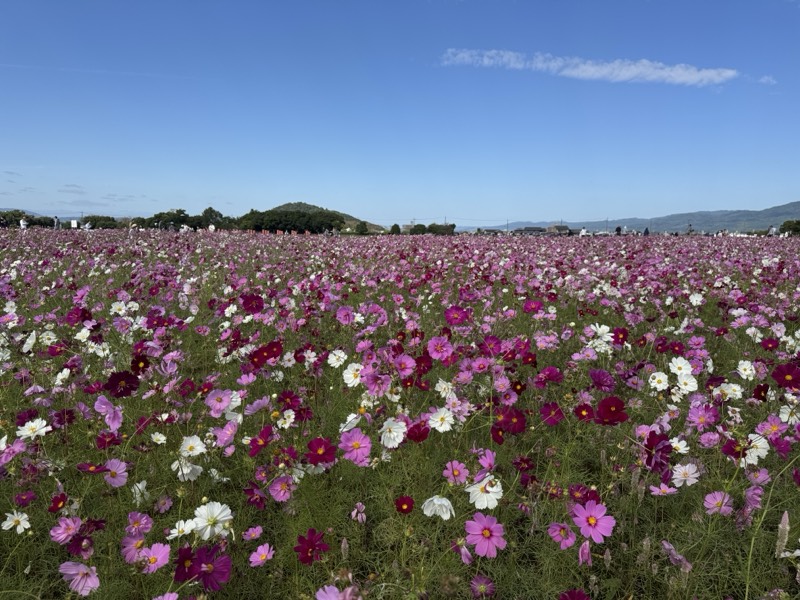
藤原宮跡
The heart of Japan's first full-scale planned capital, also known for its seasonal flower fields.
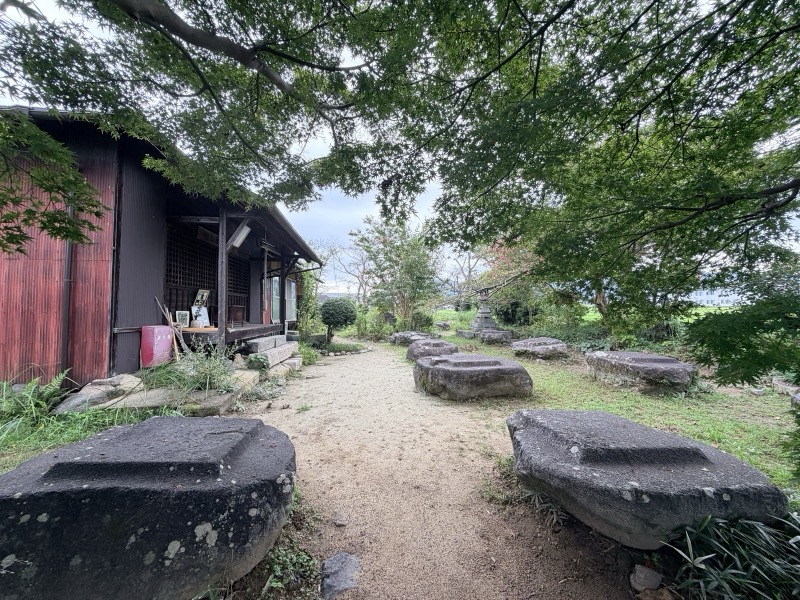
本薬師寺跡
The site of a state temple with twin pagodas, where foundation stones remain in their original positions.
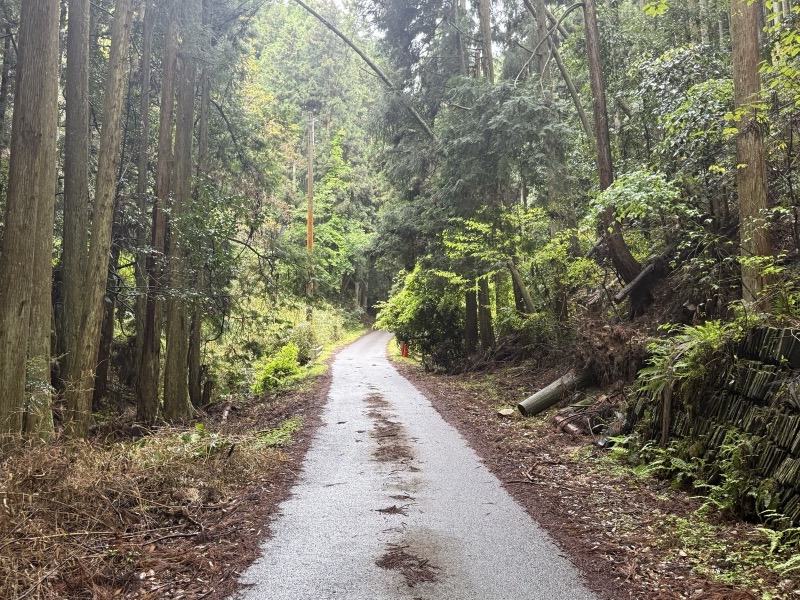
芋峠
A pass on the old road linking Asuka and Yoshino. Prince Ōama is said to have crossed it.