


1 / 3
飛鳥川(あすかがわ)
The river that runs through the village, sung of in the Man'yōshū.
The river rises in the mountains in the southeast of Asuka Village and flows through the village from south to north. It passes through Kashihara and Tawaramoto and joins the Yamato River at Kawanishi. It is one of the tributaries of the Yamato River system.
The river is only a few metres wide. Usually it flows gently, crossed by a number of small stone weirs.
The river appears again and again in the Man'yōshū (Japan's oldest anthology of poetry), where its name is written "Asukagawa" with different characters. The best known poem about it is this one, later included in the Kokin Wakashū anthology:
Yo no naka wa / nani ka tsune naru / Asukagawa / kinō no fuchi zo / kyō wa se ni naru: "In this world, what stays constant? In the Asuka River, yesterday's deep pool is today's shallows."
What was a deep pool turns into shallow rapids after a single night of high water. The poem compares that changeability to the impermanence of the world. The river really is narrow, and the stones on its bed shift easily.
Many poems also play on "Asuka" and asu ("tomorrow"), weaving thoughts of tomorrow into the verse.
In the Asuka period, the river flowed right beside the palaces. The Asuka Palace Site and the Asuka Palace Garden Site border its east bank, so this water sustained life in the capital.
The water clock at the Mizuochi site was also placed on the flat land along the Asuka River. Drawing water, measuring time, running it through gardens: the capital of Asuka was built around this river.
The upper reaches around Inabuchi, Kayanomori and Nyūdani are known as Oku-Asuka ("inner Asuka"), and in 2011 the landscape of terraced rice fields and villages there was selected as an Important Cultural Landscape of Japan. Persimmon trees on the banks stretch their branches down to the water, changing with the seasons.
At Inabuchi there are stepping stones across the river, and a little upstream a great rope called the Ozuna (male rope) is strung across the river; at Kayanomori there is another called the Mezuna (female rope). These are kanjō-nawa, sacred ropes replaced every January.
Further downstream the river flows across the plain and winds between the rice fields.
Published
READ MORE
 Man'yōshū Basics: Sōmon, Banka and Zōka, Hanka and Answering PoemsWalk around Asuka and you meet poems from the Man'yōshū everywhere. Here is a summary of what makes them more…
 The Grid Was Laid on the Land Before the Capitals: The Ancient Roads of YamatoThe Kamitsumichi, Nakatsumichi and Shimotsumichi roads run north–south about 2.1 km apart. Only after this…
 Ozuna and Mezuna: Two Ropes in One Valley, One Shinto and One BuddhistTwo ropes of rice straw hang across the Asuka River. Downstream in Inabuchi a Shinto priest is invited…
 The day Empress Kōgyoku prayed at the river's head: the rain rituals of 642Three kinds of rain-making were tried in turn, and when at last the empress prayed upstream on the Asuka…
NEARBY
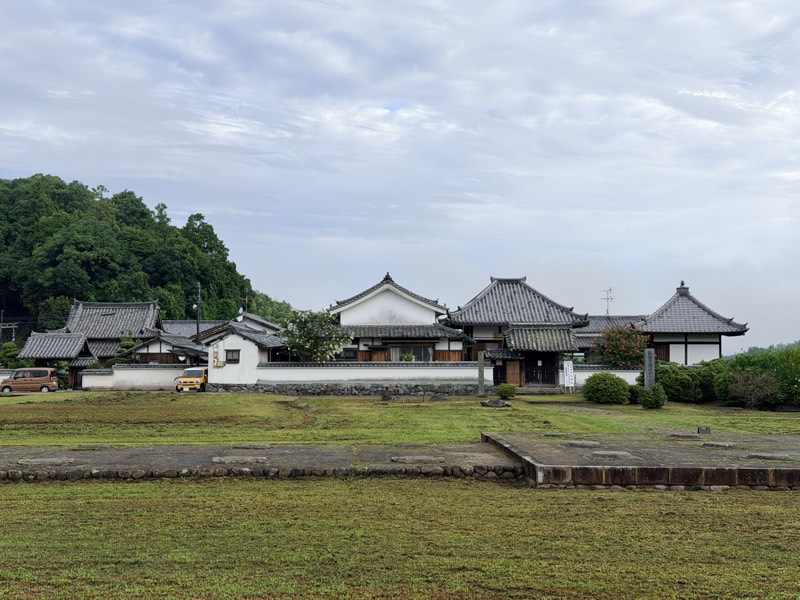
川原寺跡(弘福寺)
One of the four great temples of Asuka. Its foundation stones still show how large its halls once were.
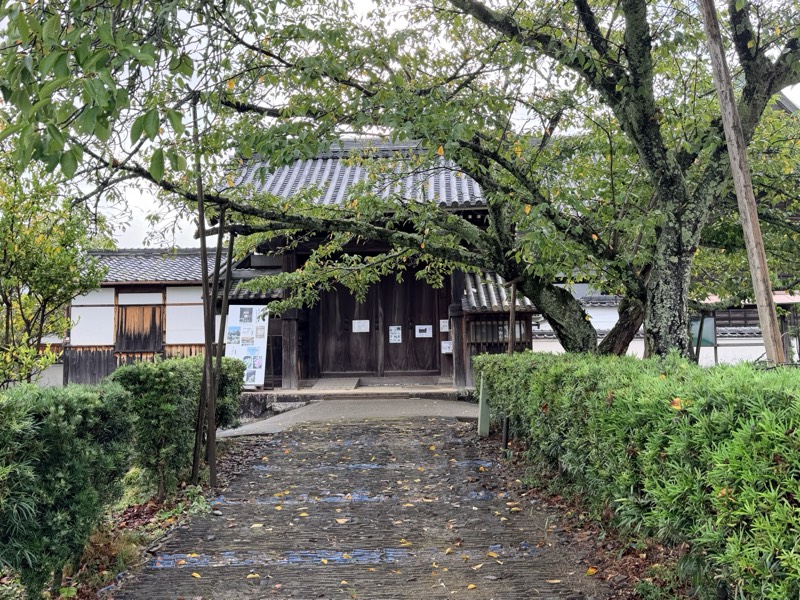
橘寺
The temple said to stand on the birthplace of Prince Shōtoku, home to the two-faced Nimenseki stone.
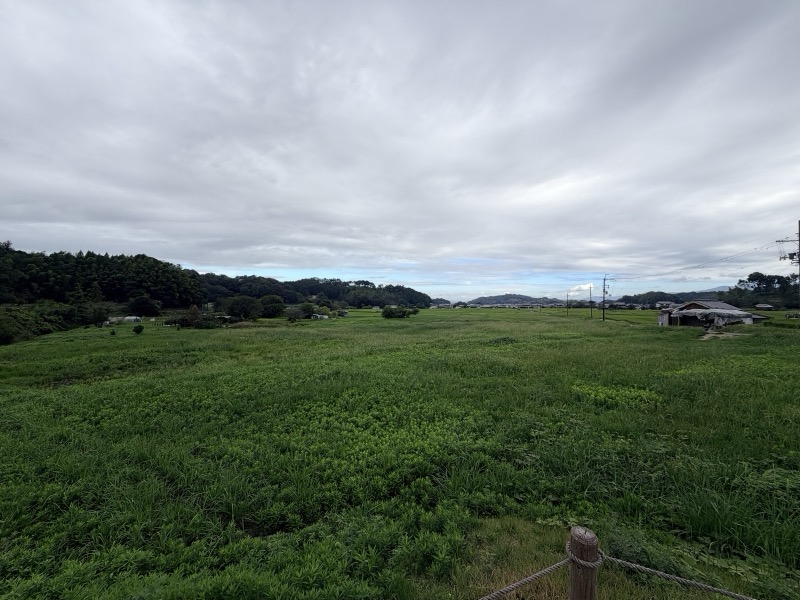
飛鳥京跡苑池
The site of a palace garden, regarded as the earliest example of a Japanese garden.