


1 / 3
大官大寺跡(だいかんだいじあと)
The site of the largest state temple of Asuka-Fujiwara, once crowned by a nine-storey pagoda.
This is the site of a state temple laid out to plan within the street grid, south-east of Fujiwara Palace. It was the largest temple in the Asuka-Fujiwara area.
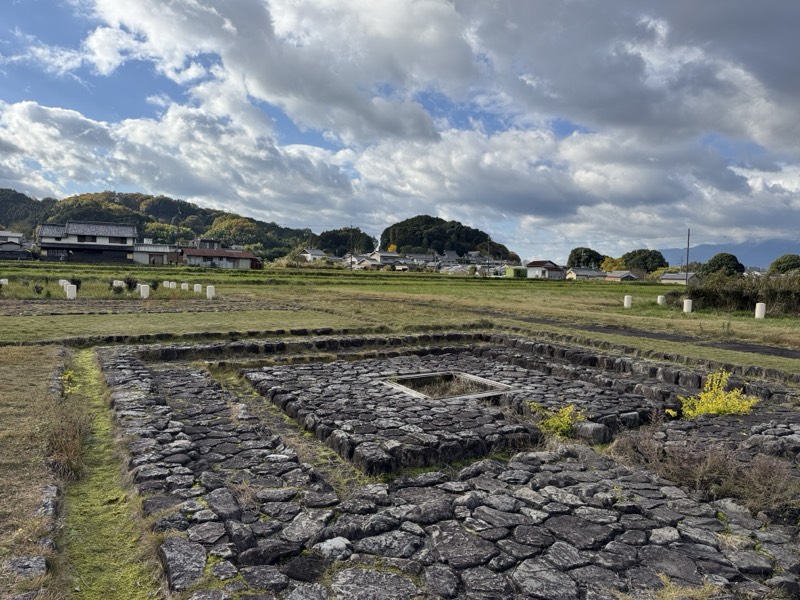
Today, all that remains among the rice fields at the southern foot of Mount Kagu are faint traces of the platforms of the nine-storey pagoda and the main hall. It was designated a Historic Site of Japan in 1921.
The symbol of the temple was its nine-storey pagoda. Nine-storey pagodas were a national symbol shared across East Asia, in Tang China, Baekje, Silla and Goguryeo. The pagoda itself does not survive, but the size of its platform suggests that it had nine storeys.
Building a pagoda was a way of showing a nation's standing. Whereas Asuka-dera was a clan temple, and Kawara-dera and Yamada-dera were founded at the wish of an emperor or powerful figures, Daikandaiji is regarded as a temple run by the state.
In the Nihon Shoki (Japan's oldest official chronicle, compiled in 720) and the Daianji Garan Engi (the founding history of Daian-ji Temple), the temple is called "Daikandaiji" or "Ōtsukasa no Ōtera."
The records show that it moved from place to place and changed its name, from Kudara Ōdera to Takechi Ōdera and then to Daikandaiji. Little is known for certain about Takechi Ōdera, however.
Excavations that began in 1974 revealed a layout in which the middle gate, main hall and lecture hall stood in a line from south to north. A roofed corridor connected the middle gate and the main hall, and the pagoda stood towards the east side of the area it enclosed.
The area enclosed by the corridor alone measured 144 m east to west and 195 m north to south, the same size as the original corridor of the later Tōdai-ji Temple. As its name suggests, it was the largest temple in Asuka.
In 711 a great fire destroyed the main buildings, including the main hall, lecture hall, pagoda, middle gate and corridor. Investigations suggest that only the main hall and lecture hall had been completed by then, and that the pagoda and middle gate were still under construction.
A temple on which the state had staked its prestige burned down before it was ever finished.
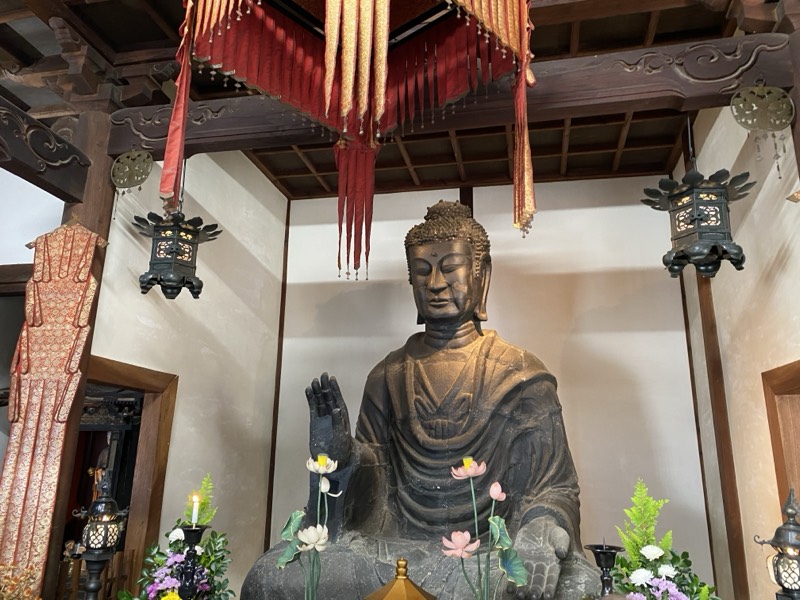
When the capital moved to Heijō-kyō (Nara) in 710, Daikandaiji moved with it. It became Daian-ji Temple in Nara, which still carries on its Buddhist lineage today.
Until Emperor Shōmu built Tōdai-ji, Daian-ji held the position of the nation's foremost temple.
On 26 July 2026 it was inscribed on the World Heritage List as one of the component parts of "Asuka-Fujiwara: Archaeological Sites of Japan's Ancient Capitals and Related Properties."
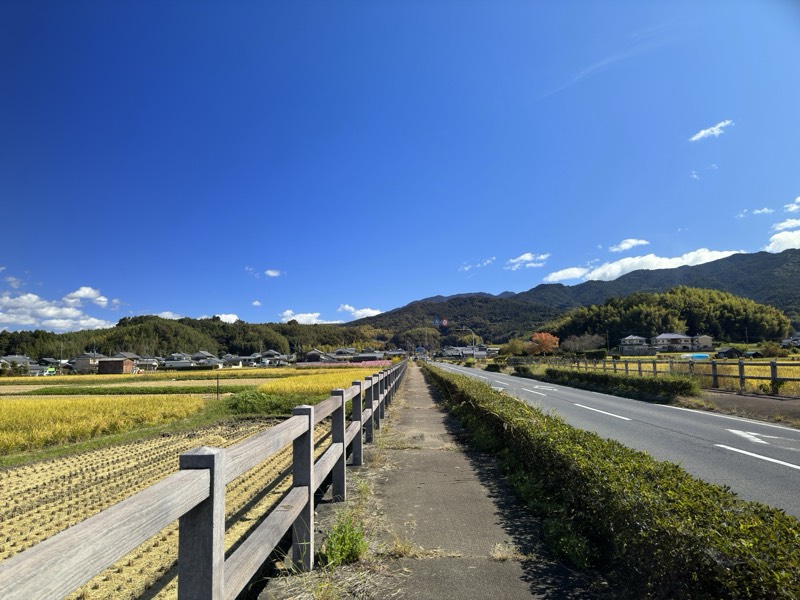
What you will see are the platform remains among the rice fields. Apart from a stone pillar engraved "Site of the Daikandaiji Pagoda" and an information board with a plan of the temple layout, there is nothing else. It is within walking distance east of the Fujiwara Palace Site.
Published
READ MORE
 Asuka-Fujiwara World Heritage: All 19 Component Sites and How to Visit Them, with Half-Day, One-Day and Two-Day Routes"Asuka-Fujiwara" was inscribed on the World Heritage List in 2026. We list all 19 component sites with their…
 The Grid Was Laid on the Land Before the Capitals: The Ancient Roads of YamatoThe Kamitsumichi, Nakatsumichi and Shimotsumichi roads run north–south about 2.1 km apart. Only after this…
 The Original Didn't Follow the Book: Fujiwara-kyō Seen from Chang'anFujiwara-kyō placed its palace at the centre of the capital, just as the Chinese classic the Rites of Zhou…Why Was Fujiwara-kyō Abandoned After Only Sixteen Years?Japan's first full-scale planned capital was abandoned after just sixteen years. Poor drainage, the position…
 Clan temples and state temples: telling apart the temples of AsukaAsuka-dera, Toyura-dera, Yamada-dera, Kawahara-dera, Daikandai-ji, Moto-Yakushi-ji. Who built them, and for…
NEARBY
山田道
An ancient official road running east–west through Asuka. It welcomed envoys from Sui China and led to Yamada-dera Temple.
雷丘
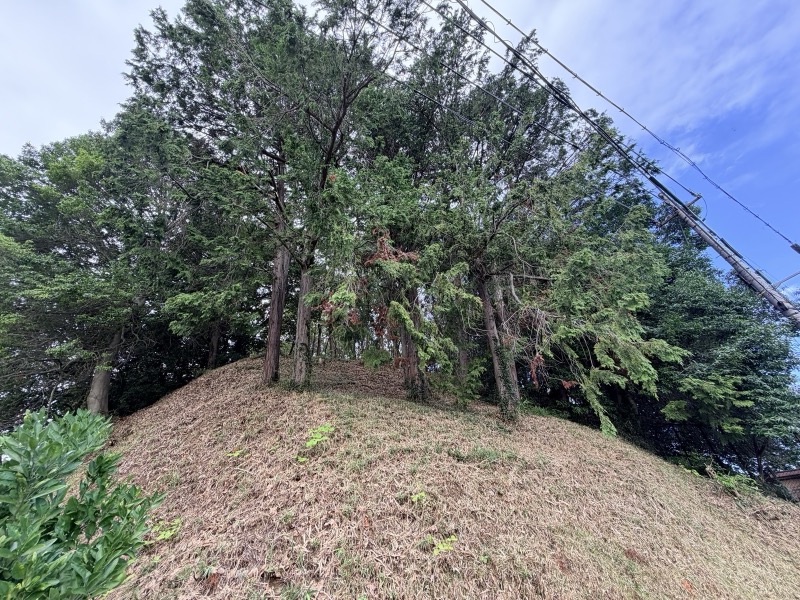
A small hill with a story about catching thunder. The area to its east is a proposed site of the Oharida Palace.
石神遺跡
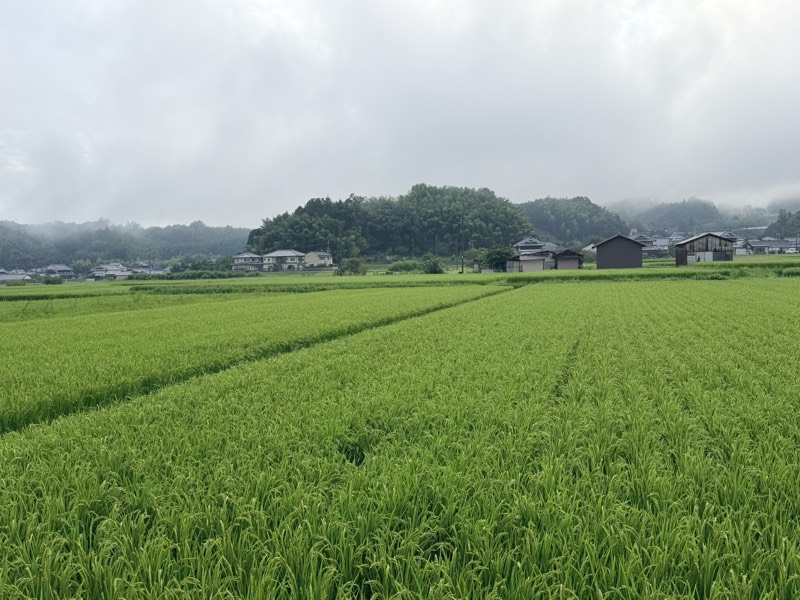
Empress Saimei's banquet grounds, where the Shumisen Stone was unearthed.