

鬼の俎・鬼の雪隠(おにのまないた・おにのせっちん)
The pieces of a kofun burial chamber, split apart on either side of a slope.
These stones are the stone chamber of a 7th-century kofun (ancient burial mound), now split into separate parts.
The flat stone on top of the hillside is called Oni no Manaita, "the Ogre's Chopping Board," and the house-shaped stone lying by the road below is Oni no Setchin, "the Ogre's Toilet." The two belong together: they were once a single chamber.
Two large blocks of granite were used. The lower one was hollowed out to form a room for the body, and the upper one was carved into the shape of a house roof to serve as a lid. This kind of chamber is called a stone box with a side entrance.
The Setchin is that lid. It rolled down the slope and now lies upside down where it stopped. Look inside and you can see the hollowed-out surface of the room just as it was carved. A part normally hidden inside a tomb is facing out.
The Manaita is the base stone. It remains on top of the slope with its flat face showing.
The earth mound is long gone, and only the stones remain. It is thought to have been square, but its size is not known.
There is another base stone on top of the hill, and several kofun are thought to have stood in this area.
The names come from a legend. An ogre living here would call down mist to make travellers lose their way, cook the people it caught on its chopping board and eat them, and then relieve itself in its toilet.
Ishibutai, Kameishi, Kinchōzuka: in Asuka, villagers have given names to stones whose purpose they did not know. These names, quite separate from scholarly terms, are still in use today.
The site is managed by the Imperial Household Agency, and you cannot go close to the stones themselves. You view them from outside the fence.
About 10 minutes on foot from Kintetsu Asuka Station. Just to the north is the tomb of Emperor Kinmei, with the tomb of Princess Kibihime, known for the Saruishi (Monkey Stones), beside it, and to the southeast is the tomb of Emperor Tenmu and Empress Jitō. You can walk to them all on the way from the station.
Published
READ MORE
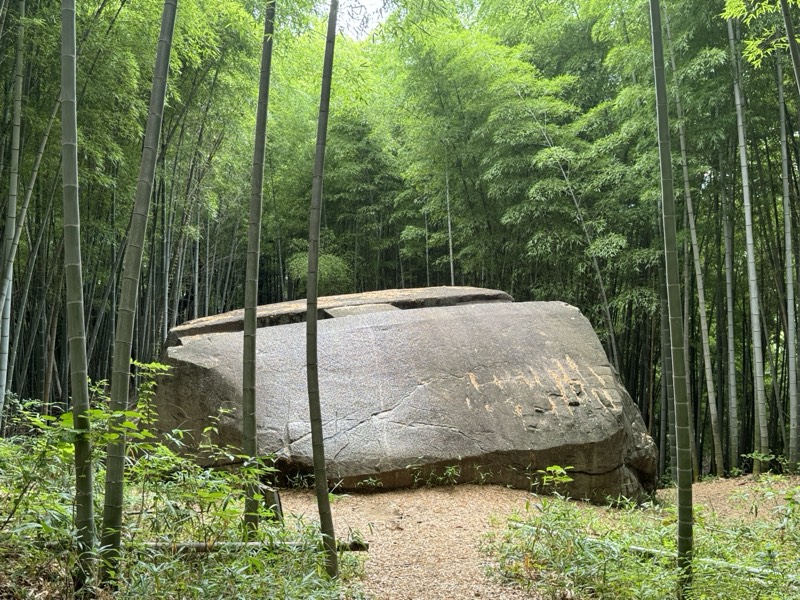 What Were They Made For? Asuka's Mysterious StonesTwo holes cut into an 800-tonne boulder, a slab carved with circles and channels, a turtle with a face…
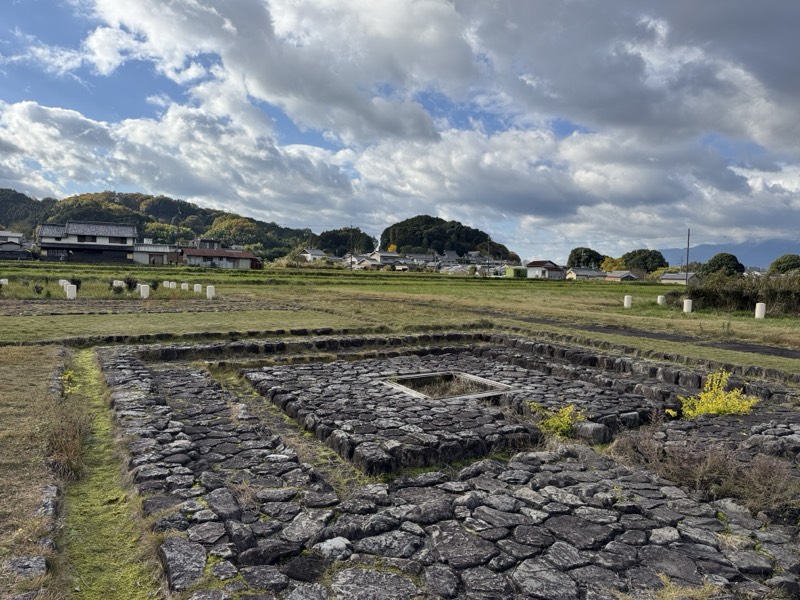 Asuka-Fujiwara World Heritage: All 19 Component Sites and How to Visit Them, with Half-Day, One-Day and Two-Day Routes"Asuka-Fujiwara" was inscribed on the World Heritage List in 2026. We list all 19 component sites with their…
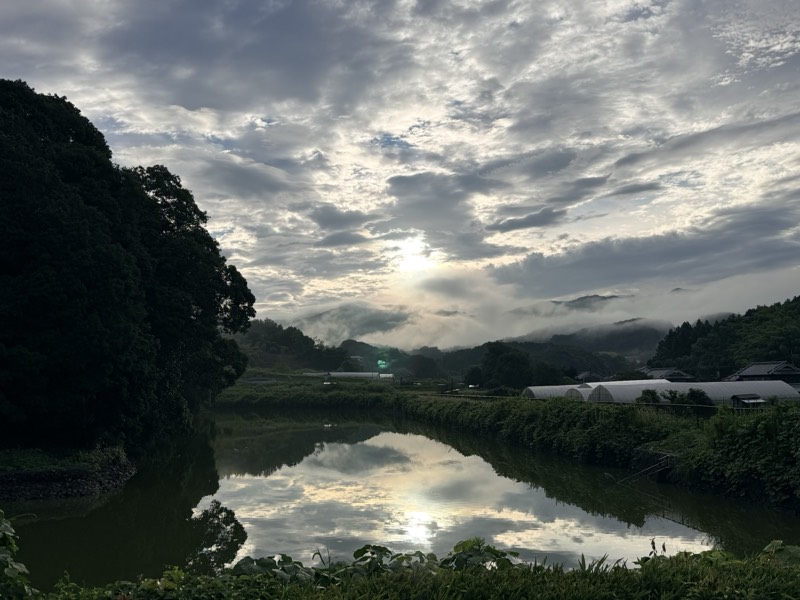 Asuka's Valley of the Kings: imperial tombs within walking distance of the stationAround Kintetsu Asuka Station, in Hirata, Noguchi and Koshi, a number of kofun said to be the tombs of…
NEARBY
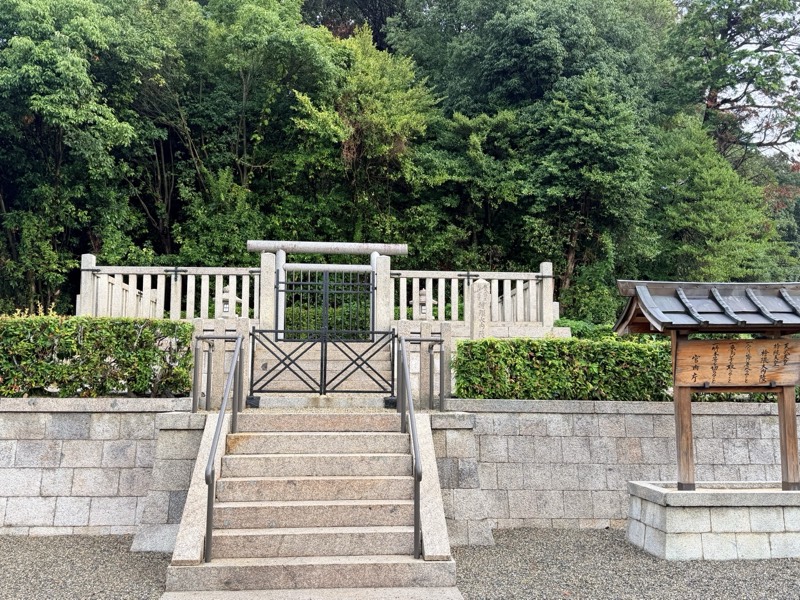
天武・持統天皇陵
One of the few octagonal imperial tombs whose occupants can be confirmed from written records.
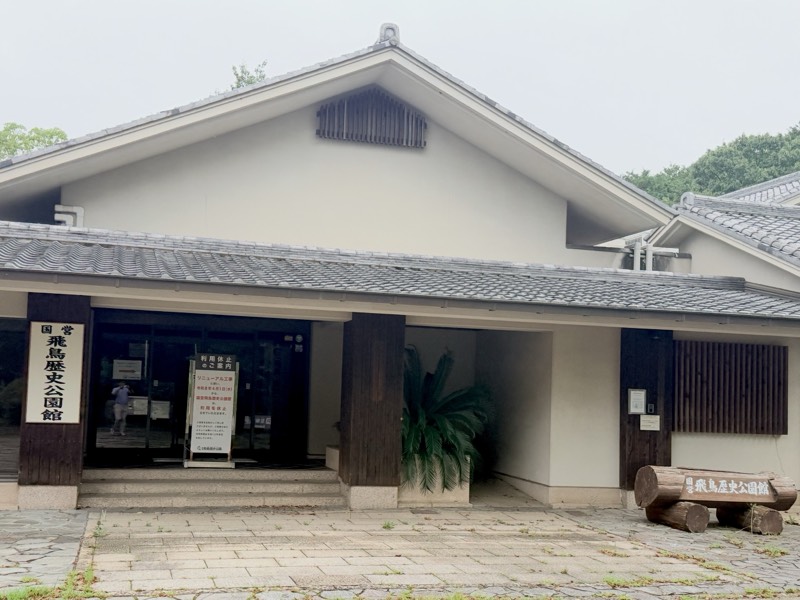
飛鳥歴史公園館
The information centre for the Asuka Historical National Government Park.
欽明天皇陵
One of the few large keyhole-shaped burial mounds in Asuka Village.