


1 / 3
中尾山古墳(なかおやまこふん)
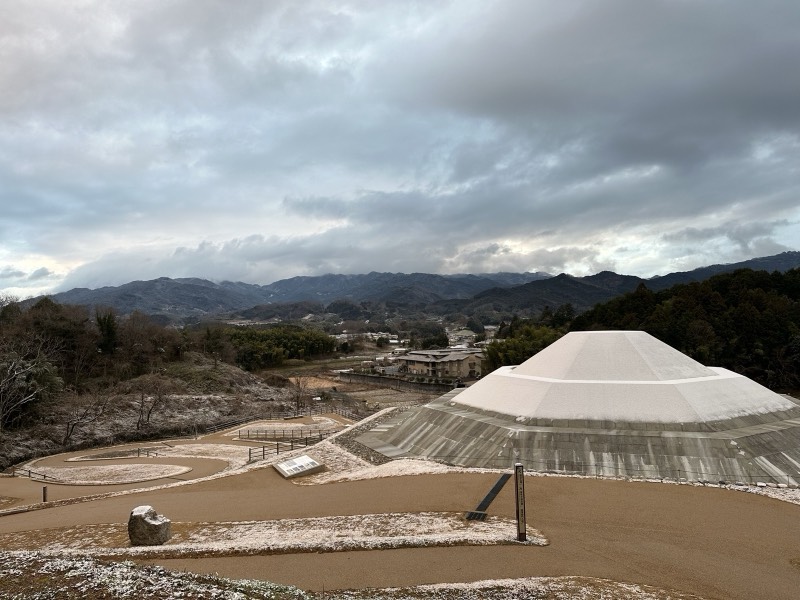
A small octagonal mound thought to be the tomb of the cremated Emperor Monmu.
This tomb is in Hirata, Asuka Village, just north of Takamatsuzuka Kofun, famous for its murals.
It measures about 19 m between opposite sides. It is small even among Asuka's octagonal tombs, about half the size of the tomb of Emperor Tenmu and Empress Jitō (about 37 m).
An excavation in 2020 confirmed that it is an octagonal tomb with a small stone chamber.
The mound was built in three tiers, and its outside was faced with stone. Small as it is, it was built with great care.
The stone chamber was small, made to hold cremated bones. The tomb takes the highest-ranking shape, the octagon, yet holds a single cremated burial. On these two points, the leading theory is that it is the tomb of Emperor Monmu.
Emperor Monmu came to the throne in 697 and died in 707 at the age of 25. He was the emperor who issued the Taihō Code, Japan's early legal code. Among Japanese sovereigns who were cremated, he comes very early, second only to Empress Jitō.
The tomb the Imperial Household Agency designates as Emperor Monmu's, however, is Kurihara Tsukaana Kofun to the southwest. As with Kengoshizuka Kofun and the tomb of Empress Saimei, the official designation and the archaeological view do not agree.
On 26 July 2026 it was inscribed as a World Heritage Site, as one of the components of "Asuka-Fujiwara: Archaeological Sites of Japan's Ancient Capitals and Related Properties."
About 15 minutes on foot from Kintetsu Asuka Station. It is a short way up the hill to the north of Takamatsuzuka Kofun.
The mound is covered for its protection, so you view its shape from outside.
Published
READ MORE
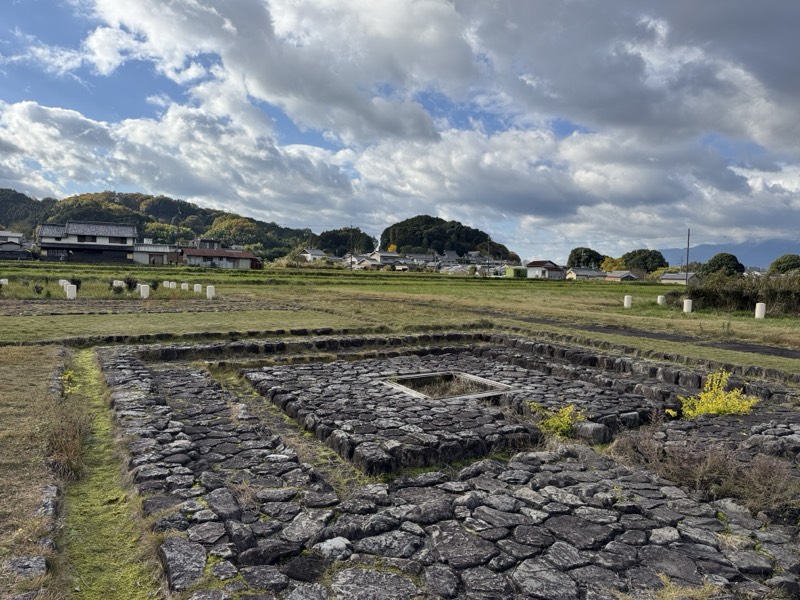 Asuka-Fujiwara World Heritage: All 19 Component Sites and How to Visit Them, with Half-Day, One-Day and Two-Day Routes"Asuka-Fujiwara" was inscribed on the World Heritage List in 2026. We list all 19 component sites with their…
 Octagonal Tombs: A Shape Reserved for EmperorsNeither round nor square, but a mound with eight sides. For about sixty years, from the mid-7th to the early…
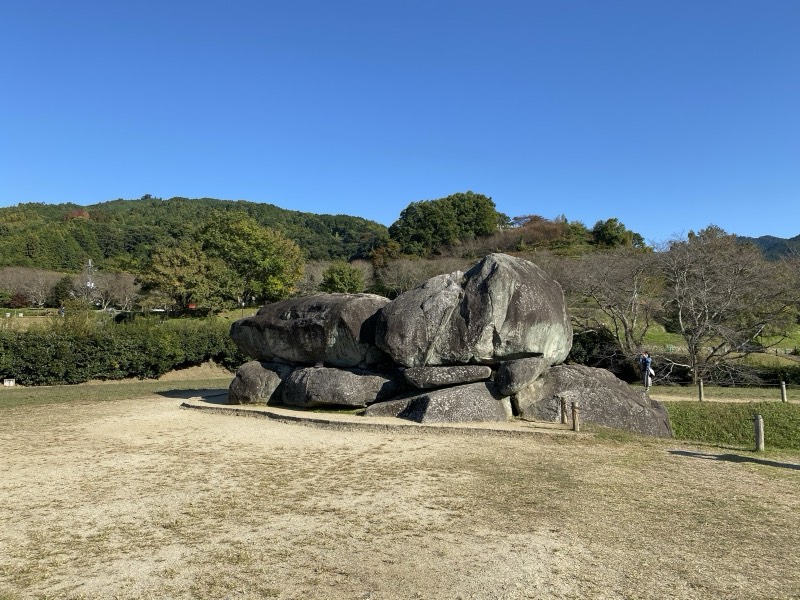 Why Did People Stop Building Kofun?For more than three hundred years, burial mounds kept growing larger. During the 7th century they shrank, and…
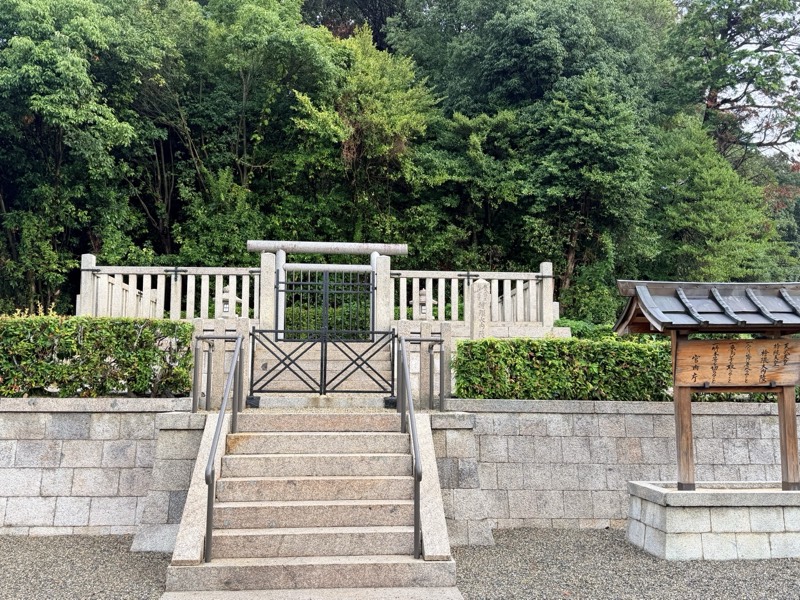 The record of a robbery that saved a tomb: the Mausoleum of Emperor Tenmu and Empress JitōVery few imperial tombs can be attributed to their occupants with near certainty. This one can because the…
NEARBY
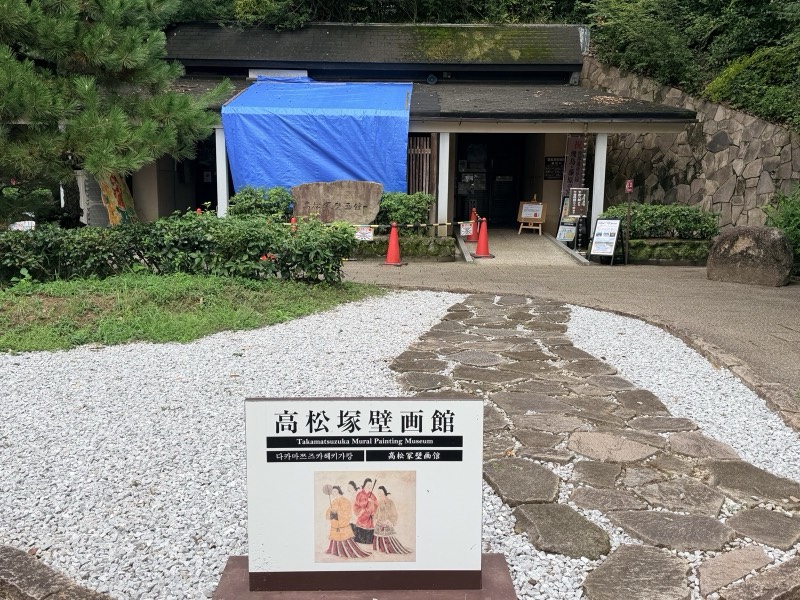
高松塚壁画館
A museum that presents the murals of Takamatsuzuka Kofun through replicas and models.
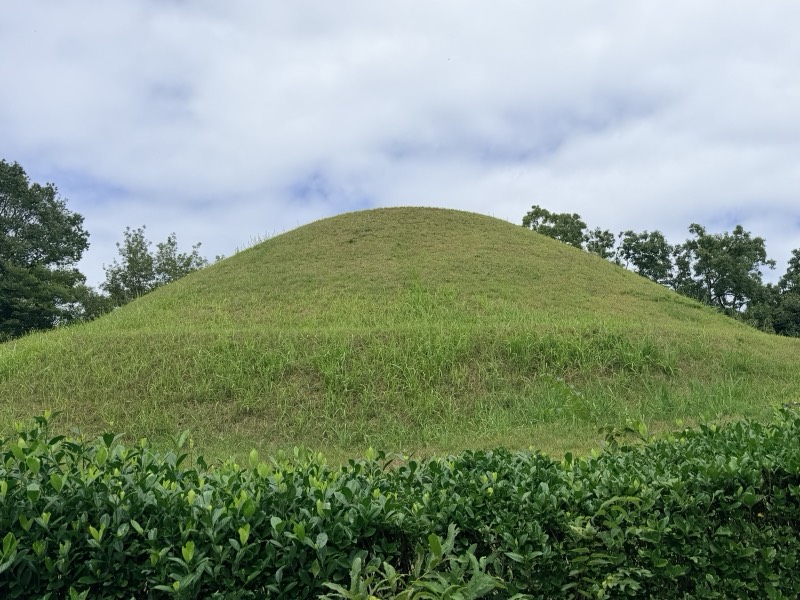
高松塚古墳
A round burial mound where brilliantly coloured paintings of court ladies were found: the defining archaeological discovery of post-war Japan.
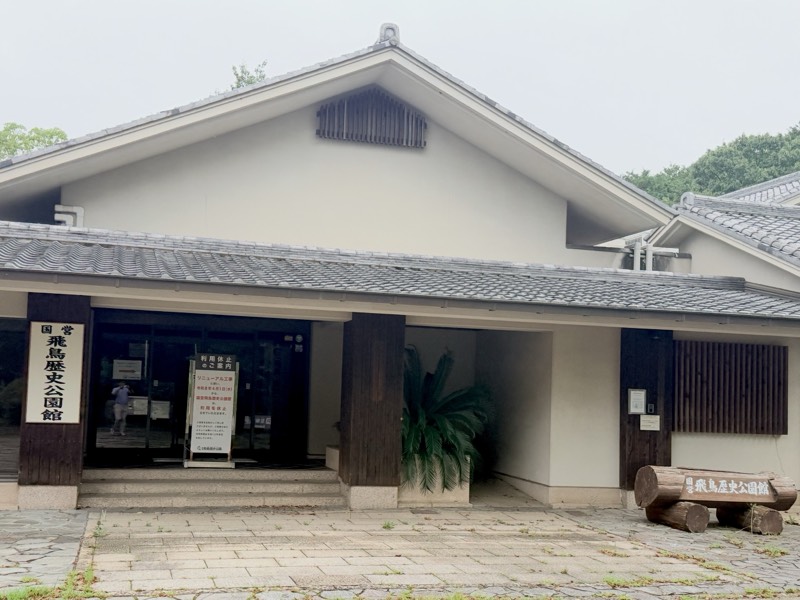
飛鳥歴史公園館
The information centre for the Asuka Historical National Government Park.