1 / 3
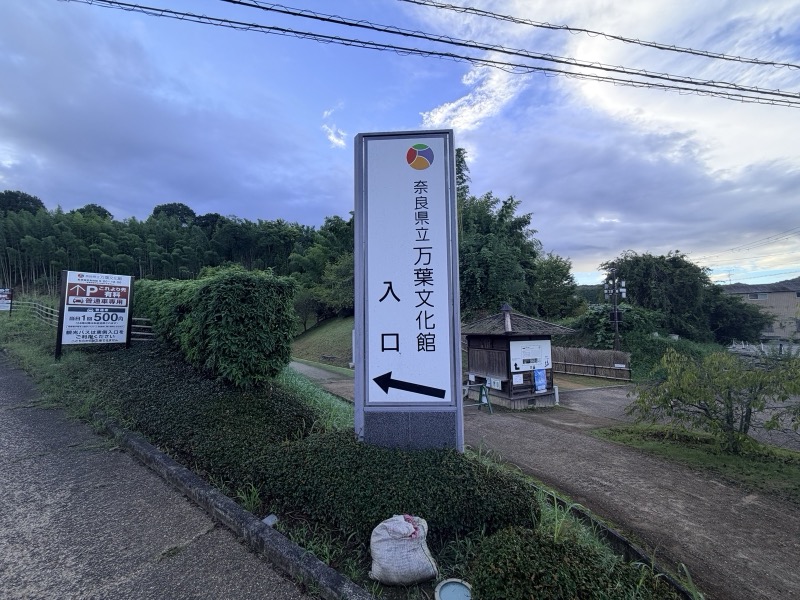
奈良県立万葉文化館(ならけんりつまんようぶんかかん)
A centre for ancient culture built around the Man'yōshū.
This prefectural art museum and history museum introduces ancient culture, centred on the Man'yōshū (Japan's oldest anthology of poetry).
It holds a collection of Japanese-style paintings inspired by the Man'yōshū and also hosts special exhibitions. In the library and information room, you can consult materials on the Man'yōshū and Asuka.
Before the museum was built, the excavation carried out ahead of construction made a major discovery: the Asukaike Workshop Site.
These are the remains of workshops from the late 7th century, which turned out to have handled every kind of material: gold, silver, copper, iron, glass and lacquer. The buildings, Buddhist ritual objects and ornaments of Asuka are thought to have been made here.
Most famous of all, large numbers of Fuhonsen coins, thought to be Japan's oldest currency, were found here. The excavation confirmed that coins older than the Wadō Kaichin had actually been cast.
Part of the site has been preserved and can be seen both inside the museum and outdoors. In an area between the buildings, the excavated stone structures and furnace remains have been left just as they were found.
The place where you view the exhibits is itself an archaeological site. In the same building, you can see the poems of the Man'yōshū and the remains of the workshops where things were made in that same age.
Right by the "Manyō Bunkakan Nishiguchi" stop on the Asuka loop bus from Kintetsu Kashiharajingu-mae Station.
Right next door is the Sakafuneishi site (the Sakafuneishi stone on the hilltop and the turtle-shaped stone basin below the hill), so you can visit both on the same walk. Opening hours, closing days and fees may change, so please check the official information before you go.
Published
NEARBY
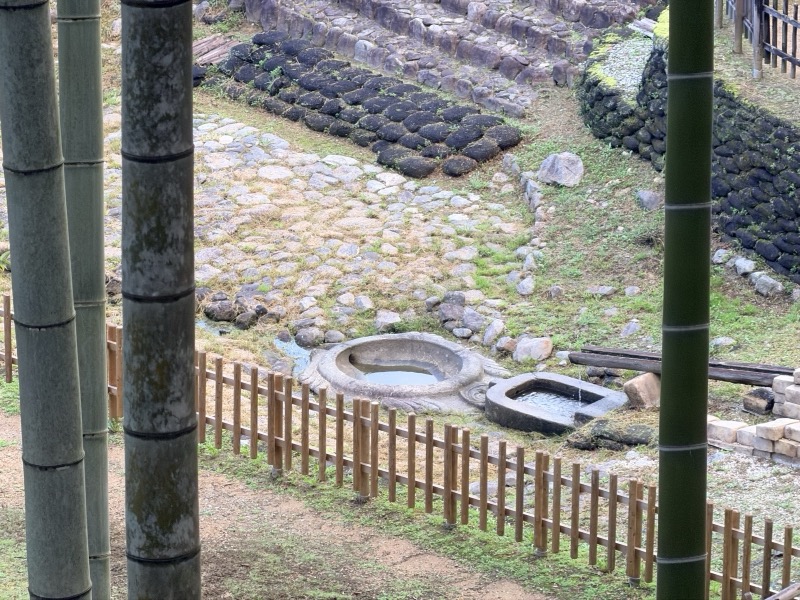
亀形石造物
A ritual site from the reign of Empress Saimei, with stonework designed to channel water.
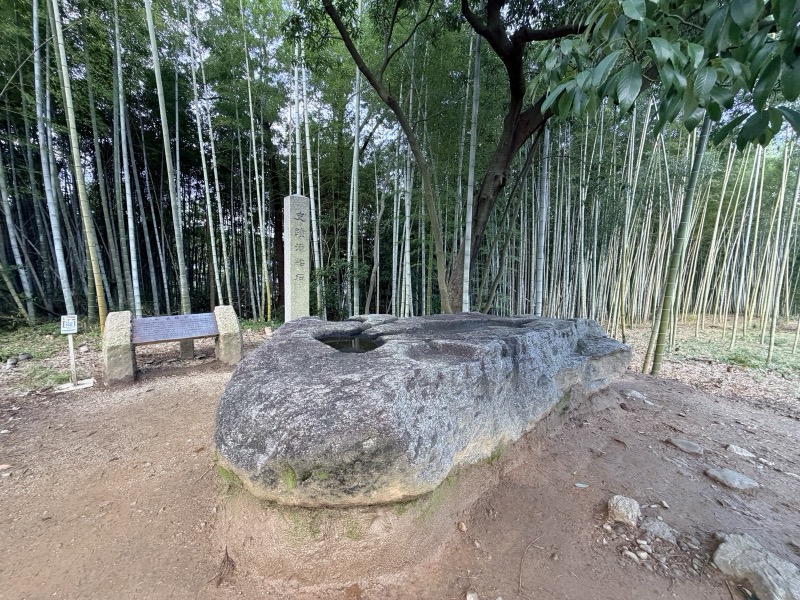
酒船石
A mysterious stone carved with circles and channels, lying in a bamboo grove on top of a hill.
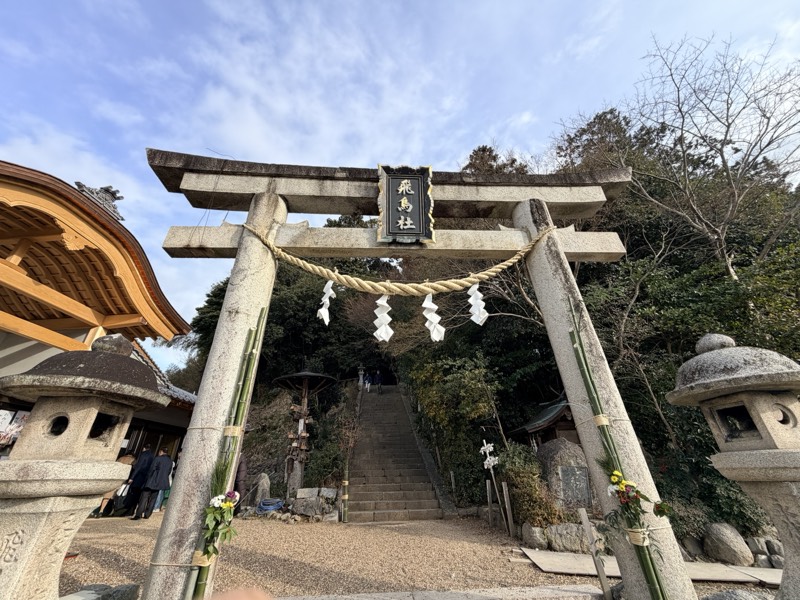
飛鳥坐神社
An ancient Asuka shrine famous for its unusual Onda Festival.