


1 / 4
奈良文化財研究所 飛鳥資料館(ならぶんかざいけんきゅうじょ あすかしりょうかん)
The Nara National Research Institute's museum, displaying finds from Asuka and the east corridor of Yamada-dera Temple.
This museum is in Okuyama, Asuka Village. It is run by the Nara National Research Institute for Cultural Properties (Nabunken), the very research body that is still excavating Asuka's sites, displaying what it has dug up.
If you come here after walking around the village's sites, you will learn what has been found beneath them. You can also visit first and then go walking.
Gallery 1 is divided into six sections: the arrival of Buddhism and the Soga clan; the palaces of Asuka; the road to the ritsuryō state (governed by law codes); Asuka's workshops brought back to life; the kofun (ancient burial mounds) of Asuka; and the temples of Asuka.
Using archaeological finds, works of art, photo panels and models, it traces the period from the 6th century, when Buddhism reached Japan, to the early 8th century, when the capital moved to Heijō-kyō (Nara).
Highlights include finds from Takamatsuzuka Kofun and other tombs, material from the Mizuochi site, home to Japan's first water clock, finds from Asuka-dera and Kawara-dera temples, and Fuhonsen coins, thought to be Japan's first cast currency. There is also a reconstruction model of the Asuka capital that shows at a glance how the palaces, temples and gardens were laid out.
Gallery 2 is devoted entirely to Yamada-dera Temple.
Yamada-dera was begun in 641 by Soga no Kurayamada no Ishikawamaro, known for his role in the Taika Reforms. Excavations in 1982 found its east corridor buried in the ground, lying just as it had collapsed.
Most of Asuka's great temples have vanished above ground. This corridor is older even than Hōryū-ji, the oldest surviving wooden building in the world.
In the gallery, the best-preserved section, three bays on the east side, has been reassembled using the original timbers in their original positions, so you can see the structure and scale of the building of the time. It was designated an Important Cultural Property in 2007. The timbers had become fragile after more than 1,000 years underground, and their conservation took 14 years.
In the garden outside are replicas of Asuka's stone monuments. The Shumisen-seki (Mt Sumeru Stone), the Sekijinzō (Stone Figures), the Saruishi (Monkey Stones) and others scattered around the village can all be seen together in one place.
The garden has several kinds of cherry and flowering peach, and in spring it is tinted pale pink. Early summer brings azaleas and wisteria, the rainy season hydrangeas, and in autumn the ginkgo trees turn gold; from late autumn to early winter the tree dahlias are at their best.
Visiting the garden alone is free.
Open 9:00–16:30 (last entry 16:00). Closed on Mondays (the next weekday if Monday is a public holiday) and over the New Year holiday.
Admission: adults 350 yen, university students 200 yen; free for visitors aged 70 and over, high school students and those under 18. Holders of a disability certificate and one carer are also free. Prices may differ during special exhibitions.
Right by the "Asuka Shiryōkan" bus stop, reached by bus from Kintetsu Kashiharajingu-mae Station or Sakurai Station. It is within walking distance of Asuka-dera Temple and the Mizuochi site.
Published
READ MORE
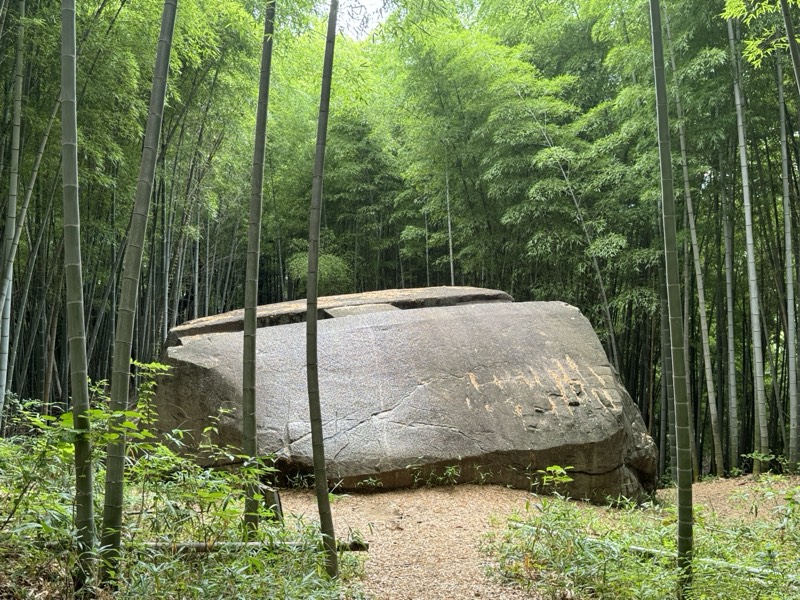 What Were They Made For? Asuka's Mysterious StonesTwo holes cut into an 800-tonne boulder, a slab carved with circles and channels, a turtle with a face…
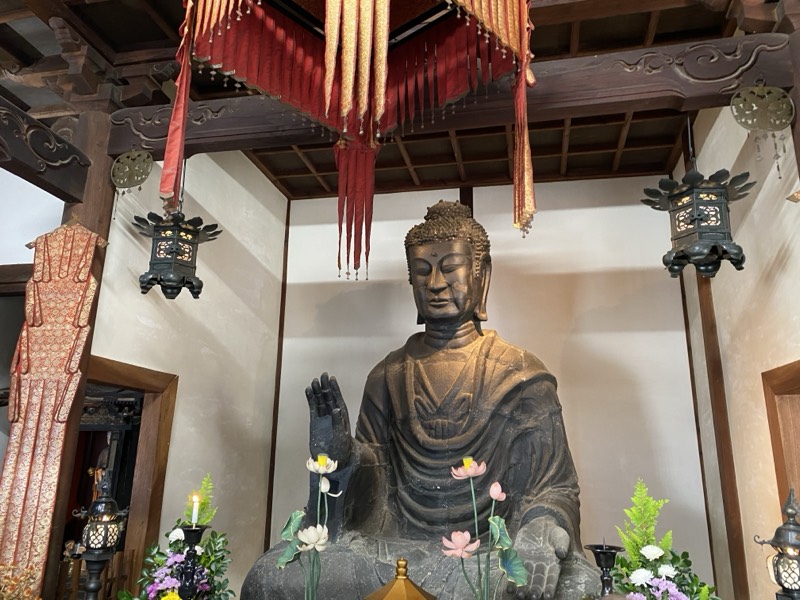 The Asuka Daibutsu: How Much of It Is 1,400 Years Old?In the Kamakura period (1185–1333), lightning set Asuka-dera Temple ablaze. All that survived, the records…How a Foreign Buddha Became a Japanese Face: Buddhist Statues of Asuka and FujiwaraFrom the Asuka Daibutsu to the Yakushi Triad of Yakushi-ji Temple took about a hundred years. Over that…
 The Bride Who Vanished on Her Wedding Night: How Ochi no Iratsume Came to MarryIt was a match arranged by Nakatomi no Kamatari: the eldest daughter of Soga no Kura-no-Yamada no…
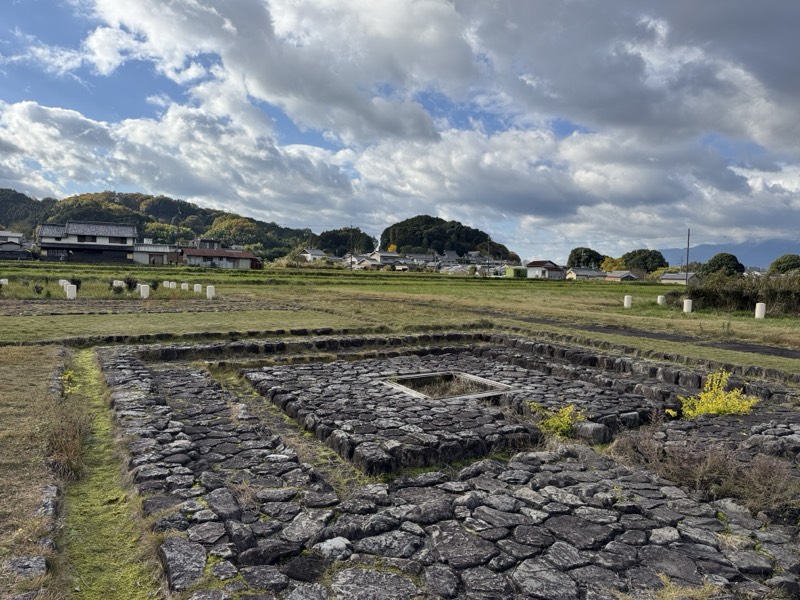 Soga no Kura-no-Yamada no Ishikawamaro: The Soga Who Sided Against the SogaBorn into the branch of the Soga clan that kept its storehouses, he joined the side that killed Iruka, and…
NEARBY
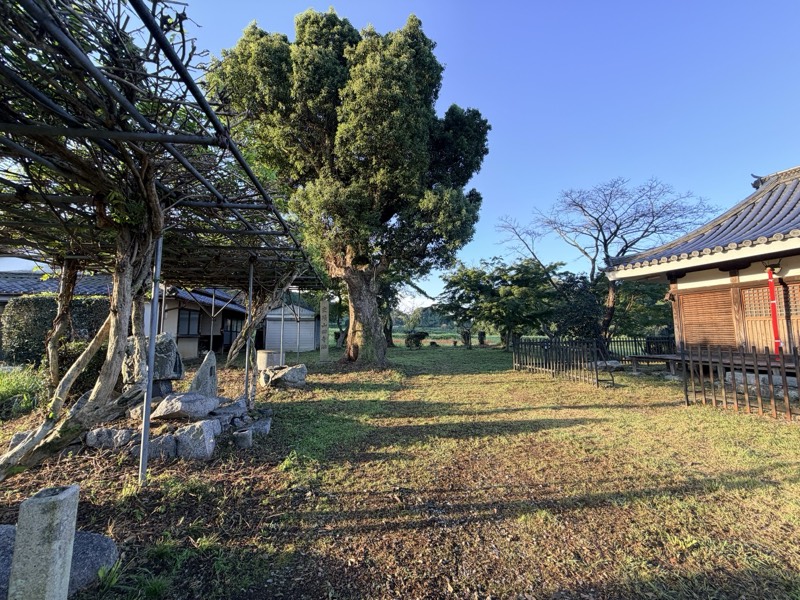
山田寺跡
A temple site where a corridor was excavated just as it had collapsed and been buried.
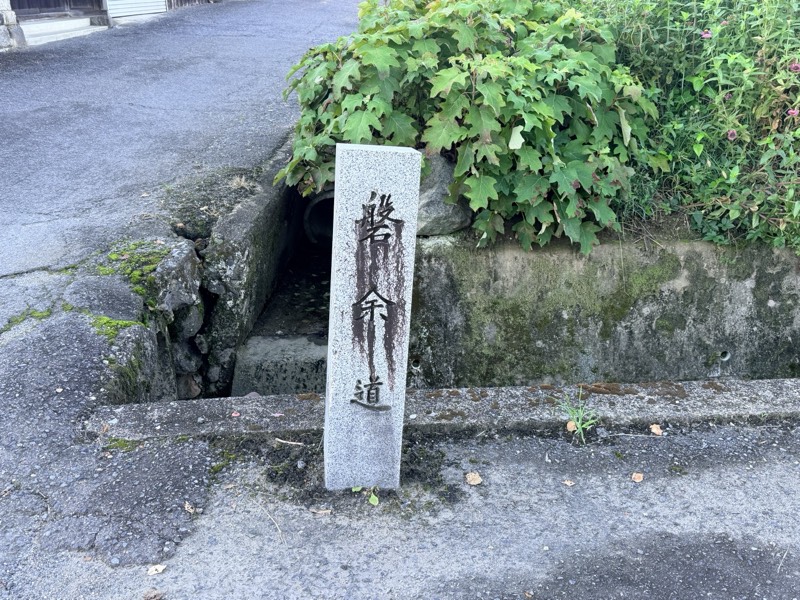
磐余道碑
A stone marker carved with the words "Iware Road," in the hand of the novelist Inoue Yasushi.
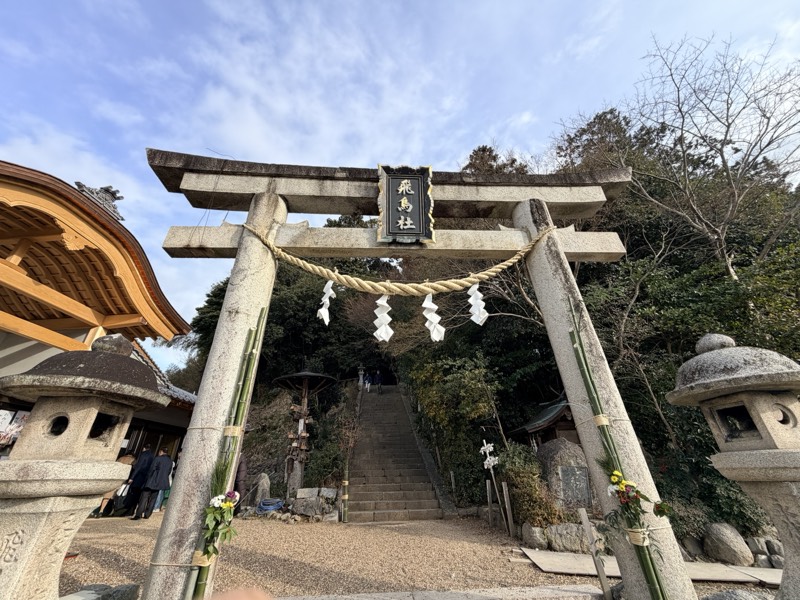
飛鳥坐神社
An ancient Asuka shrine famous for its unusual Onda Festival.