


1 / 3
磐余道碑(いわれみちひ)
A stone marker carved with the words "Iware Road," in the hand of the novelist Inoue Yasushi.
Iware is an old place name for the area stretching from the southwest of present-day Sakurai to the east of Kashihara.
The name even appears in the name given in the Nihon Shoki (Japan's oldest official chronicle, compiled in 720) to the legendary first emperor Jinmu: Kamu-Yamato-Iwarebiko no Mikoto.
In the 5th and 6th centuries, palaces were built here again and again: Emperor Richū's Iware Wakazakura Palace, Emperor Seinei's Iware Mikakuri Palace, Emperor Keitai's Iware Tamaho Palace and Emperor Yōmei's Iware Ikenobe Namitsuki Palace. Before the palaces gathered in Asuka, this area was one of the centres of royal power.
"Ikenobe" in the name of Emperor Yōmei's palace means "by the pond," referring to the shore of Iware Pond.
The pond is known from a poem that Prince Ōtsu is said to have composed just before his death.
Momozutau / Iware no ike ni / naku kamo o / kyō nomi mite ya / kumogakurinamu: "The ducks that cry on the pond of Iware — am I to see them only today, and then vanish into the clouds?" (Man'yōshū, Japan's oldest anthology of poetry, Book 3, No. 416)
Arrested on suspicion of rebellion, the prince was put to death in 686. The poem asks whether today will be the last time he sees the ducks crying on the pond. "Momozutau" is a makurakotoba, a fixed poetic epithet attached to the name Iware.
For a long time no one knew where the pond had been, but in 2011 the remains of a large embankment were found at Kibi in Sakurai, and it is thought that this may have been Iware Pond.
This marker stands on the route from Asuka towards Iware. The Yamada-dera Temple Site lies just to the south.
No remains of the road itself survive. The place name, and markers like this one, keep the memory of the road alive.
The three characters for "Iware-michi" were written by the novelist Inoue Yasushi. His signature is on the reverse of the face carved "Iware-michi" in kana.
Inoue Yasushi wrote many novels set in ancient Japan, including The Roof Tile of Tempyō and Princess Nukata.
The marker stands by the roadside gutter and is about knee to waist high. "Iware-michi" is carved in kanji on one face and in kana on another.
The site is not in Asuka Village but in the city of Sakurai. Take a bus from Kintetsu Sakurai Station to the "Yamadadera-ato" stop and walk about 2 minutes north.
Published
READ MORE
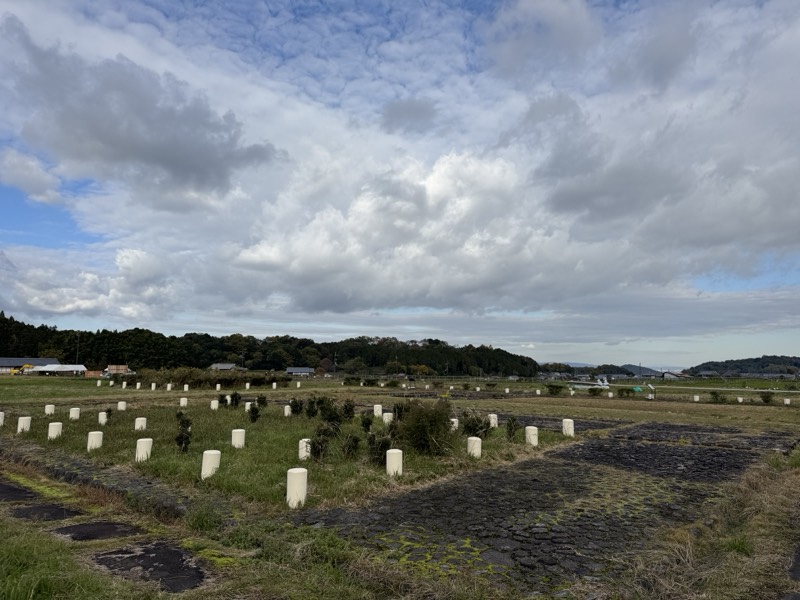 No Longer from Brother to Brother: Succession through the Direct LineIn ancient Japan the throne often passed from elder brother to younger. One attempt to draw a line from…
 Where Was the Palace Before Asuka? From Makimuku to IwareFrom Makimuku at the foot of Mt Miwa, by way of Iware, to Asuka: the seat of royal power moved south across a…
NEARBY
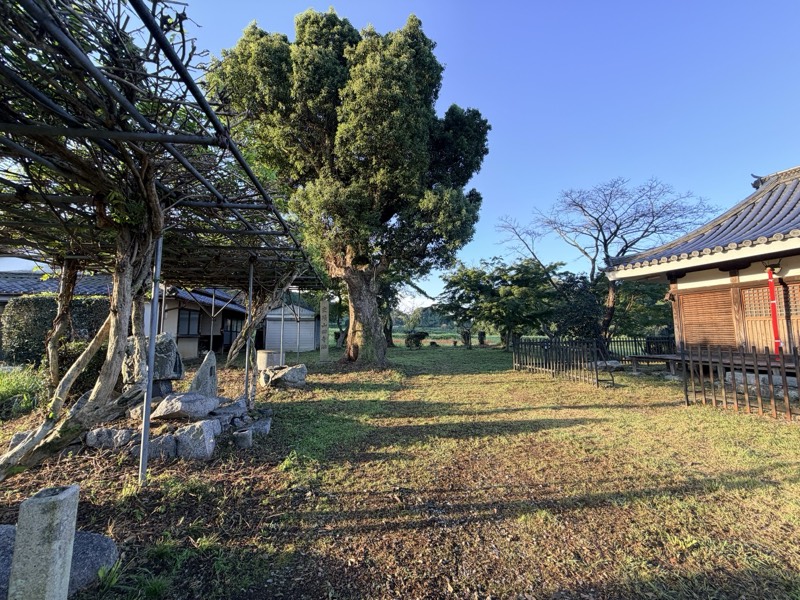
山田寺跡
A temple site where a corridor was excavated just as it had collapsed and been buried.
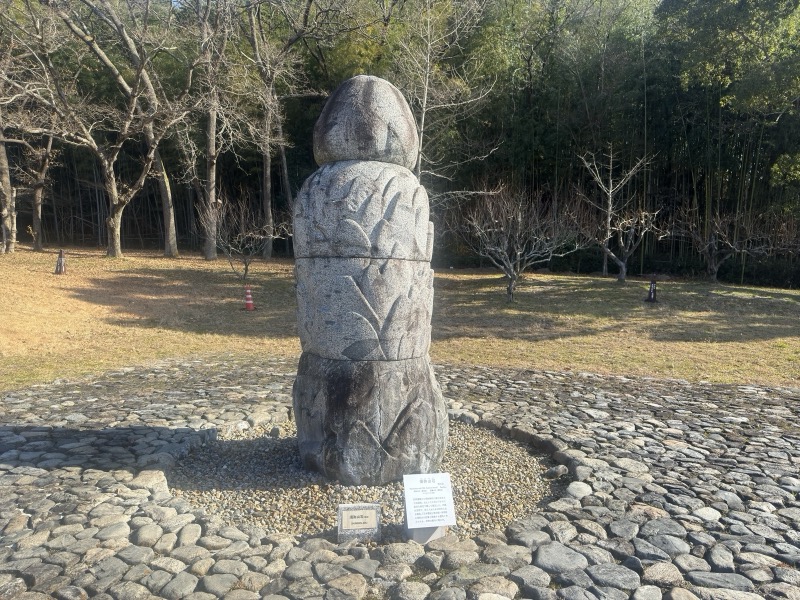
奈良文化財研究所 飛鳥資料館
The Nara National Research Institute's museum, displaying finds from Asuka and the east corridor of Yamada-dera Temple.
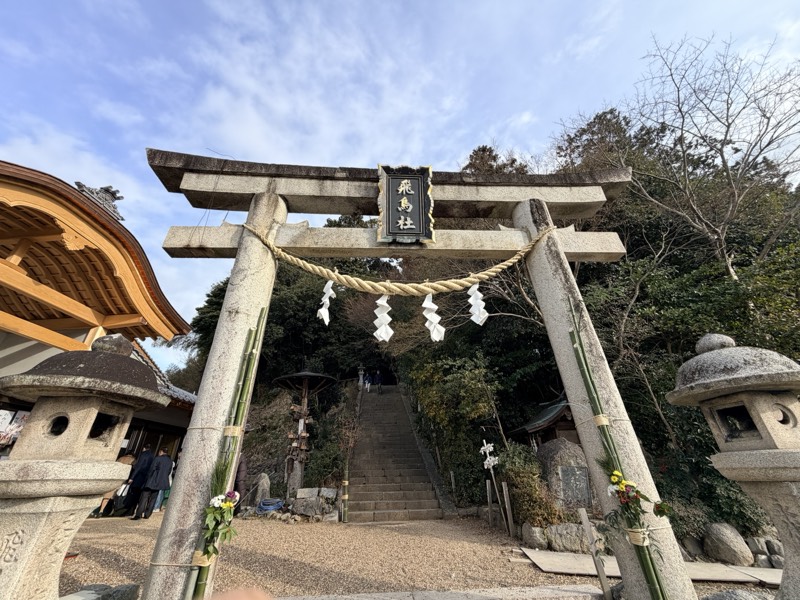
飛鳥坐神社
An ancient Asuka shrine famous for its unusual Onda Festival.