
Home/Columns
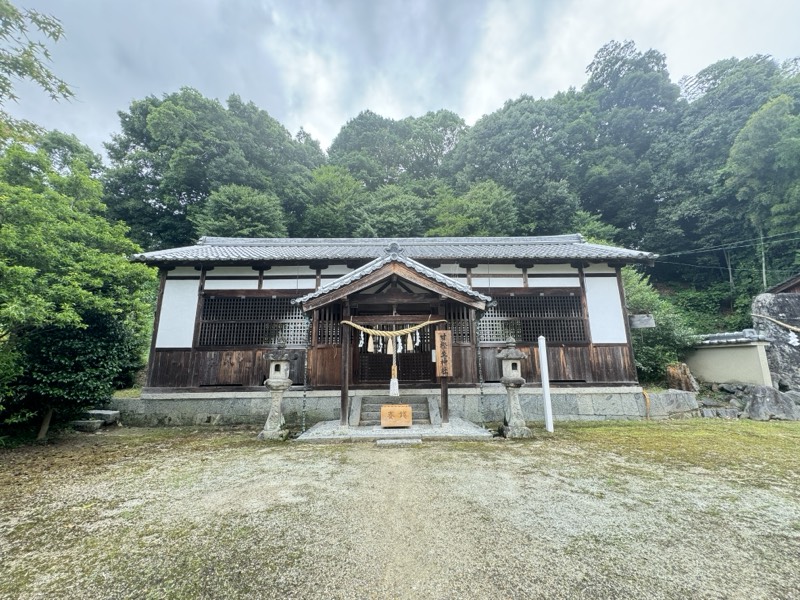
Those who lie are scalded; the honest come away unhurt. According to the Nihon Shoki, this trial was held on Amakashi Hill. The rite survives to this day at Amakashi-niimasu Shrine.
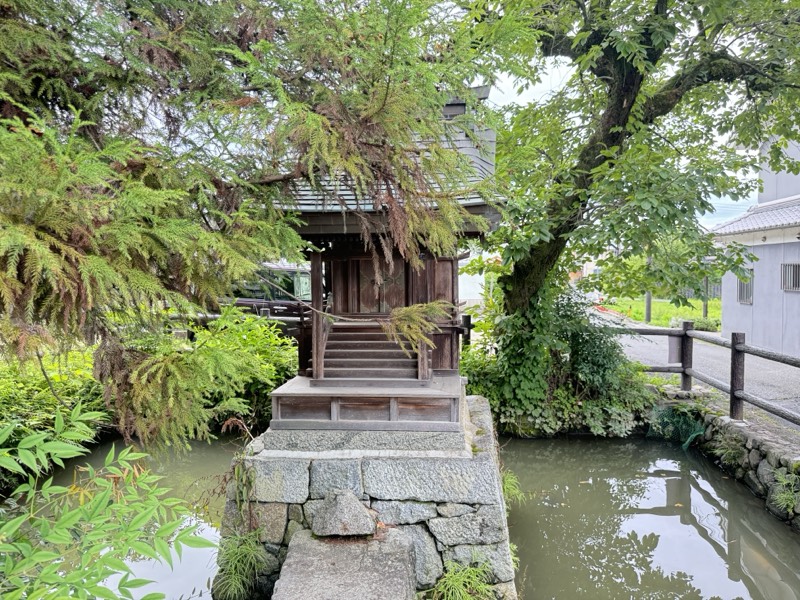
A waterway in Osaka near the sea, or a small pond in Asuka? The "Naniwa no Horie", which the Nihon Shoki names as the place where a Buddhist statue was thrown away, still has two candidates today.
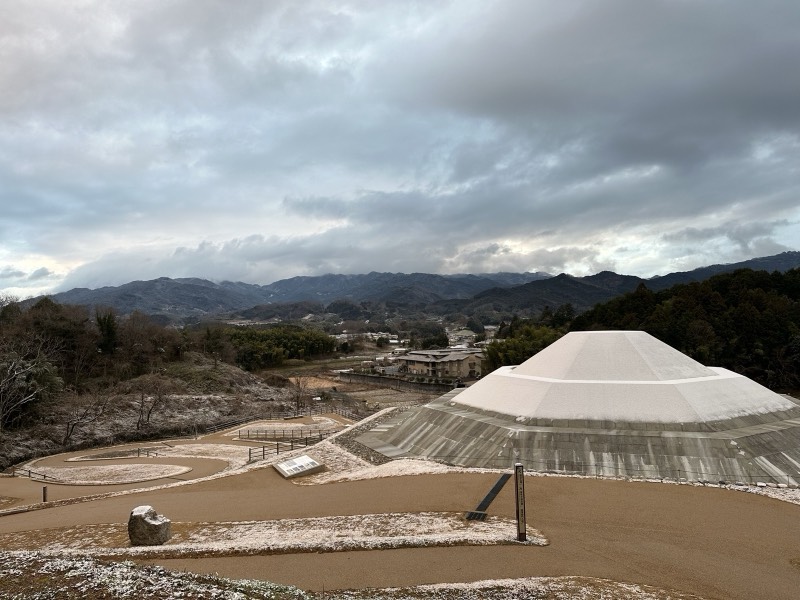
Neither round nor square, but a mound with eight sides. For about sixty years, from the mid-7th to the early 8th century, this shape was used only for the tombs of emperors.
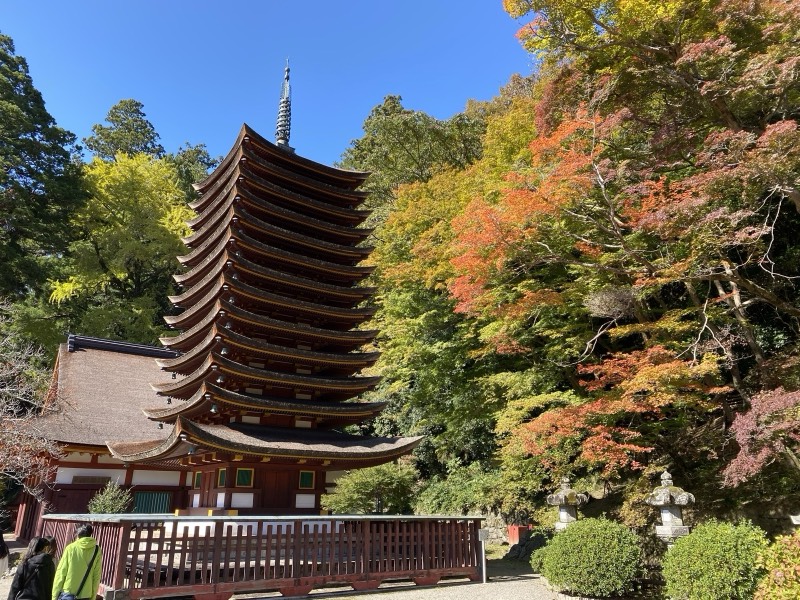
The eldest son of Fujiwara no Kamatari crossed to Tang China at the age of eleven. He came back in the autumn of his twenty-third year, and died at the end of that same year. The one who wrote that he was poisoned was a member of his own family.
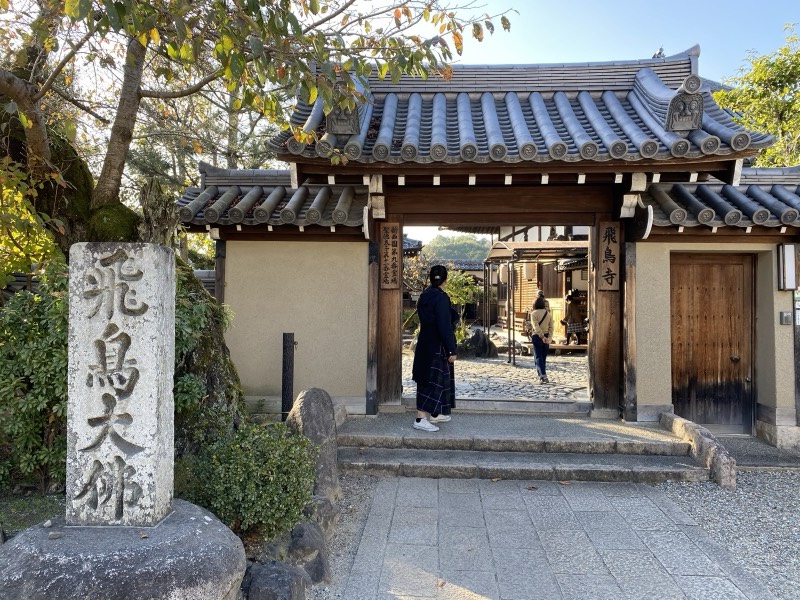
To Sui China, then to Tang. Some spent decades across the sea before coming home. What they brought back was not objects but the very framework of a state.
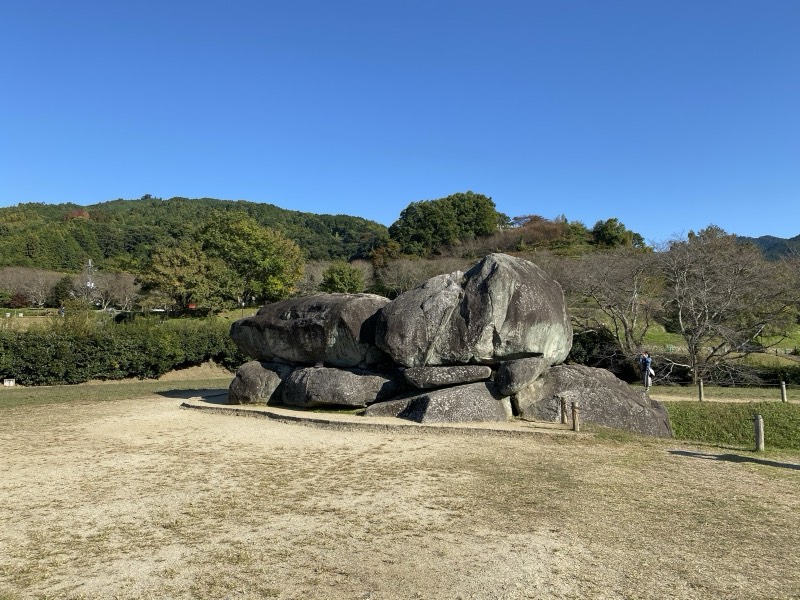
For more than three hundred years, burial mounds kept growing larger. During the 7th century they shrank, and in the early 8th century they disappeared. There was more than one reason.

Small flowers bloom along the roadsides and the ridges between rice paddies. Once you know their names, your walk looks different. Yet many of them did not exist in this village in the Asuka period.
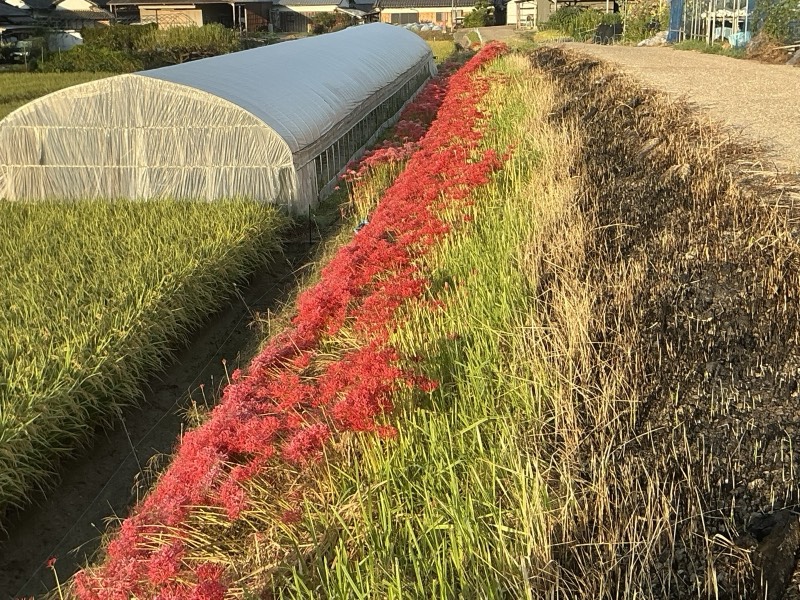
Red runs along the edges of the rice fields, as straight as if drawn with a ruler. It did not grow there on its own. People carried the bulbs and planted them.