
Home/Columns
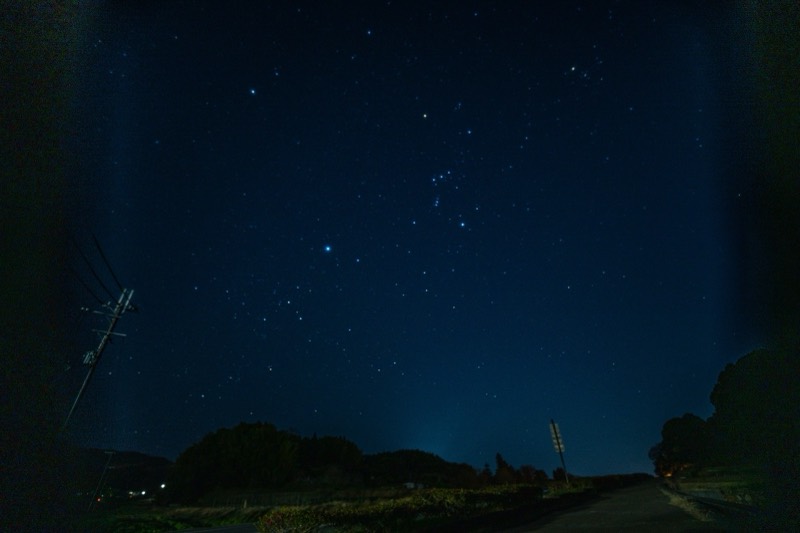
With few street lights, the sky seems to come closer once the sun goes down. And in this village, how the people of the Asuka period looked at the stars has survived intact.
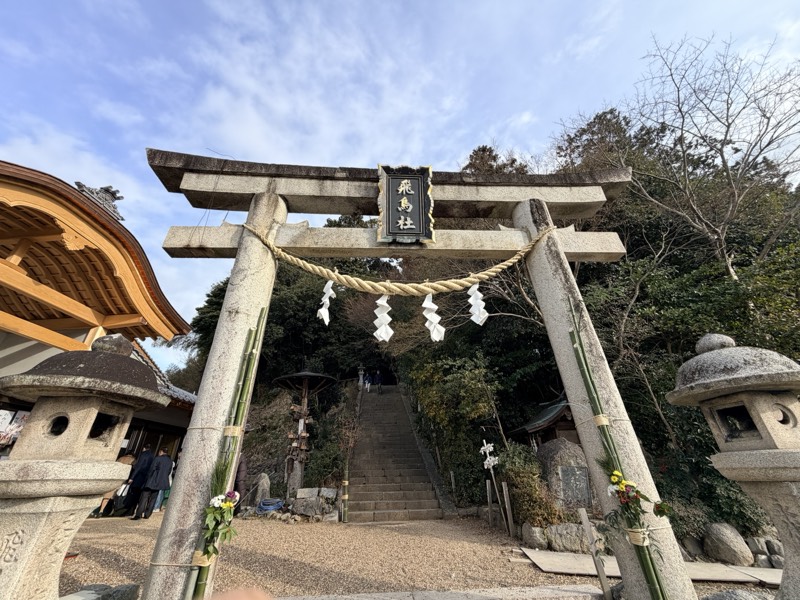
The ruins and the historical period are written 飛鳥, the village is written 明日香. Both are read "Asuka", so why are the characters different? And what does "Asuka" mean in the first place?
Around Kintetsu Asuka Station, in Hirata, Noguchi and Koshi, a number of kofun said to be the tombs of emperors lie within a few kilometres of one another. Nowhere else are they packed so densely.
In 600 the first envoys sent to the Sui court in China came home having been told by the emperor that their ways made no sense. Within a hundred years, this country had become a state governed by ritsuryō law codes.
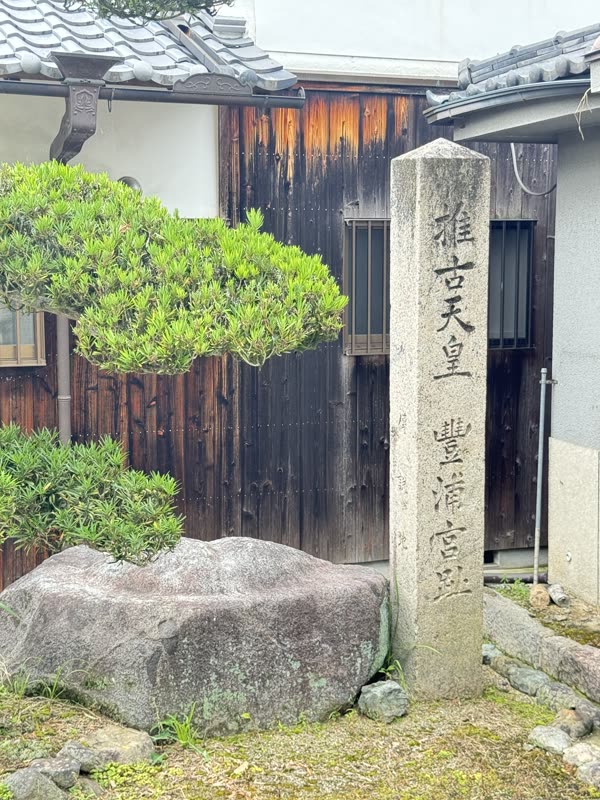
Toyura, Oharida, Okamoto, Itabuki, Kawahara, Kiyomihara. Over a hundred years the palace moved again and again, and then it stopped moving.
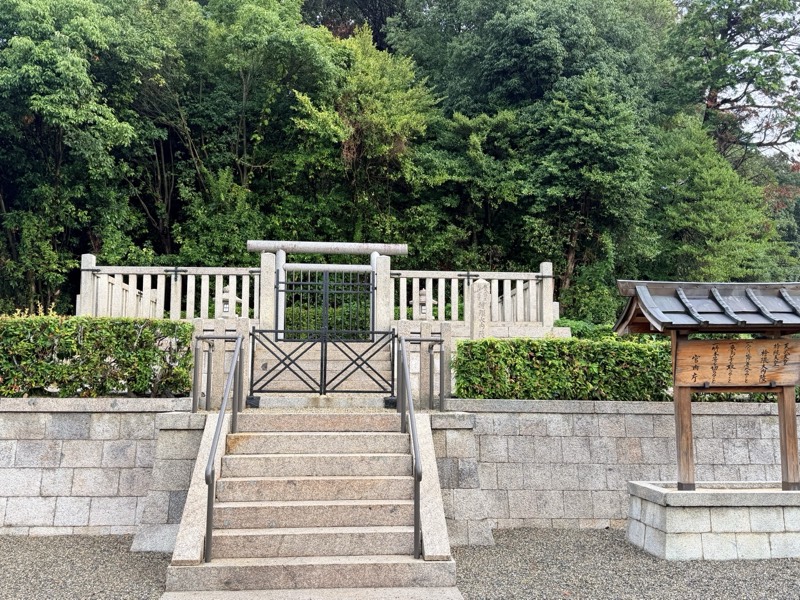
Very few imperial tombs can be attributed to their occupants with near certainty. This one can because the investigation report from a tomb robbery in 1235 survived.
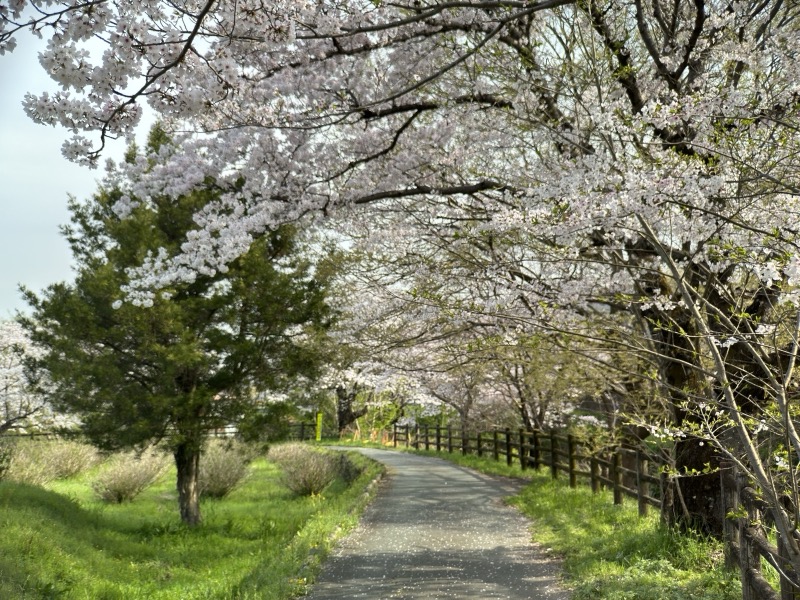
Three kinds of rain-making were tried in turn, and when at last the empress prayed upstream on the Asuka River, it rained for five days. There is a reason the Nihon Shoki was so careful to set out that sequence.
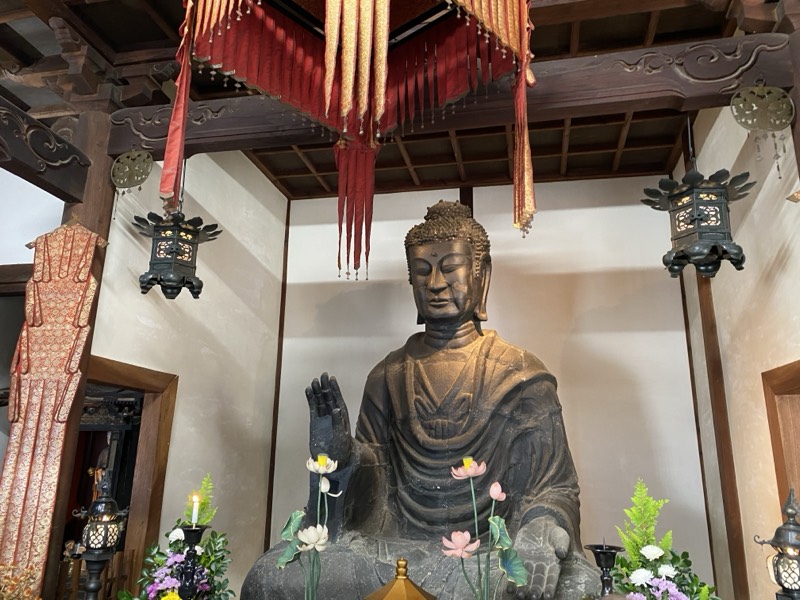
Asuka-dera, Toyura-dera, Yamada-dera, Kawahara-dera, Daikandai-ji, Moto-Yakushi-ji. Who built them, and for what? Once you grasp that, temple ruins start to look different.