
Home/Columns
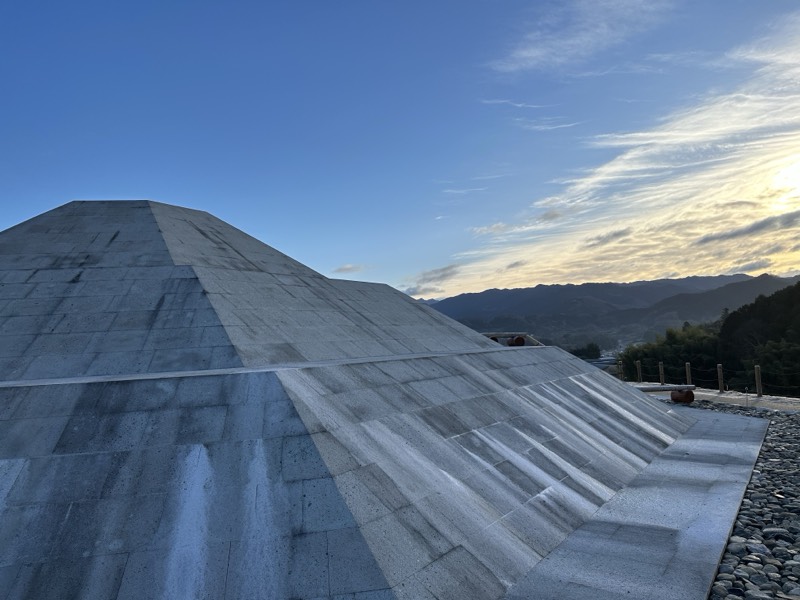
Three reigning empresses (Suiko, Kōgyoku/Saimei and Jitō), the poet Nukata no Ōkimi, and the nun Zenshin-ni. The Japan Heritage story recognised in 2015 sets out to reread Asuka through the eyes of these five.
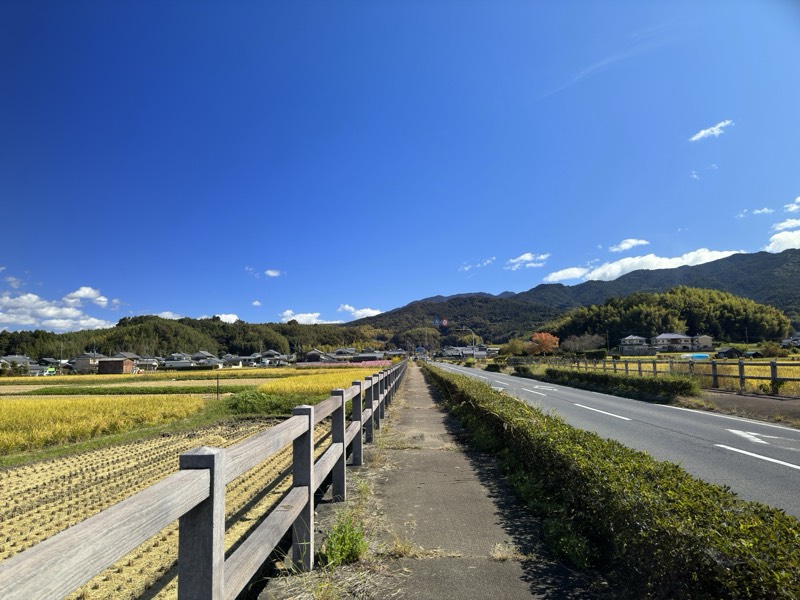
The Kamitsumichi, Nakatsumichi and Shimotsumichi roads run north–south about 2.1 km apart. Only after this ruler had been laid down were Fujiwara-kyō and Heijō-kyō designed.
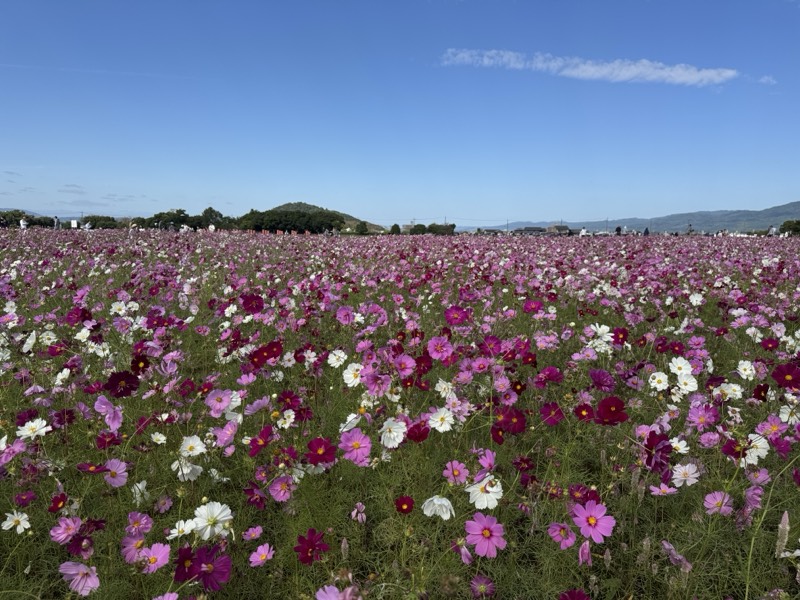
Fujiwara-kyō placed its palace at the centre of the capital, just as the Chinese classic the Rites of Zhou prescribes. Yet Chang'an, its supposed model, did not. Following why the original departed from the classic reveals who the Sui and Tang dynasties really were.
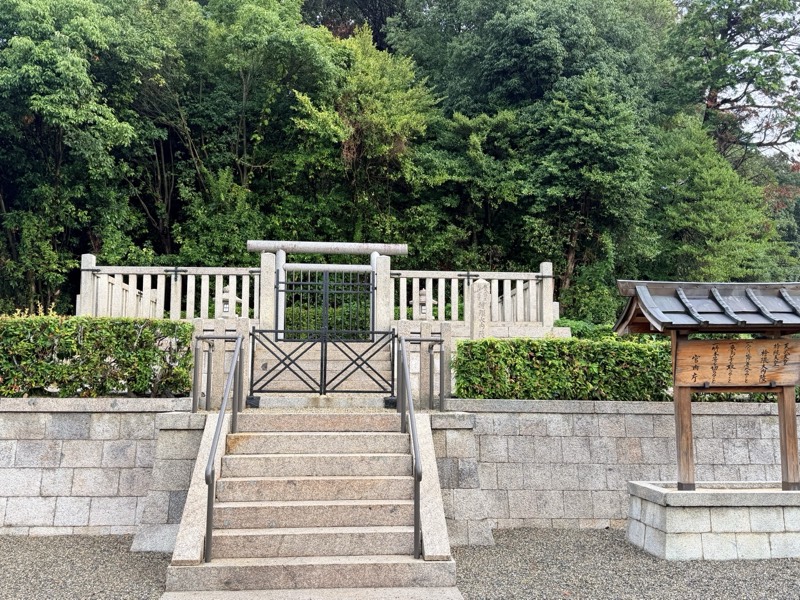
In 690, the year Empress Jitō took the throne in Japan, Wu Zetian became emperor in Tang China. Half a century earlier, Silla in Korea had also had a queen. Why did female rulers follow one another in 7th-century East Asia?
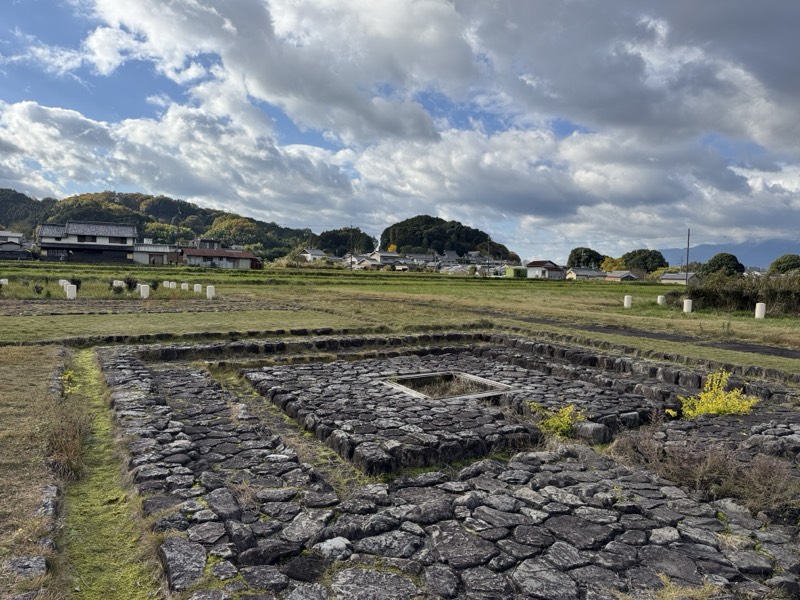
It was inscribed on 26 July 2026. All that was chosen were the remains of palaces, temples and tombs, and most of them lie underground. What these 19 sites show is the hundred-odd years in which the institutions of the Japanese state took shape.
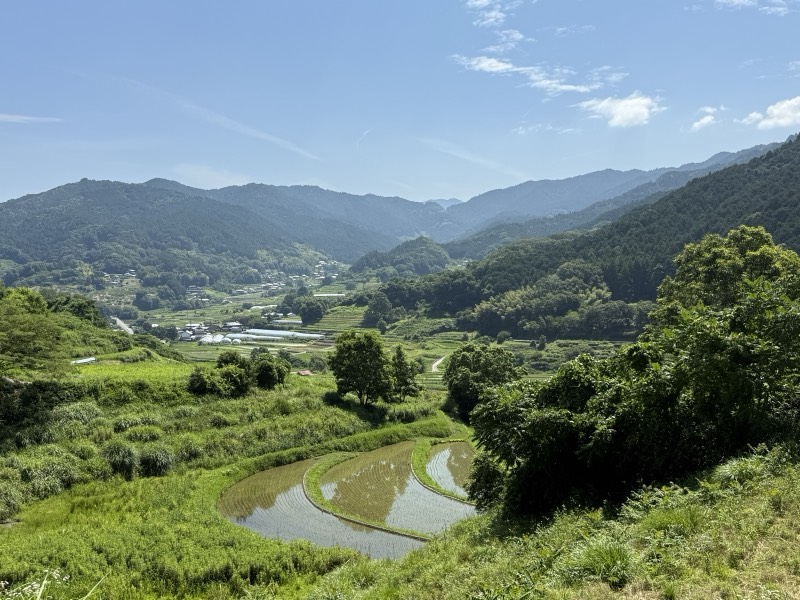
Two ropes of rice straw hang across the Asuka River. Downstream in Inabuchi a Shinto priest is invited; upstream in Kayanomori a Buddhist monk chants sutras. The same rite has carried on in a different form in each village.
Japan's first full-scale planned capital was abandoned after just sixteen years. Poor drainage, the position of the palace, and what an embassy to Tang China brought back after a gap of thirty years: several theories are told.
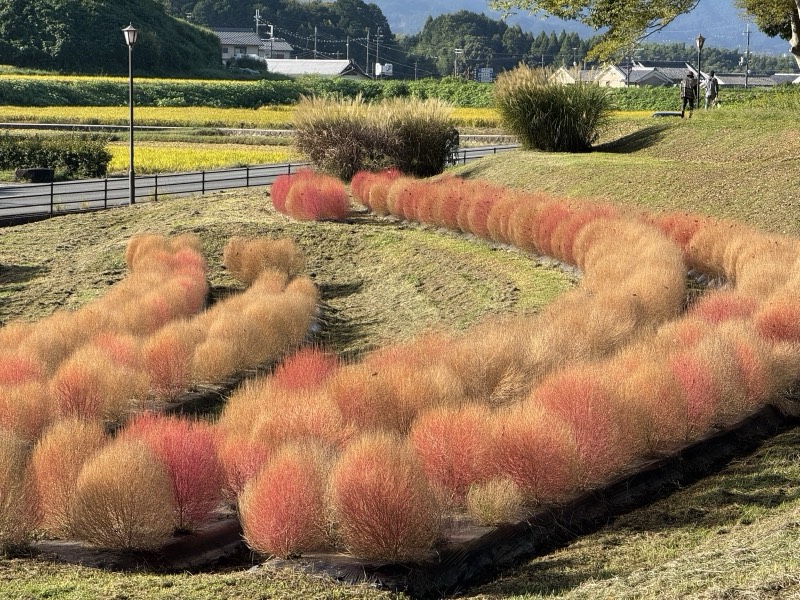
The Nihon Shoki says Soga no Emishi and Soga no Iruka had their mansions here. Yet excavation has found nothing conclusive. And Amakashi-niimasu Shrine stands a little away from the hill.