
Home/Columns
Walk around Asuka and you meet poems from the Man'yōshū everywhere. Here is a summary of what makes them more enjoyable to read: how the poems are classified, their forms, and the difference between envoys and exchanged poems.
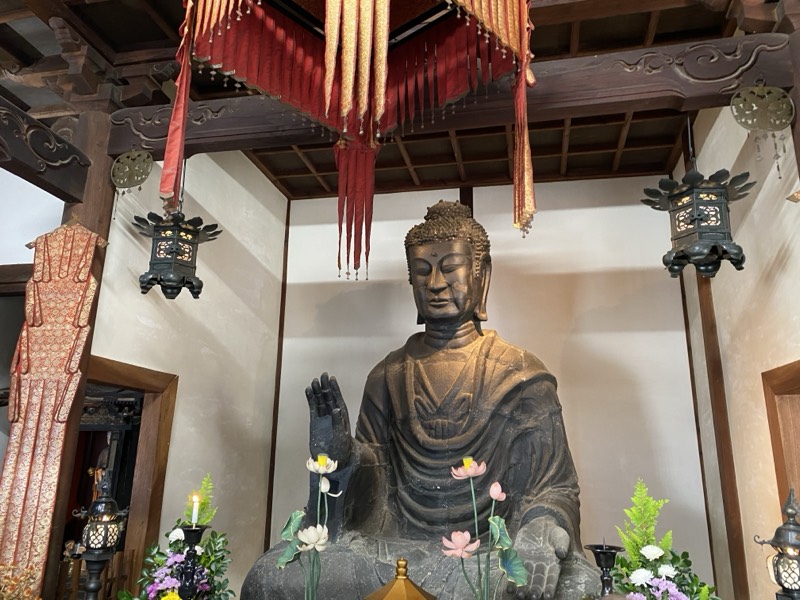
In the Kamakura period (1185–1333), lightning set Asuka-dera Temple ablaze. All that survived, the records say, were "the Buddha's head and hands." Yet X-ray surveys in 2012 and 2016 tell different stories about that same Buddha.
From the Asuka Daibutsu to the Yakushi Triad of Yakushi-ji Temple took about a hundred years. Over that century the faces of Buddhist statues changed dramatically, depending on who commissioned them and on contact with lands across the sea.
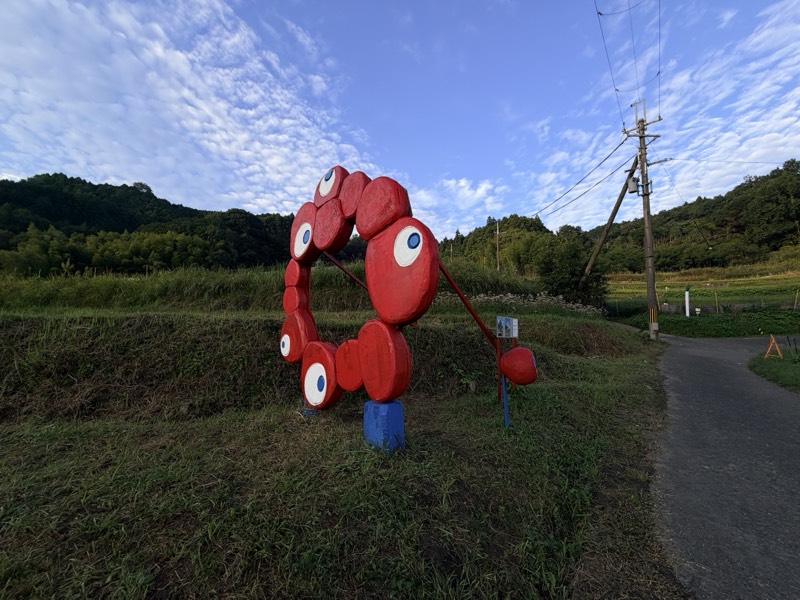
The theme of the 2026 scarecrow contest is "Kusu", the Japanese sound of a stifled chuckle. A village just inscribed as a World Heritage Site chose laughter on purpose. The Scarecrow Festival will be held on 26 and 27 September.
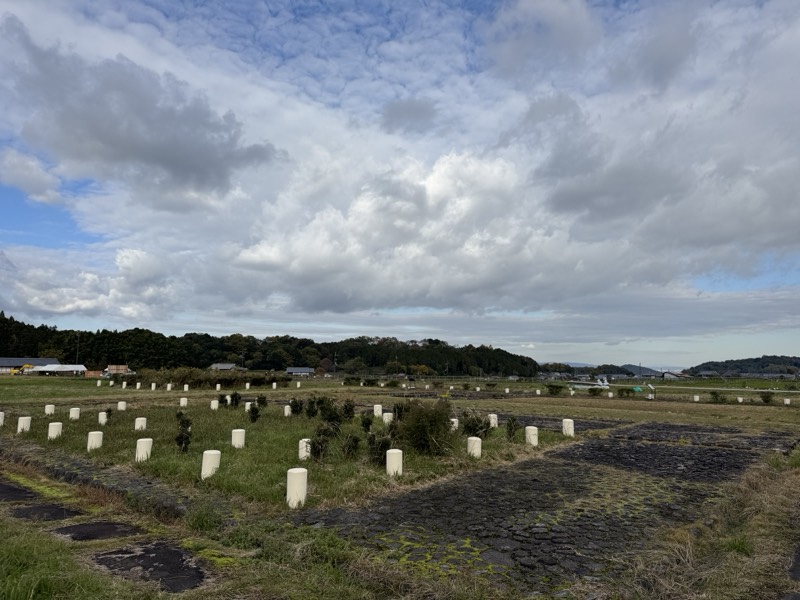
In 679 Emperor Tenmu made six princes swear at Yoshino never to fight one another. It is well known that the oath was not kept. But follow each of them in turn and you find that the story does not end with killing alone.
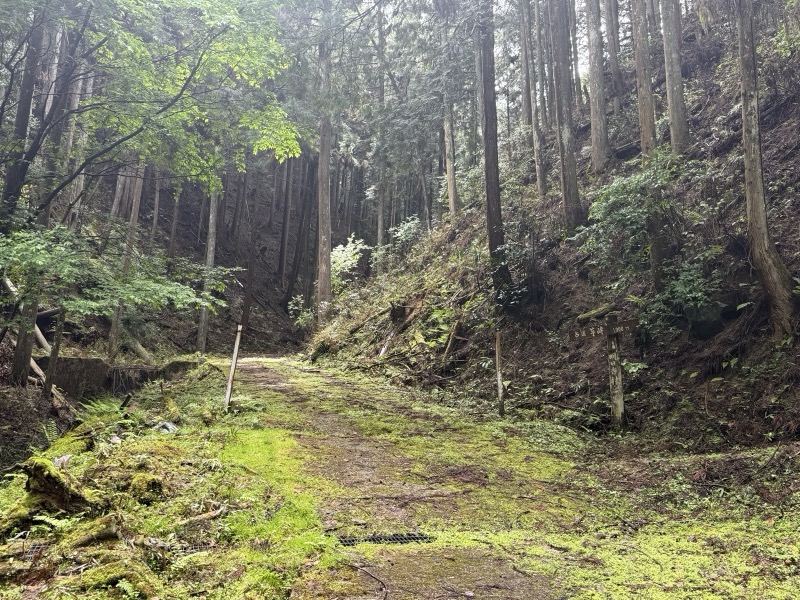
Enter the mountains at the far end of Asuka, cross a single ridge, and you are in Yoshino. Prince Ōama crossed this road as if fleeing pursuers. Empress Jitō travelled the same road back and forth more than thirty times during her reign.
The man given command of the army in the Jinshin War was a 19-year-old eldest son. Because of his mother's low standing, he was considered far from the throne. Yet the way his death was treated was too grand for a mere prince.
As the empress who completed the ritsuryō state (a state governed by law codes), she is usually spoken of in the same breath as her husband, Emperor Tenmu. But she was also Emperor Tenchi's daughter. This column considers whether the sense of carrying on her father's legacy may have been the stronger one.