
Home/Columns/Emperor Kinmei, the Link in the Chain: The Bloodline Leading to Today's Imperial Family
Published
From the accession of his father, Emperor Keitai, to the reigns of the children who took the throne one after another: tracing the emperor who stands at the threshold of the Asuka period.

According to the Nihon Shoki (Japan's oldest official chronicle, compiled in 720), when Emperor Buretsu died there was no one to succeed him. So Ohodo no Ōkimi, who lived in the land of Koshi, was invited to take the throne. He became Emperor Keitai. He is said to have been a fifth-generation descendant of Emperor Ōjin, but this was a rather distant relationship, and he lived far from the centre of Yamato (the early Japanese state).
What stands out is that when he was brought in, he took as his empress Princess Tashiraka, the elder sister of Emperor Buretsu. He came to the throne by marrying a woman of the Yamato royal line, and one view is that it was in effect close to marrying into the family.
After Emperor Keitai's death, the throne passed to Emperor Ankan and Emperor Senka. The two were Emperor Kinmei's elder half-brothers.
According to one account, their mother was the daughter of a powerful family in Owari. That would make them children of a wife Keitai married before he entered Yamato, putting them in a different position from Kinmei, whose mother was of the Yamato royal line. Ankan and Senka both reigned only briefly, and Emperor Kinmei followed them on the throne.
There is a theory that this succession was not a simple handing-on in turn. In this view, the court of Ankan and Senka and the court of Kinmei existed side by side, with rivalry and conflict between them.
Much of what happened cannot be read from the Nihon Shoki alone, and the succession in this period is still debated today.
Emperor Kinmei reigned for more than thirty years, a long and stable reign in contrast to the run of short reigns before it. It is also in this period that Buddhism is said to have reached Japan. The course towards the Asuka period (late 6th to early 8th century) becomes clear from here.
Emperor Kinmei's children came to the throne in succession: Emperor Bidatsu, Emperor Yōmei, Emperor Sushun and Empress Suiko. Emperor Yōmei was the father of Prince Shōtoku, and Empress Suiko took the throne at the Toyura Palace in Asuka as Japan's first female sovereign.
In other words, the main sovereigns of the Asuka period all had Emperor Kinmei as their father. And this bloodline was handed down to later ages. Emperor Kinmei can be said to stand close to the position of founding ancestor in the line of descent leading to the present imperial family.
The site of the Toyura Palace where Empress Suiko took the throne, Asuka-dera Temple built by Soga no Umako, Tachibana-dera Temple, said to be Prince Shōtoku's birthplace: many of the places that remain in Asuka date from the time of Emperor Kinmei's children and grandchildren. When you visit the Mausoleum of Emperor Kinmei in Hirata, think of the line of descent that began there.
RELATED SPOT
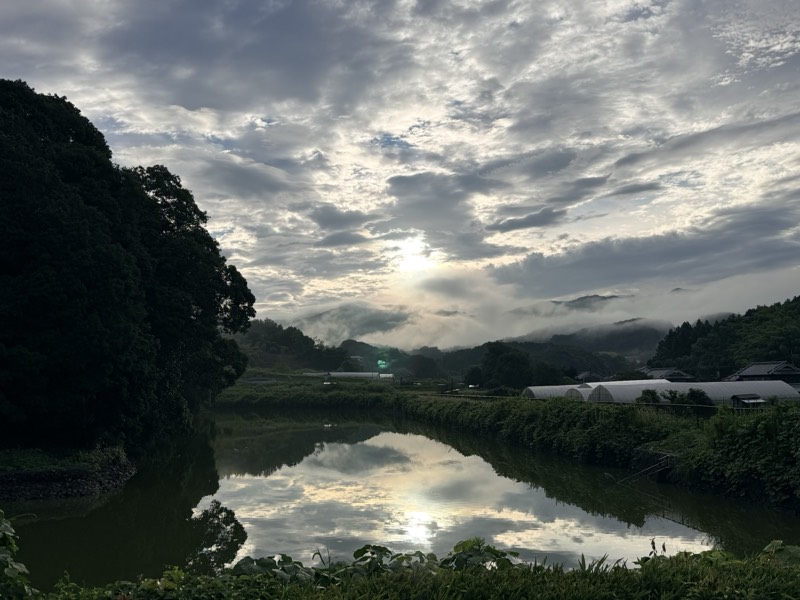
欽明天皇陵
One of the few large keyhole-shaped burial mounds in Asuka Village.
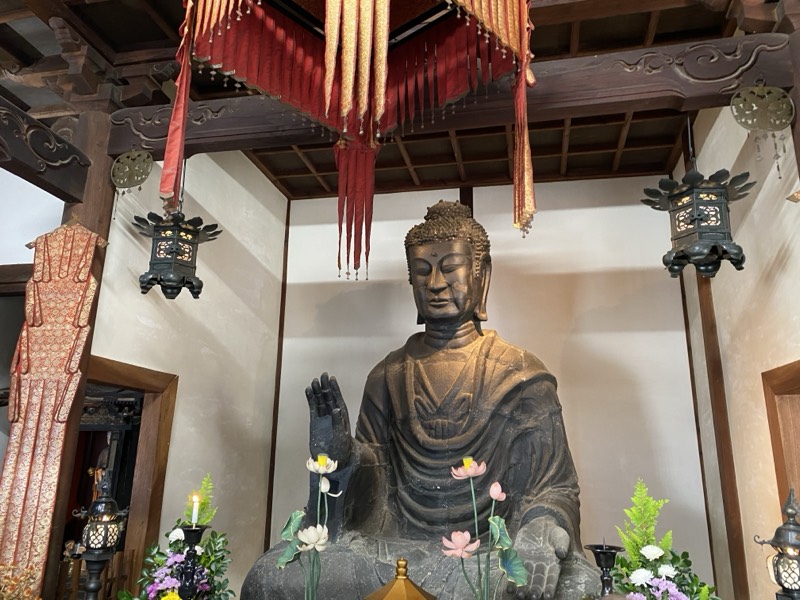
飛鳥寺・蘇我入鹿首塚
Japan's first full-scale Buddhist temple. The Great Buddha of Asuka still sits on the spot where it was made, 1,400 years ago.
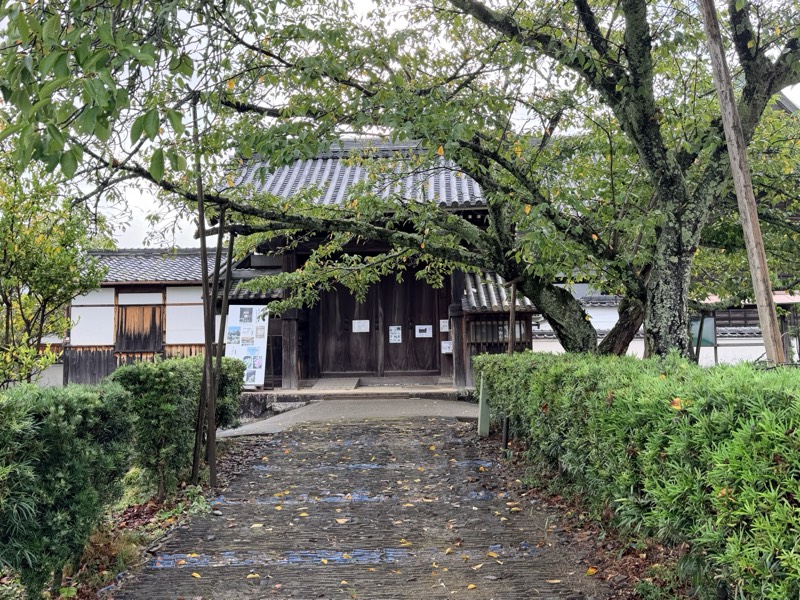
橘寺
The temple said to stand on the birthplace of Prince Shōtoku, home to the two-faced Nimenseki stone.
RELATED COLUMN
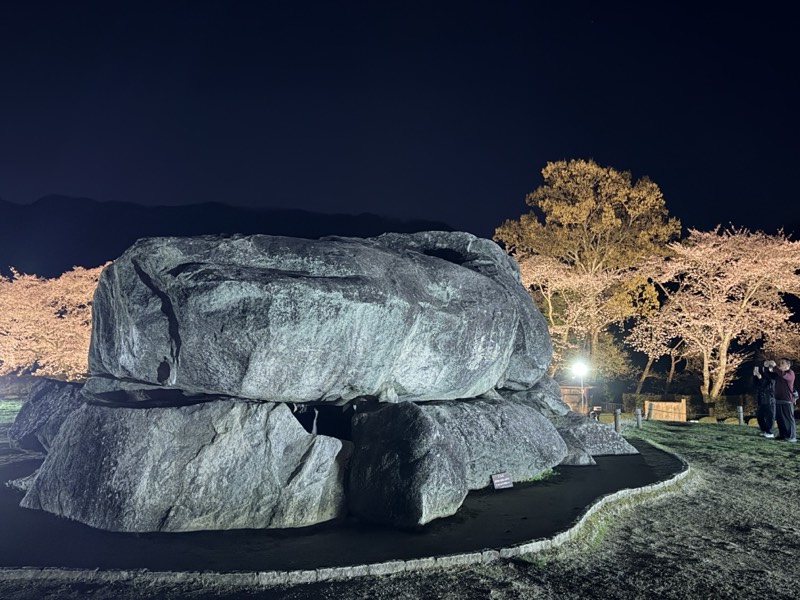 Was Prince Shōtoku Really Soga no Umako? Reading the "Prince = Umako" TheoryAlmost every achievement of Prince Shōtoku comes with the name of Soga no Umako beside it. What if the man…Who Was Prince Shōtoku? Born at Tachibana-dera, Moved to IkarugaThe Twelve Cap Ranks, the Seventeen-Article Constitution, the embassies to Sui China: Prince Shōtoku…
 Asuka-Fujiwara World Heritage: All 19 Component Sites and How to Visit Them, with Half-Day, One-Day and Two-Day Routes"Asuka-Fujiwara" was inscribed on the World Heritage List in 2026. We list all 19 component sites with their…