
Home/Columns/Asuka and Buyeo, 54 Years On: From Sister Cities to a Three-Way Partnership with Dazaifu
Published
Asuka Village and Buyeo County in Korea became sister cities in 1972. Fifty-four years later, the head of Buyeo County and the mayor of Dazaifu attended the Asuka Village Open-Air Museum Forum on November 21, 2026, and the three towns set out to join hands.
Asuka Village and Buyeo County became sister cities on November 28, 1972. In March of that year, brightly colored wall paintings had been discovered in Takamatsuzuka Kofun in Asuka.
In his opening address, the mayor said that at the same time as the Takamatsuzuka discovery moved all of Japan, there was a discovery in the old Baekje lands too, and he called it "a meeting of civilizations." The friendship that began then, he said, is now 54 years old.

Buyeo became a World Heritage town in 2015, and Asuka in 2026. The two sister cities now both hold World Heritage sites of ancient capitals.
The forum, held for the 30th time, took as its theme the cultural heritage of Asuka and Buyeo that connects to the future. The head of Buyeo County, in his greeting, said he hoped to build on mutual respect and trust and widen cooperation in many fields, including culture, tourism and youth exchange.
The mayor of Dazaifu City, Fukuoka Prefecture, was also there. According to the mayor of Asuka, the three, Asuka Village, Buyeo County and Dazaifu City, were to sign a partnership agreement the day after the forum.
Dazaifu's tie to Baekje goes back to the 7th century. After defeat at the Battle of Baekgang in 663, Japan built Mizuki and Ōno Fortress to strengthen the defense of Kyushu. Ōno Fortress was built by nobles who had fled from Baekje (see "Walling a Capital, or Not").
Asuka, the capital of the Asuka period; Buyeo, the capital of Baekje; and Dazaifu, whose defenses Baekje people built. In the currents of 7th-century East Asia, the three towns lie on one line.
In the closing address, it was noted that Asuka Village's Shōtoku Junior High School has a continuing exchange with a junior high school in Buyeo, and that the two signed a partnership agreement this August. The village's children learn about World Heritage and cultural heritage from kindergarten on.
During the forum, someone described 1,400 years of history as flowing on like a river. The closing address ended with the hope that from now on, the children would carry that flow forward.

RELATED SPOT
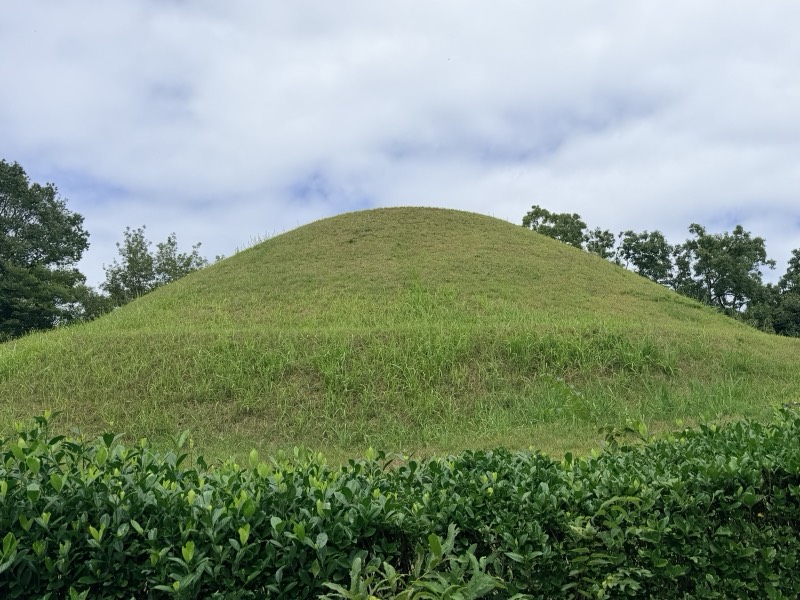
高松塚古墳
A round burial mound where brilliantly coloured paintings of court ladies were found: the defining archaeological discovery of post-war Japan.
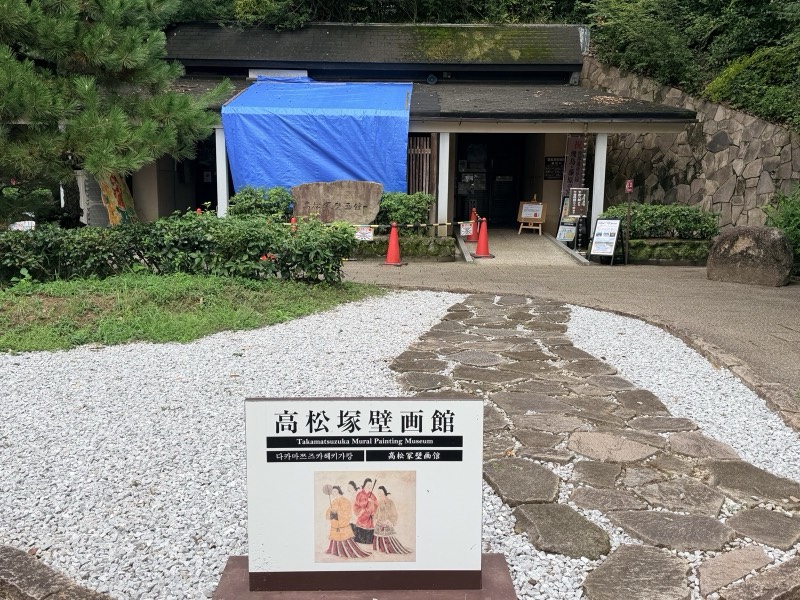
高松塚壁画館
A museum that presents the murals of Takamatsuzuka Kofun through replicas and models.
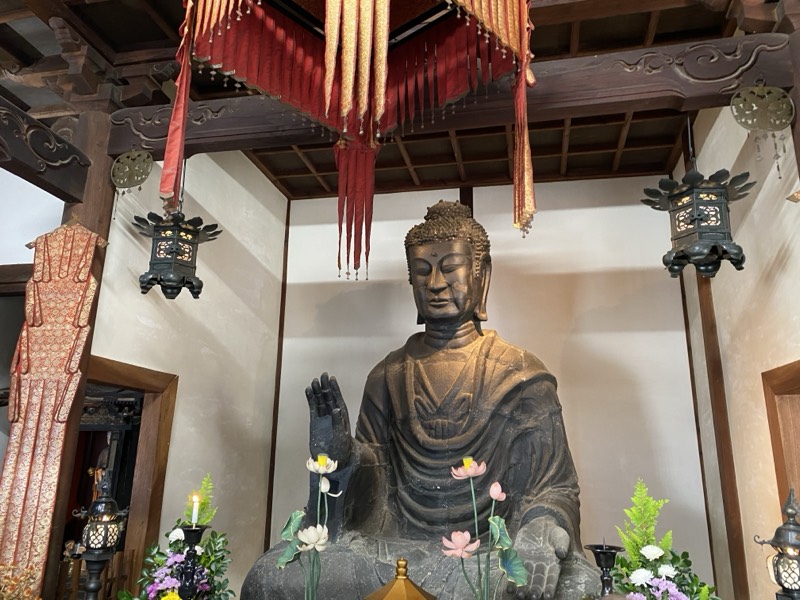
飛鳥寺・蘇我入鹿首塚
Japan's first full-scale Buddhist temple. The Great Buddha of Asuka still sits on the spot where it was made, 1,400 years ago.
RELATED COLUMN
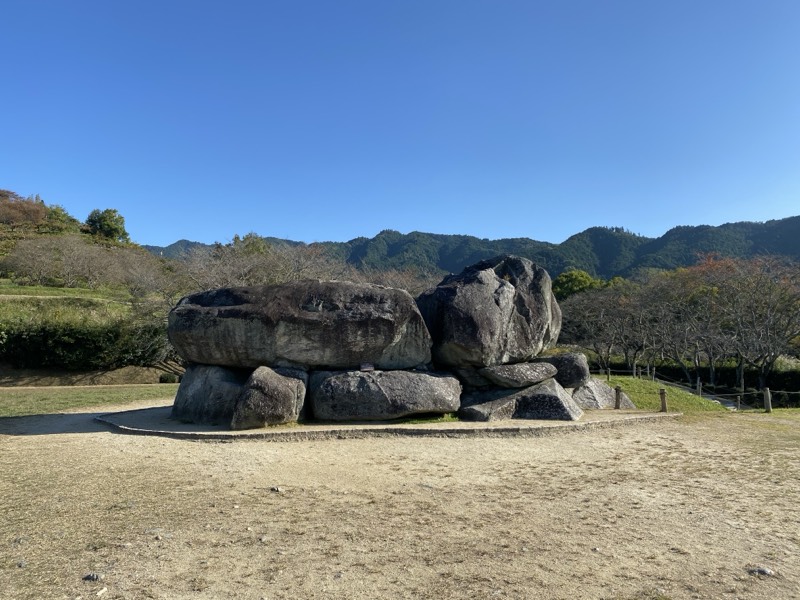 Living on Top of the Past: Asuka's Special Act and Korea's Ancient Capitals ActThe whole of Asuka Village is protected by law. Buyeo in Korea is also covered by a special law as an ancient…
 What Buyeo Did After Inscription: A Decade of Baekje World Heritage"Asuka-Fujiwara" has been World Heritage for only four months. What has Buyeo County done since the Baekje…They Didn't Stop at Digging: Half a Century of Asuka Village and Kansai UniversityThe team that uncovered the wall paintings of Takamatsuzuka Kofun in 1972 came from Kansai University. A…