
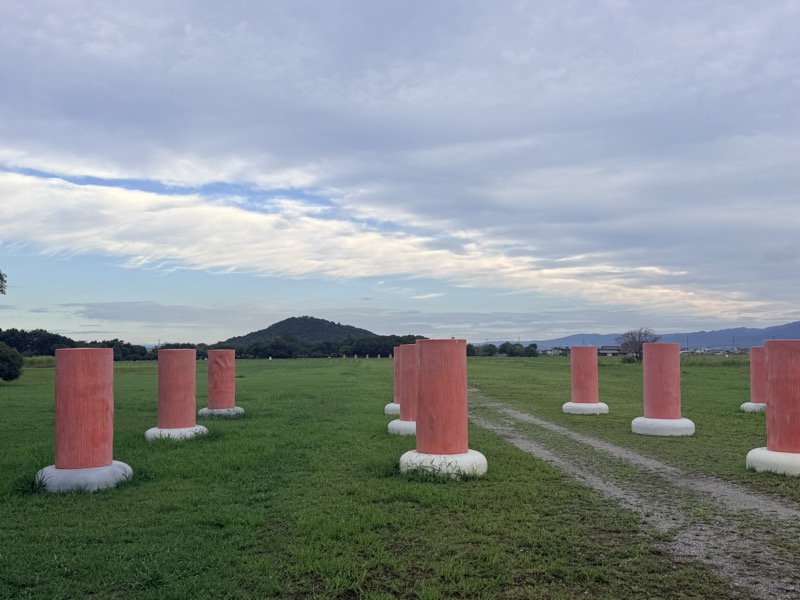
In 2015, eight sites of the Baekje kingdom in Gongju, Buyeo and Iksan, Korea, were inscribed as the "Baekje Historic Areas." Like "Asuka-Fujiwara," inscribed in 2026, they show the shape of a state through palaces, temples and tombs. Drawing on the presentation by Buyeo County at the Asuka Village Open-Air Museum Forum, we set the two side by side.
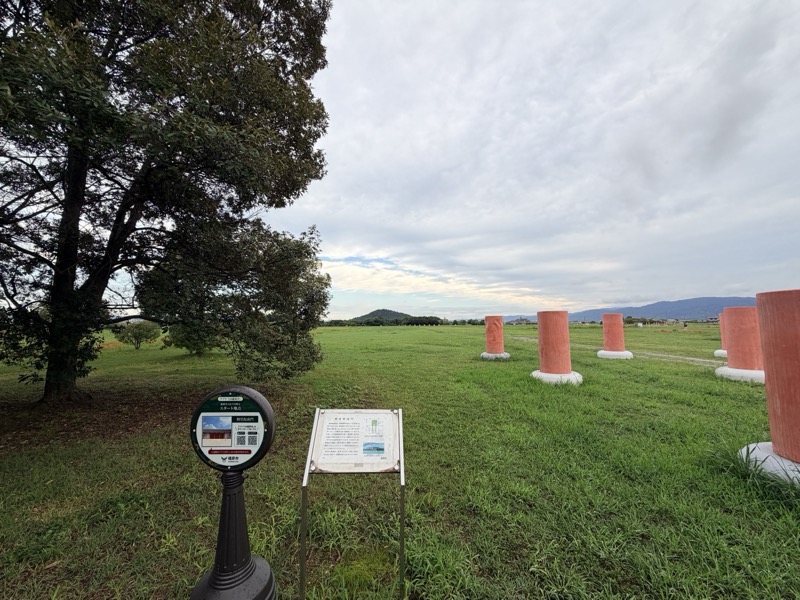
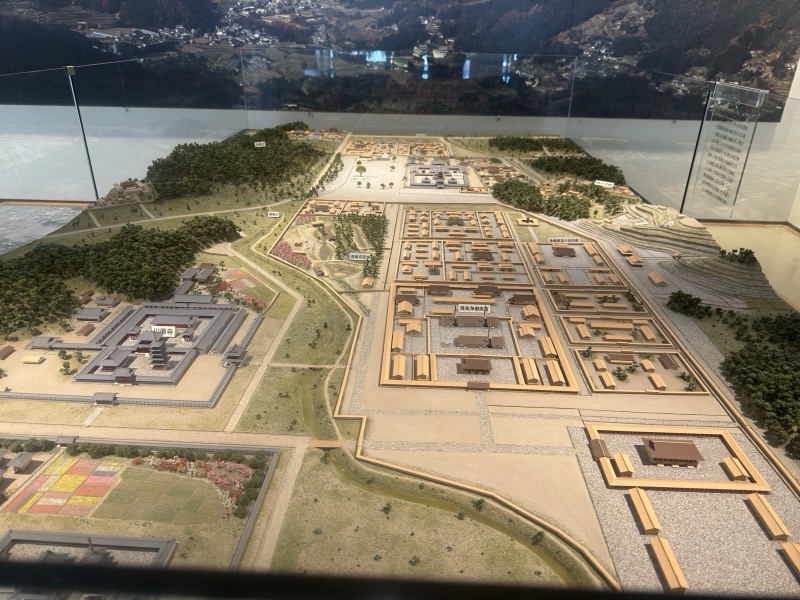
Tang-dynasty Chang'an was enclosed by high walls. Baekje's capital at Buyeo had its Naseong, an outer wall. Yet no wall enclosing the capital has been found at Asuka or Fujiwara-kyō. The difference came up in the panel discussion at the Asuka Village Open-Air Museum Forum.
"Asuka-Fujiwara" has been World Heritage for only four months. What has Buyeo County done since the Baekje Historic Areas were inscribed eleven years ago? The county explained at the Asuka Village Open-Air Museum Forum.
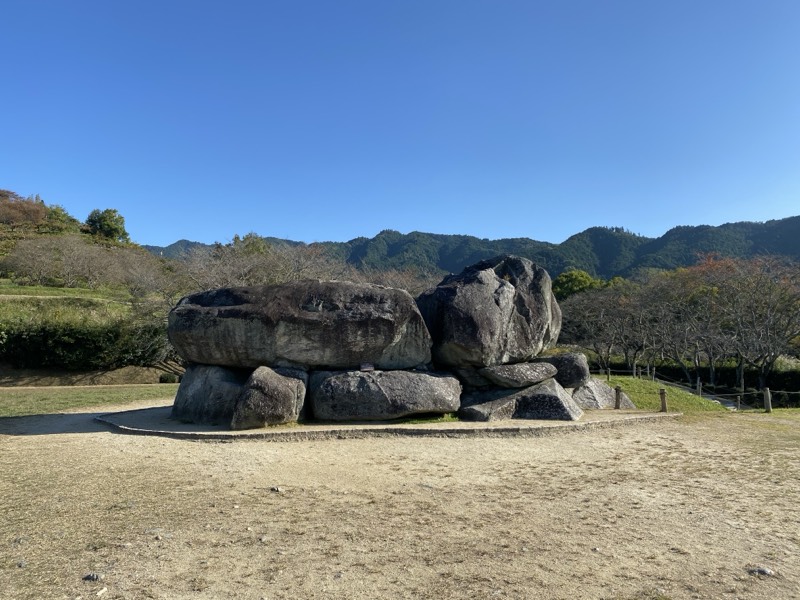
The whole of Asuka Village is protected by law. Buyeo in Korea is also covered by a special law as an ancient capital. How do you balance protecting the sites with the lives of the people who live on them? Along with what was said at the Asuka Village Open-Air Museum Forum, we compare the two countries' laws.
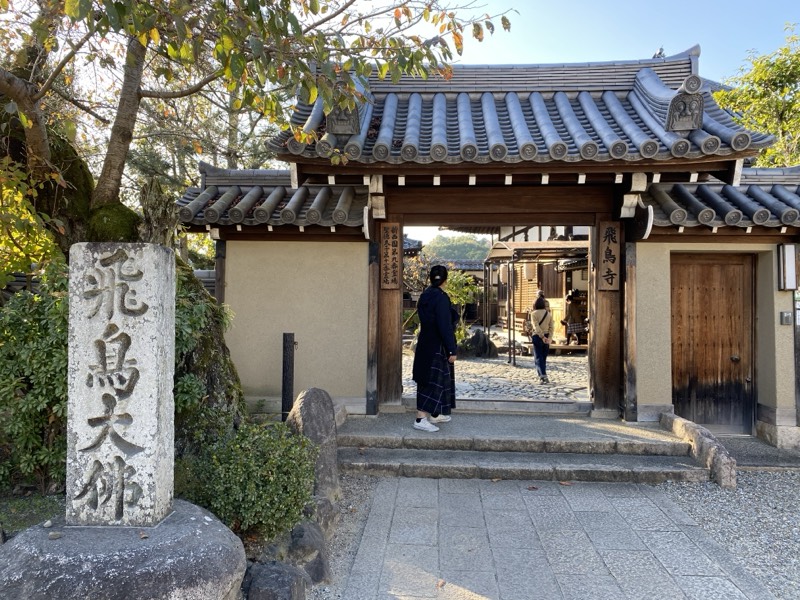
Asukadera was Japan's first full-scale Buddhist temple, and its construction began in the hands of craftsmen from Baekje. In Buyeo, the former Baekje capital, a reliquary found at the Wangheungsa Temple Site in 2007 has drawn new attention to how close the two temples are.
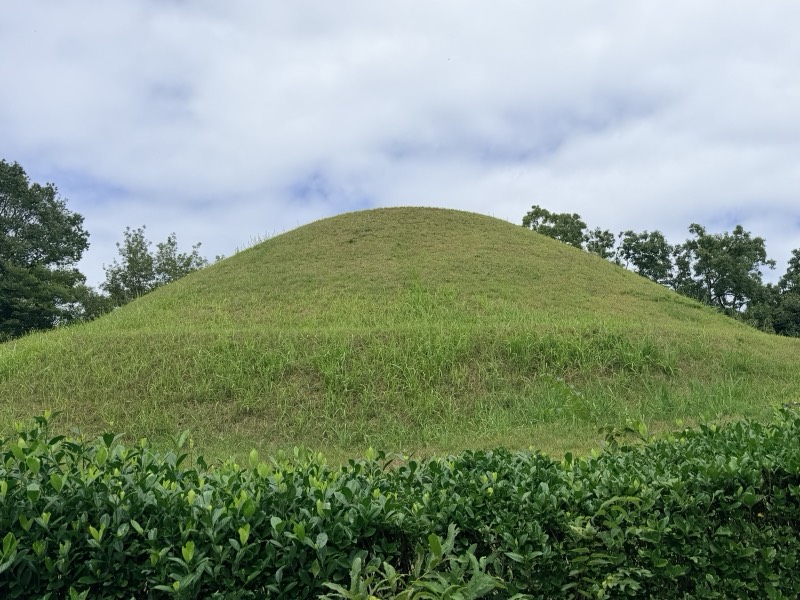
Asuka Village and Buyeo County in Korea became sister cities in 1972. Fifty-four years later, the head of Buyeo County and the mayor of Dazaifu attended the Asuka Village Open-Air Museum Forum on November 21, 2026, and the three towns set out to join hands.