
Home/Columns/Asukadera Was Built by Baekje Craftsmen: Temple Builders, Tile Masters and the Relics of Wangheungsa
Published
Asukadera was Japan's first full-scale Buddhist temple, and its construction began in the hands of craftsmen from Baekje. In Buyeo, the former Baekje capital, a reliquary found at the Wangheungsa Temple Site in 2007 has drawn new attention to how close the two temples are.
According to the Nihon Shoki entry for the first year of Emperor Sushun (588), Baekje sent Buddha relics that year, together with monks and the craftsmen to build a temple.
They were the temple builders Taramita and Monkekoshi; the master of the pagoda finial, Shōtoku Hakumaijun; the tile masters Manamonnu, Yōkimon, Ryōkimon and Shakumataimi; and the painter Byakuka.
The same year, the Nihon Shoki goes on, Soga no Umako pulled down a house in Asuka and began building Hōkōji, that is, Asukadera.

Until the tile masters arrived, no building in the country had a tiled roof. Asukadera's round eave tiles bear a lotus design with plain, undecorated petals, very like the Baekje tiles excavated in Buyeo. The history of roof tiles in Japan starts here.
In 593, Buddha relics were placed in the foundation stone for the central pillar of Asukadera's pagoda. Excavations in 1956 and 1957 found, around the stone, beads, gold earrings, sheets of gold and silver, armor and horse bells, objects much like the grave goods of a kofun.
In 2007, a reliquary was found at the site of the wooden pagoda of Wangheungsa in Buyeo. Its bronze case bore an inscription saying, in effect, that in the jeongyu year (577) King Chang of Baekje (King Wideok) founded the temple for a prince who had died. That was eleven years before work on Asukadera began.
Beneath the Wangheungsa pagoda, too, beads, gold earrings and gold sheets were found with the relics. The Nara National Research Institute for Cultural Properties has pointed out that the relic deposits from Wangheungsa and from the western stone pagoda of Mireuksa in Iksan share many elements with Asukadera's.
The Nihon Shoki also records that in the sixth year of Emperor Bidatsu (577), the king of Baekje sent sutras and treatises with six people: a master of monastic rules, a meditation master, a nun, a spell-master, a maker of Buddha images and a temple builder. So in the very year Wangheungsa was founded, makers of images and temples came from Baekje.
Asukadera was not simply a copy of a Baekje temple, though. Excavation showed a plan of "one pagoda, three golden halls," with halls to the north, east and west of a central pagoda. The basic Baekje plan, as at Jeongnimsa, set one pagoda and one hall on a north-south line. A plan close to Asukadera's is seen at the Cheongam-ri temple site in Pyongyang, the Goguryeo capital.
According to the Nihon Shoki, the Goguryeo monk Hyeja came in 595 and lived at Asukadera with the Baekje monk Hyechong. Asukadera is thought to have been built on the skills of Baekje craftsmen while also taking in ideas from Goguryeo.
After Asukadera, temple after temple went up in Asuka, among them Yamadadera and Kawaradera. The skills that crossed the sea seem to have been handed on through this temple building.
In the discussion at the 30th Asuka Village Open-Air Museum Forum on November 21, 2026, it was said that Japan did not copy Baekje's culture and technology as they were, but remade them to fit its own politics, society and natural conditions. Asukadera can be called the first example.

RELATED SPOT
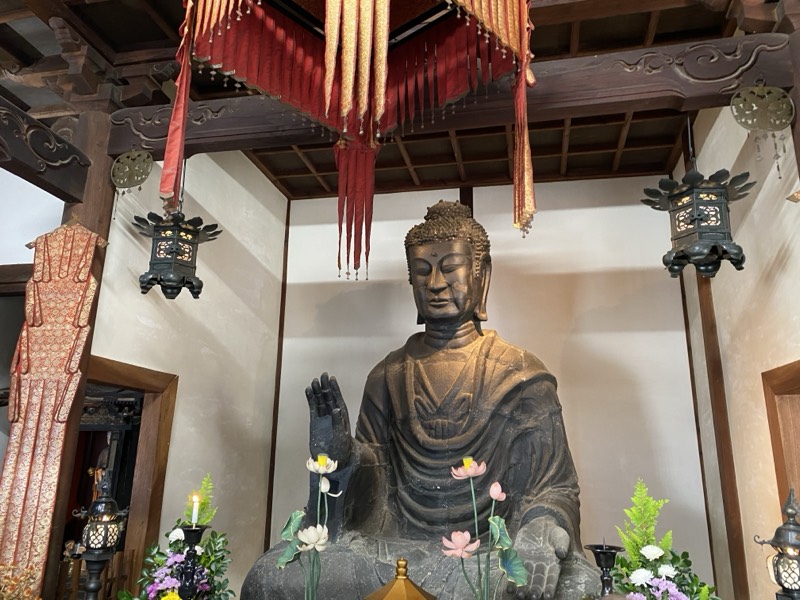
飛鳥寺・蘇我入鹿首塚
Japan's first full-scale Buddhist temple. The Great Buddha of Asuka still sits on the spot where it was made, 1,400 years ago.
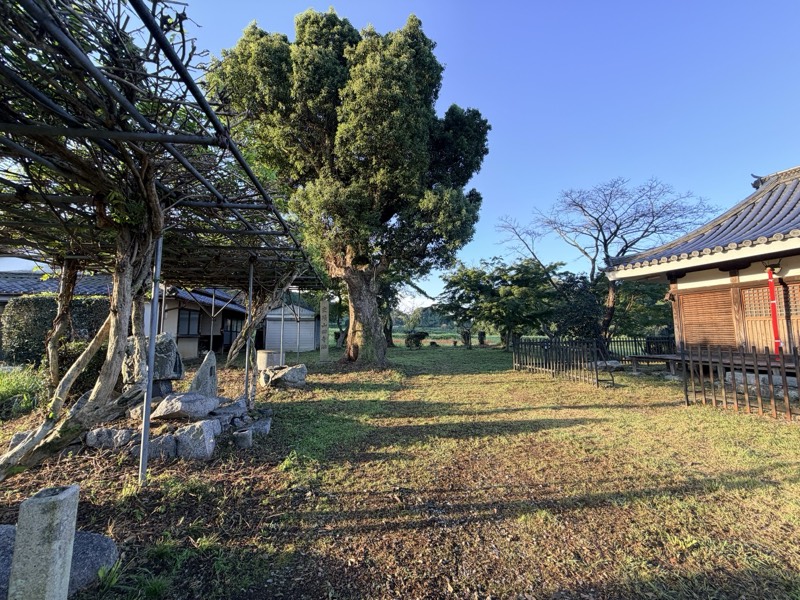
山田寺跡
A temple site where a corridor was excavated just as it had collapsed and been buried.
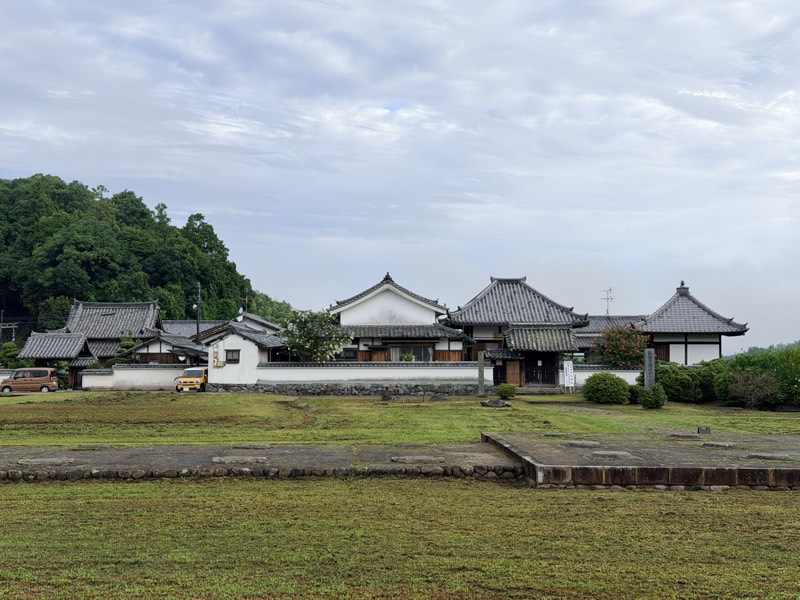
川原寺跡(弘福寺)
One of the four great temples of Asuka. Its foundation stones still show how large its halls once were.
RELATED COLUMN
How a Foreign Buddha Became a Japanese Face: Buddhist Statues of Asuka and FujiwaraFrom the Asuka Daibutsu to the Yakushi Triad of Yakushi-ji Temple took about a hundred years. Over that…Clan temples and state temples: telling apart the temples of AsukaAsuka-dera, Toyura-dera, Yamada-dera, Kawahara-dera, Daikandai-ji, Moto-Yakushi-ji. Who built them, and for…Temples Across the Land: The Reigns of Tenmu and Jitō and the Spread of Kawaradera-Style TilesBy Empress Jitō's reign, there were said to be 545 temples in the land, where a century earlier there had…