
Published
"Asuka-Fujiwara" has been World Heritage for only four months. What has Buyeo County done since the Baekje Historic Areas were inscribed eleven years ago? The county explained at the Asuka Village Open-Air Museum Forum.
At the end of the 30th Asuka Village Open-Air Museum Forum on November 21, 2026, the mayor of Asuka Village said that because Buyeo is ten years ahead, Asuka can see what lies ahead and set its goals more easily. Buyeo County's presentation went through what it has done since inscription.
The eight sites span Gongju City and Buyeo County in South Chungcheong Province and Iksan City in North Jeolla Province. The Baekje World Heritage Center is the dedicated body that conserves and manages all eight and promotes them. It grew out of a team formed in 2012 to pursue inscription, and links the national government with local governments.
Korea's special act on the preservation of ancient capitals, enacted in 2004, names Gyeongju, Gongju, Buyeo and Iksan as "ancient capitals." Under it, Buyeo has carried out projects aimed at preserving the historic environment while improving residents' living conditions and revitalizing the local economy.
Then, in May 2026, the Special Act on the Preservation and Management of Core Sites of the Baekje Royal Capitals passed Korea's National Assembly. Twice before the bill had died; it passed on the third attempt. According to Buyeo County, it is due to take effect next year. The program plans to spend a total of 1.4028 trillion won through 2038, and in Buyeo, conservation and management are under way at twelve sites, including Busosanseong, Gwanbuk-ri, Jeongnimsa and the Wangheungsa Temple Site.
The first item in the presentation was buying the land over the sites. Privately owned land on the sites has been bought up steadily over many years. In the discussion, an example was also given of the state buying the land and turning the whole area into a heritage park.
Excavation continues too. But only about 12 percent of the whole site has been excavated, and it still cannot be said for certain whether Buyeo had a street grid like Fujiwara-kyō.
The results are kept as records, and 3D digital records have been made in case of disaster or damage. These digital records are also shown in an online exhibition hall.

All eight components are monitored together by CCTV. In addition, local residents patrol each site and report conditions through a dedicated smartphone app. Visitors can also scan a QR code and report what they notice.
One pillar of use is night tours of the sites and media art staged at them. Buyeo has applied each year to a national program run by the heritage authority, with proposals that draw on its own character, and has been selected again and again.
There are festivals such as the Baekje Cultural Festival, walking events that tour the sites, and programs with well-known history guides. Teaching materials have been made for schoolchildren across the country. Leaflets and websites are available in Japanese, Chinese and English as well as Korean.
Buyeo plans to improve the streetscape along its main roads using traditional Korean architectural styles, and to build a center that will serve as a base for World Heritage visitors. A national institution for cultural heritage research is also to be built in Buyeo.
In the discussion, there was also talk of using technology such as AI glasses, so that visitors standing on a site could see the original buildings.
Buyeo County said the greatest result of inscription was that Baekje's heritage came to be seen as the heritage of people everywhere, beyond any one region or country, and above all, that local residents became prouder of it.
Asuka, too, is a village where people live above buried sites. How to protect the land, and how to show sites that cannot be seen: Buyeo's decade offers clues for Asuka's future.
RELATED SPOT
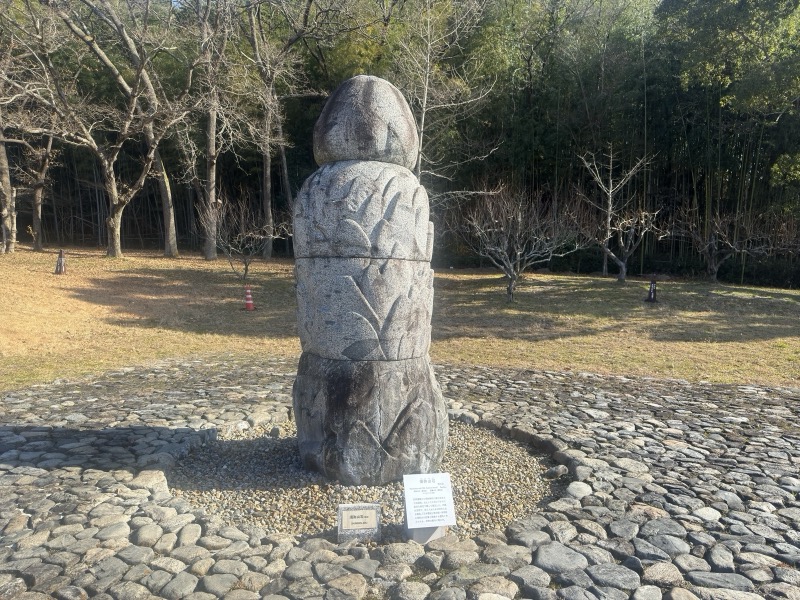
奈良文化財研究所 飛鳥資料館
The Nara National Research Institute's museum, displaying finds from Asuka and the east corridor of Yamada-dera Temple.
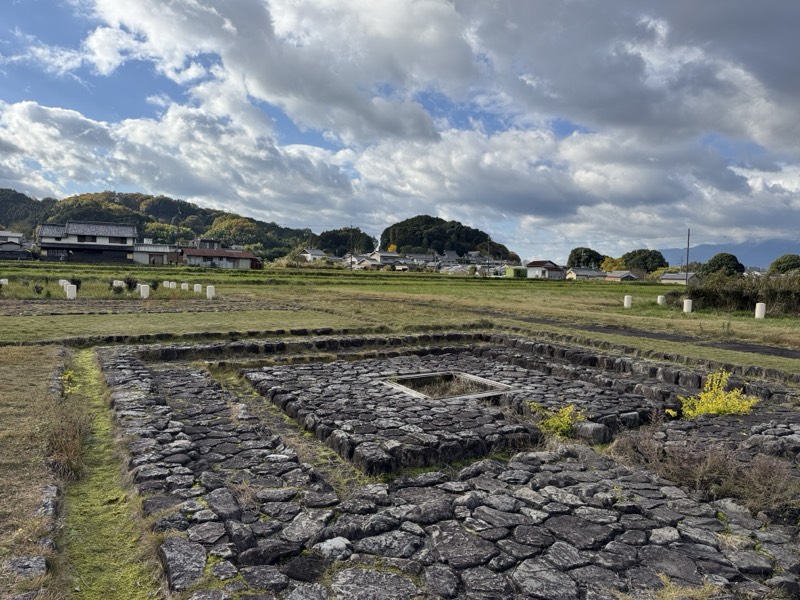
飛鳥宮跡(伝 飛鳥板蓋宮跡)
The political heart of Asuka, where several palaces were built one on top of another.
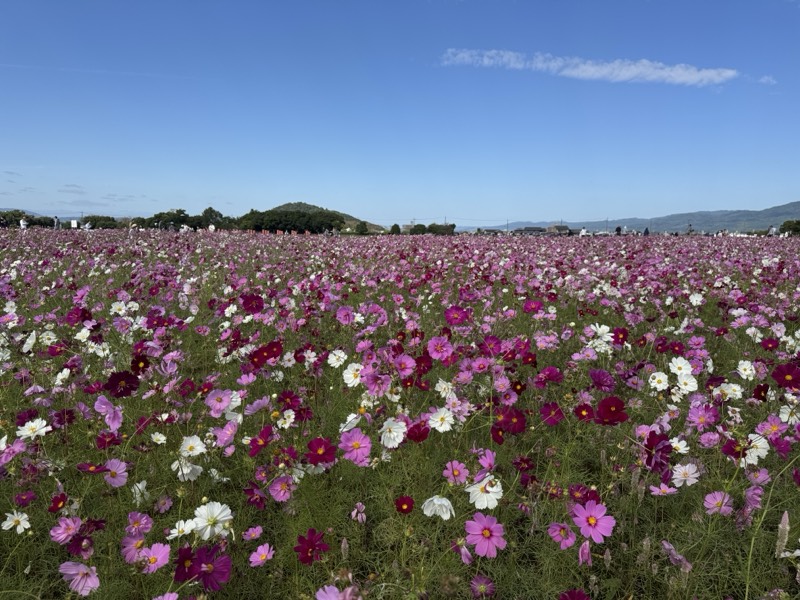
藤原宮跡
The heart of Japan's first full-scale planned capital, also known for its seasonal flower fields.
RELATED COLUMN
The Pleasure of Not Rebuilding Too Much: Asuka, Where the Ground of 1,400 Years Ago Lies Just BelowAsuka's sites have almost no reconstructed buildings, and people say they are hard to understand. But here…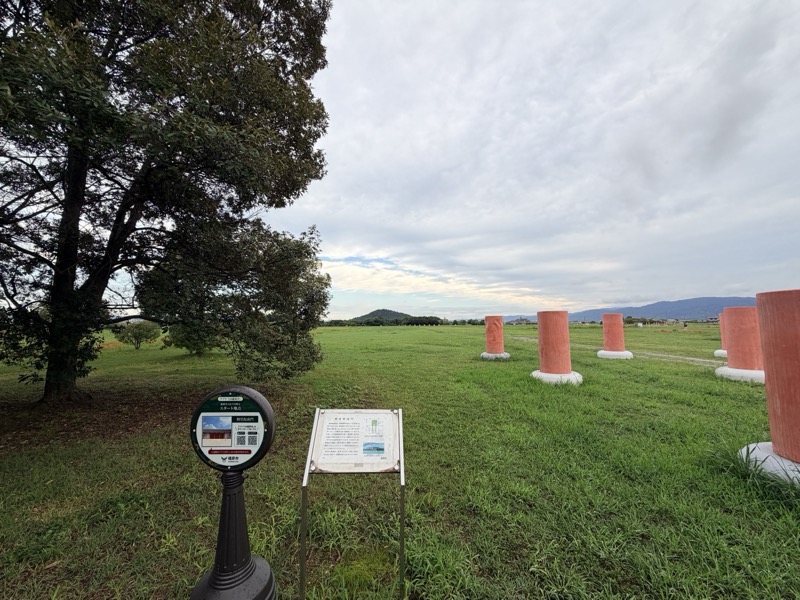 Walling a Capital, or Not: Buyeo's Naseong and the Unwalled Asuka and FujiwaraTang-dynasty Chang'an was enclosed by high walls. Baekje's capital at Buyeo had its Naseong, an outer wall…
 Living on Top of the Past: Asuka's Special Act and Korea's Ancient Capitals ActThe whole of Asuka Village is protected by law. Buyeo in Korea is also covered by a special law as an ancient…